Meaning
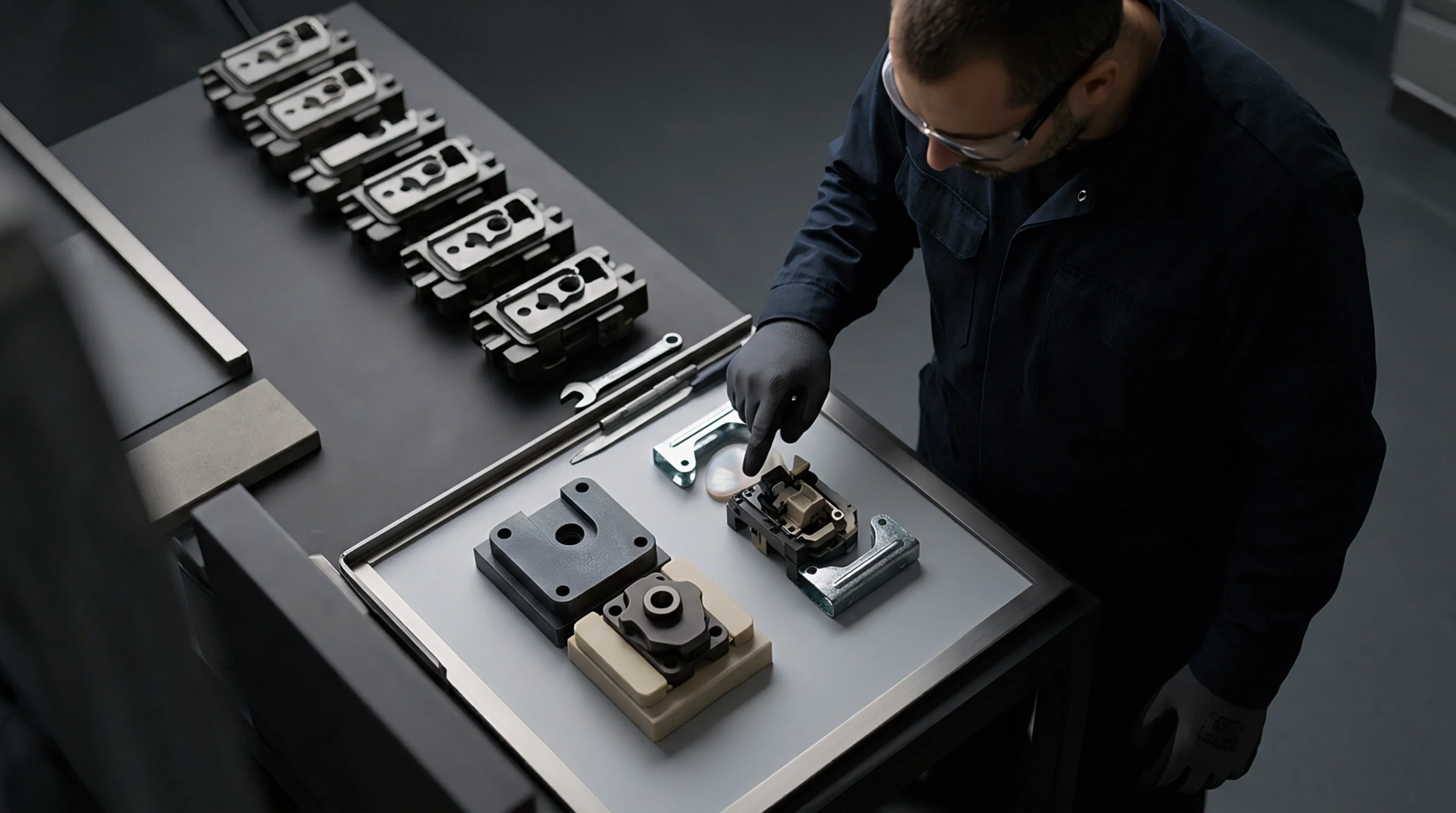
Sintered metal-matrix composite components withstand extreme mechanical abrasion and thermal shock inside high-wear zones of plastic injection moulds. Installing tungsten carbide inserts at gates, core tips, and runner intersections prevents tool wear caused by glass fibers, ceramics, or metallic additives. These ultra-hard inserts stop being practical in complex three-dimensional cavities where brittle mechanical behavior prevents EDM machining or creates fracture risks under flexural shock.
Erosion Resistance
Extreme hardness exceeding seventy Rockwell C prevents micro-ploughing when processing highly abrasive polymer formulations. High-velocity melt entering small gates erodes conventional tool steel rapidly, distorting gate geometry and causing cosmetic defects. Utilizing tungsten carbide inserts preserves gate dimensions across millions of injection cycles, preventing gate blush and flash.
Thermal Conductivity
Rapid heat extraction through cobalt-bonded carbide structures helps cool thick section gate zones quickly. Superior thermal performance reduces cycle times and minimizes localized hot spots that induce polymer thermal degradation. Efficient heat transfer prevents surface sticking and core pin pulling during part ejection.
Tooling Economics
High initial material and diamond grinding costs limit full-cavity use, restricting application to localized high-wear regions. Tooling designers place tungsten carbide inserts in modular pockets to simplify replacement when processing aggressive compounds with sixty percent glass fiber loading. Using recycled polymer compounds with irregular abrasive contamination makes carbide protection cost-effective by preventing sudden tool failures.
Extended operational lifespan and reduced maintenance frequency offset initial tooling fabrication expenses over high-volume production schedules.