Meaning
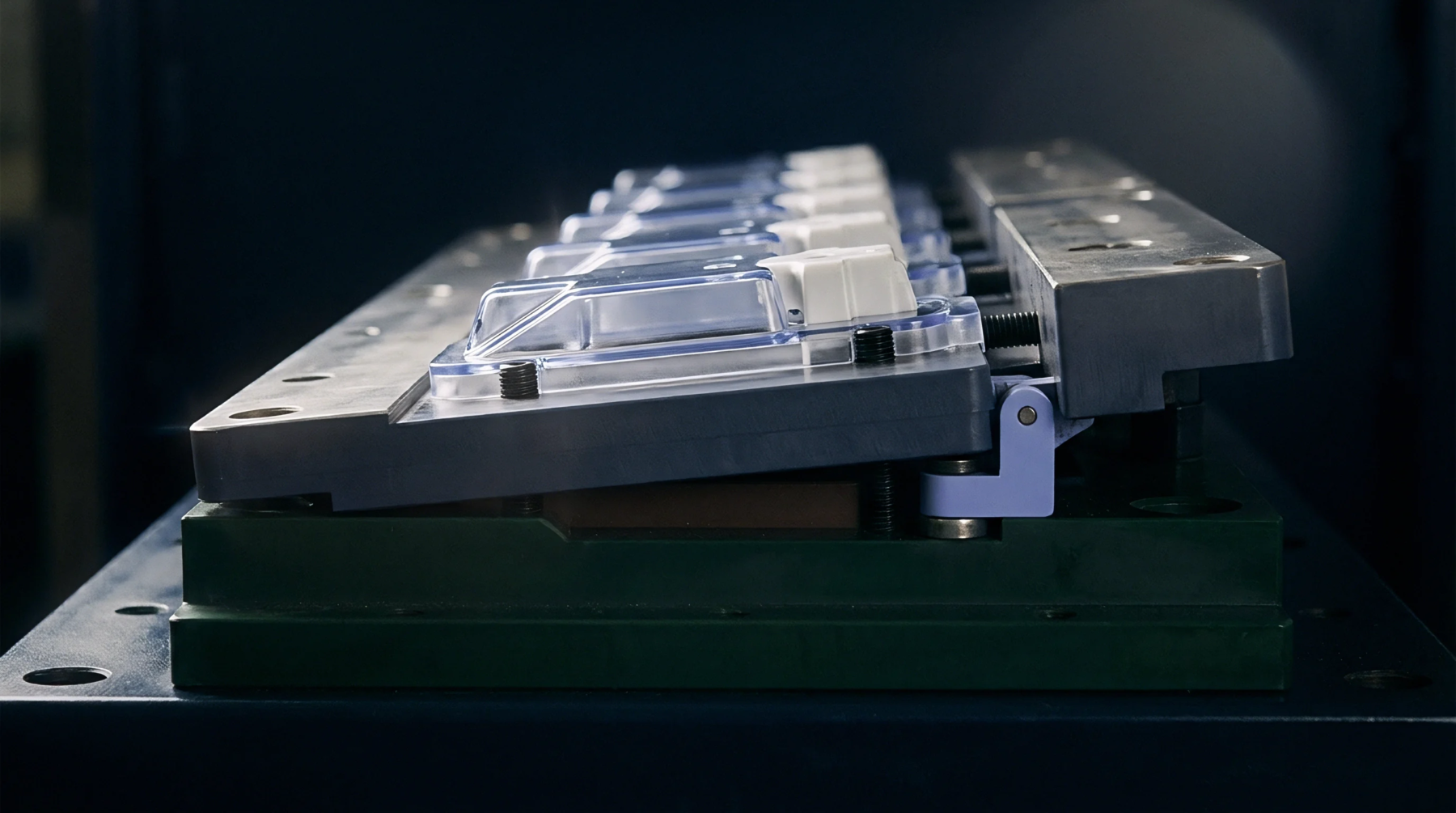
Electrical discharge machining utilizes a shaped electrode to erode precise cavities into hardened steel mould blocks. This sinker edm process creates features that are impossible to mill with rotating cutters due to deep rib shapes or square corners. It governs the final finish quality of the tool steel and the dimensional accuracy of detailed internal geometries in the finished plastic part.
The term applies to the fabrication of high detail injection moulds where traditional subtractive methods lack the necessary reach or precision. It excludes wire based erosion or standard CNC milling operations that do not use a dielectric oil bath.
Metal Erosion
High frequency electrical pulses bridge the gap between a custom graphite or copper electrode and the steel workpiece. Each spark from the sinker edm machine removes a microscopic bit of metal while the entire setup sits inside a tank of cooling fluid. This dielectric fluid flushes away the debris and prevents the temperature from rising high enough to warp the steel.
The electrode slowly sinks into the block while duplicating its precise shape into the target metal surface. Because no physical force is applied to the tool, very thin and delicate shapes can be formed without deflection. This ability is mandatory for creates recesses for ribs that provide structural strength to modern electronics housings.
Maintaining a stable gap distance is the priority for the machine controller to prevent damaging short circuits during the process.
Surface Texture
Finishing passes use lower energy sparks to create the desired surface roughness directly onto the cavity wall. Sinker edm determines whether the resulting plastic part will have a matte appearance or a textured finish that hides fingerprints. Operators must account for the electrode wear that happens over time to ensure the final geometry matches the design.
Modern machines use multiple electrodes to handle initial heavy material removal and final precision detailing in separate steps. This ensures that the final steel dimensions remain accurate within thousandths of a millimeter for high quality parts. The resulting surface remains hard and consistent across the whole cavity which helps with easy part ejection once in production.
These textures are durable and do not wear down easily during long production runs of abrasive resins.
Application Context
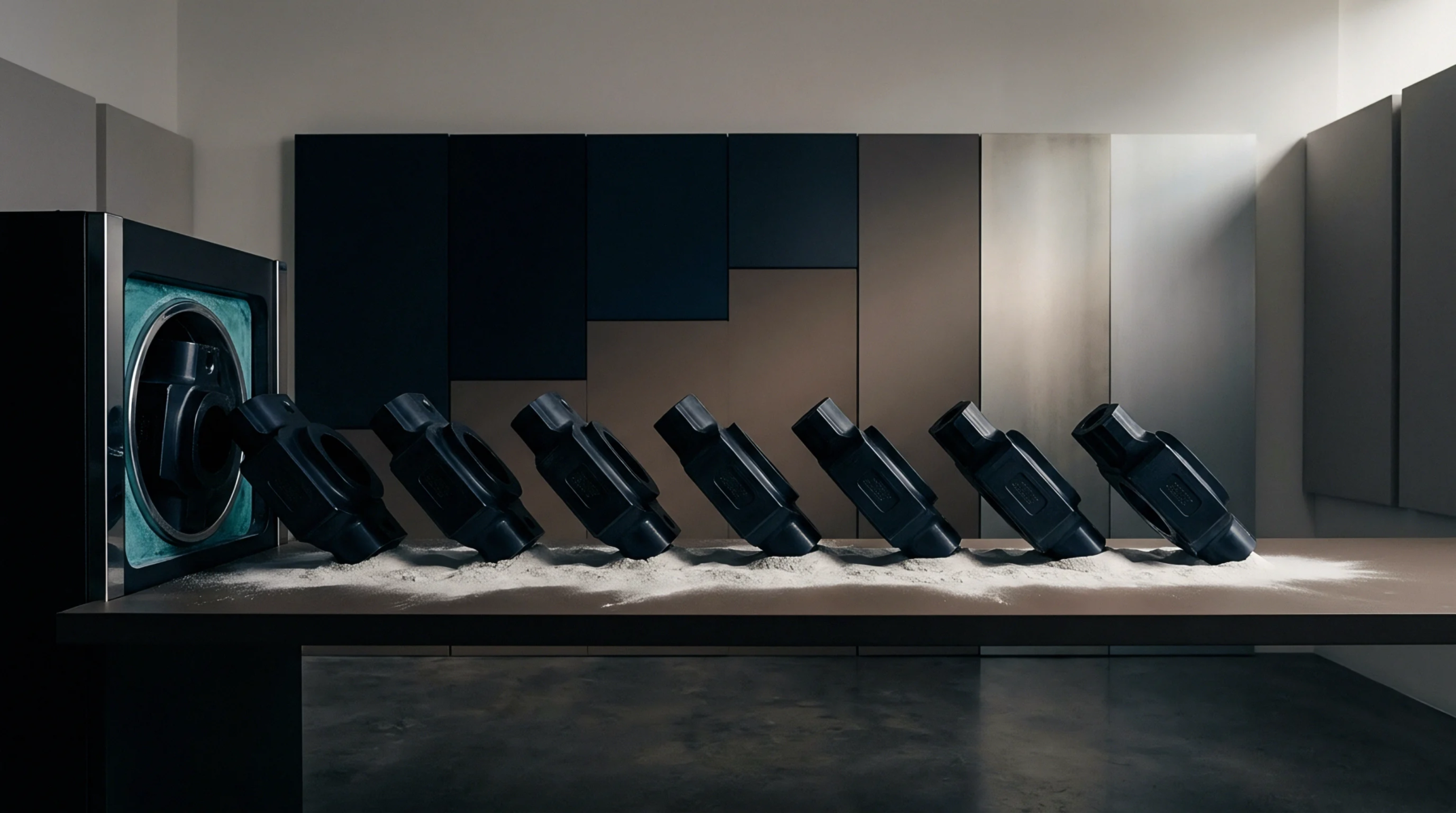
Moulders turn to this technology when part designs incorporate deep recesses or internal details that require precise corner radiuses. Every sinker edm sequence is custom designed for the specific core or cavity insert being built in the shop. It allows for the production of sharp negative details that would be physically inaccessible for a traditional ball end mill.
The time spent on this method is often high which makes it an expensive part of the overall tooling budget. However, it provides a level of detail that cannot be replaced by other manufacturing procedures. It ensures that complex clips and hinges fit correctly every single time from the first trial.
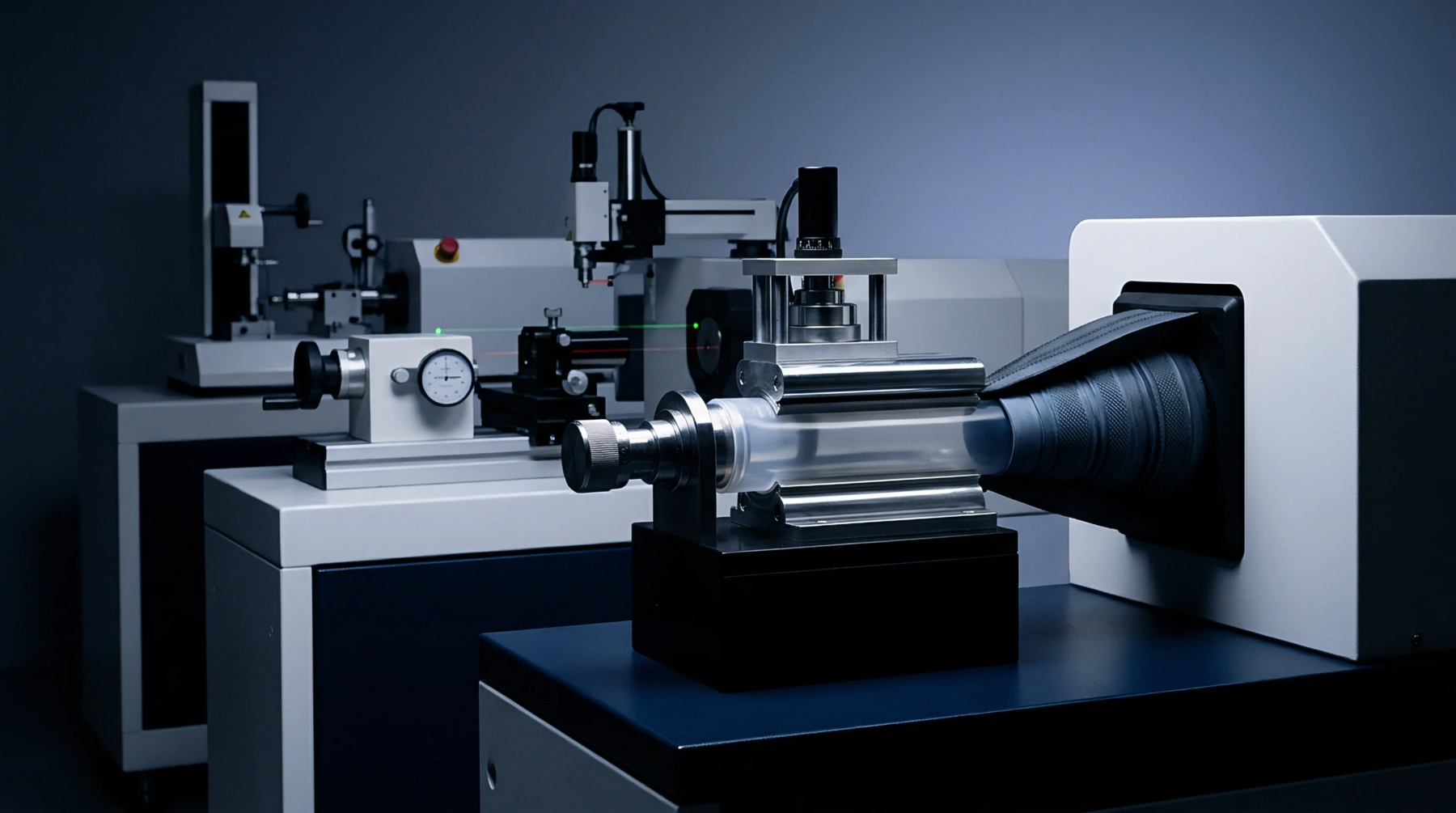
The work concludes once the machine reaches the programmed depth and the metrology check confirms the shape is correct.