Meaning
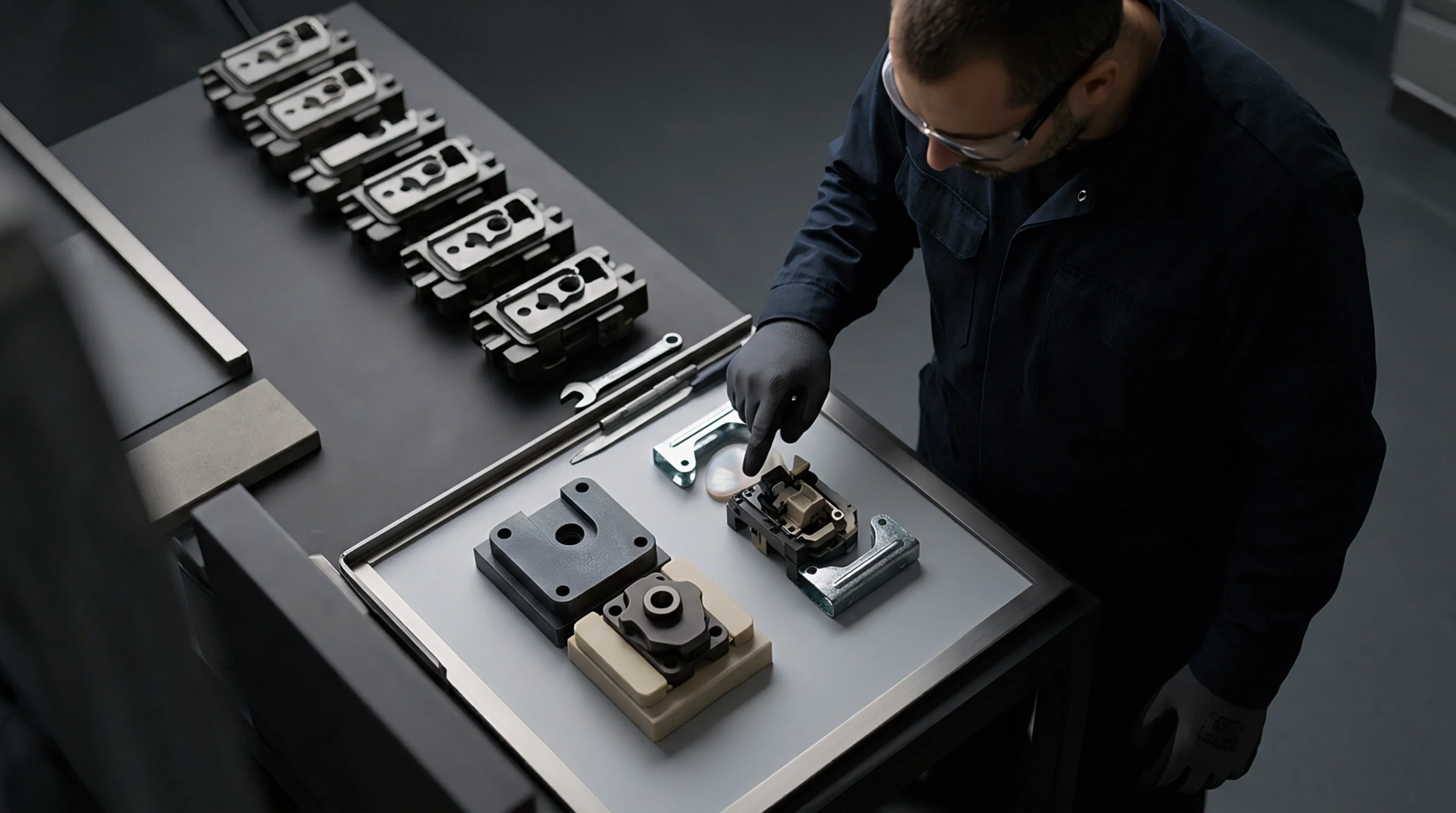
Precision manufacturing method uses computer-controlled pulsed laser beams to ablate micro-patterns directly onto mould steel surfaces. In tooling for injection moulding, laser texturing vaporises steel layer by layer to create functional surface geometries, digital textures, micro-fluidic channels and geometric grains without using chemical acids. The technology applies multi-axis optical heads to apply continuous textures across complex three-dimensional contours.
Its processing domain stops at surface finishing, leaving bulk cavity machining to conventional milling and electrical discharge machining.
Digital Ablation
Pulsed nanosecond, picosecond or femtosecond lasers melt and vaporise microscopic volumes of steel with high positional accuracy. Digital design files drive five-axis optical heads, eliminating geometric distortion across steep cavity walls and complex parting lines. Femtosecond lasers ablate metal without creating significant heat-affected zones or recast layers, preserving the base metallurgy of hardened tool steel.
Toolmakers generate precise matte finishes, organic leather patterns or microscopic anti-counterfeiting features directly from three-dimensional CAD models.
Moulding Performance
Textured cavity surfaces replicate their inverse micro-geometry onto injected polymer components with high fidelity. Micro-machined patterns diffuse light to achieve specific gloss ratings across automotive interior panels. Hydrophobic micro-textures can be transferred directly onto consumer packaging, altering part surface energy and wettability.
The absence of chemical undercut defects allows moulders to operate with smaller draft angles than conventional chemical etching requires.
Production Wear
Hardened cavity steels retain laser-ablated micro-textures across extensive production volumes when processing unfilled resins. Abrasive compounds containing short glass fibres or mineral additives round off micro-ribs and sharp texture boundaries over continuous moulding cycles. Moulders run lower injection velocities and employ wear-resistant cavity coatings such as titanium nitride to preserve fine textures.
Digital pattern files enable exact tool surface replication when replacement inserts or companion tools must be manufactured across global production facilities.