
Optimizing Core Layouts for Polymer Flow and Sink Prevention
Balancing standing steel thickness below sixty percent of nominal wall and maintaining turbulent cooling prevents cosmetic sink marks.
Balancing standing steel thickness below sixty percent of nominal wall and maintaining turbulent cooling prevents cosmetic sink marks.

Core deflection control requires symmetric melt arrival, high-modulus tool inserts, precision taper locking, and real-time cavity pressure monitoring.
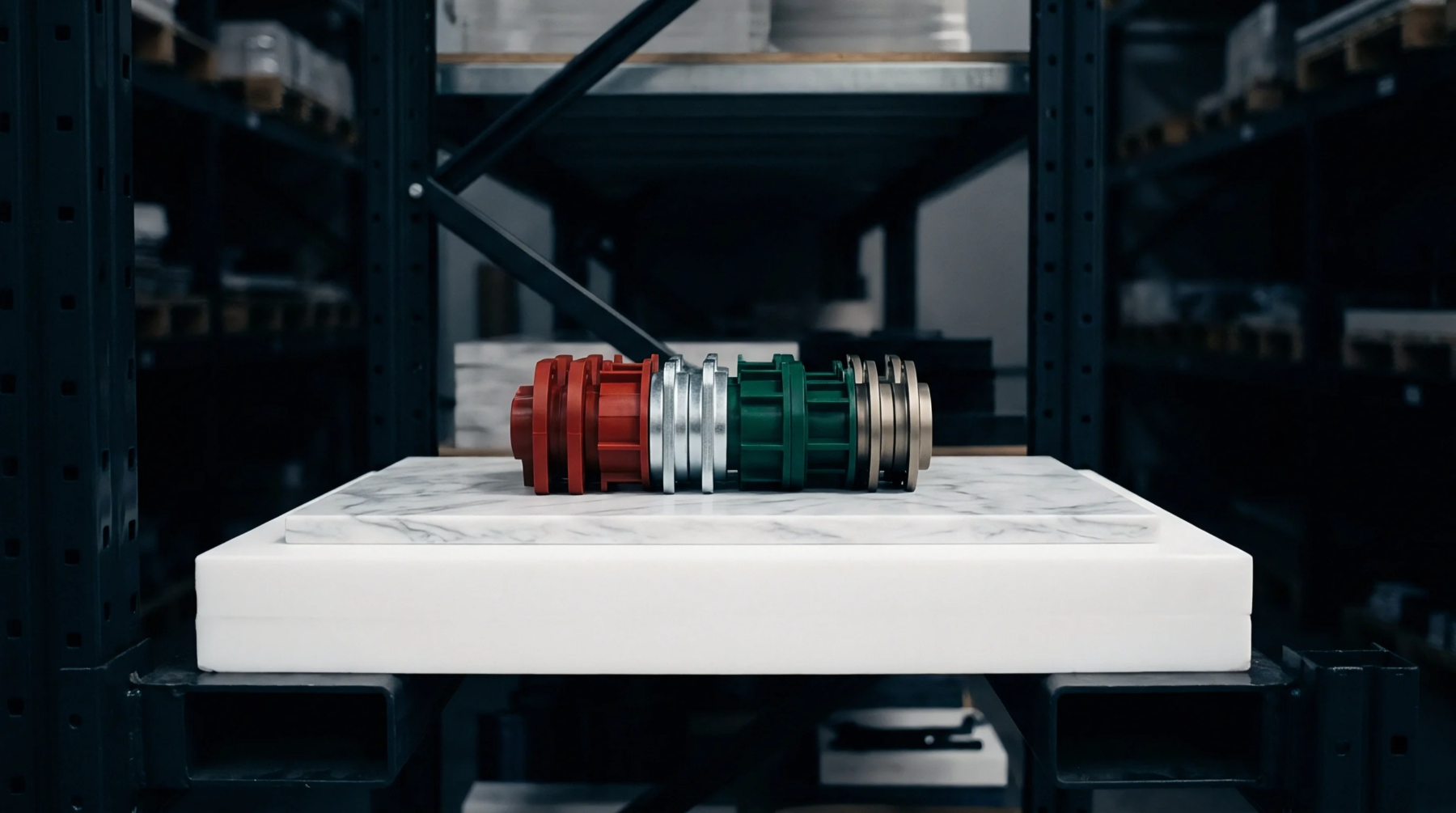
Melt flow length scales with cavity thickness raised to the third power while cycle time increases quadratically, forcing tight nominal wall control.
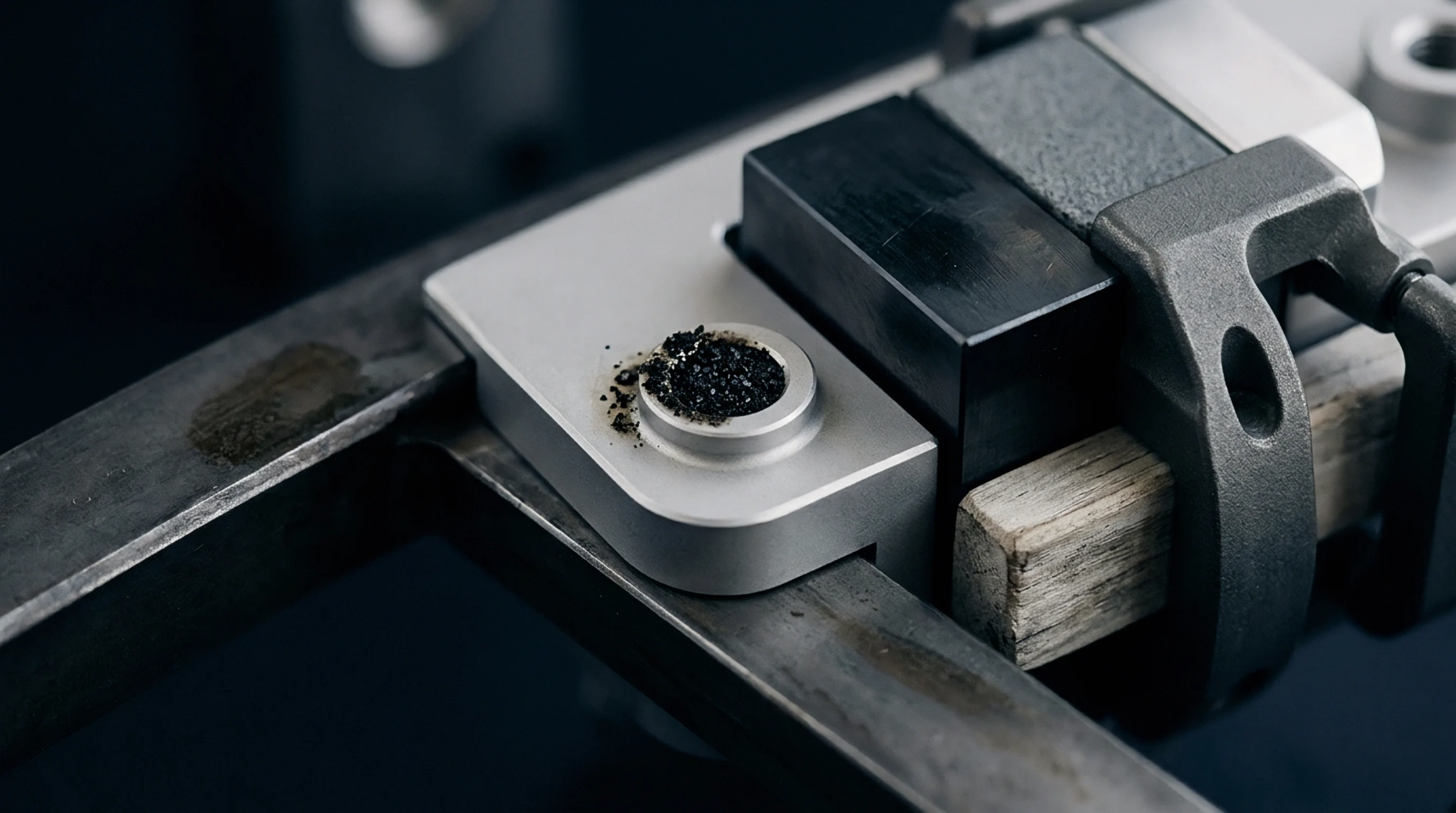
Non-linear degradation modeling protects coated carbide shutoff lands by predicting exponential wear acceleration from volatile chemical binder leaching.

Injection mold land recession requires SPC tracking of shut-off steps to schedule laser micro-welding before parting line wear causes flash.

Hardened shutoff land profilometry establishes baseline surface texture to quantify parting wear and prevent flash in injection molds.
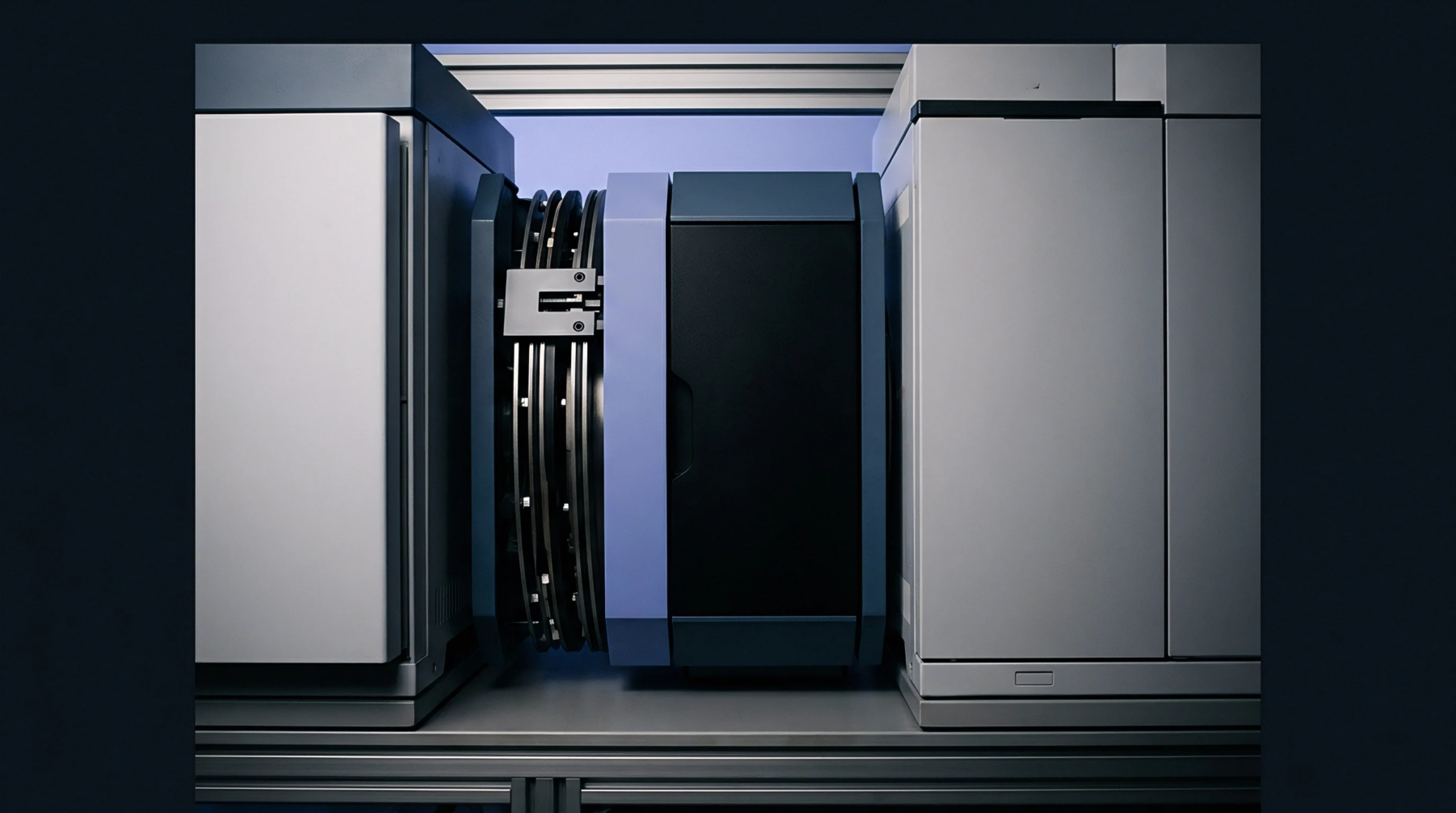
Balance high-cavitation valve-gated manifolds by calculating viscous shear heating against conductive steel losses to equalize cavity fill across cycles.

Optimizing melt channel bifurcations with melt rotation geometry and stepped hydraulic diameters eliminates shear-induced viscosity gradients across cavities.
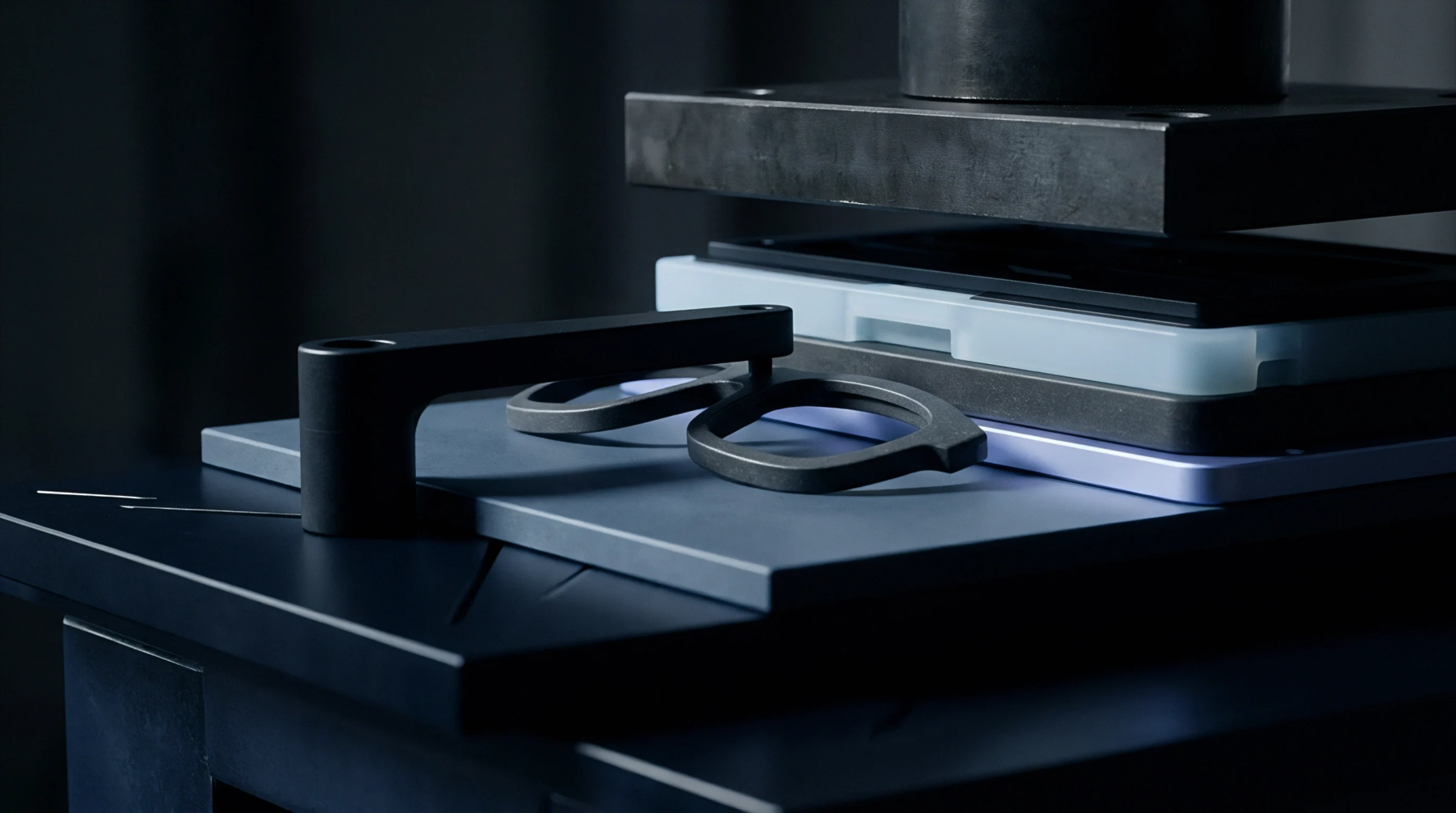
Cross-border tooling recovery demands perfected local security filings, riveted title plaques, and senior lender lien waivers before tool relocation.

Naturally balanced manifolds require symmetrical 3D runner geometry, smooth transitions, and uniform thermal zones to ensure identical cavity filling.

Perfection of cross-border offsite tooling requires local statutory registry filings, bilingual plates, bailment contracts, and customs documentation.

Enforceable injection tooling bailment combines clear contract title and UCC filings with permanent steel asset plaques and tamper-proof cycle monitors.

Dynamic acoustic calibration across multi-plant ultrasonic lines requires matched stack interface preloads, impedance mapping, and active face deflection control.

Cross-site gauge reproducibility requires kinematic 3-2-1 nests with matched thermal expansion to keep measurement variation under ten percent of tolerance.
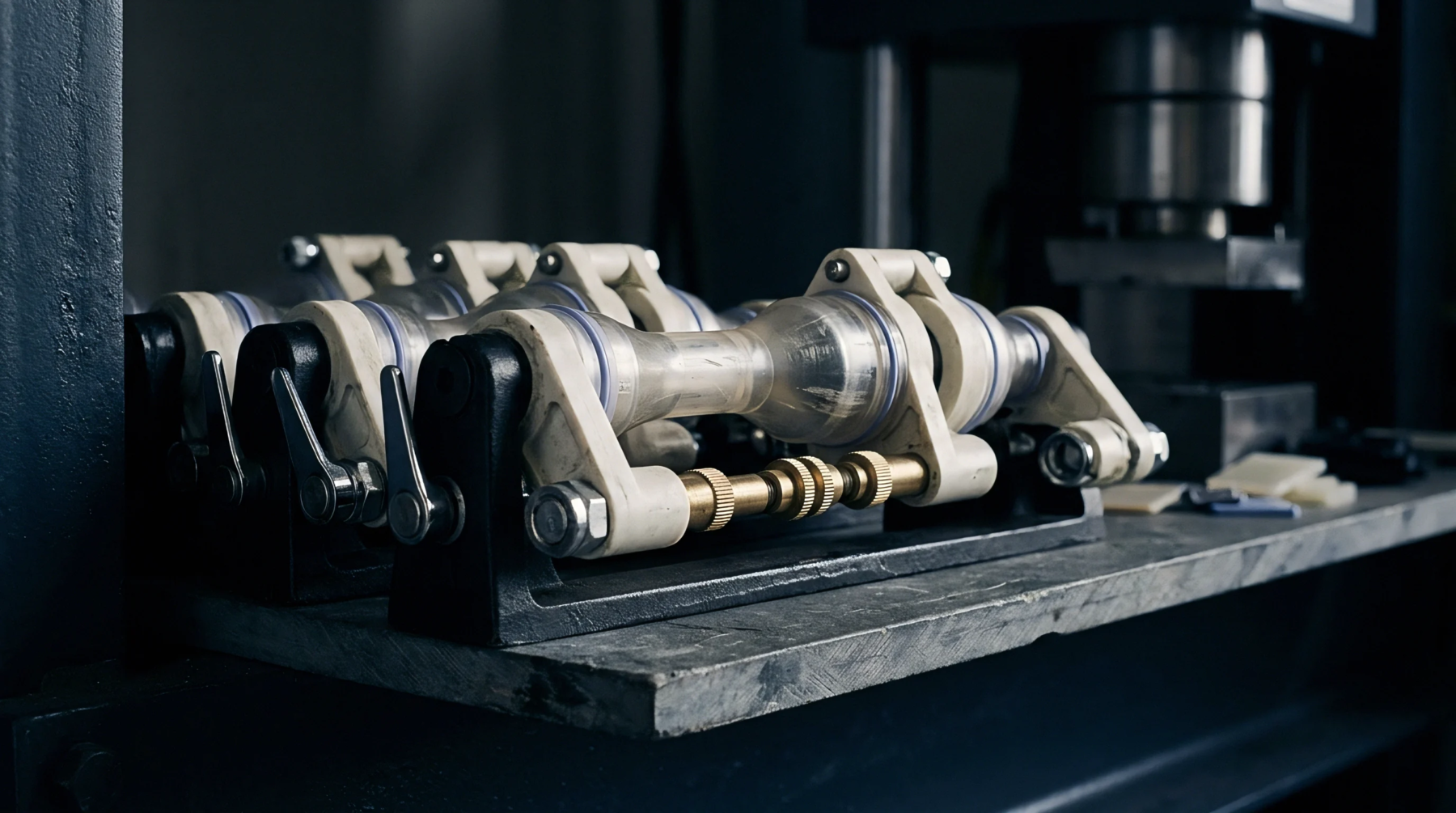
Exact kinematic registration eliminates secondary fixture over-constraint, preventing plastic part warping and maximizing acoustic energy transfer at weld joints.
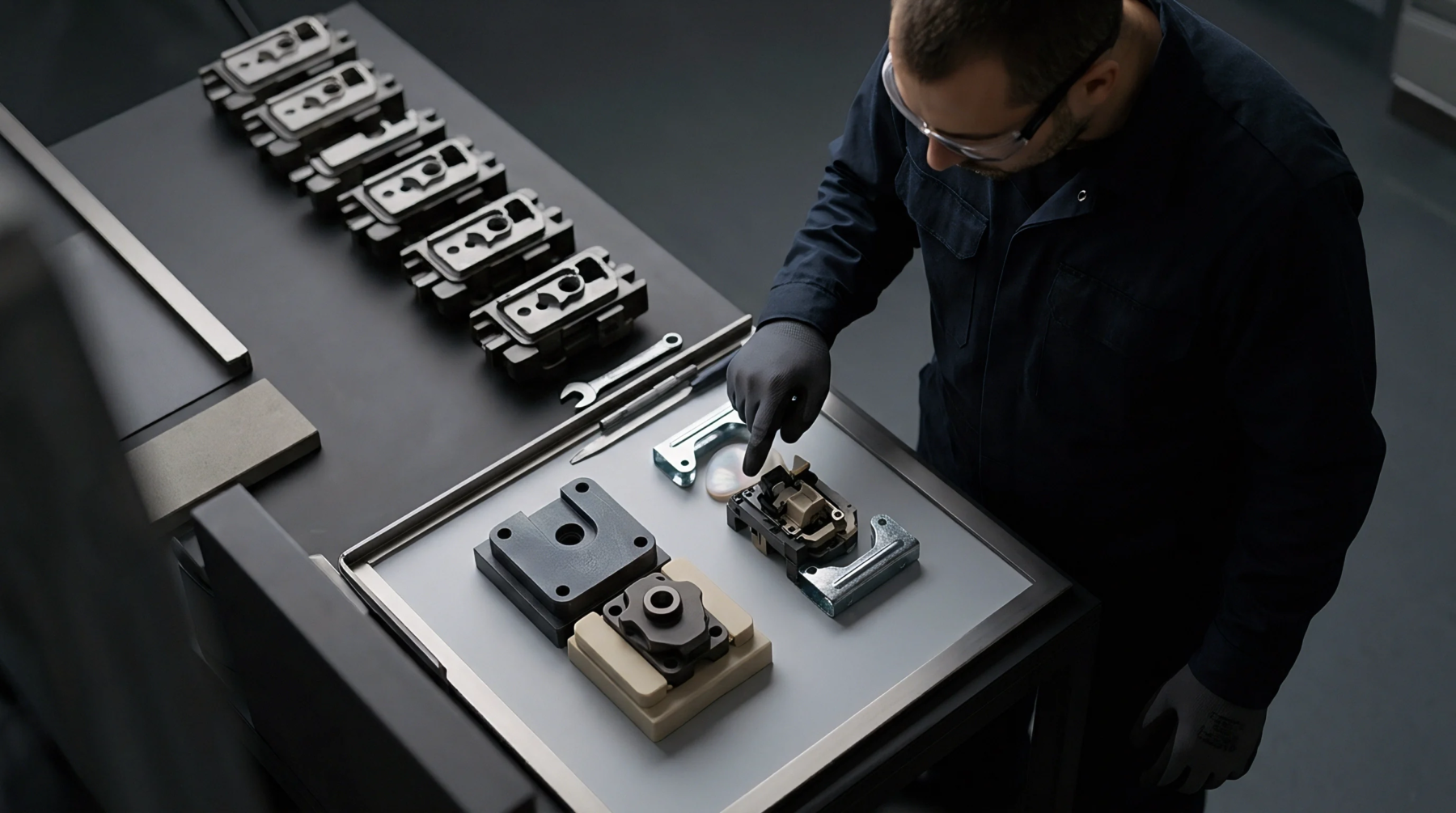
Predicting warpage in semicrystalline inserts requires coupling transient thermal FEA with crystallization kinetics to balance core-cavity heat flux.

Turbulent flow inside conformal cooling circuits requires managing additive channel roughness and diameter to prevent pump choking and inflated cycle times.
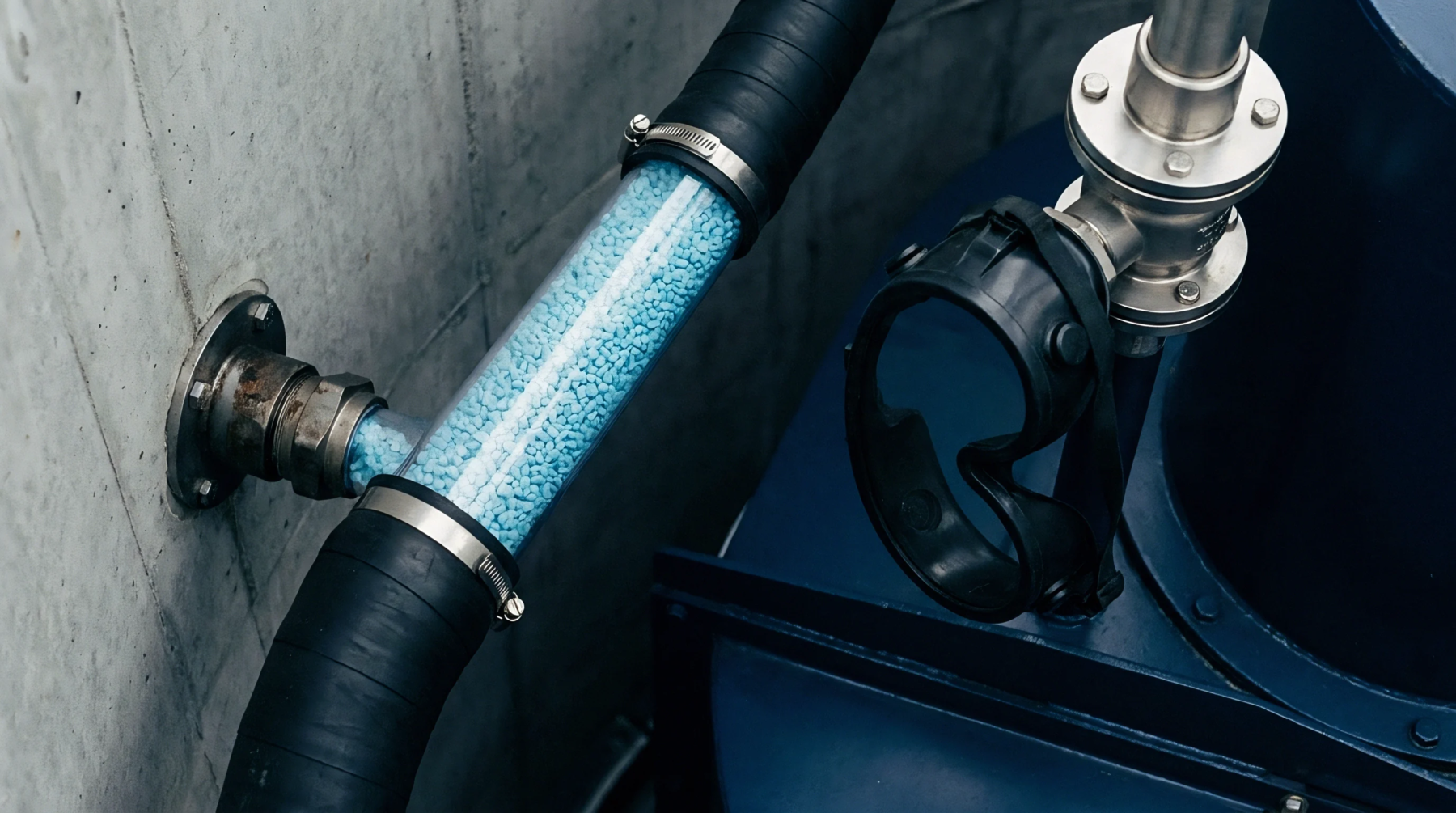
Transient cooling calculations govern injection mold cycle times, where resin thermal diffusivity and steel channel turbulence dictate part yield and warpage.

Dynamic process window drift in high cavitation tooling is verified through cavity-stratified telemetry and contractual pressure integral bounds.
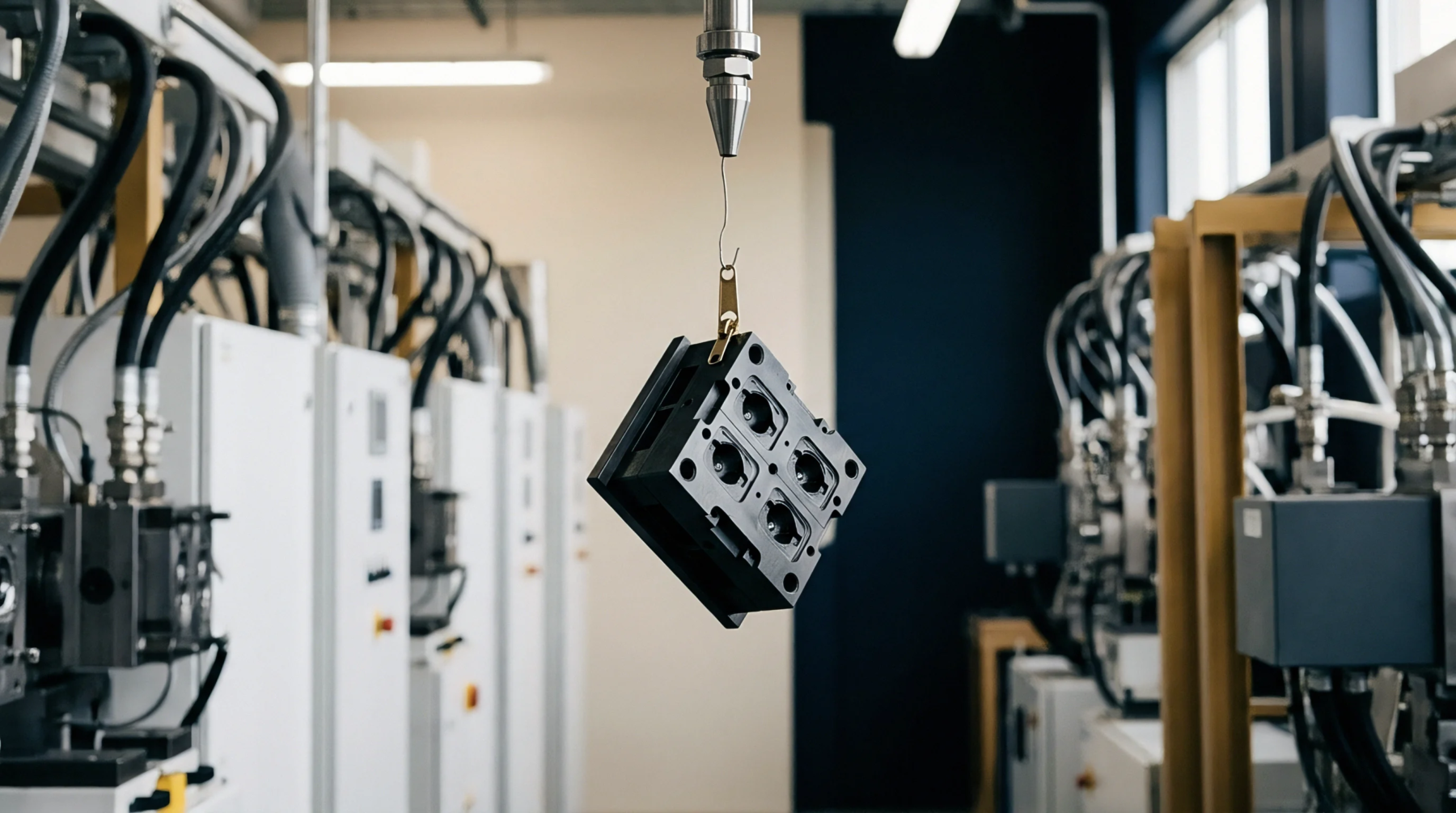
Calculate mold cavity dimensions using ISO 294-4 divisor formulas biased toward steel-safe limits to absorb material shrinkage variance before machining.

Tolerance grade allocations require matching polymer shrink variance and parting line mechanics to DIN 16742 standard capability limits early.
Coupling real-time core preform infrared profiling with non-isothermal simulation maps true through-thickness temperatures to eliminate blow moulding wall defects.
Optimal stretch blow moulding demands exact pre-blow timing synchronization to control strain hardening and achieve uniform container wall thickness.
Coupled viscoplastic modeling of back-stress hardening and adiabatic softening allows thin-wall tooling optimization that cuts cycle times and capital spend.

Deterministic FPGA processing of piezoelectric cavity telemetry converts micro-moulding melt front arrivals into sub-millisecond switchover execution.

Predictive state observers compensate fieldbus latency in thin-wall tooling, shifting pressure switchover before delayed packets cause cavity flash.
Closed-loop cavity pressure control stabilizes micro-injection molding by compensating for viscosity shifts and holding part dimensions within micron tolerances.

Deterministic TDMA wireless telemetry across multi-cavity tooling eliminates fragile wiring harnesses while preserving sub-millisecond pressure curve tracking.
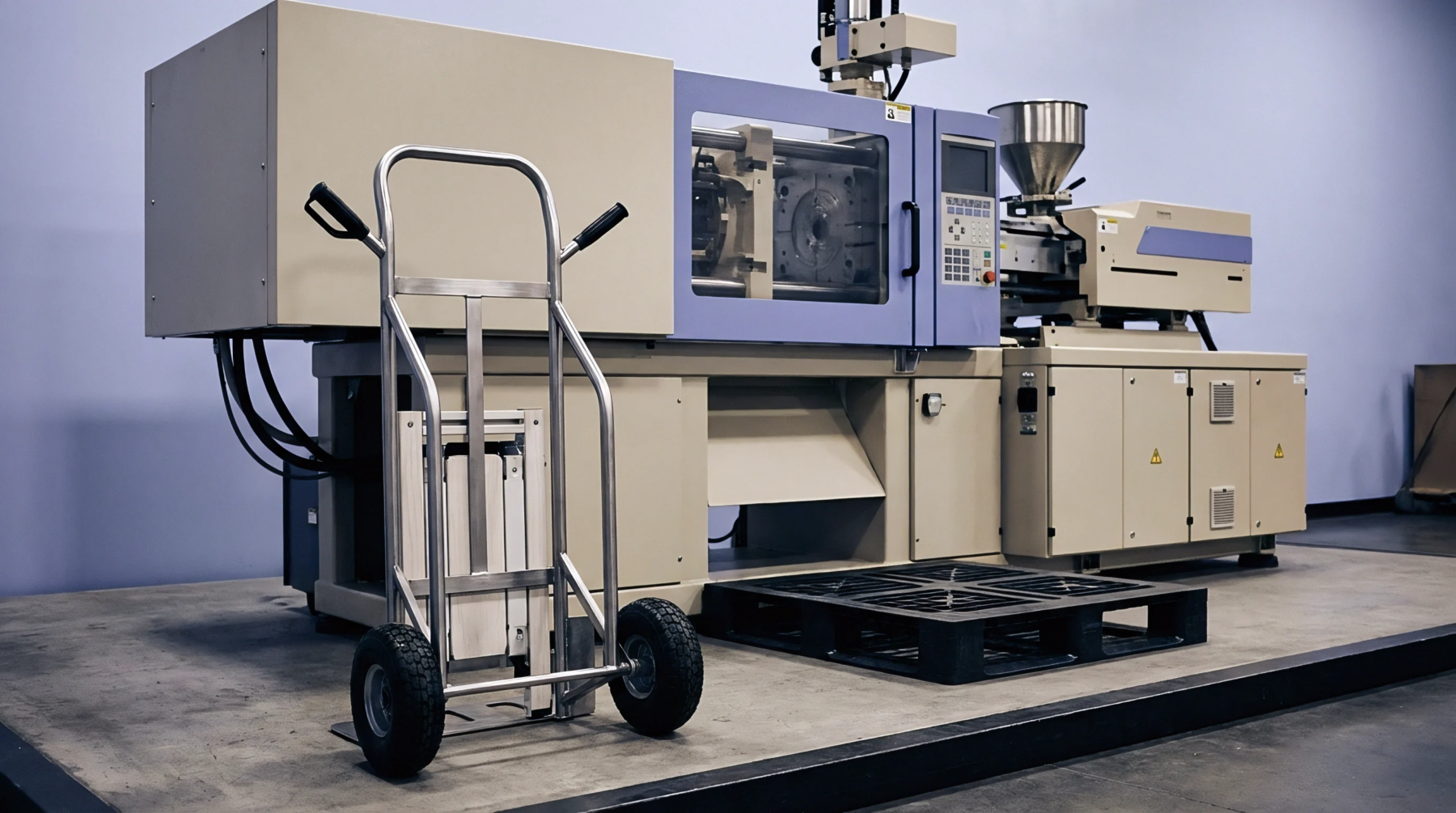
Coupling cavity pressure telemetry directly to machine velocity switchover eliminates part weight variance caused by melt viscosity shifts across production runs.

Machining sensor bores to strict concentricity tolerances and establishing direct picoCoulomb calibration scales cavity pressure for closed-loop process control.
Expertise is a utility, not a secret. sentiention™ publishes its working knowledge as open reference: intelligence layer covering the materials it sources, the markets it enters, and the reference that serves both.