Meaning
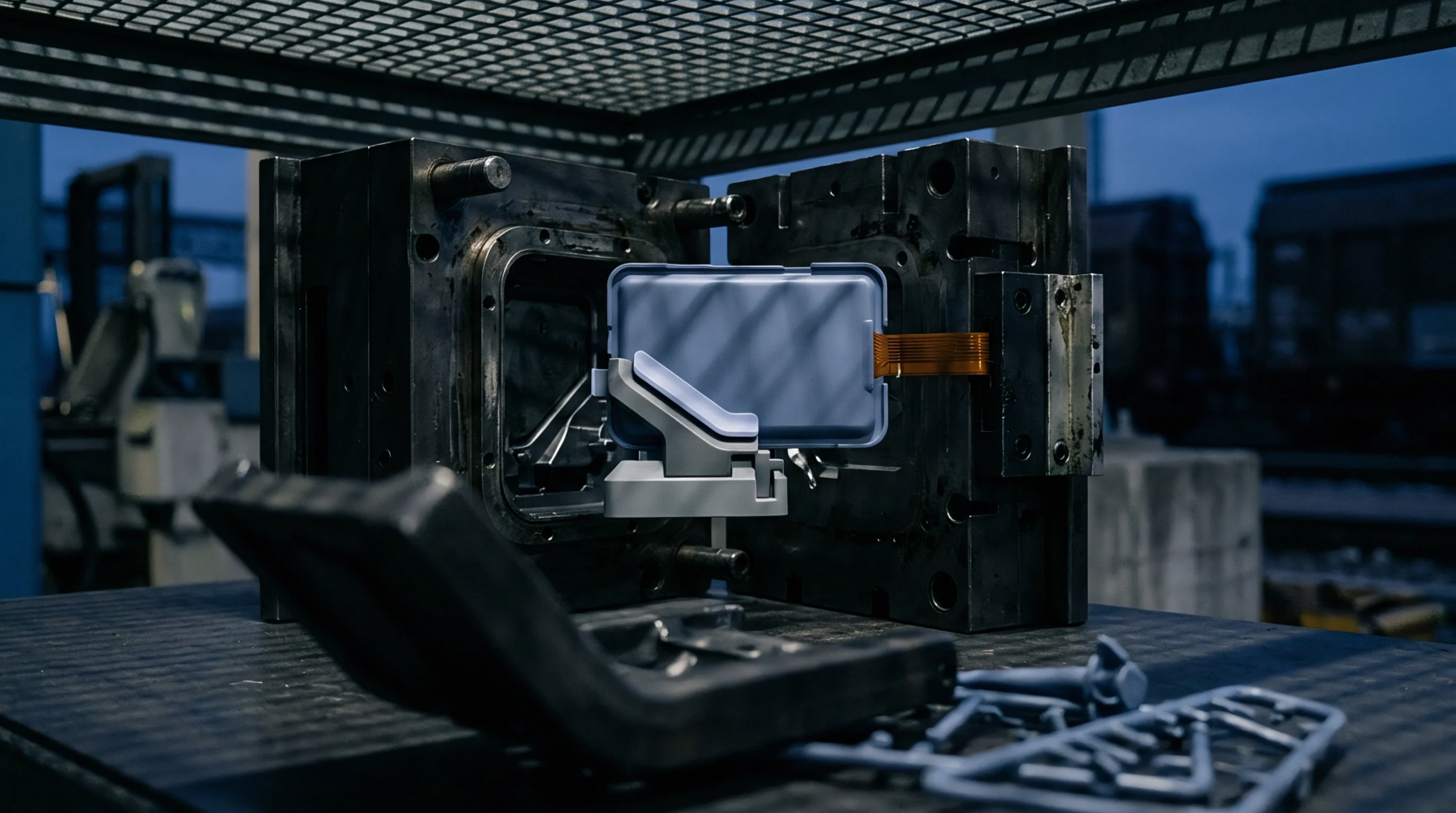
Machining strategy for injection molds where critical part dimensions are deliberately cut with less steel removed than the nominal design requires provides a margin of safety for subsequent adjustments. This steel-safe tooling approach ensures that any corrections to the part dimensions can be achieved by removing more metal from the mould rather than adding it. The strategy is restricted to dimensions that correspond to the internal cavity surfaces, as external features cannot be adjusted using this technique.
Tooling Modification
Correcting a dimension by milling, turning, or grinding steel is a straightforward and precise subtractive process that can be performed with high accuracy on standard CNC machinery. In contrast, adding steel to an existing tool requires welding or complex EDM inserts, which is expensive, time-consuming, and can compromise the mechanical integrity of the mould surface. By leaving the initial cavity slightly smaller or the core slightly larger, the toolmaker can test the mould, measure the first moulded parts, and then machine the steel to achieve the exact target dimensions without risk of ruining the tool.
Economic Benefit
Implementation of this strategy reduces the financial risk of mold manufacturing by avoiding costly weld repairs and tool remakes. The process of modifying a tool by removing steel is much faster, which helps keep the production timeline on schedule. This approach is particularly valuable when working with new or highly filled resin formulations that have unpredictable shrinkage behavior.
Design Practice
Product designers and toolmakers collaborate during the design review to identify which dimensions must be designated for this machining strategy. Tolerances on mating surfaces and snap-fits are the primary candidates for this protection. This practice allows the team to account for the difference between the theoretical shrink rate on the datasheet and the real-world shrinkage of the resin in the production environment.