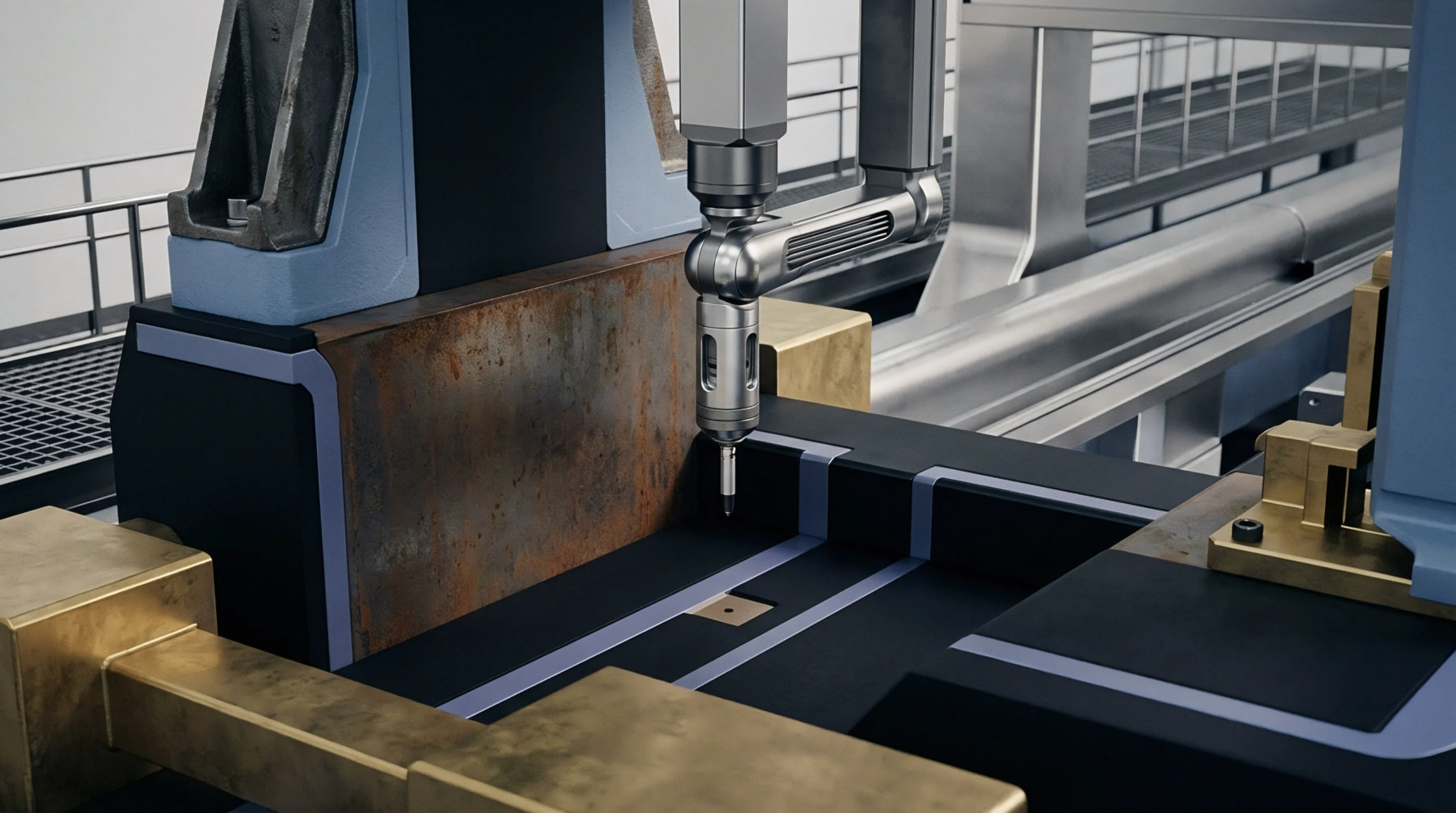
Tool Steel Waveguide RF Transmission Loss Mitigation Strategies
Mitigating RF loss in tool steel waveguides requires multi-layer copper plating exceeding three skin depths over sub-micron ground or electroformed split-block cavity inserts.
Mitigating RF loss in tool steel waveguides requires multi-layer copper plating exceeding three skin depths over sub-micron ground or electroformed split-block cavity inserts.
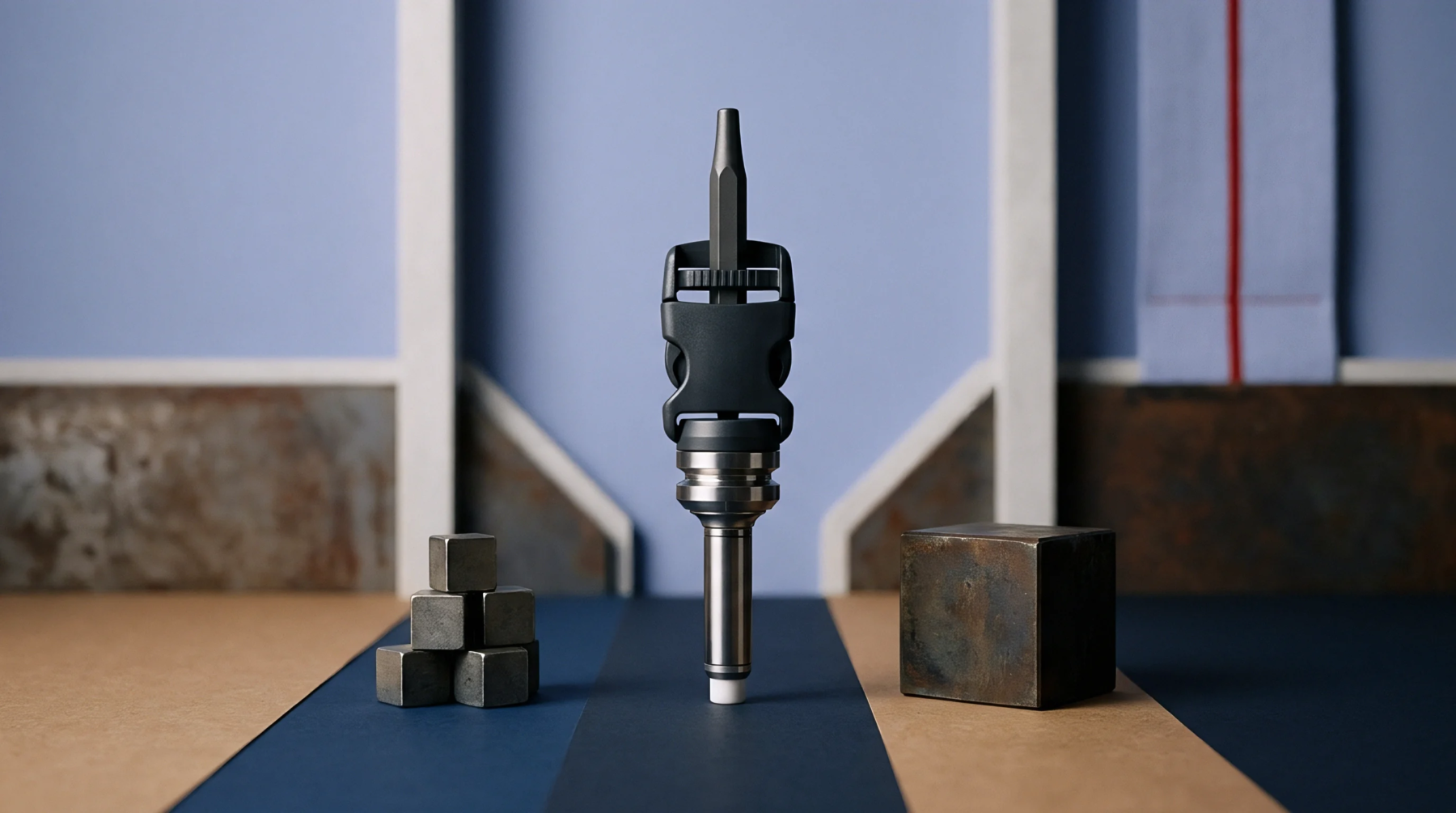
Non-uniform tool steel thermal expansion creates spatial cavity temperature deltas that drive measurable dimensional drift across multi-cavity molds.
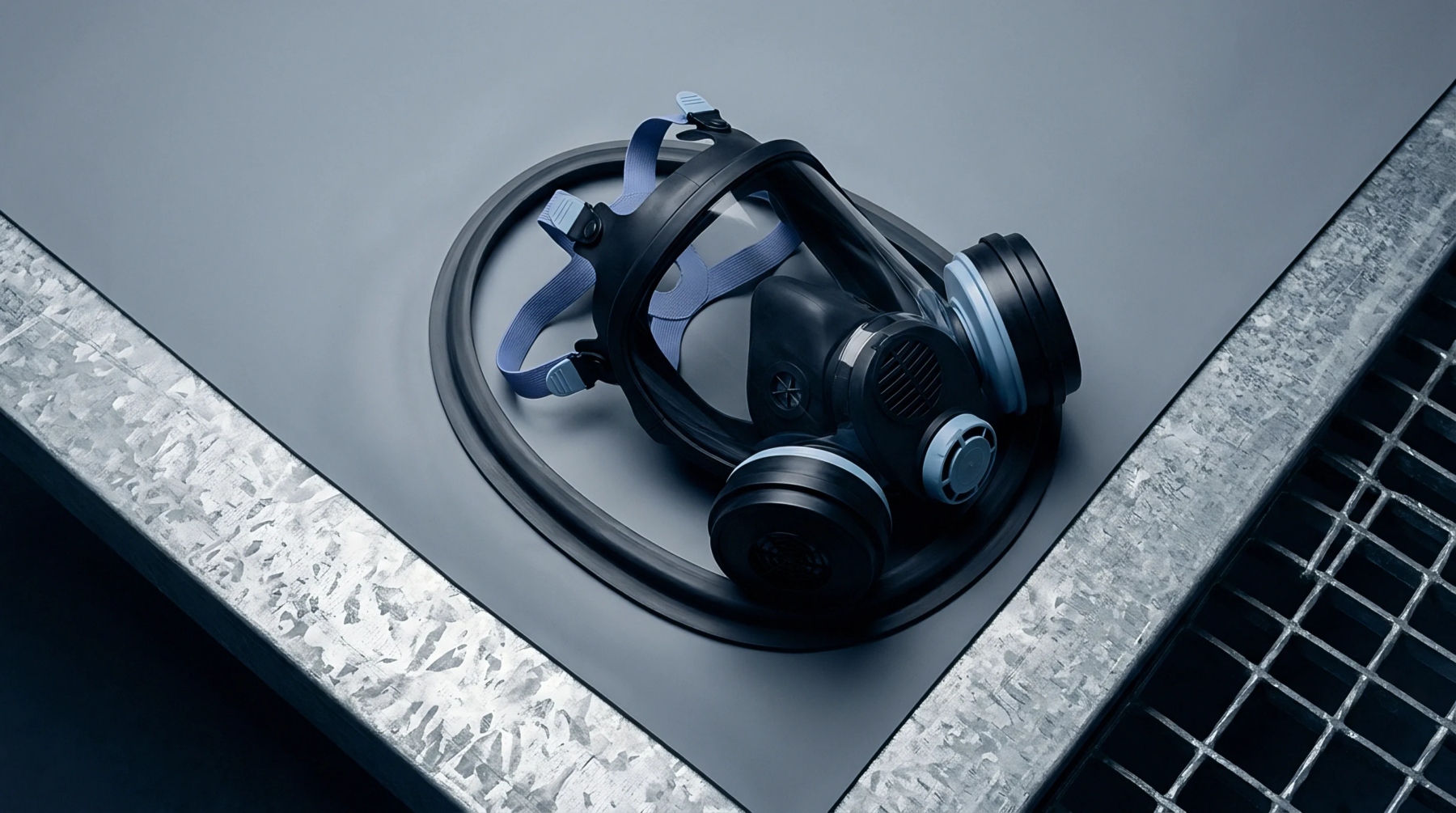
Press-side verification requires dynamic fill balance testing, telemetry pressure mapping, and individual cavity Cpk qualification before tool release.
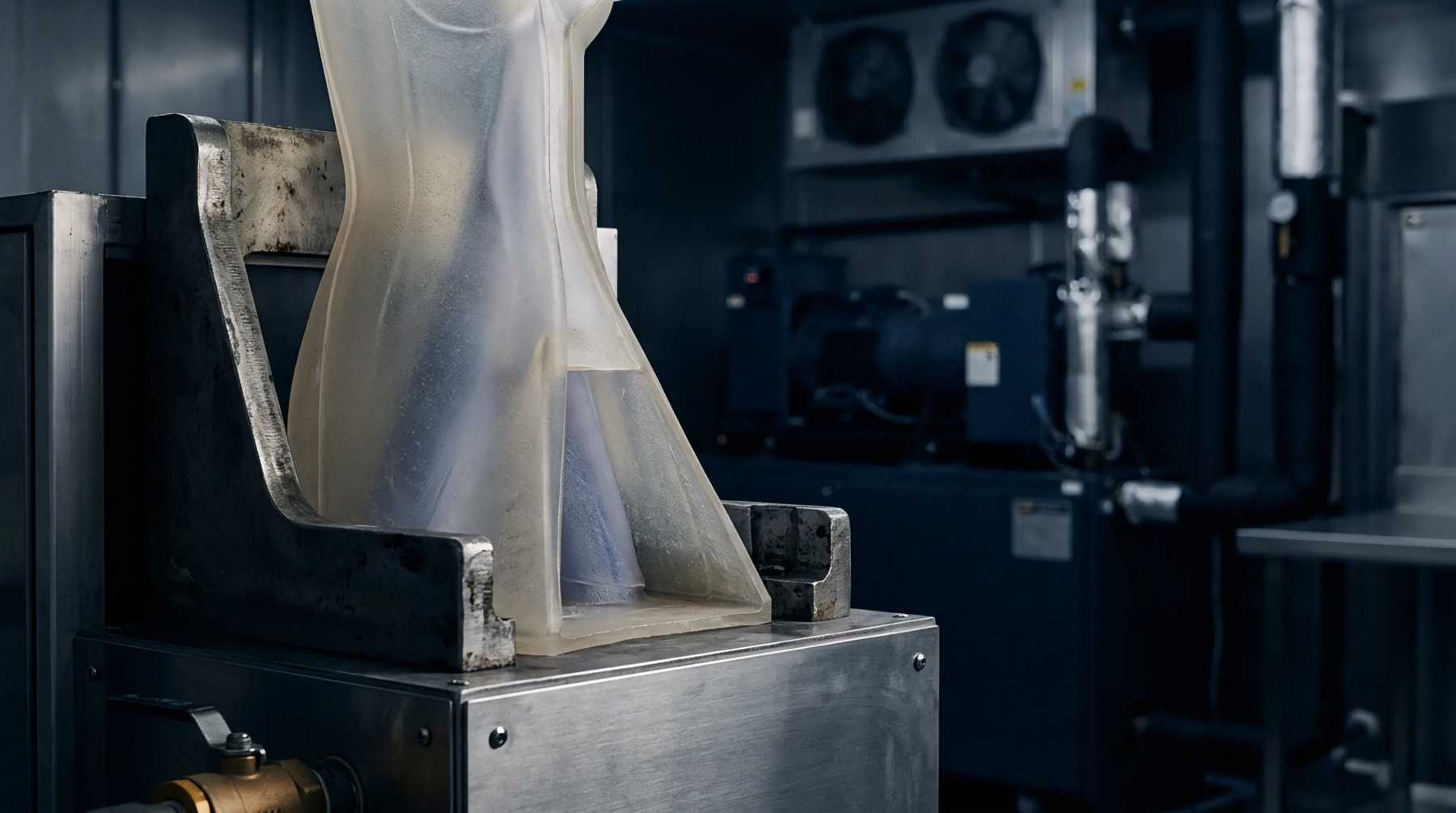
Determining cavitation count and cycle time requires balancing thermal cooling physics against clamping limits, runner shear, and capital amortisation curves.
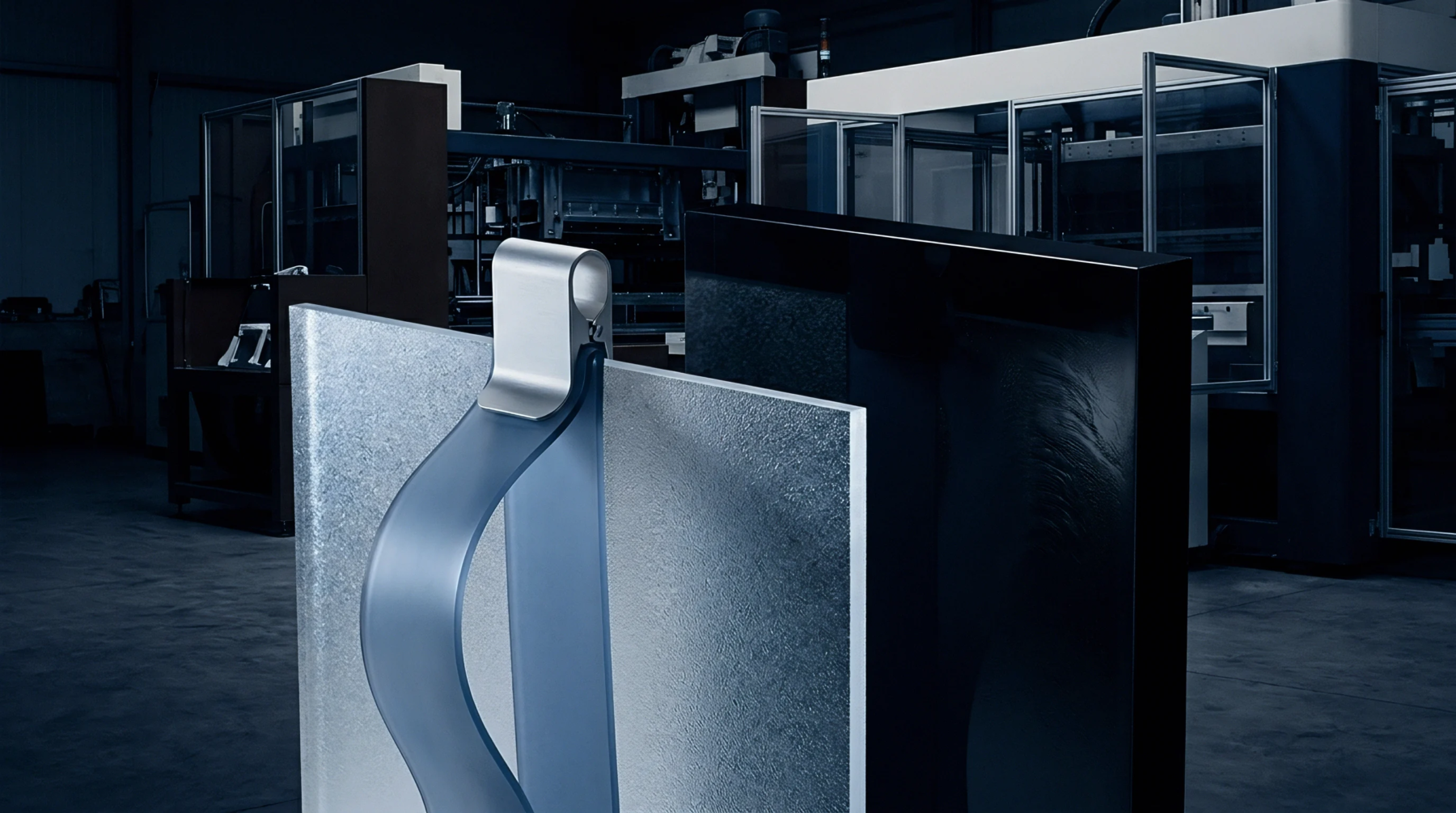
Position reference targets on flexible plastic parts at high-stiffness rib intersections using explicit 3-2-1 restraint forces to eliminate gravity sag and inspection disputes.
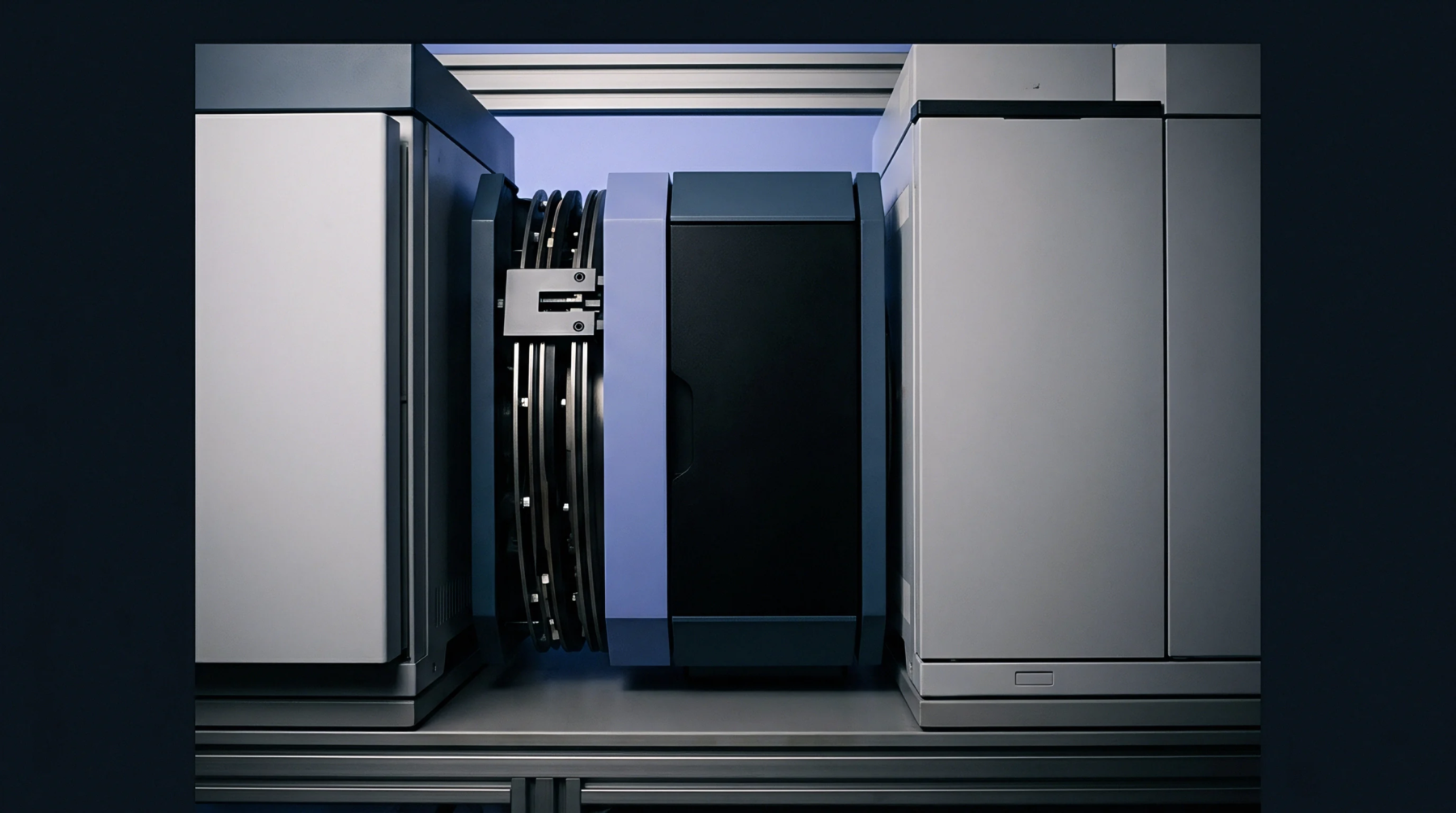
Altering tool steel to eliminate heavy wall sections cuts cycle time and unit cost far more reliably than forcing process windows past physical thermal limits.

Verify cross-border tooling ownership using deep steel engraving and bailment filings, amortizing secondary CNC capital via contractually guaranteed unit schedules.
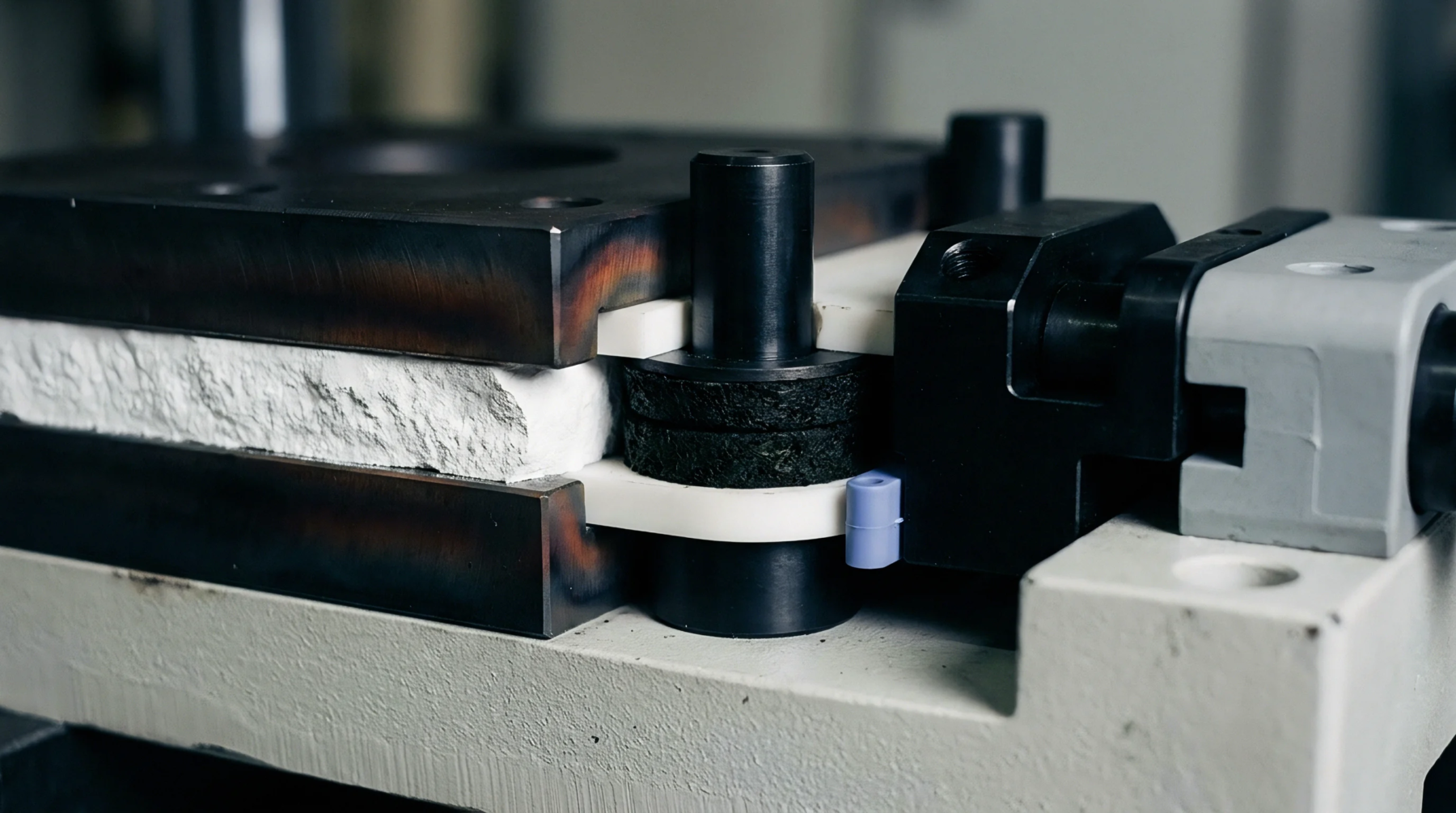
Cavity telemetry degrades in PEEK moulds as 200°C heat collapses sensor insulation resistance, demanding gallium phosphate crystals and cooled preamplifiers.
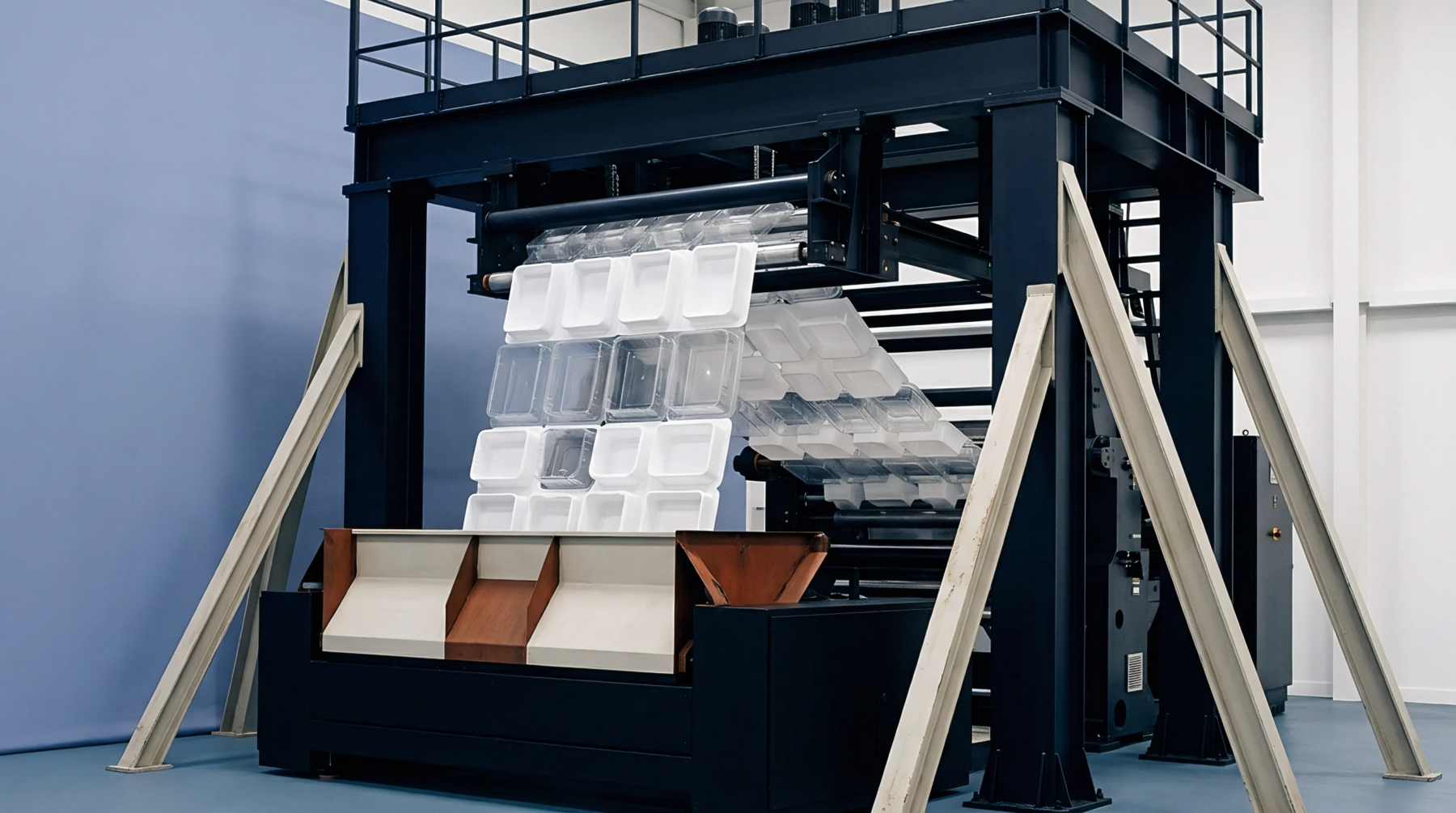
Extracting offshore tooling during plant insolvency requires perfected bailment paperwork, deep steel serialization markings, and immediate bankruptcy court bond filings.

Quantifying non-isothermal entanglement slip rates prevents localized wall thinning and thermal rupture during rapid plug assisted thermoforming pre stretch.

Biaxial stretch testing above glass transition yields multiaxial strain hardening data essential for accurate finite element wall thickness prediction in amorphous polymer thermoforming.
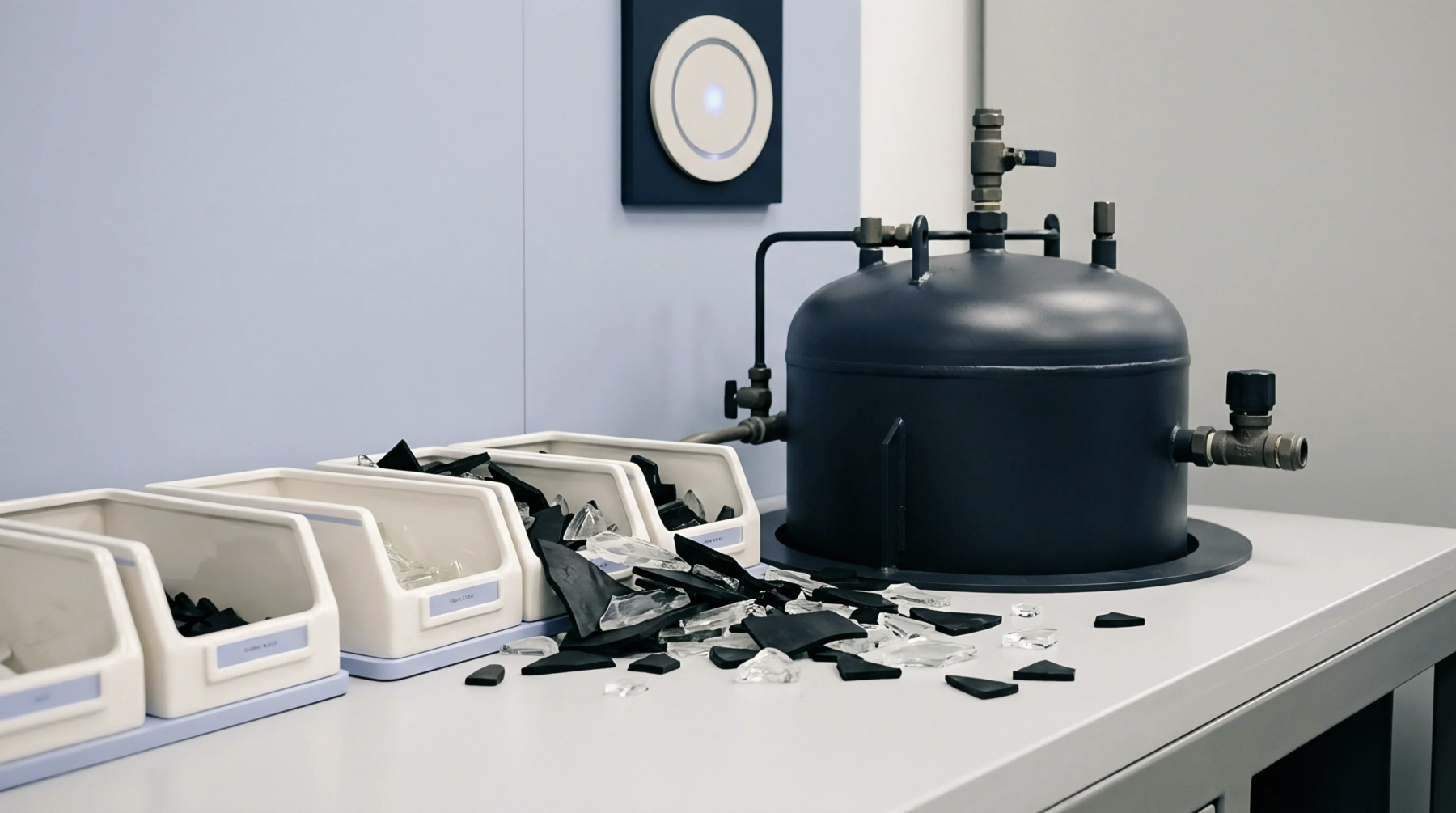
Elevating cavity packing pressure suppresses spherulite growth radius and reduces transverse matrix contraction in polyamides, holding DIN 16742 TG4 tolerances.
Real-time digital thermal drift compensation combined with diamond-like carbon coated pins eliminates signal hysteresis in sub-millimetre cavity sensors.
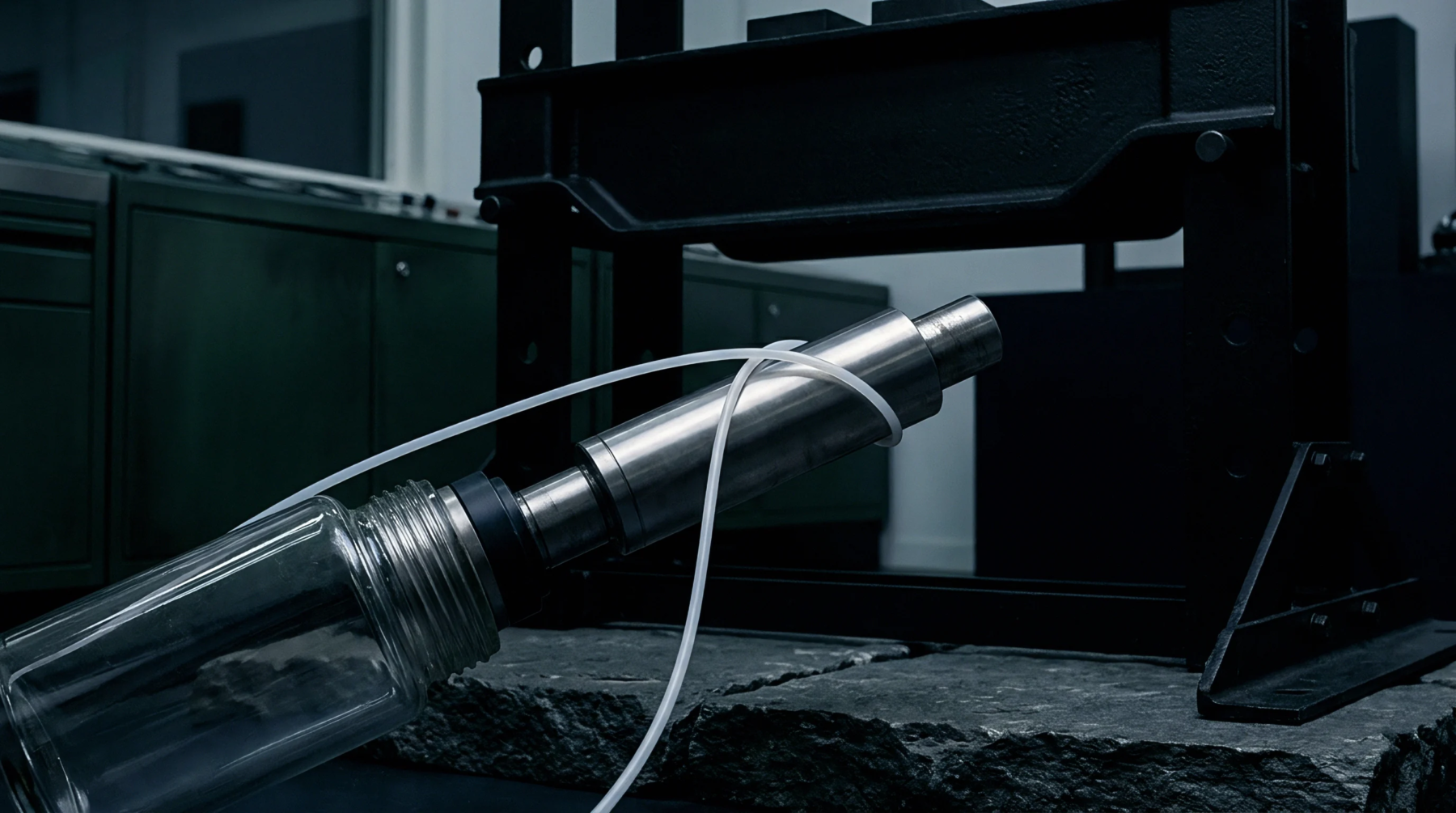
Real-time closed-loop cavity pressure telemetry stabilizes part weight and cuts cycle times by dynamically controlling switchover and valve timing.
Decoupled injection moulding decouples volumetric filling velocity from packing pressure to achieve tight tolerances and repeatable technical part production.

Indirect optical profilometry on elastomeric cavity replicas yields sub-micron texture data while eliminating tool teardown and optical access limits.

Calculate multi cavity parting line preload by balancing machine clamp force against internal hydraulic separation force to maintain positive shut-off land sealing stress.
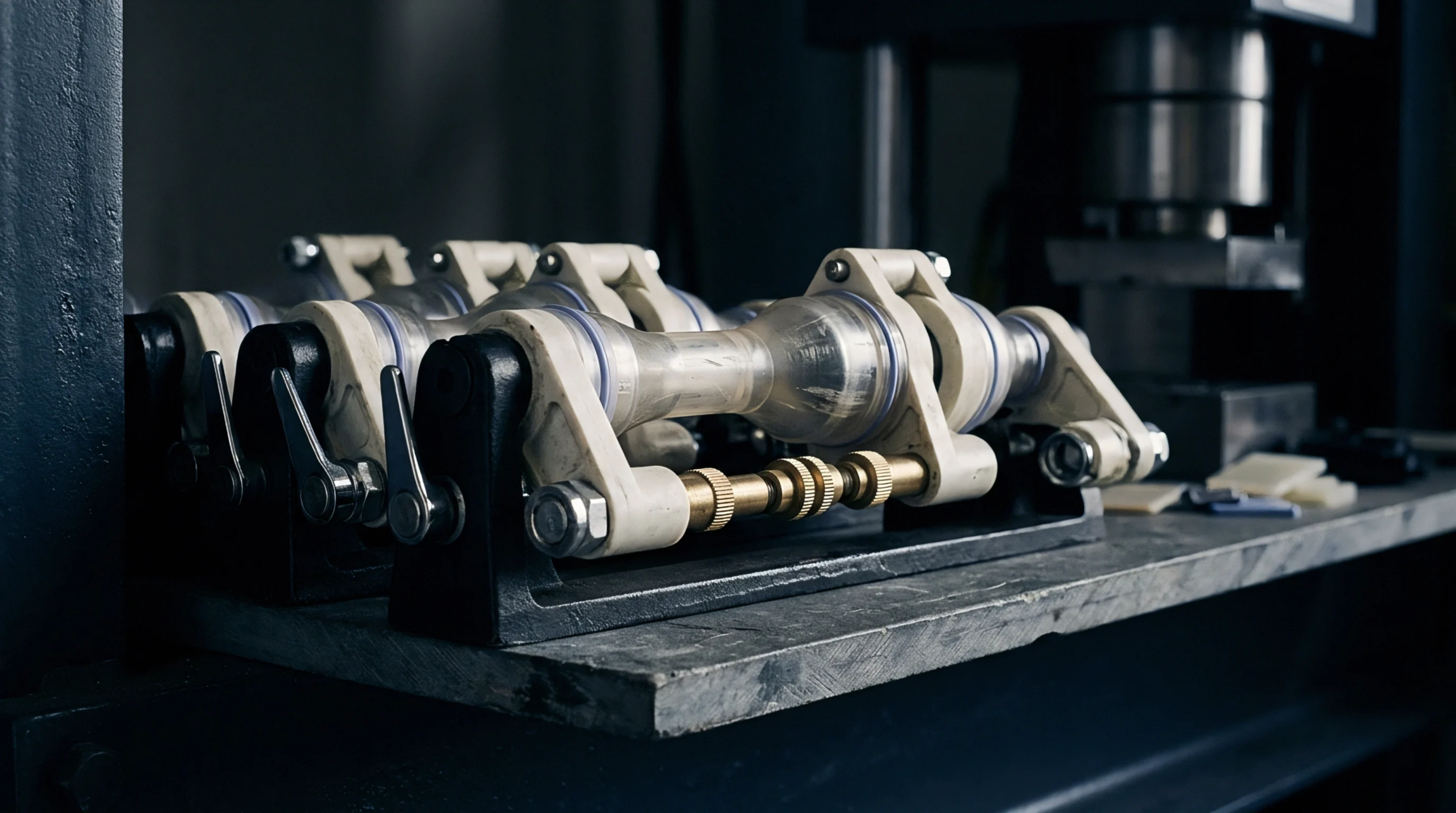
Textured mold cavity thermal resistance stems from trapped micro-air gaps, reducing interfacial heat transfer coefficients down to 800 W/m²K and extending cooling cycle duration.

Real-time mold cavity pressure telemetry triggers automated mechanical part rejection, ensuring sub-gram defective melt profiles never enter production inventory.
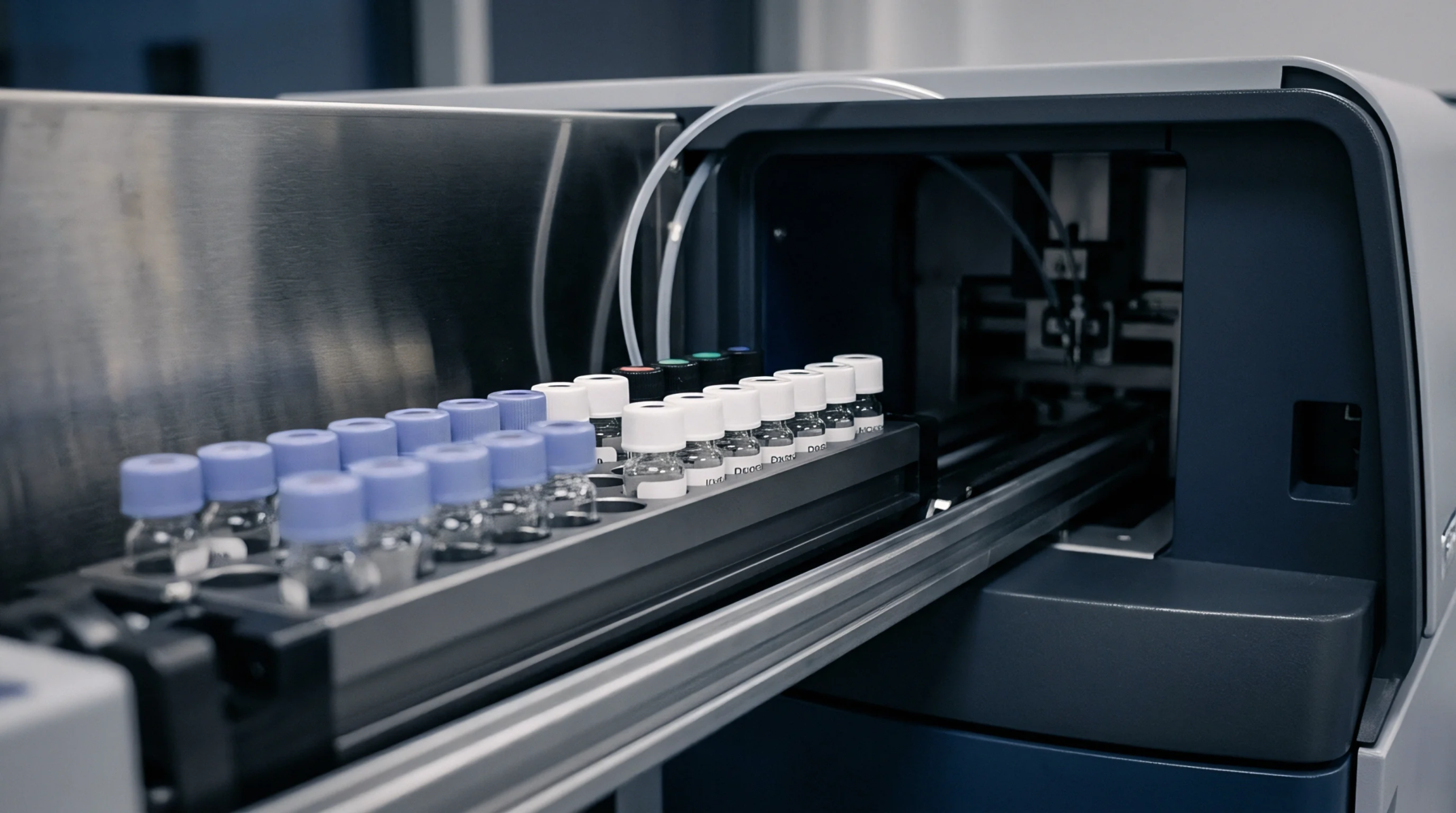
Managing tool steel modifications during qualification requires steel-safe initial tolerances, controlled additive or subtractive machining, and CAD-matched logging.

Offshore tooling recovery succeeds when physical asset marking and title documentation override local possessory press liens during factory insolvency.

Cross-border tooling recovery requires pre-registered local bailment titles, forensic pre-extraction audits, strict customs documentation, and immediate duplicate tooling calculations.

Biaxial strain hardening metrics dictate wall thickness uniformity in high draw thermoforming; matching plug dynamics to material hardening prevents blowout.

Cavity pressure directly controls polyamide crystallization and volumetric shrink, requiring precise transducer monitoring to hold DIN 16742 tolerances.
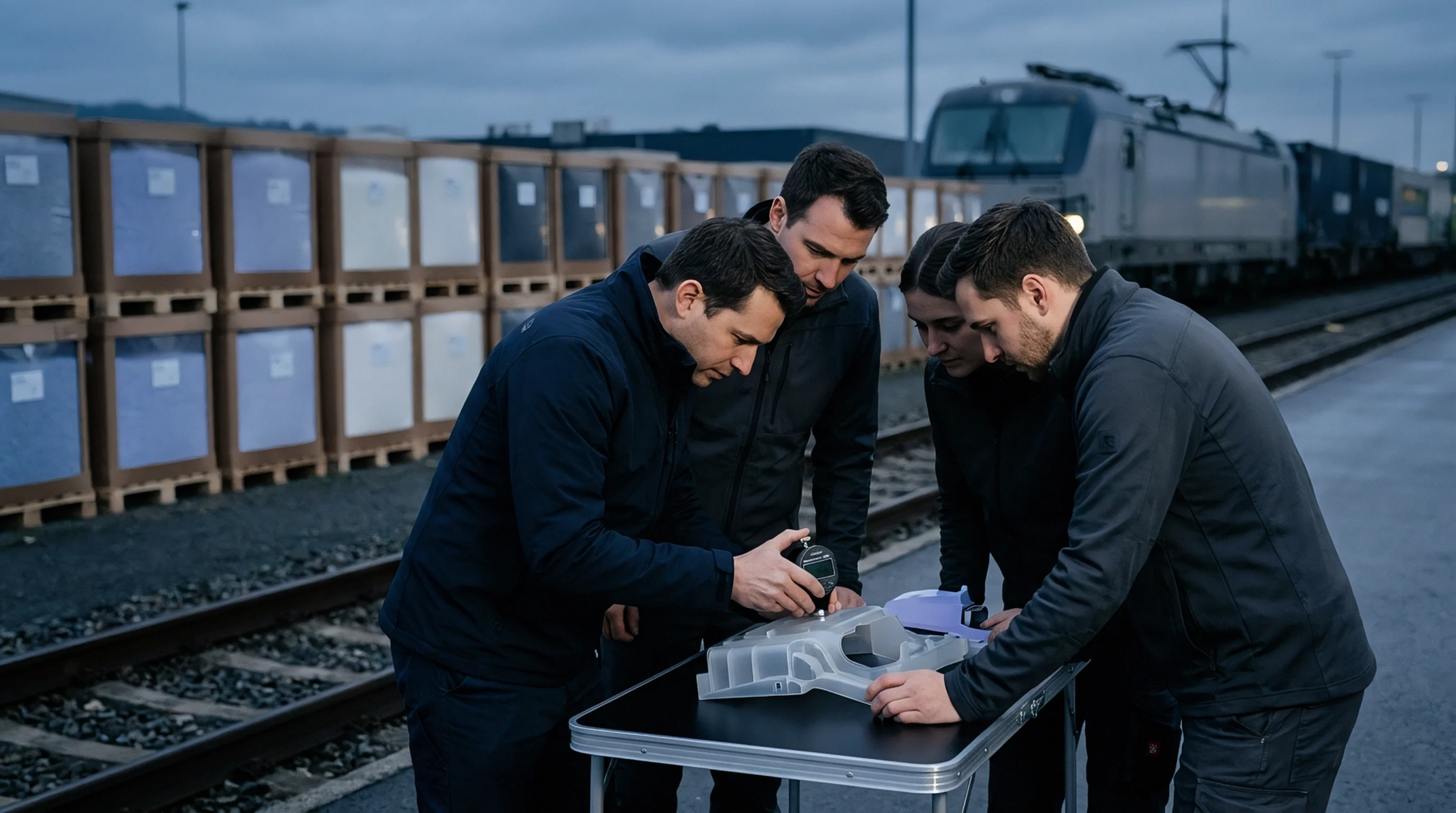
Areal surface metrology in micro-cavities requires non-contact optical instruments with matched bandwidth filters to verify steel texture and polymer replication.
Precision thermal pitch compensation and strict alloy CTE matching eliminate alignment failures and shut-off land galling in high cavitation micro tooling.

Verify hardened steel tool cavity topography using ISO 25178 areal parameters and filtered coherence scanning interferometry to guarantee polymer part release.

Active thermal balancing and micro-actuated cavity cores prevent sub-micron dimensional drift in high-cavitation resonator micro-tooling.
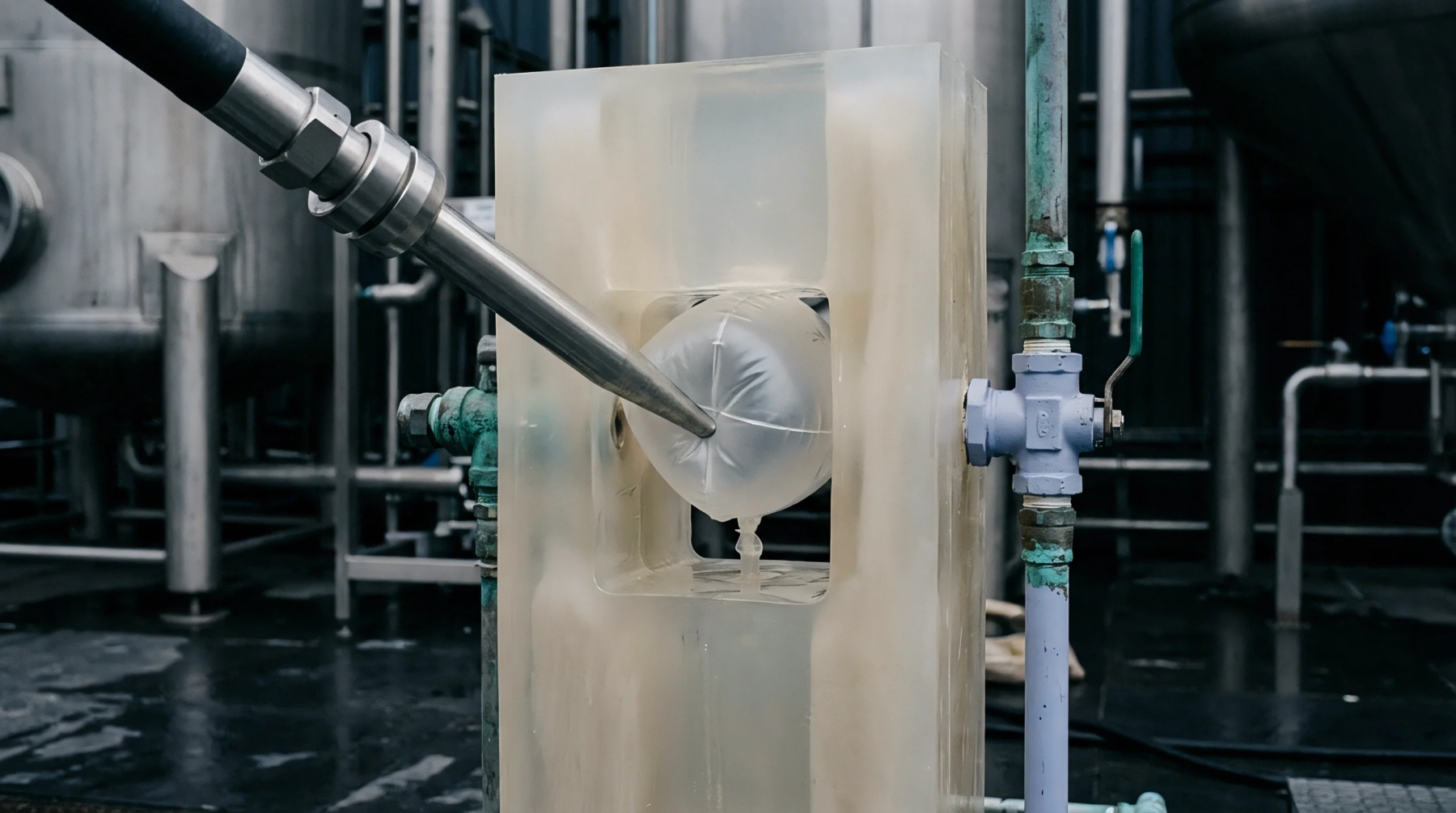
Sub-millimetre cavity pressure sensor placement requires sub-two-micron pin clearances and end-of-fill installation to decouple micro-melt viscosity from V/P switchover.

ISO 25178 areal optical profilometry replaces subjective 2D stylus traces with quantitative 3D parameters that accurately govern tool wear and part demoulding.
Expertise is a utility, not a secret. sentiention™ publishes its working knowledge as open reference: intelligence layer covering the materials it sources, the markets it enters, and the reference that serves both.