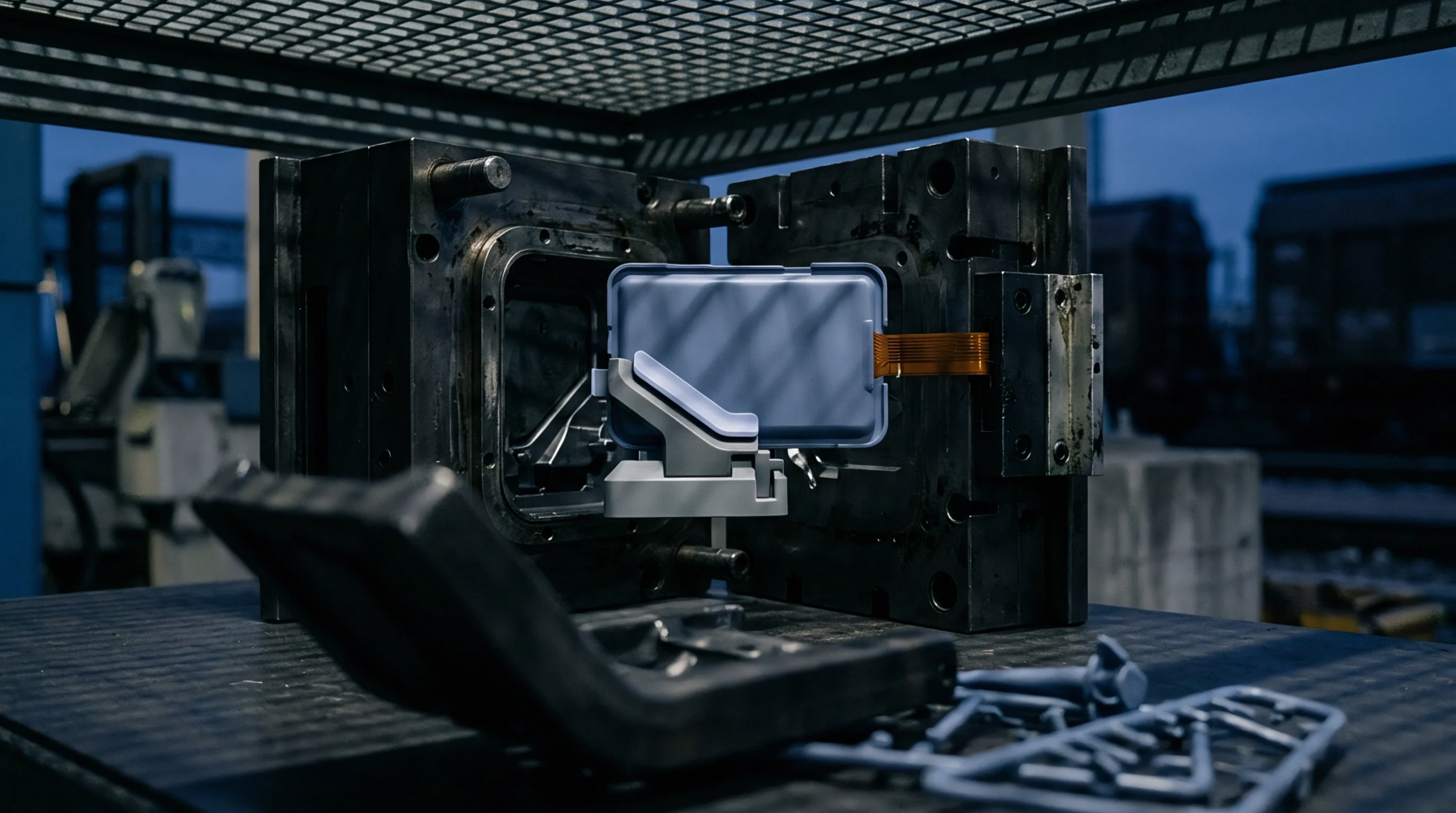
Controlling Anisotropic Shrinkage in Reinforced Polyamide Injection Moulding
Controlling anisotropic shrinkage in reinforced polyamides requires directional shrinkage tool scaling, steel-safe cavity design, and optimized hold pressure profiles.
Controlling anisotropic shrinkage in reinforced polyamides requires directional shrinkage tool scaling, steel-safe cavity design, and optimized hold pressure profiles.
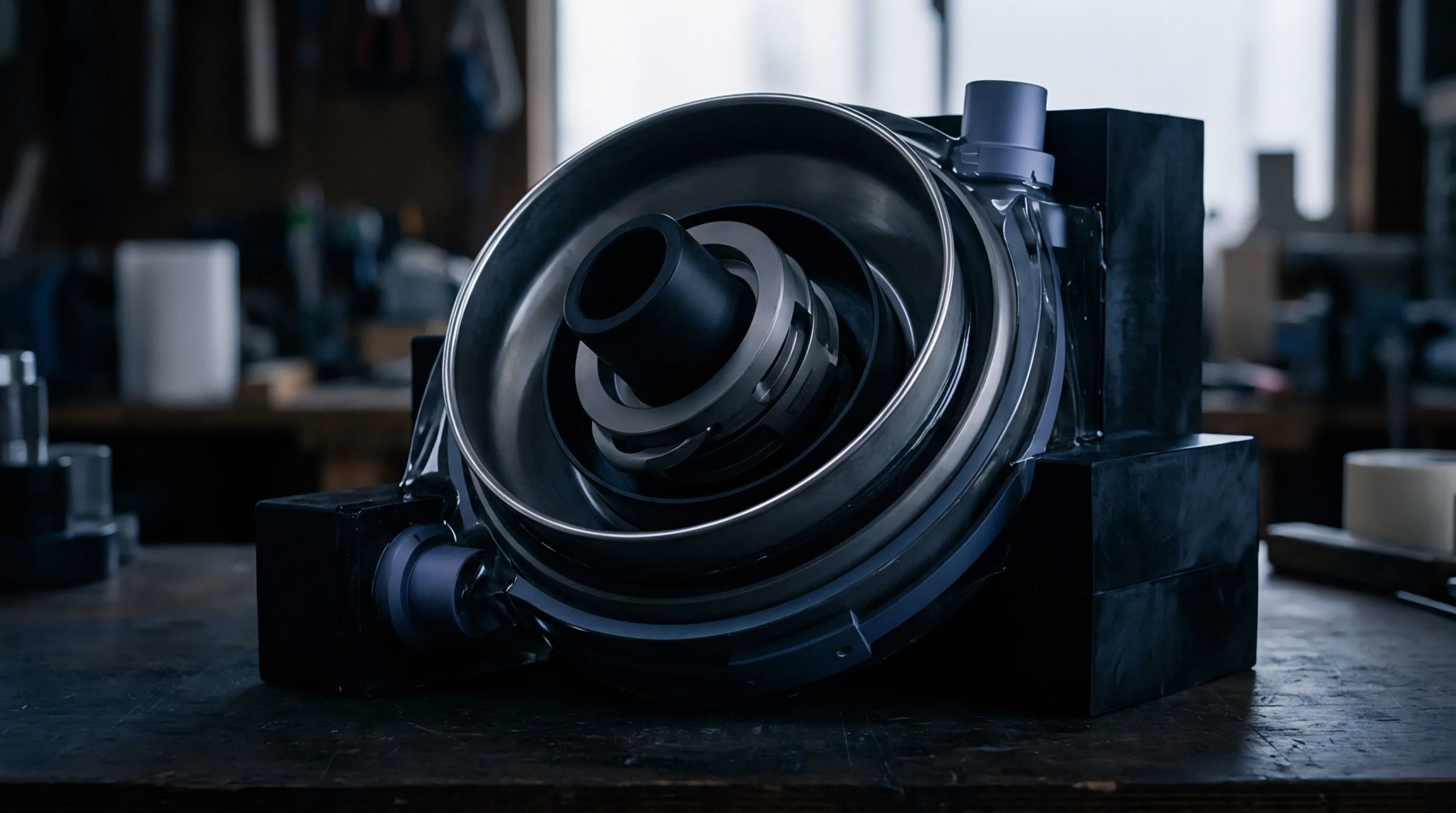
Predictive cavity pressure modeling maps dynamic PVT shrinkage variations directly to localized steel scale offsets, preventing scrap in high cavitation tools.

Decoupled III cavity pressure control mitigates glass-filled polyamide warpage by dynamically managing switchover and packing to equalize differential shrinkage.
Elevating peak cavity pressure compresses unreinforced polyamide melt, suppressing specific volume and reducing post-moulding linear shrinkage rates.

Glancing angle coherence gate distortion on steep steel sidewalls requires correcting geometric pupil shearing and metallic Fresnel phase shifts to verify cavities.
Aligning side-viewing optical probes on vertical steel sidewalls requires tip-tilt control within 0.05 degrees to preserve coherence fringe visibility.

Optical coherence measurement uses broad-bandwidth infrared interference to capture deep cavity topographies without mechanical probe contact or lens clipping.
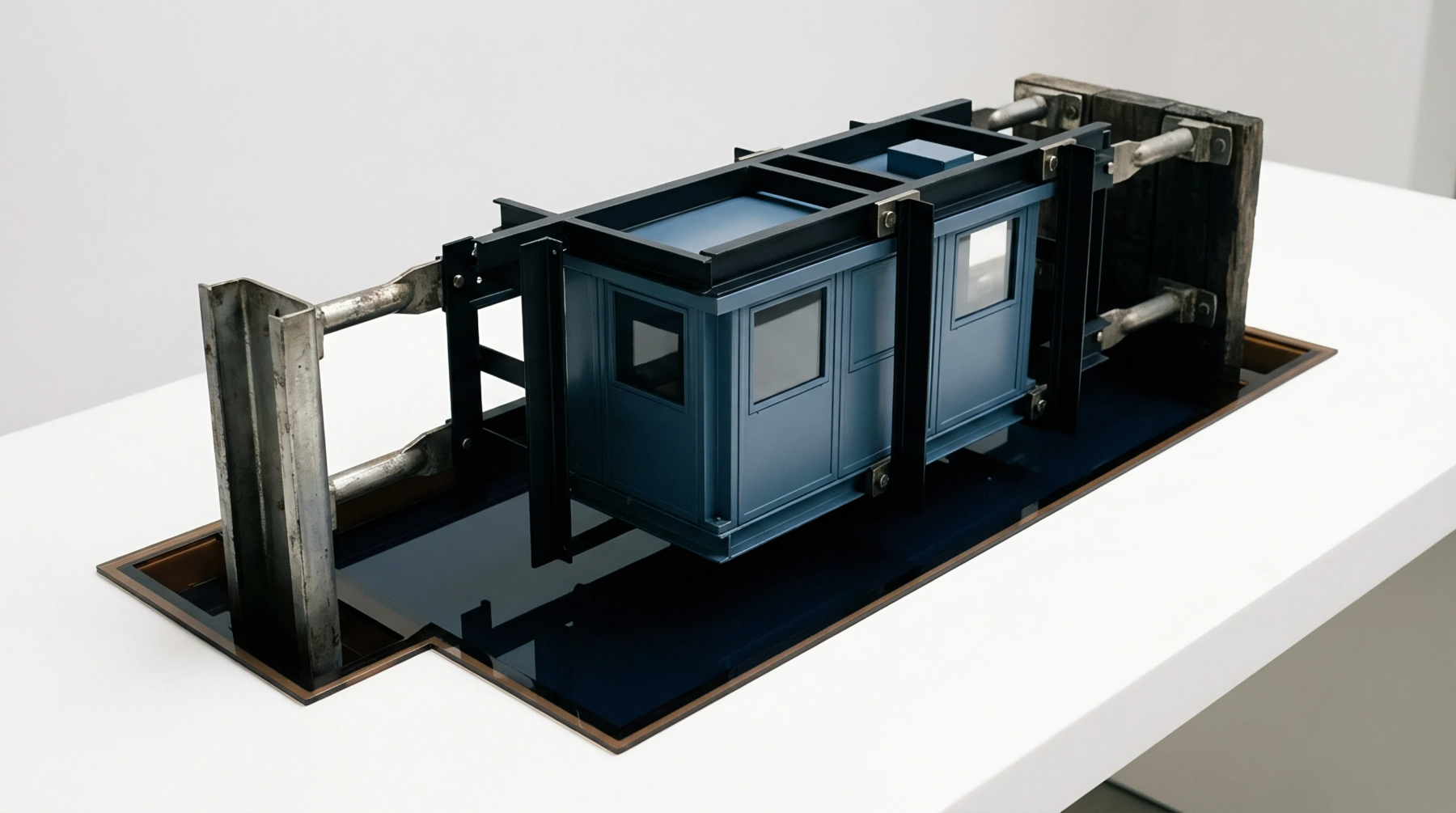
Phase change on reflection calibration eliminates up to 35nm of false topographic height errors in optical metrology of hardened steel mould cavities.

Calibrating optical coherence scanners on tool steel sidewalls requires specular tilt mapping, transfer function correction, and noise floor subtractive adjustment.

In situ optical profilometry resolves sub-micron cavity wear in narrow tool ribs using fiber-coupled chromatic sensors sealed behind purged sapphire windows.

Continuous piezo flexure sleeves require physical clearances below 0.5 micrometers and diamond-like carbon coatings to prevent micro-galling under thermal loads.

Dynamic piezoelectric core compensation applies localized physical packing during cooling to eliminate shrink voids and hold DIN 16742 TG3 tolerances.
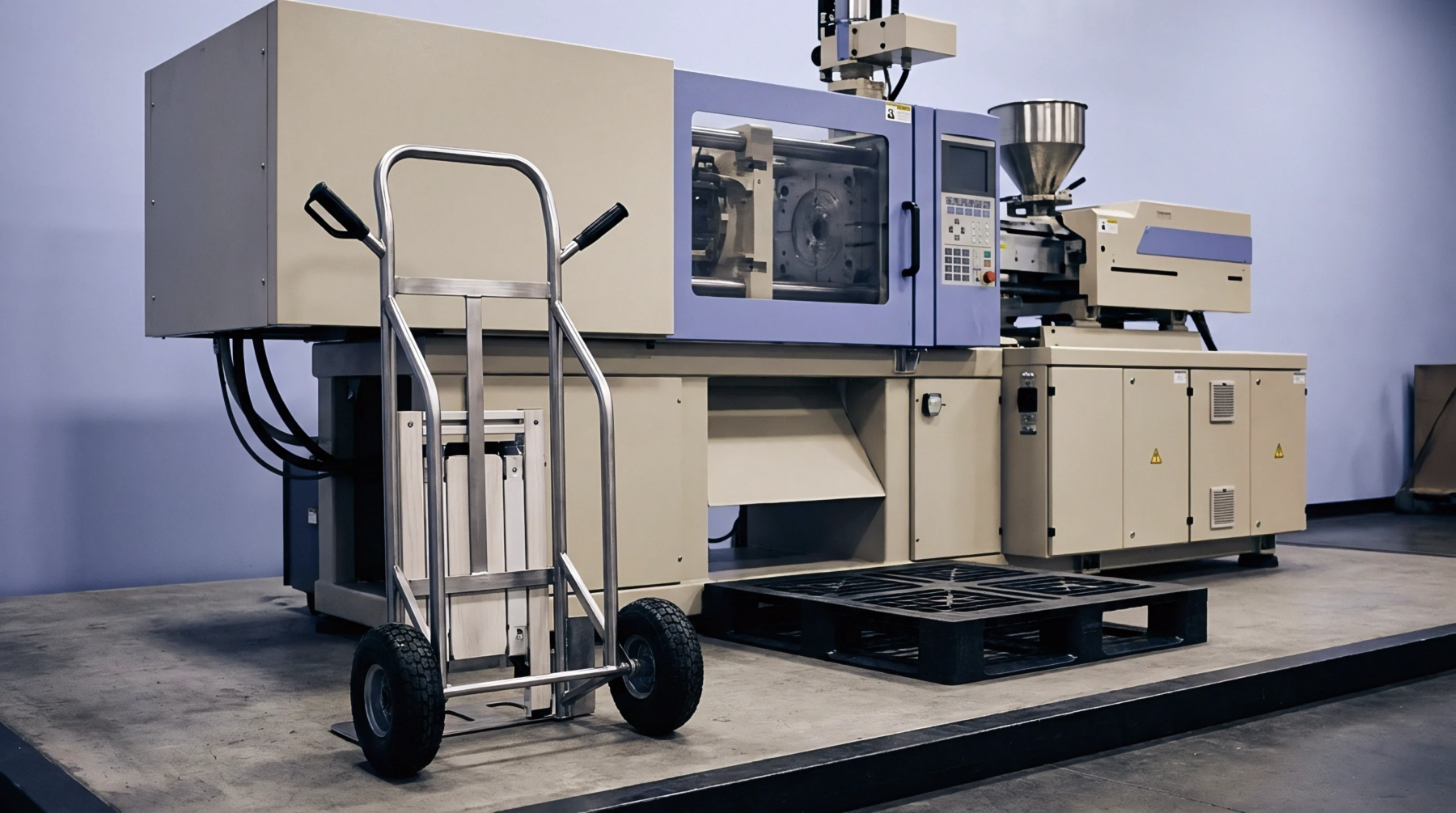
Active core micro moulding controls resonator dimensions by displacing sub-micron pins during fill, suppressing volumetric sink and frequency drift.
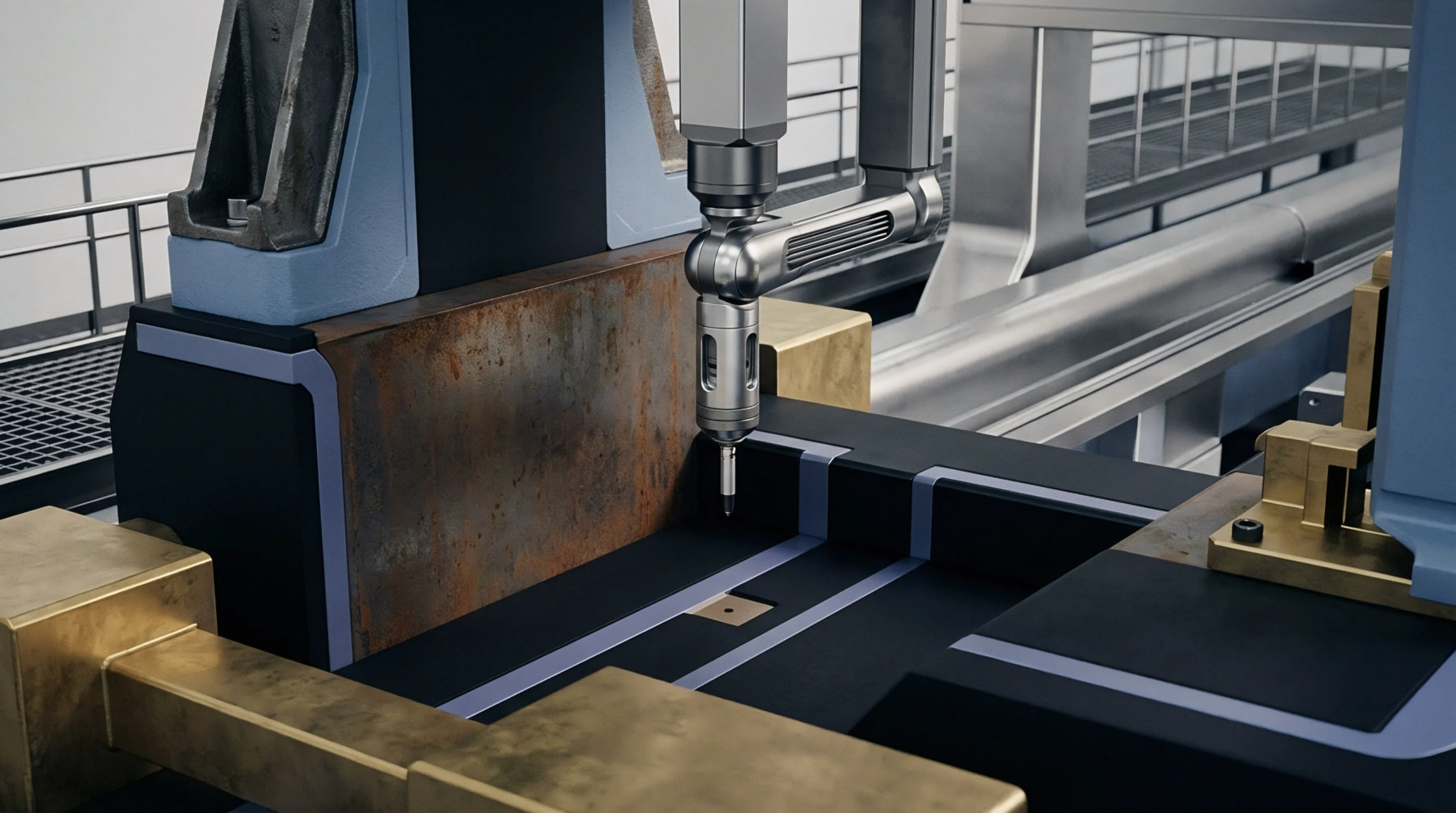
Optical slope limits require numerical aperture verification to prevent false zero-fill interpolation from corrupting areal texture calibration data.

Polymer micro-structure transfer loss in laser-textured tooling stems from melt freezing kinetics and trapped gas counter-pressure, requiring variotherm control.
ISO 25178 areal parameters define 3D optical surface texture to control stray light and guide injection moulding process windows for precision lenses.

Sub-micron cavity surface finish controls sub-terahertz waveguide loss; lowering roughness below skin depth halves attenuation in metallized injection parts.
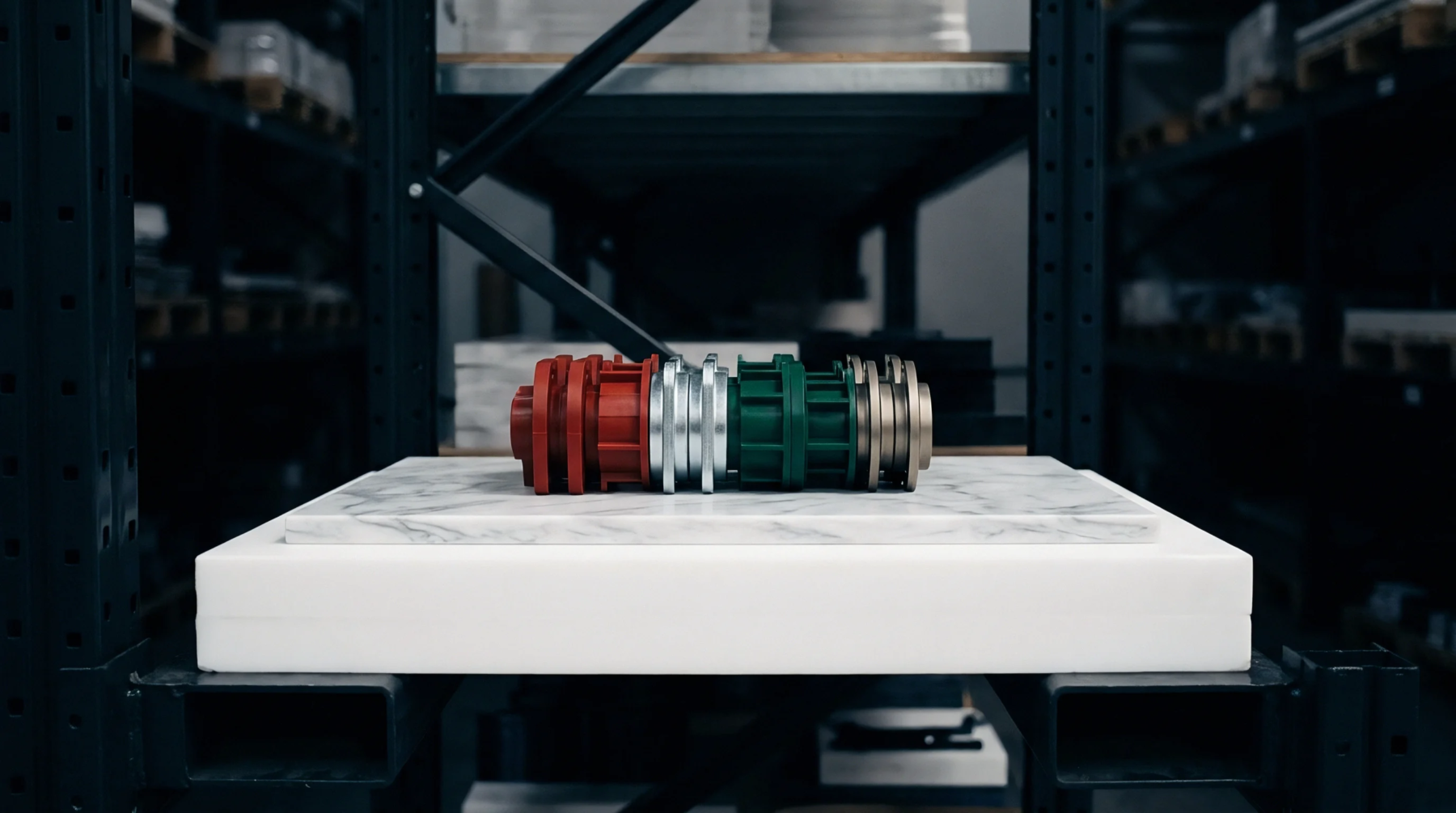
Electroformed copper inserts enable sub-30nm surface roughness and 35% faster cycle times in mmWave tooling when thermal expansion gaps are engineered.

Optimizing tool steel grain homogeny and micro-milling shear kinematics yields sub-100nm Sa channel surfaces, preventing mmWave signal attenuation.
Inter-cavity thermal drift in high-cavitation steel tooling shifts part dimensions; turbulent coolant flow and conductive inserts eliminate temperature spreads.

Calculate multi-cavity dimension drift by subtracting thermal steel plate expansion profiles from localized polymer shrinkage values across operating temperature zones.

Determining mold core thermal expansion gradients requires measuring temperature deltas from melt face to cooling lines to offset axial steel growth.
Expertise is a utility, not a secret. sentiention™ publishes its working knowledge as open reference: intelligence layer covering the materials it sources, the markets it enters, and the reference that serves both.