Meaning
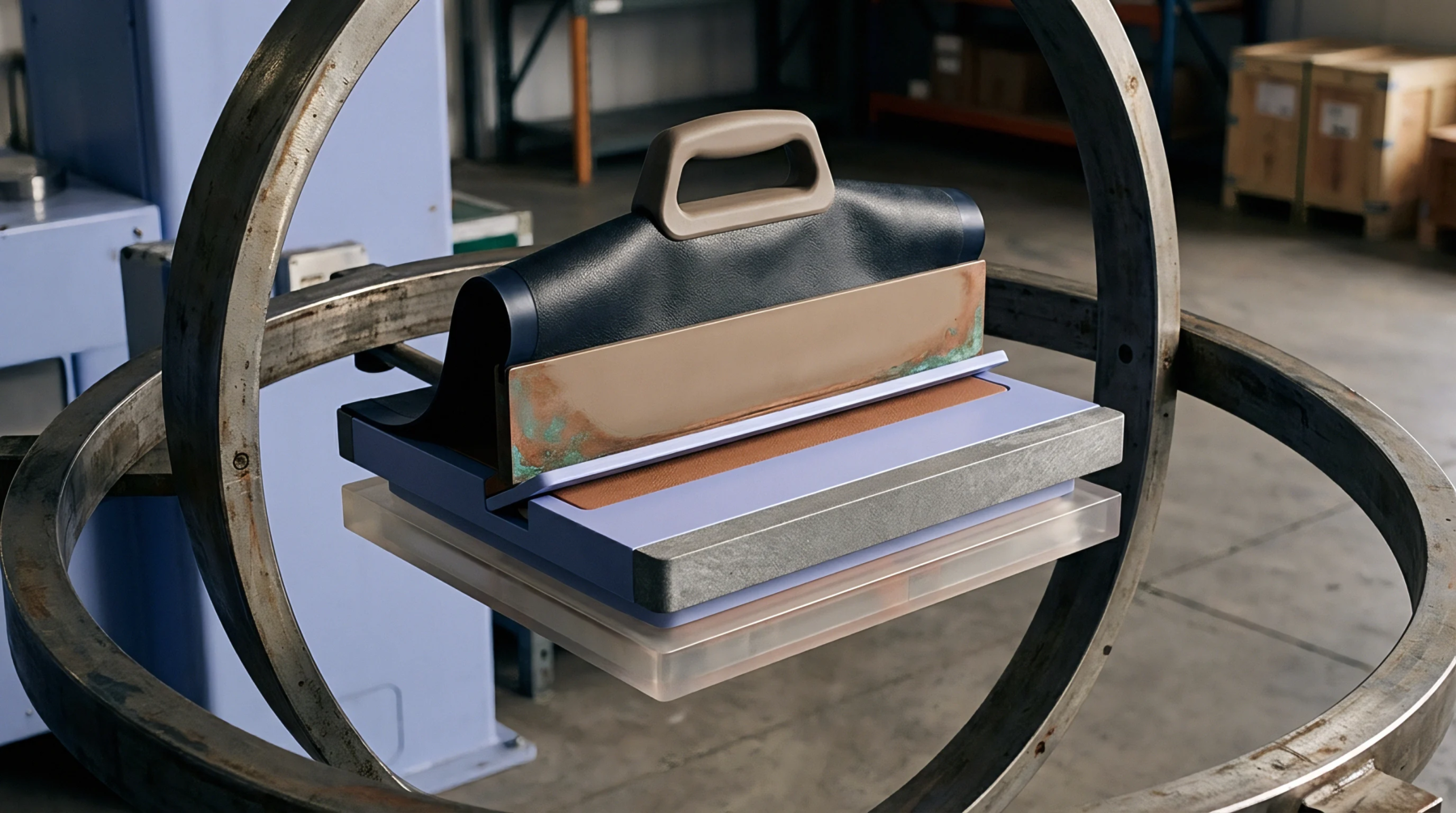
Precision engineering apparatus provides the structural support and alignment required to hold plastic components in place during the application of high-frequency vibration energy. Ultrasonic welding fixtures maintain the exact orientation of parts to ensure that the acoustic energy focuses precisely at the energy director or joint interface. These devices prevent lateral movement and part deformation that would otherwise lead to inconsistent weld strength or thermal degradation.
Effective design of this equipment considers the specific acoustic impedance of the resin to minimize energy loss through the tool surface.
Tooling Geometry
Aluminum or steel alloys frequently construct the contact surfaces that interface with the workpiece. Ultrasonic welding fixtures require an exacting fit to the outer profile of the molded part to distribute clamping pressure evenly across the joint area. Variations in resin shrinkage or part warpage often demand an adjustable base to maintain the necessary contact.
Excessive clearance between the part and the fixture allows for micro-movements that generate unwanted friction heat on the surface rather than at the weld line.
Process Stability
Thermal expansion of the tool during continuous operation influences the long-term weld quality and cycle efficiency. Ultrasonic welding fixtures track the temperature of the contact points because overheating degrades the appearance of the molded surface and changes the melt flow characteristics of the polymer. Moulders specify the thermal conductivity of the fixture material to dissipate excess heat generated by the vibration cycle.
Rapid wear of the support surface indicates an imbalance between the amplitude of the horn and the constraint provided by the base.
Economic Consequence
Capital investment in high-quality support hardware reduces the occurrence of part rejection due to flash or incomplete melting. Consistent alignment provided by ultrasonic welding fixtures minimizes the need for secondary operations or manual cleanup of the finished assembly. Virgin resin performance relies on the exactness of these tools to achieve the intended physical properties of the bond.
Higher setup costs for specialized tooling remain a standard requirement for maintaining structural integrity in safety-critical plastic applications.