
Automated Real Time Scrap Containment Metrics in High Cavitation Injection Moulding
Automated real-time scrap containment pairs in-cavity piezoelectric pressure monitoring with sub-twenty-millisecond drop diverters to eliminate batch lot scrap.
Automated real-time scrap containment pairs in-cavity piezoelectric pressure monitoring with sub-twenty-millisecond drop diverters to eliminate batch lot scrap.

Ruggedized raceways, continuous isolation barriers, and single-point grounding eliminate thermal noise and ground loops in high-cavitation tooling.

Select direct quartz sensors for cosmetic-free dynamic packing control; use indirect pin transducers where surface markings are forbidden by drawing tolerances.

Foreign possessory injection tool liens resist US Chapter 11 automatic stays until the debtor posts cash collateral via local Chapter 15 recognition.

Moulders prime senior bank liens under UCC 9-333 by holding continuous custody, isolating maintenance from part debt, and serving formal statutory notices.

Cross-border tooling retention requires registered bailment deeds, permanent plate engraving, and immediate emergency replevin filings before liens attach.
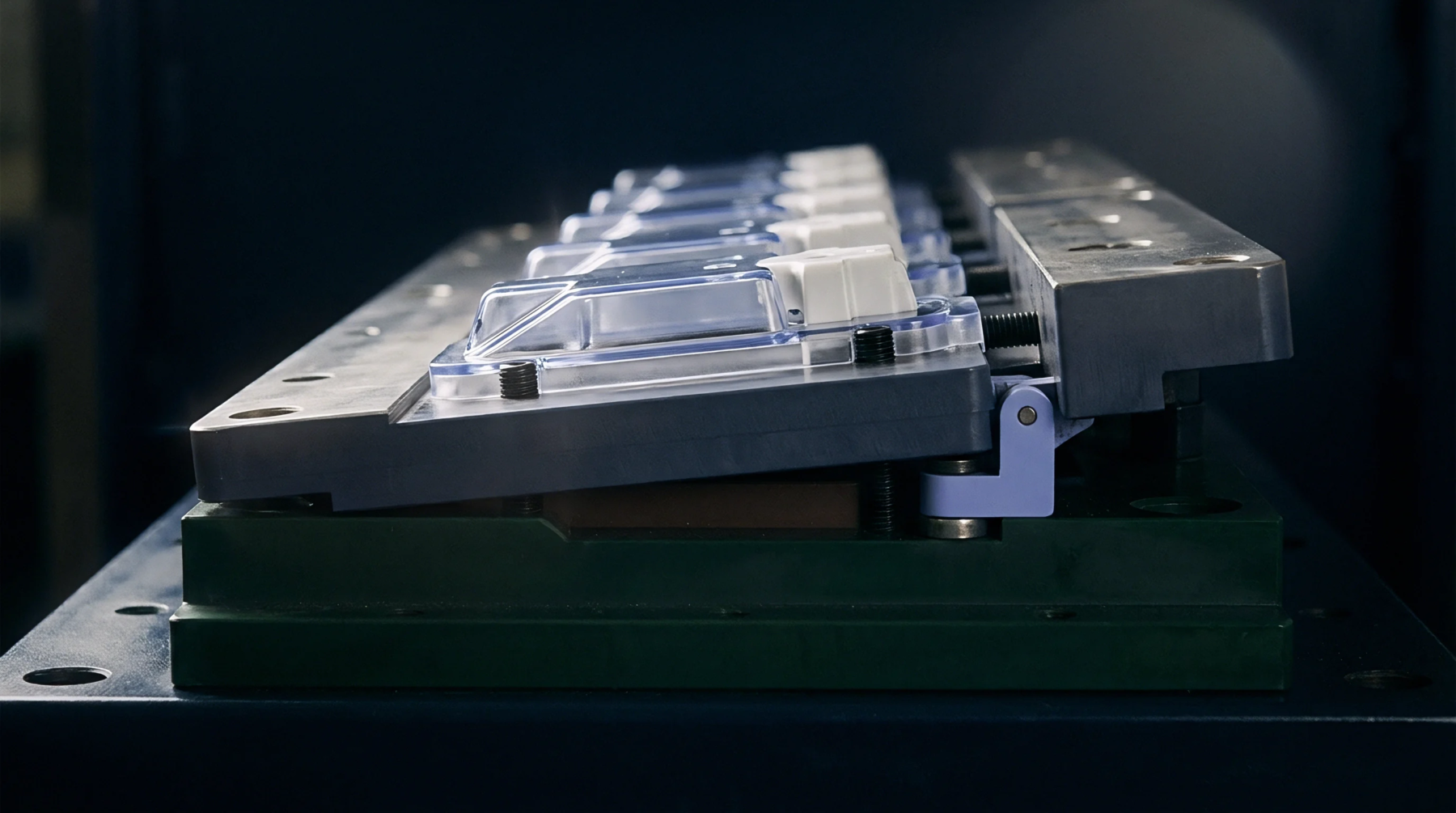
Asymmetric platen deflection drives localized shutoff contact stress beyond tool steel compressive yield, accelerating Weibull B10 spalling failure.
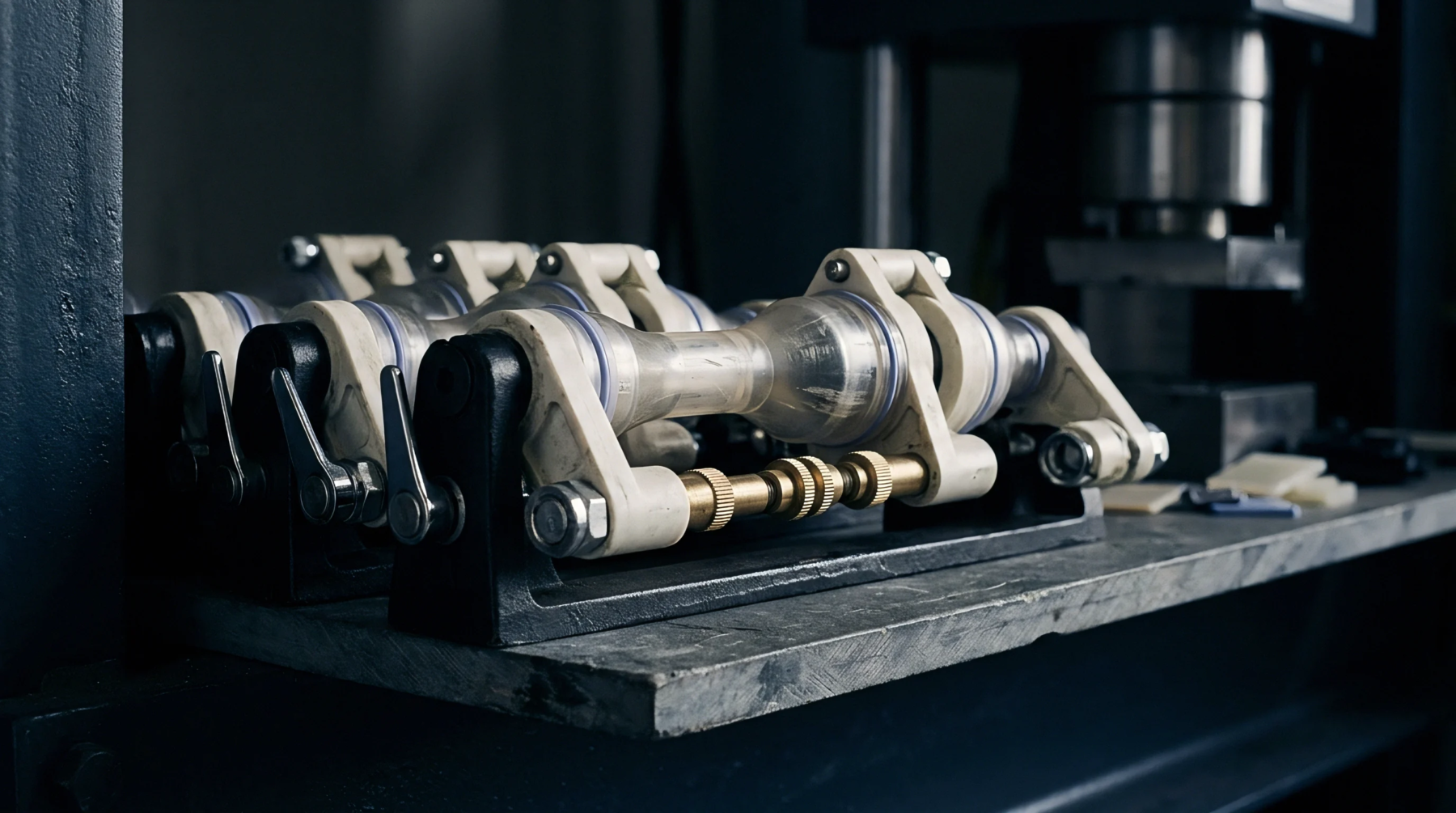
Dynamic press breathing accelerates injection shutoff fatigue, demanding statistical Weibull modeling to set insert replacement intervals before flash occurs.

Tool title depends on stamped asset plates, perfected local filings, and cash reserves to discharge builder liens before cross-border stays lock the press.

Balanced shutoff land life in multi-cavity molds requires rigid taper interlocking, tight platen deflection control, and a two-point Rockwell hardness offset.

Modular tooling with valve gates cuts changeovers to 30 minutes and trims cycle times, amortising higher initial tooling capital across program variants.

Mitigate volatile part demand by selecting lower cavitation modular tools across standard press tonnages to avoid idle capital and startup scrap penalties.

Predicting gate loss in contaminated PCR demands combining particulate kinetic energy equations with cavity pressure drift to schedule insert swaps.

Selecting cavity alloys for abrasive resins requires matching filler Mohs hardness and loading against steel carbide structure and toughness.

Prehardened 28 to 34 HRC tool steel delivers 50,000 cycles for non-abrasive resins, bypassing heat treatment while securing parting line integrity.

Uncertainty in non-rigid inspection fixtures stems from viscoelastic relaxation and thermal gradients, requiring regulated clamping and strict timing controls.

Dynamic clamping calibration uses closed-loop load feedback to prevent viscoelastic creep and contact deflection during non-rigid thermoplastic inspection.
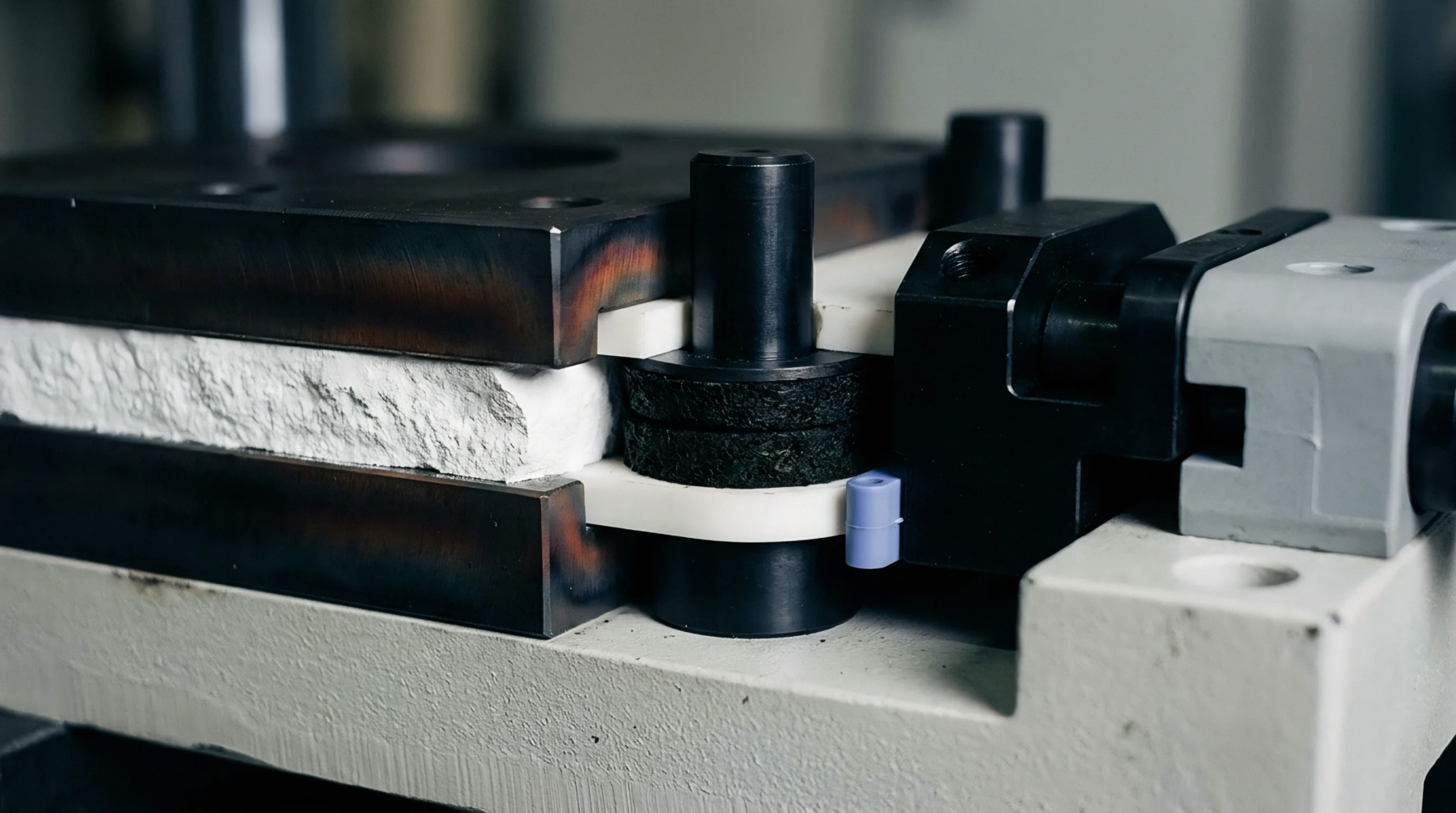
Restraint fixture calibration certifies datum pad coordinates, pin locations, and clamp forces to isolate true part warpage from tooling fixture deflection.

Anisotropic fiber alignment dictates local part compliance, requiring cavity-matched machining nests with controlled clamp forces to prevent post-release distortion.

Secondary tooling nests require anisotropic clearance offsets that account for post-mould crystallization and moisture-induced expansion across polyamide grades.

Coupling simulated fiber orientation tensors into tooling nest datum layouts prevents pin binding and unearned part rejections caused by orthotropic shrinkage.

Free state coordinate metrology requires gravity-compensated optical scanning after forty-eight hours of conditioned rest to isolate true viscoelastic warpage.

Finite element stiffness inversion back-calculates local anisotropic moduli from physical test deflections, eliminating costly tool re-cuts and wall thickening.

Virtual fixture algorithms eliminate physical checking gauges by mapping free-state optical scans to nominal CAD models via structural compliance calculations.

Inline mass drift is resolved by closed-loop gravimetric control and downstream ultrasonic wall tracking adjusting haul-off speed in real time.

Lock extrusion sourcing contracts to per-meter pricing tied to nominal linear weight bands, barring supplier invoices from billing unapproved mass creep.

Extrusion conversion minimums exist to dilute non-negotiable startup purge and calibration scrap across enough linear footage to stabilize part piece price.

Secure cross-border tooling by affixing engraved bilingual asset plates, filing local precautionary registry liens, and utilizing judicial release bonds.

Cross-border tooling title fails without local public registry perfection, exposing unbonded moulds to customs seizure and automatic supplier insolvency liens.

A mould bailment agreement secures unencumbered tool title, blocks statutory processor liens via UCC-1 filings, and mandates physical asset plaque tracking.
Expertise is a utility, not a secret. sentiention™ publishes its working knowledge as open reference: intelligence layer covering the materials it sources, the markets it enters, and the reference that serves both.