
Amorphous Polymer Melt Rheology and Extrusate Swell Dynamics in Sheet Extrusion
Amorphous extrusate swell dynamics depend on first normal stress differences; controlling land L/H ratio and calender drawdown balances web gauge and shrinkage.
Amorphous extrusate swell dynamics depend on first normal stress differences; controlling land L/H ratio and calender drawdown balances web gauge and shrinkage.

Polyolefin property degradation stems from chain scission, oxidation, and contamination; managing property drift requires strict OIT, melt index, and blend controls.

Statistical process control tracking of parting line wear prevents mold shutoff hobbing and reduces plastic part flash scrap.

Determining commodity resin grades requires multi-point shear viscosity validation and strict Certificate of Analysis contract limits to secure part performance.

Cavity pressure telemetry decouples polymer melt behavior from machine hydraulics, locking peak pressure to eliminate scrap and stabilize part dimensions.

Melt flow index and density metrics must be verified together under exact standard loads to control polyolefin processability and field crack resistance.

Polyethylene sourcing requires specifying exact test loads, temperatures, and standards to isolate molecular structure and enforce contractual lot consistency.

Capillary rheometry fails below 10% third-pass regrind because high shear rates mask molecular weight drop beneath equipment noise floors.

Resolving rheological imbalance in high cavitation manifolds demands shear-decoupled runner geometry, active zone heating, and cavity pressure monitoring.
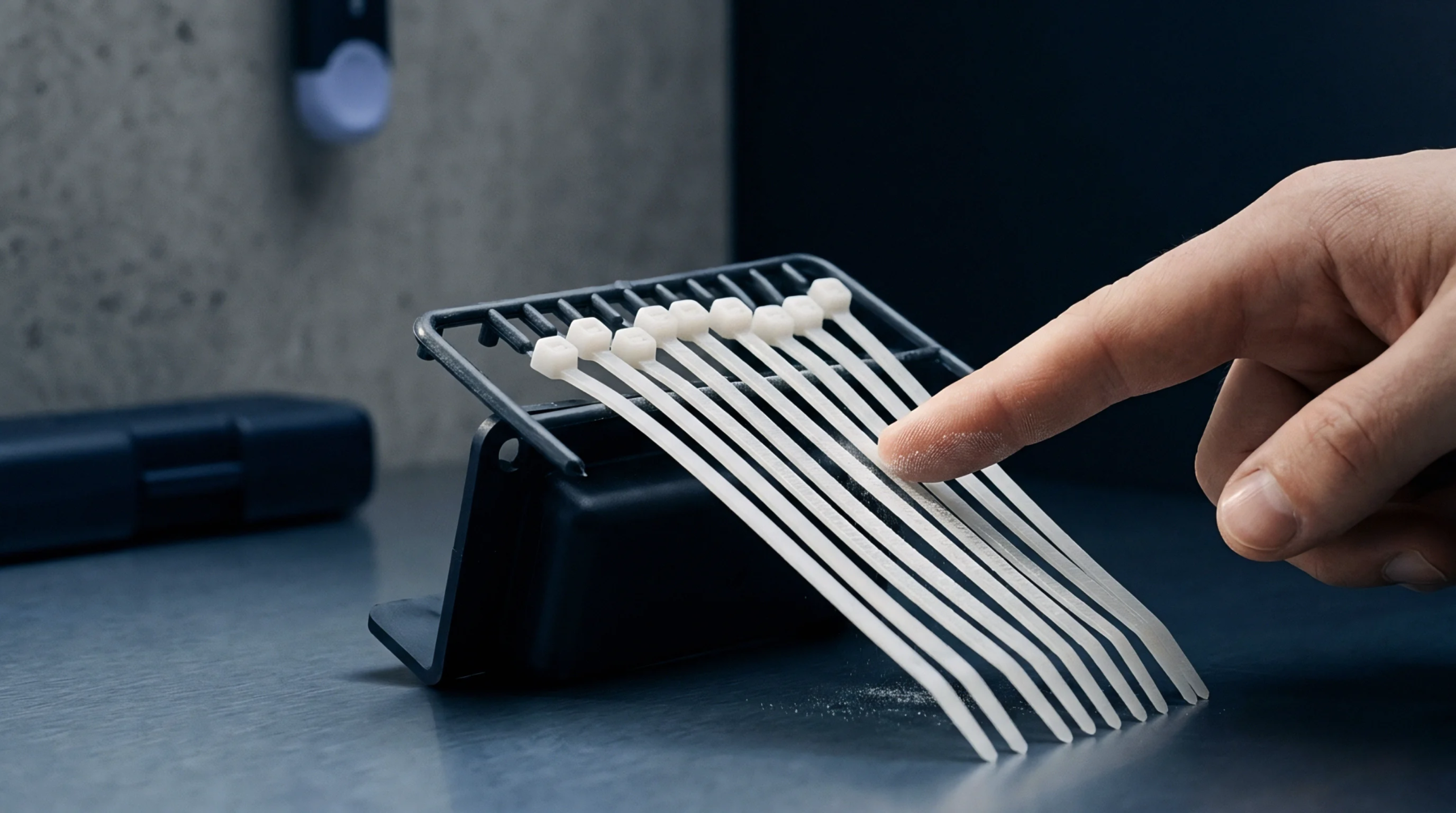
Sourcing thin-wall PP homopolymer demands qualifying melt flow rates above 60 g/10 min while auditing peroxide residues to protect mechanical impact.

Wireless cavity pressure arrays quantify real-time rheological imbalance in multi-cavity molds to optimize tool steel tuning and eliminate scrap.

Specifying exact standard test loads and flow rate ratios in polyethylene procurement contracts prevents costly processing failures and off-spec resin disputes.
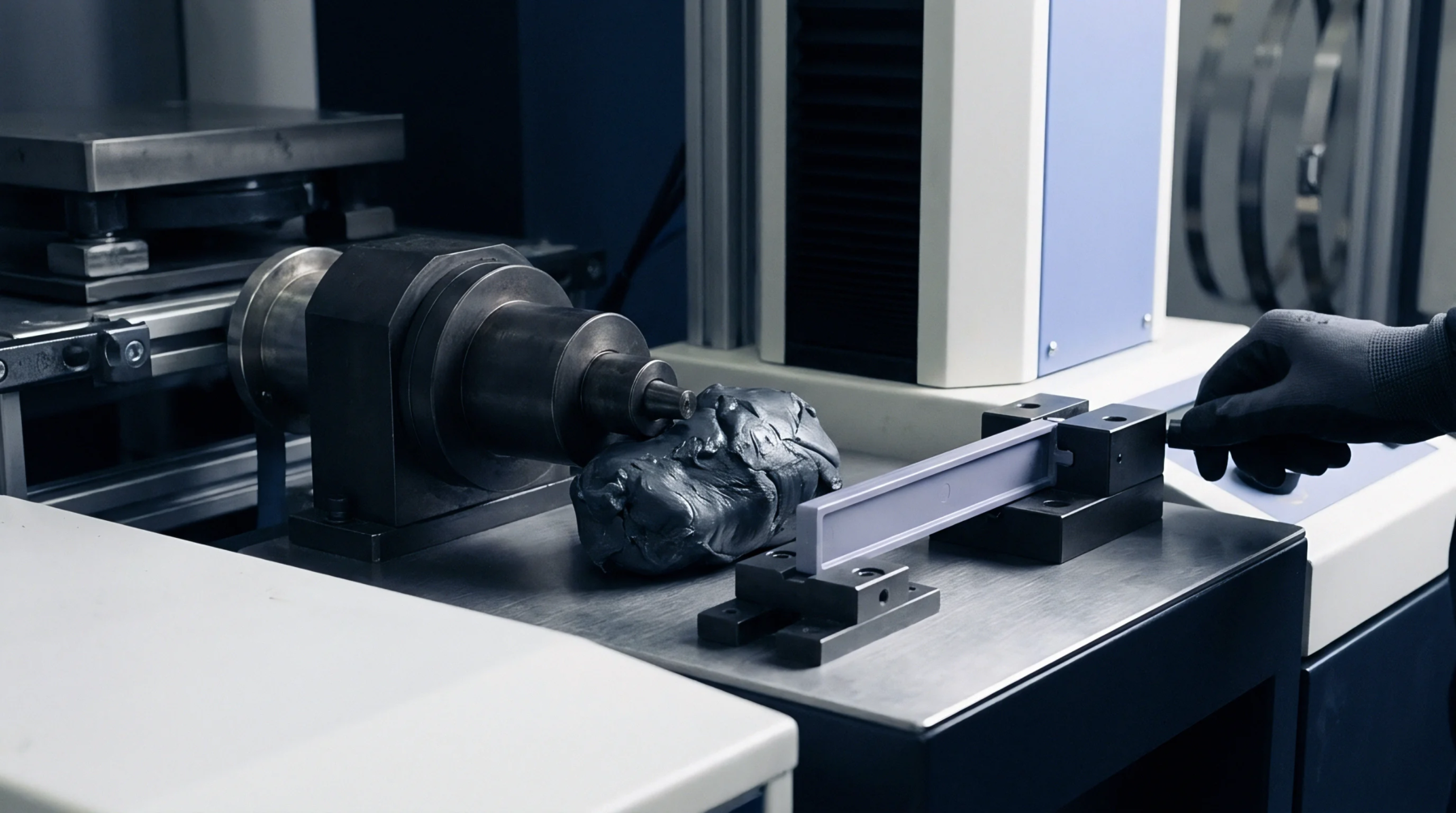
Bimodal HDPE shear thinning variations alter die swelling and sag resistance, forcing wall thickness adjustments and increasing landed pipe cost.
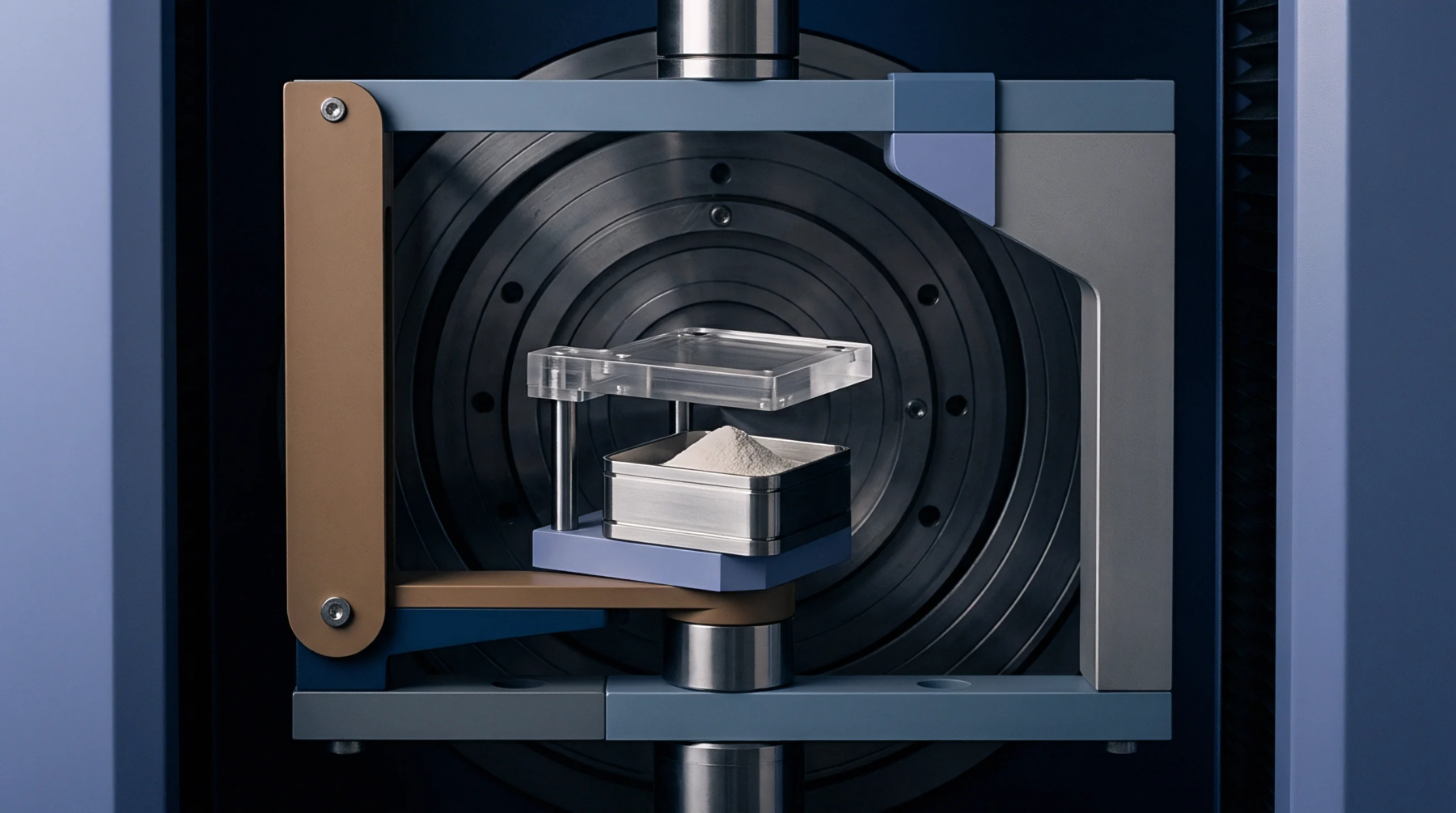
Calibrating high-shear capillary rheology via Bagley and Weissenberg-Rabinowitsch corrections prevents off-spec polyolefin lot processing failures.
Dynamic shear lowers thermal degradation thresholds in recycled polyolefins, demanding intake screening of residual stabilizer levels and dynamic viscosity.

Melt flow rate fails to catch high-shear viscosity drift in dynamic feedstocks, requiring capillary rheology and inline pressure monitoring to control scrap.

Incoming resin qualification mandates physical sampling, melt rheology auditing, and CoA validation to prevent off-spec polymer from entering production.

Managing shear imbalance across high-density cavities depends on rotating channel boundary layers at runner splits to equalize melt viscosity before gating.

Correcting capillary rheometry data via Bagley and Rabinowitsch protocols is mandatory to prevent up to 50 percent viscosity errors in bimodal HDPE die design.

Verify post-consumer resin lot conformity by combining core lance sampling, melt flow shear sweeps, and DSC purity screens before unloading silos.
Closed loop cavity pressure regulation corrects melt viscosity drift by dynamically modulating switchover point and packing profile to hold volumetric shrinkage constant.
Polyethylene melt flow rate test load selection matches resin density and molecular weight to standard ASTM D1238 masses of 2.16 kg, 5 kg, or 21.6 kg at 190 °C.
Melt viscosity loss in bio-polyesters stems from moisture hydrolysis and shear; maintaining under 200 ppm moisture and tight processing thermal windows prevents severe scrap penalties.
Detecting subtle virgin polypropylene contamination requires dual-load melt flow indexing and extended thermal dwell testing to expose shear and stability shifts.
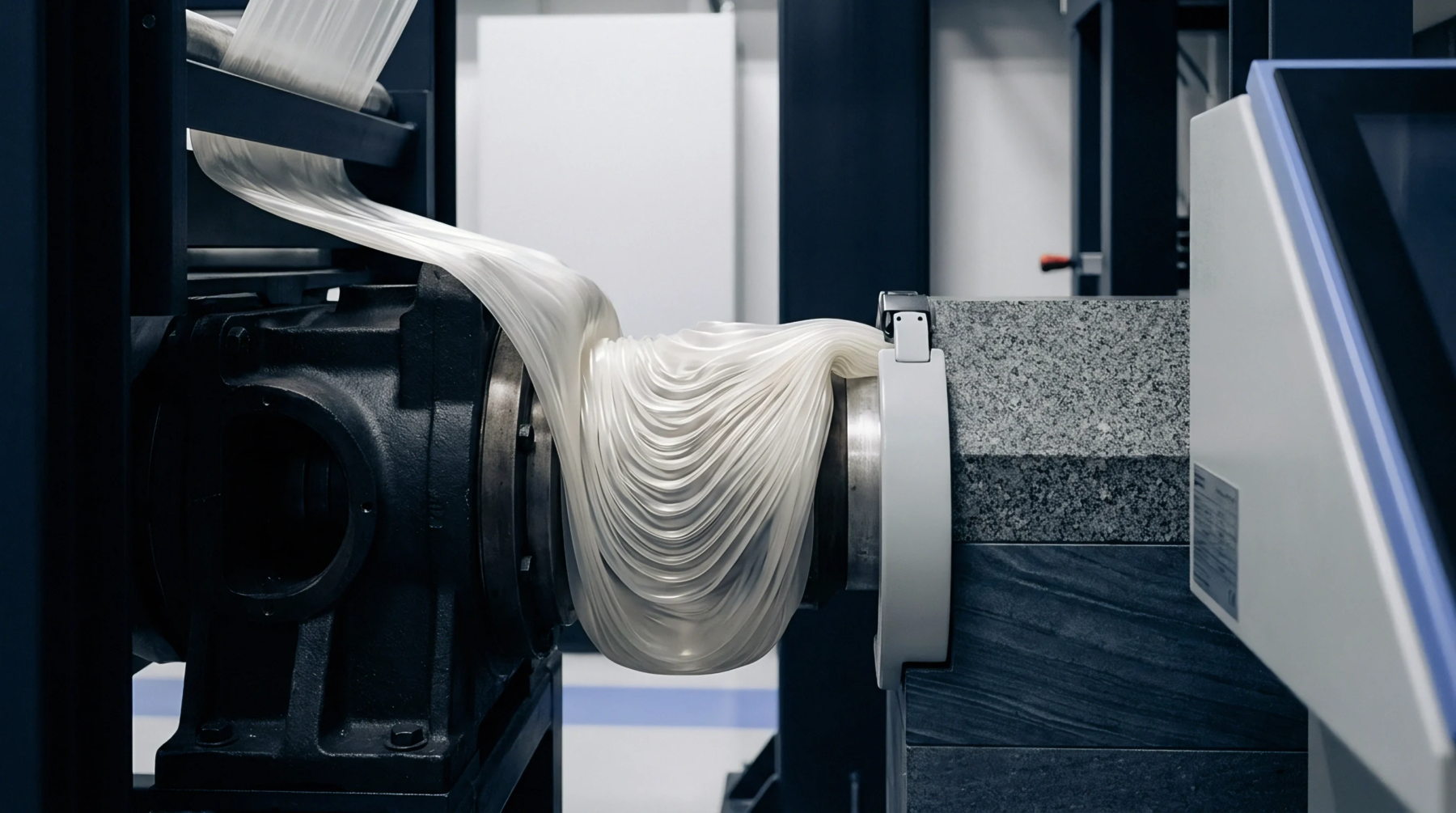
Calibrating transfer points via press-side viscosity curves optimizes fill pressure, cuts part mass variation, and locks in DIN 16742 tolerance bands.

Interfacial viscous fingering during melt fractionation is controlled by tuning temperature gradients and limiting viscosity ratios across polymer phase boundaries.
Select high flow polypropylene homopolymers by balancing melt flow rate against impact loss, verifying narrow molecular weight distribution and peroxide residues.

Real-time cavity pressure transducer feedback corrects shear-thinning thermal imbalances in multi-cavity tools by adjusting dynamic V/P crossover points.

High shear molding relies on pseudoplastic shear thinning, requiring capillary rheometry over melt flow index to control viscous heating and pressure losses.

Capillary rheometry establishes binding high-shear viscosity limits that prevent multicavity tool imbalance and part weight variance in post-consumer resins.
Expertise is a utility, not a secret. sentiention™ publishes its working knowledge as open reference: intelligence layer covering the materials it sources, the markets it enters, and the reference that serves both.