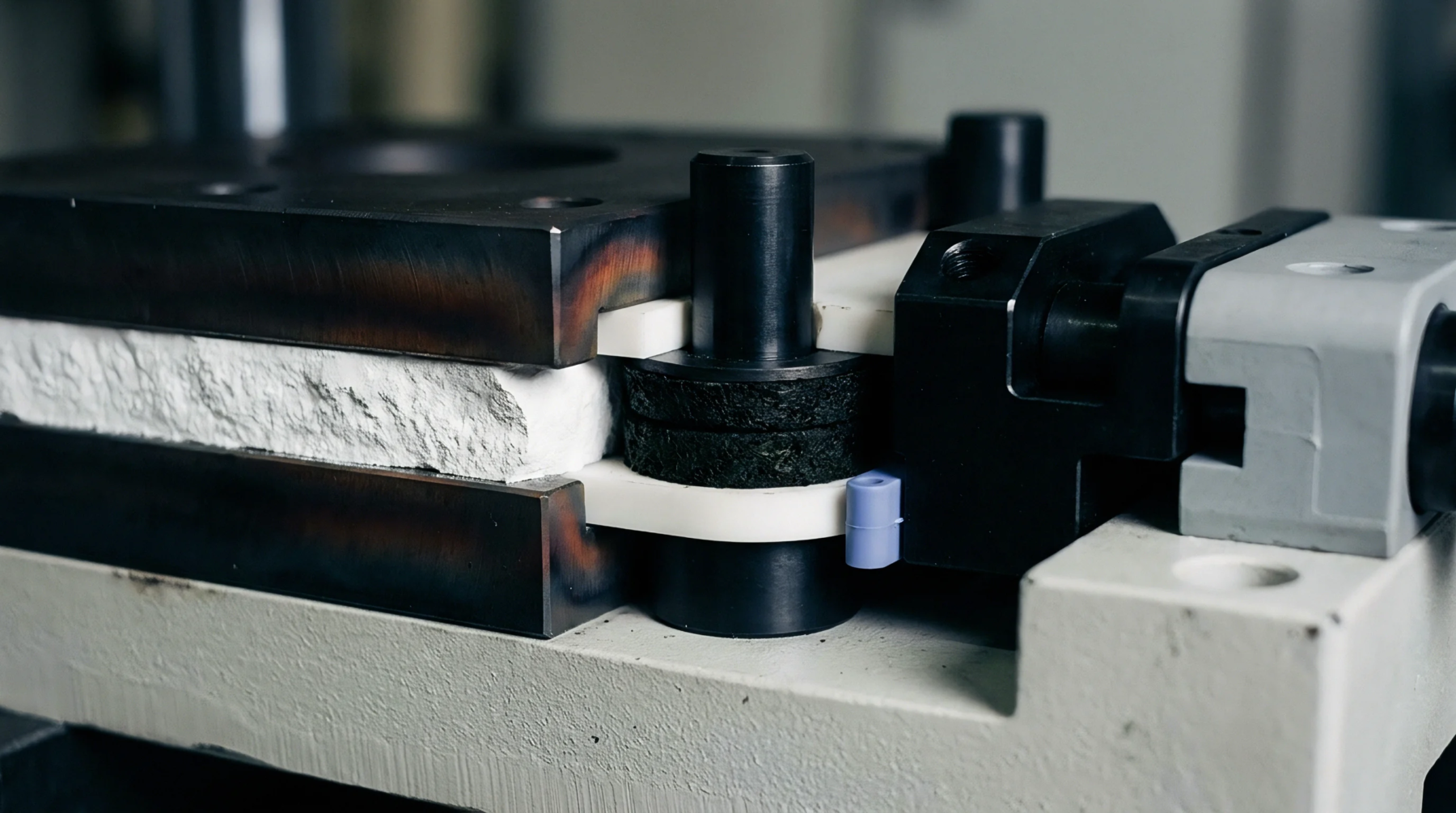
Dynamic Oscillatory Shear Frequency Sweeps for Polyolefin Characterization
Dynamic frequency sweeps isolate polyolefin molecular weight distribution and branching where melt index fails, fixing processability and reject thresholds.
Dynamic frequency sweeps isolate polyolefin molecular weight distribution and branching where melt index fails, fixing processability and reject thresholds.

Detecting subtle virgin polypropylene contamination requires dual-load melt flow indexing and extended thermal dwell testing to expose shear and stability shifts.

Quantifying shear sensitivity in degraded polyamide reclaim via capillary rheometry prevents processing flash and eliminates hidden costs from MFR misreadings.

Industrial composting compliance requires verifying bio-carbon via ASTM D6866, disintegration via EN 13432, and total fluorine screening below 100 ppm.

Polyester moisture extraction follows temperature-dependent Fickian diffusion, requiring dew points below minus forty degrees to prevent melt hydrolysis.

Determining masterbatch letdown ratios for recycled polyethylene requires MFR matching, antioxidant depletion testing, and gravimetric dosing adjustments.
Polyethylene melt flow rate test load selection matches resin density and molecular weight to standard ASTM D1238 masses of 2.16 kg, 5 kg, or 21.6 kg at 190 °C.

Polyolefin recyclate quality verification relies on multi-temperature melt flow testing, oxidation induction time, and continuous screen filtration tracking.
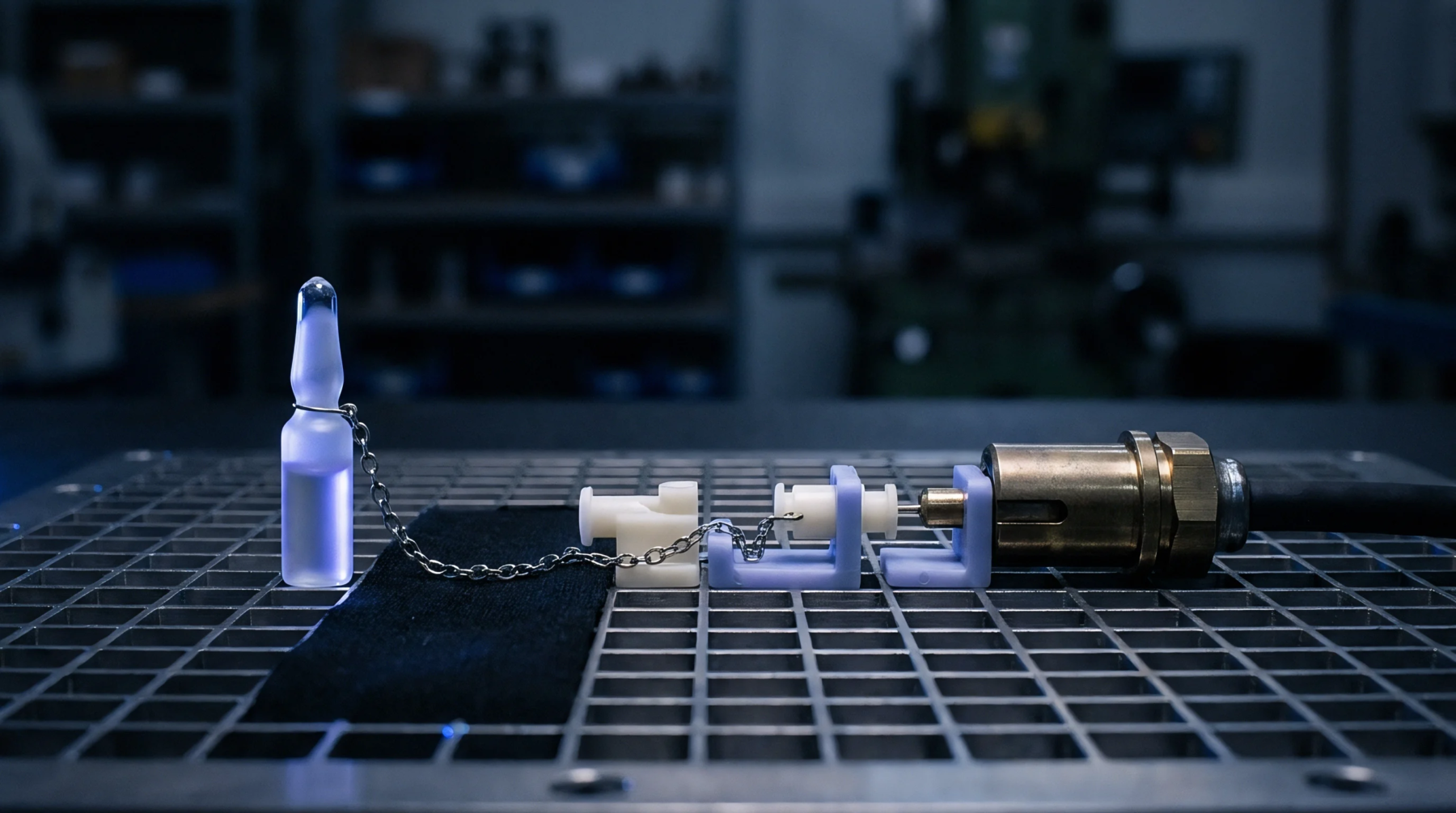
Contractual risk allocation for reprocessed resin requires rigid specification bounds, quarantine controls, and clear price deduction mechanics.

Verify post-consumer resin lot conformity by combining core lance sampling, melt flow shear sweeps, and DSC purity screens before unloading silos.

Correcting capillary rheometry data via Bagley and Rabinowitsch protocols is mandatory to prevent up to 50 percent viscosity errors in bimodal HDPE die design.
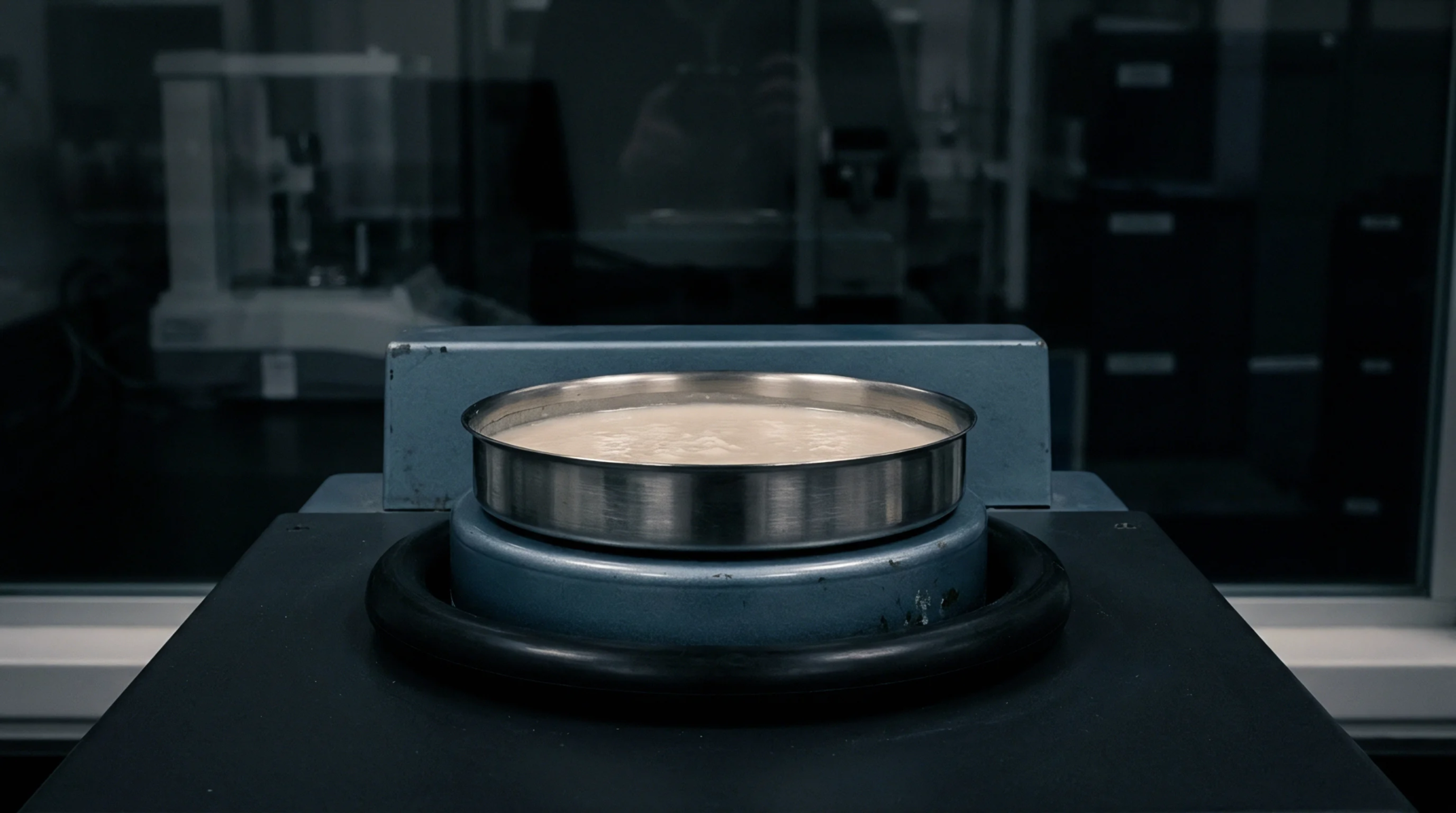
Dynamic low-frequency rheometry identifies thermal degradation in recycled polyolefins that single-point melt flow tests miss entirely.

Undeclared regrind in virgin polymer collapses oxidation stability and broadens viscosity bands, increasing landed cost per good part despite initial pellet discounts.

Undisclosed recycled content invalidates virgin resin warranties when analytical testing proves melt flow or thermal deviation beyond contractual tolerance.

Calculating polyolefin landed arbitrage viability demands evaluating cracker co-product yield spreads against comonomer properties and freight tariffs.

Polyolefin pricing follows naphtha via yield multipliers and co-product credits, requiring lagged pass-through contract terms and strict incoming melt index audits.

Multi-party moisture disputes depend on ISO 15512 Method C baseline sampling at loading and container dew point tracking before silo transfer.

House blending recycled resins causes melt viscosity drift and crosslinked gel contamination that disrupts mold filling and degrades part mechanical strength.

Incoming resin qualification mandates physical sampling, melt rheology auditing, and CoA validation to prevent off-spec polymer from entering production.

Calculate downtime penalties by summing unabsorbed press hourly burden, loaded labor, scrapped resin mass, purge cycles, and hot runner clearing expenses.

Verifying imported mass balance polyolefins demands yield-adjusted attribution ledgers and chemical contaminant screening to validate chain of custody claims.

Polymer indexation contracts align resin invoices to monomer shifts via stoichiometric yields, formulation fractions, and published benchmark settlements.

Post-consumer HDPE sourcing relies on batch melt testing, DSC thermal screening, and mass balance audits to prevent factory scrap and field failure.

Dynamic shear lowers thermal degradation thresholds in recycled polyolefins, demanding intake screening of residual stabilizer levels and dynamic viscosity.

An unconditioned melt flow value lacks physical meaning without its test load, temperature, and standard protocol specified.

Reactor grade polypropylene copolymers absorb sub-zero impact energy through ethylene-propylene rubber domain crazing and interfacial cavitation down to minus forty.

Calibrating high-shear capillary rheology via Bagley and Weissenberg-Rabinowitsch corrections prevents off-spec polyolefin lot processing failures.

Specifying exact standard test loads and flow rate ratios in polyethylene procurement contracts prevents costly processing failures and off-spec resin disputes.

Infrared and thermal fingerprinting verifies polyolefin blend composition, oxidation levels, and phase contamination to enforce supplier compliance and landed part cost.

Establishing Trouton ratio floors via capillary extensional rheology prevents catastrophic web tear and parison sag in regrind polyolefin blends.
Expertise is a utility, not a secret. sentiention™ publishes its working knowledge as open reference: intelligence layer covering the materials it sources, the markets it enters, and the reference that serves both.