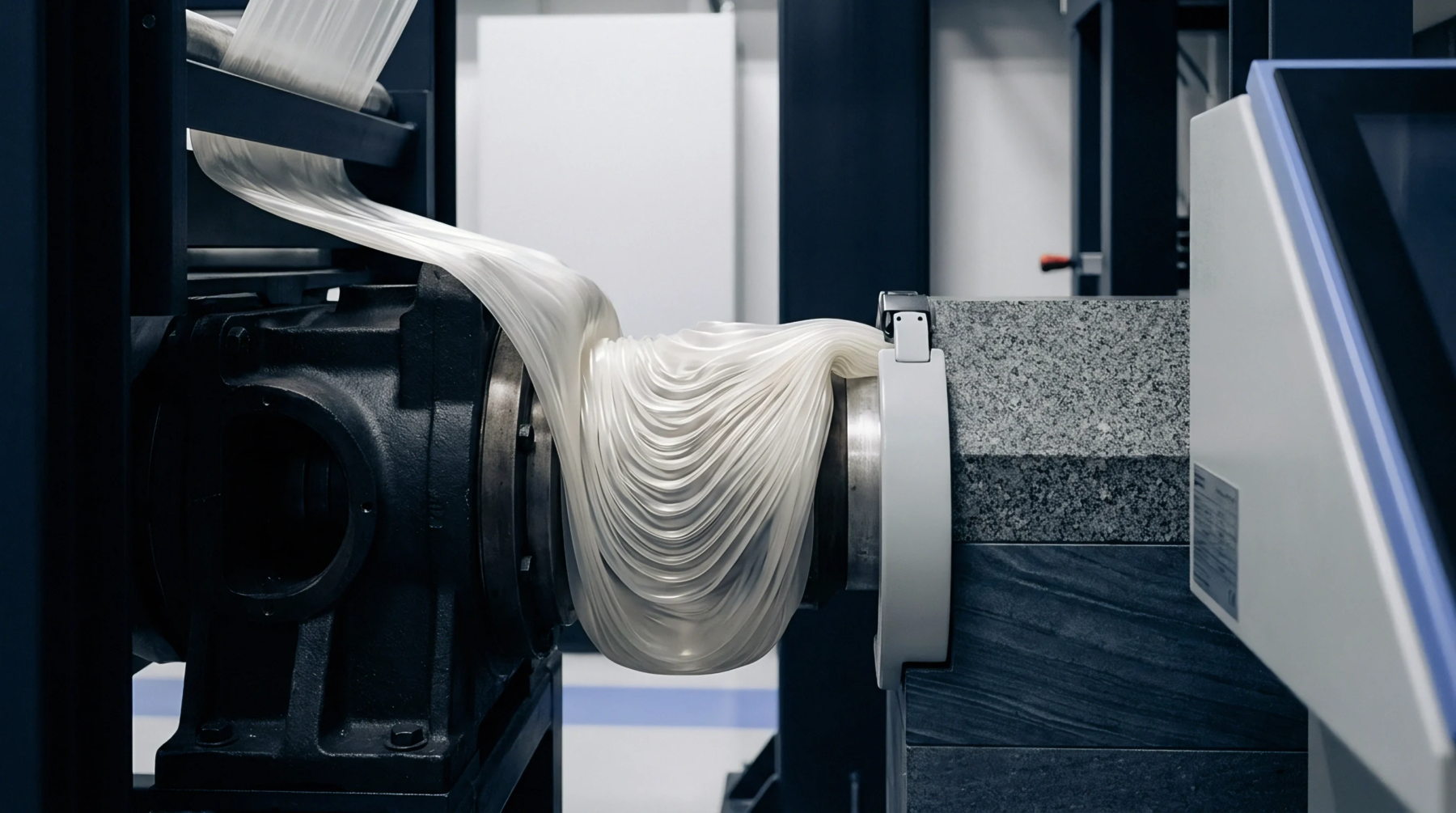
Evaluating Melt Flow Rate Limitations in Recycled Polypropylene Testing
Single point melt flow index testing fails to predict recycled polypropylene processing behavior due to shear thinning and contaminant induced melt instability.
Single point melt flow index testing fails to predict recycled polypropylene processing behavior due to shear thinning and contaminant induced melt instability.

Thermal and oxidative degradation alters polyolefin flake viscosity and residual stability, demanding MFR, OIT, and Carbonyl Index verification before processing.

Intrinsic viscosity loss in reprocessed PET flake is quantified by dilute solution viscometry using ASTM D4603 to prevent structural failure in preforms.

Visbroken polypropylene risks organoleptic contamination and thermal degradation; verify residual peroxide, NIAS limits, and OIT before food contact use.

Select high flow polypropylene homopolymers by balancing melt flow rate against impact loss, verifying narrow molecular weight distribution and peroxide residues.

Compressive jaw pressure forces secondary amides to co-crystallize with metallocene polyethylene, locking slip additives and elevating post-seal friction.
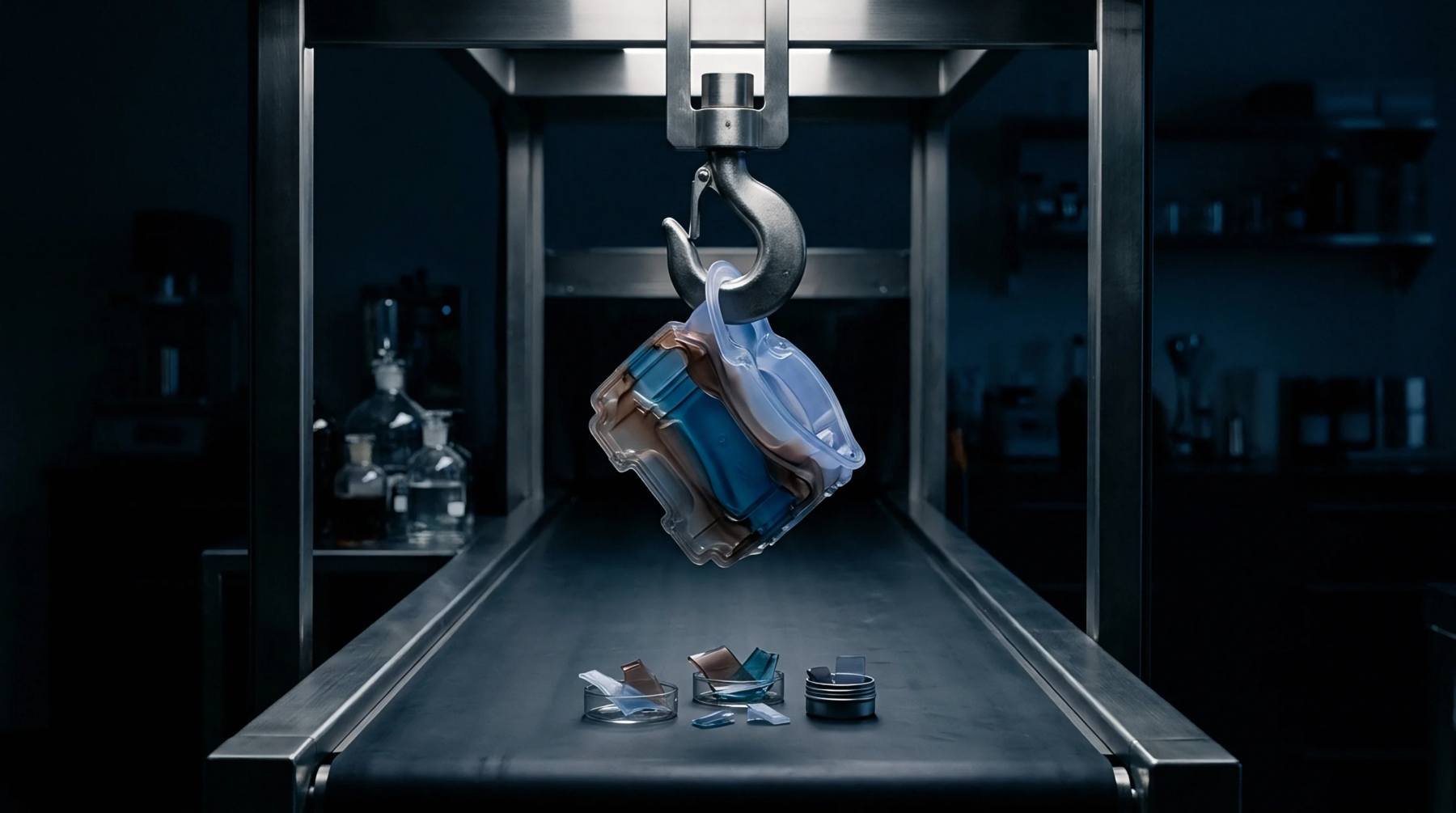
Dynamic rheology quantifies bimodal polyethylene high mass tail content by tracking zero shear viscosity and low frequency storage modulus at 190 C.

Interfacial viscous fingering during melt fractionation is controlled by tuning temperature gradients and limiting viscosity ratios across polymer phase boundaries.
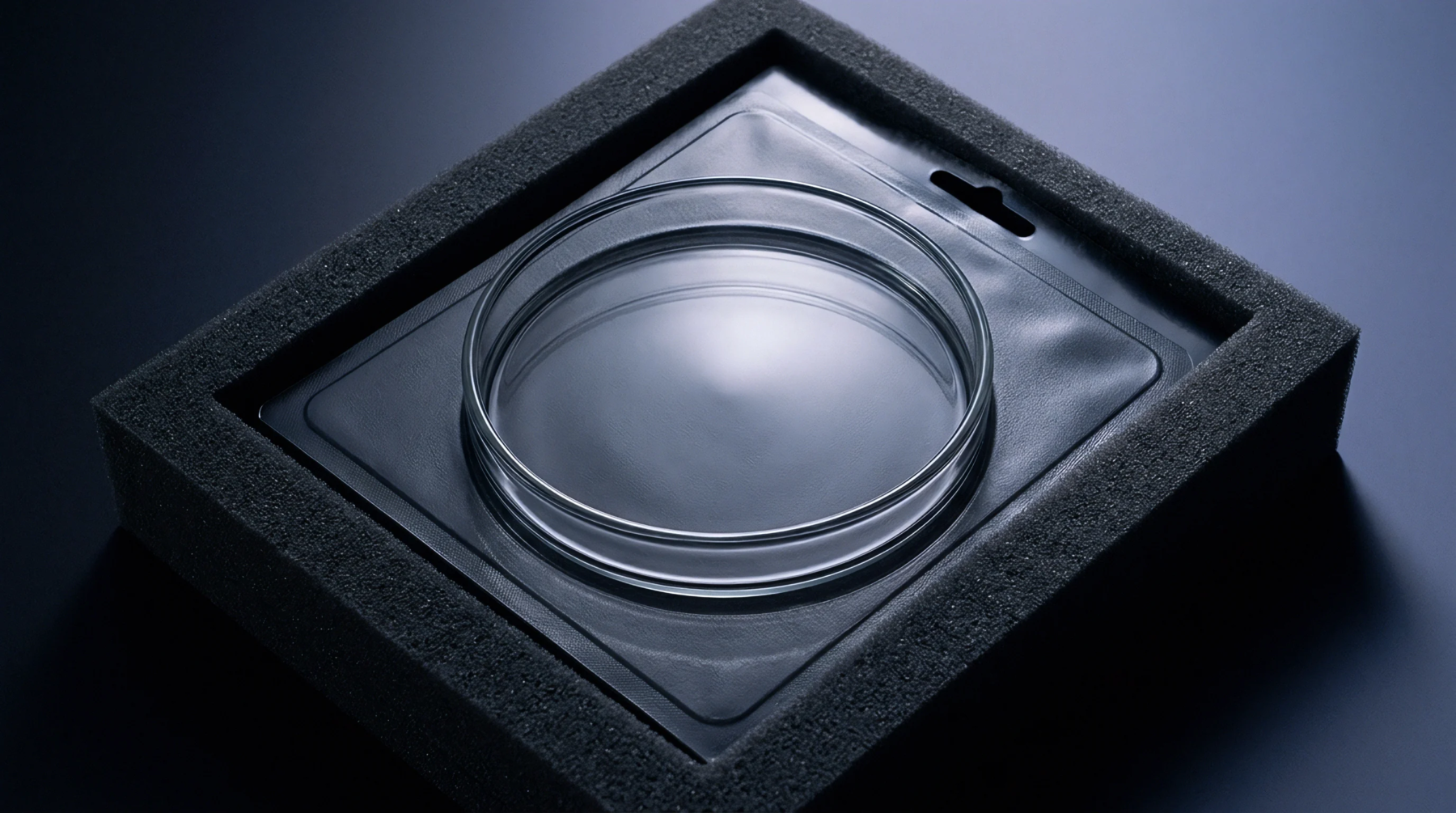
Controlled rheology visbreaking lowers sub-zero polypropylene drop toughness by removing high molecular weight tie chains, demanding elastomer modification to prevent brittle container shatter.

Polypropylene impact copolymers for frozen containers balance rubber content and viscosity matching to prevent cold brittle failure at minus twenty degrees.
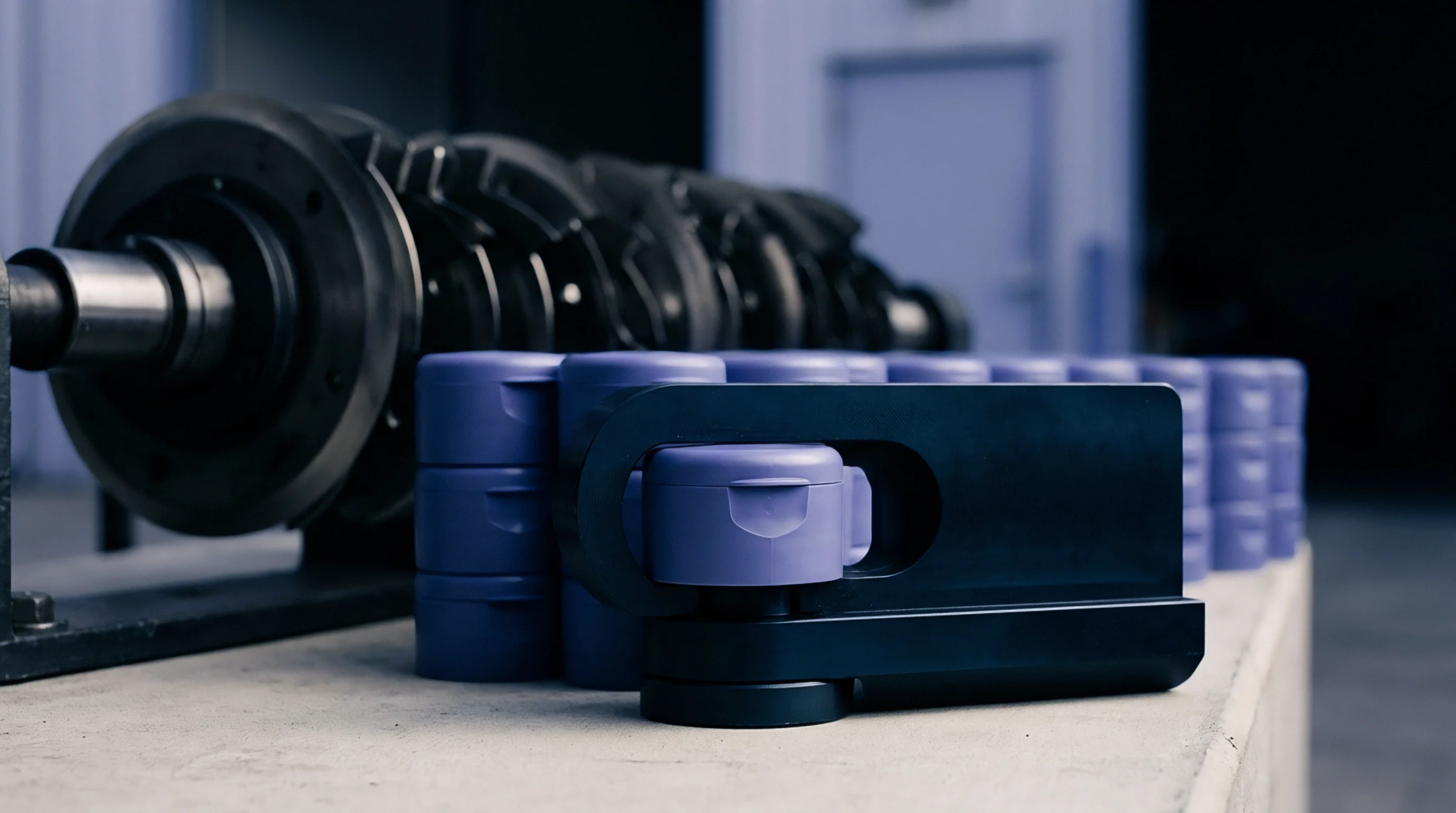
Quantifying ethylene rubber dispersion boundaries via DSC and microphase analysis prevents impact failure and controls scrap rates in heterophasic polypropylene.
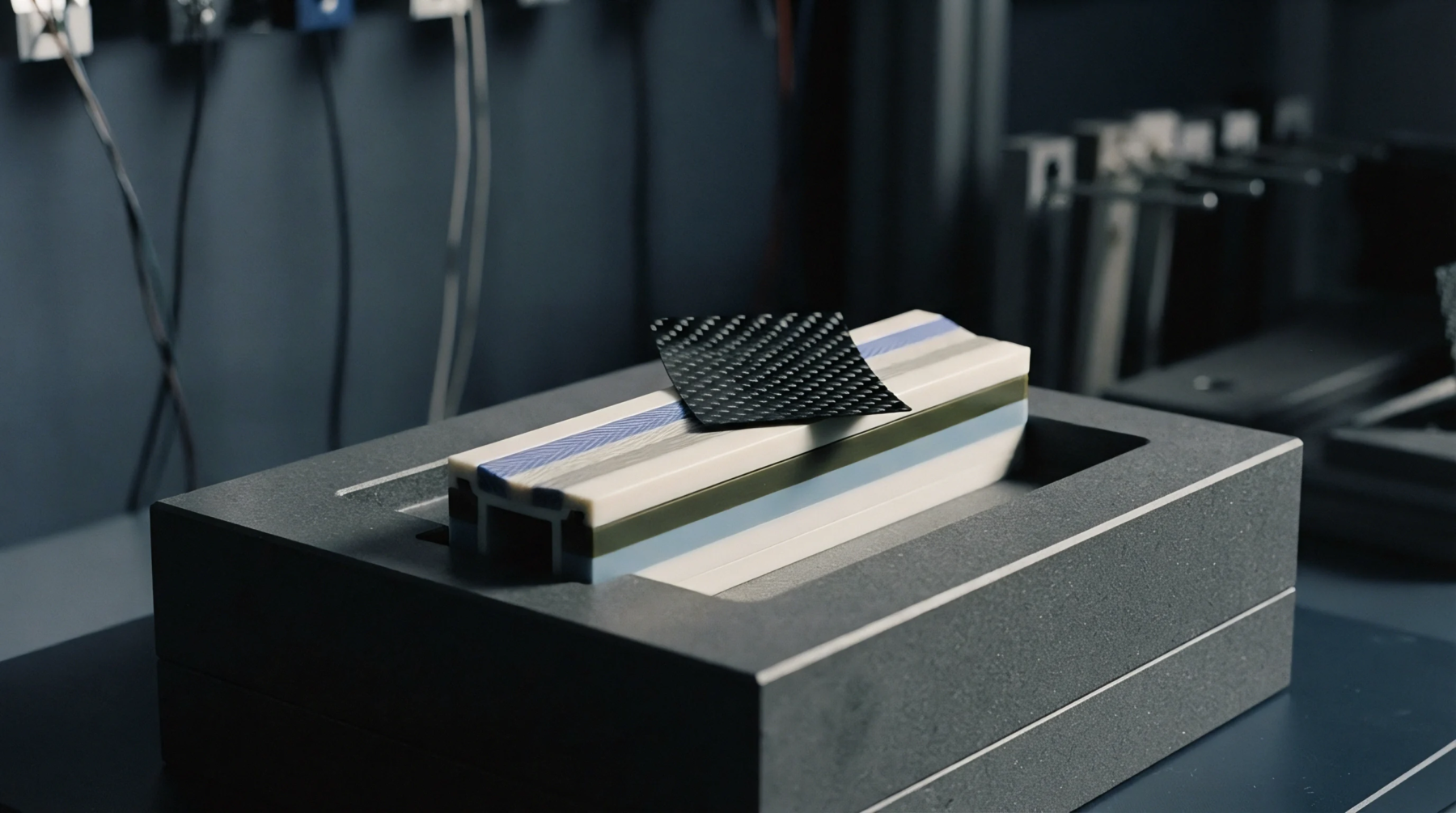
Selecting polypropylene block copolymers for cold automotive parts depends on balancing ethylene-propylene rubber phase dispersion with matrix melt flow rate.

Polypropylene impact copolymers sacrifice flexural modulus to gain sub-zero toughness through dispersed ethylene-propylene rubber domains in an isotactic matrix.
Expertise is a utility, not a secret. sentiention™ publishes its working knowledge as open reference: intelligence layer covering the materials it sources, the markets it enters, and the reference that serves both.