Meaning
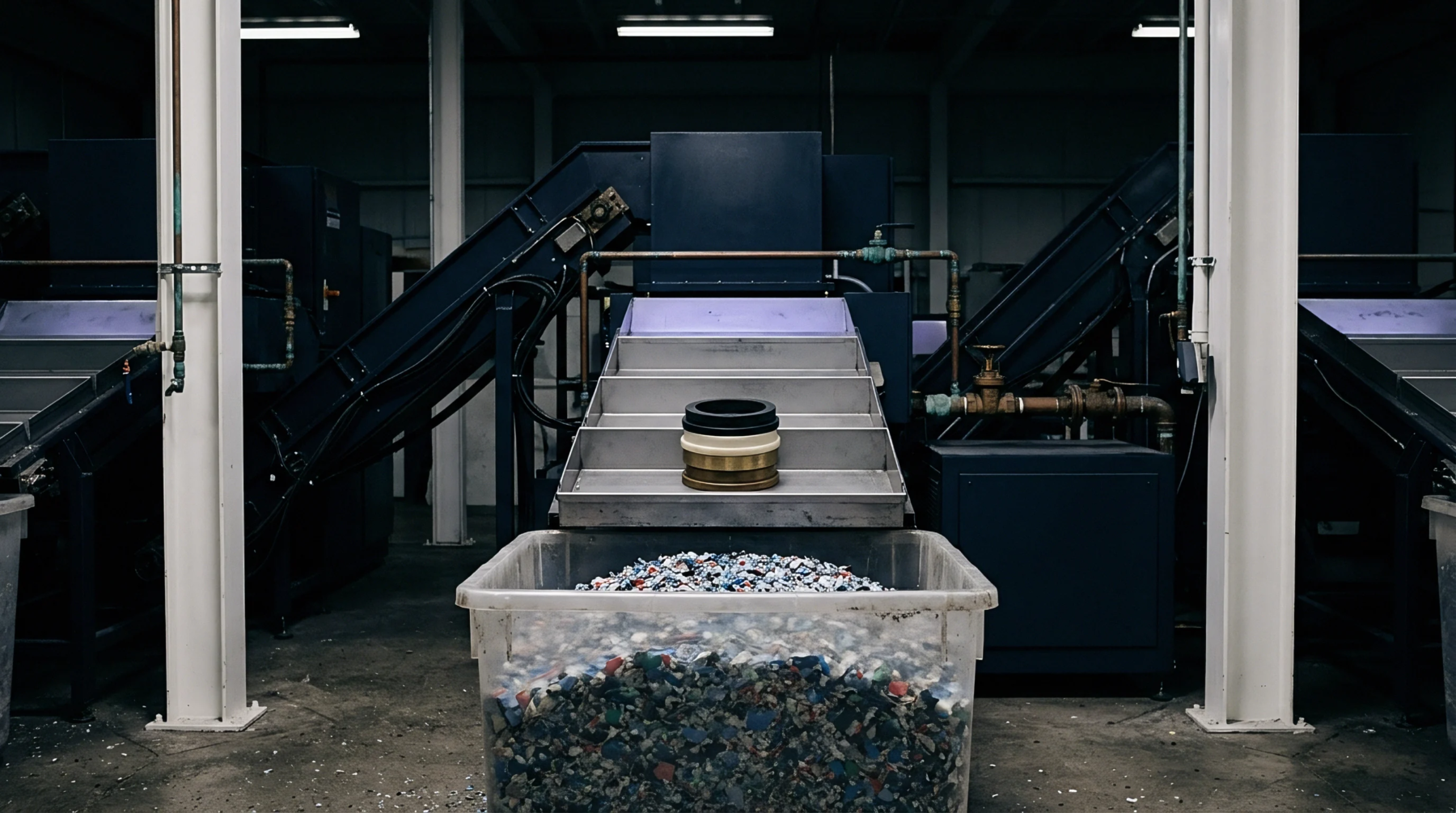
Recovered plastic material originates from items that reached their end use by consumers and underwent collection for recycling. Post consumer resin comprises polymers reprocessed after their initial life cycle ends. This grade differs from pre consumer streams because it includes contaminants from extended usage, handling or exposure.
It functions as a feedstock for new manufacturing processes. Quality standards define the limit of acceptable material degradation caused by prior use.
Sourcing Dynamics
Polymer supply chains prioritize this material to satisfy sustainability mandates. Procurement managers face hurdles when sourcing post consumer resin due to supply variability. Chemical purity depends on the sorting efficiency at facilities where mixed plastics arrive.
Consistency remains elusive because different collection regions provide distinct polymer blends. Moulders require detailed datasheets to assess thermal stability and flow characteristics. Variations in molecular weight during the melt process introduce defects like brittleness or discoloration in finished parts.
Virgin materials exhibit higher predictability regarding viscosity and mechanical strength than their recycled counterparts. Recycled pellets typically show larger deviations in batch properties which force injection specialists to adjust process parameters during production.
Production Variability
Processing equipment requires specific modifications to handle post consumer resin effectively. Increased moisture sensitivity demands rigorous drying stages before the feed enters the barrel. Fluctuations in melt flow index affect cycle times and clamp pressure settings.
Operators monitor back pressure carefully to mitigate the risk of degradation from excessive shear. Tooling geometry designed for virgin plastic sometimes creates high stress zones when using recycled feedstock. Parts manufactured with high percentages of these pellets might display surface finish imperfections or structural weaknesses.
Compensation for these traits involves slowing injection speeds or increasing holding time to stabilize the part dimensions. Cost management often involves blending percentages of recycled material with virgin supplies to keep unit prices stable while meeting composition requirements.
Economic Boundary
Market valuation of post consumer resin tracks the availability of sorted waste streams. Scarcity drives prices higher when regional regulations compel manufacturers to integrate recycled content into their products. Lower processing costs for virgin resins make recycled alternatives less attractive during periods of market glut.
Manufacturers evaluate the trade off between material expense and the regulatory burden of using non circular feedstocks. Part specifications dictate whether the resin meets structural requirements for high load components or merely serves as a filler for non critical housing units. Virgin plastic maintains a performance ceiling that recycled grades struggle to match without advanced stabilization additives.
Performance consistency relies on rigid control over incoming material grades. Technical hurdles in removing legacy pigments or chemical residues keep the price of high clarity recycled material above lower grades. The utility of this material depends on the ability of the moulder to maintain dimensional accuracy while managing unpredictable melt rheology.