
Isolating Metal Catalyzed Degradation Pathways in Recycled Polyolefin Blends
Isolating metal-mediated degradation in recycled polyolefins requires microwave acid digestion with ICP-MS and chelation stabilization to stop chain scission.
Isolating metal-mediated degradation in recycled polyolefins requires microwave acid digestion with ICP-MS and chelation stabilization to stop chain scission.

Phase inversion boundaries in recycled olefin fractions shift with shear rate, necessitating combined dynamic rheology and thermal analysis for domain sizing.

Mechanical recycling creates low-molecular-weight degradation products whose migration into food simulants requires batch verification and challenge-tested barriers.

Oxidation induction time testing at 200 °C establishes true additive depletion in recycled polypropylene before melt processing causes chain scission.

Non-isothermal kinetic models predict thermal-mechanical degradation in high-speed extrusion, allowing targeted stabilizer dosing to prevent molecular collapse.

Standardizing toxicological thresholds for unidentified photoinitiator degradants requires untargeted HRMS screening tied to strict TTC exposure caps.

Determining non target screening thresholds requires deriving analytical detection limits from toxicological thresholds divided by GC and LC response uncertainty factors.

High resolution mass spectrometry quantifies recycled packaging contaminants through matrix-matched response factors and structural threshold exposure modeling.

Decontaminated HDPE migration compliance relies on temperature-dependent Fickian diffusion models parameterized by matrix density and surrogate mass.

Intrinsic viscosity loss in reprocessed PET flake is quantified by dilute solution viscometry using ASTM D4603 to prevent structural failure in preforms.

Capillary rheometry establishes binding high-shear viscosity limits that prevent multicavity tool imbalance and part weight variance in post-consumer resins.

Analytical identification thresholds for polyolefin NIAS must be set to 10 ppb in simulants to prevent uncharacterized genotoxins from voiding food contact dossiers.
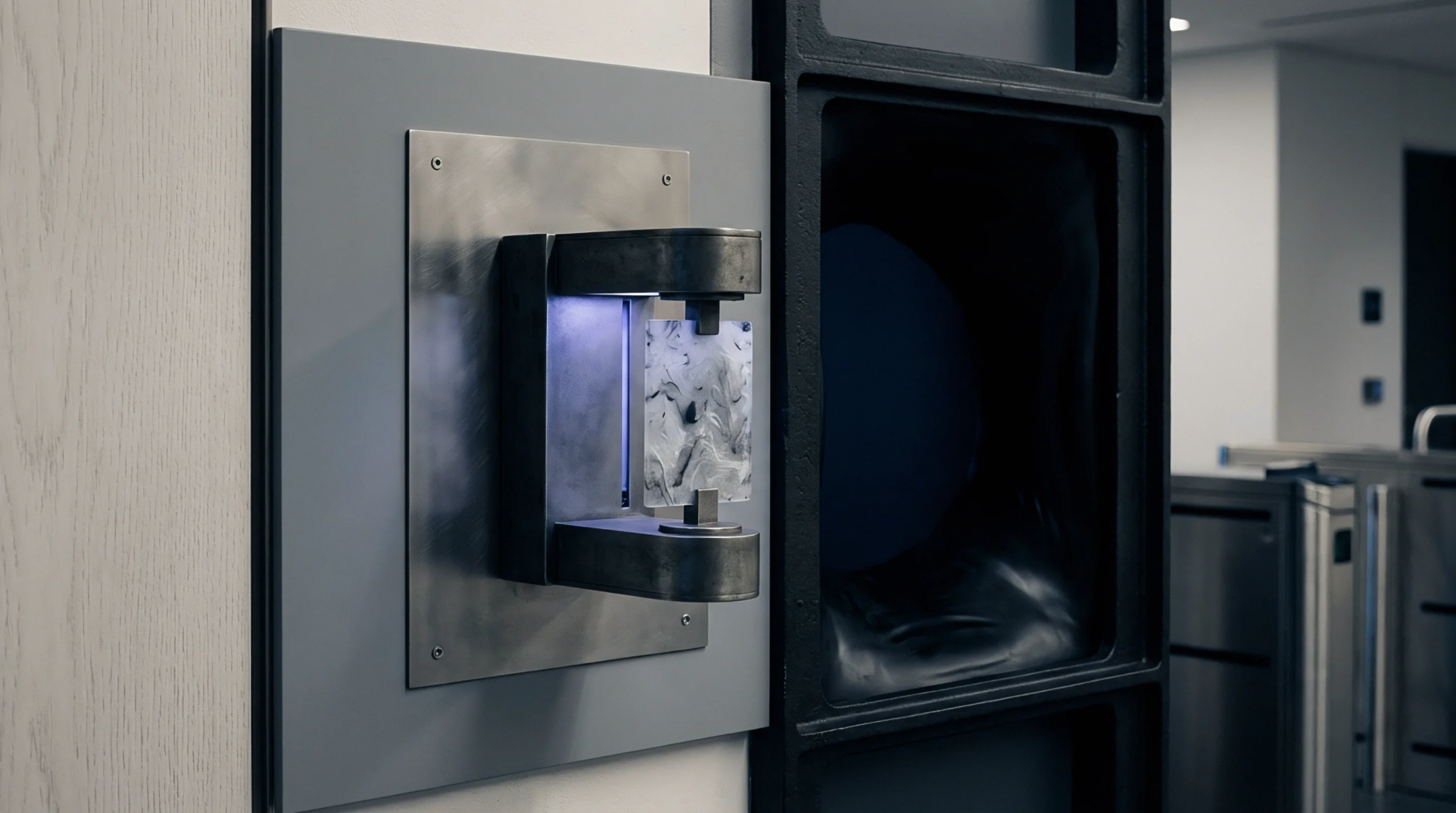
Headspace volatile extraction quantifies residual odorants and degradation products in recycled resin to establish compliance and prevent lot failures.
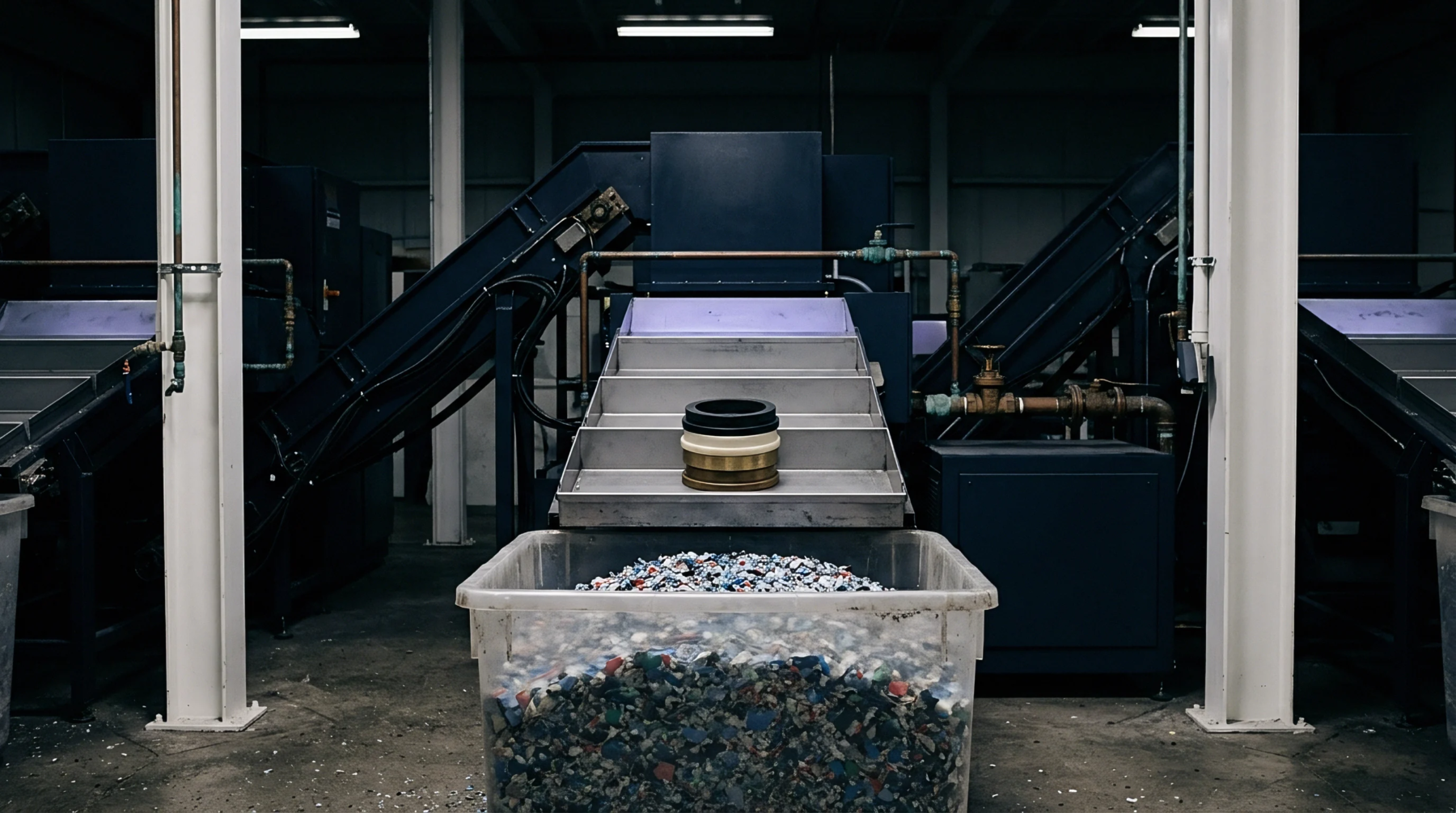
Post-consumer resin dossiers require dual GC-HRMS and LC-HRMS screening with response-factor modeling to establish NIAS toxicological thresholds below 10 ppb.
Expertise is a utility, not a secret. sentiention™ publishes its working knowledge as open reference: intelligence layer covering the materials it sources, the markets it enters, and the reference that serves both.