Meaning
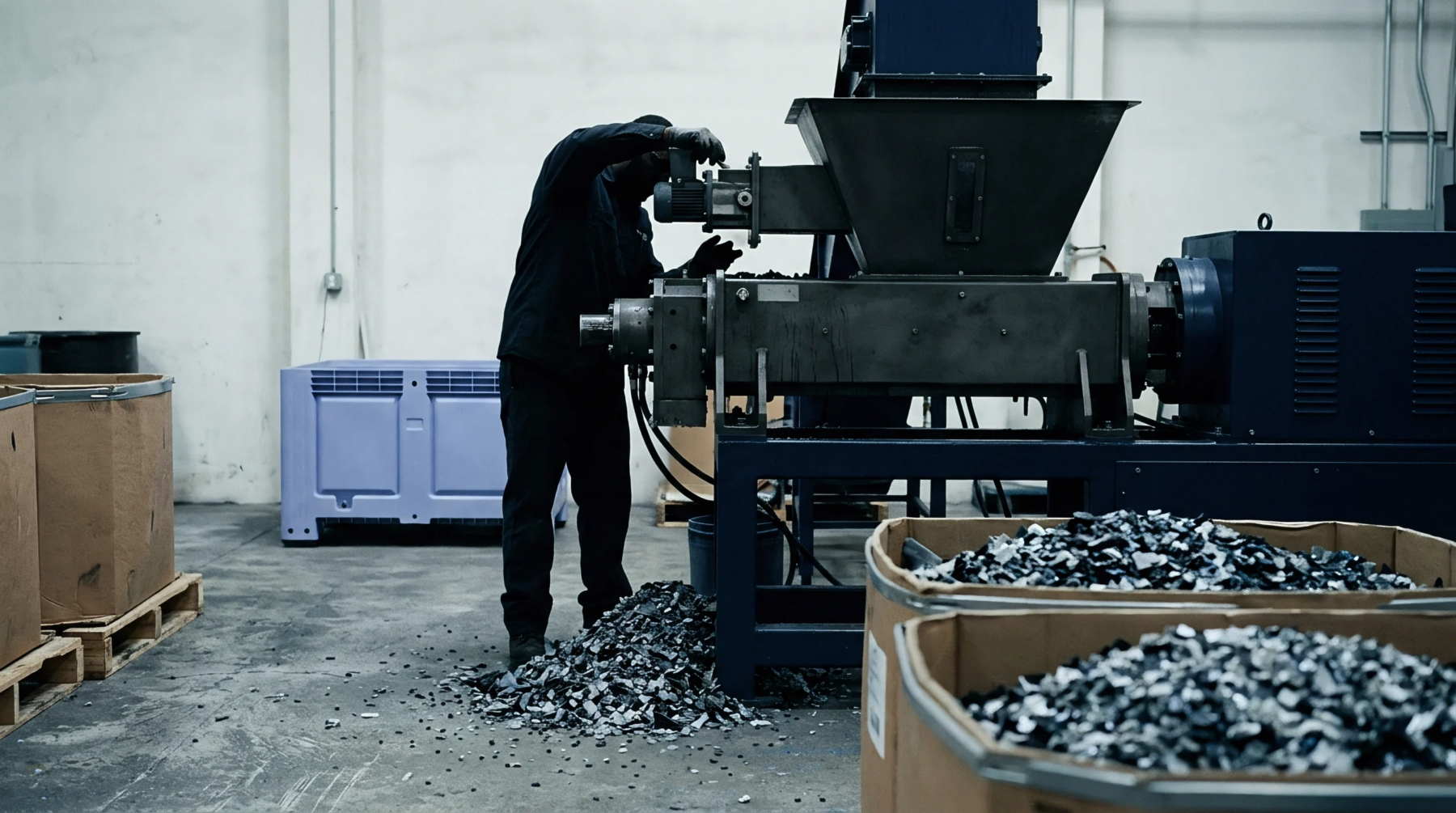
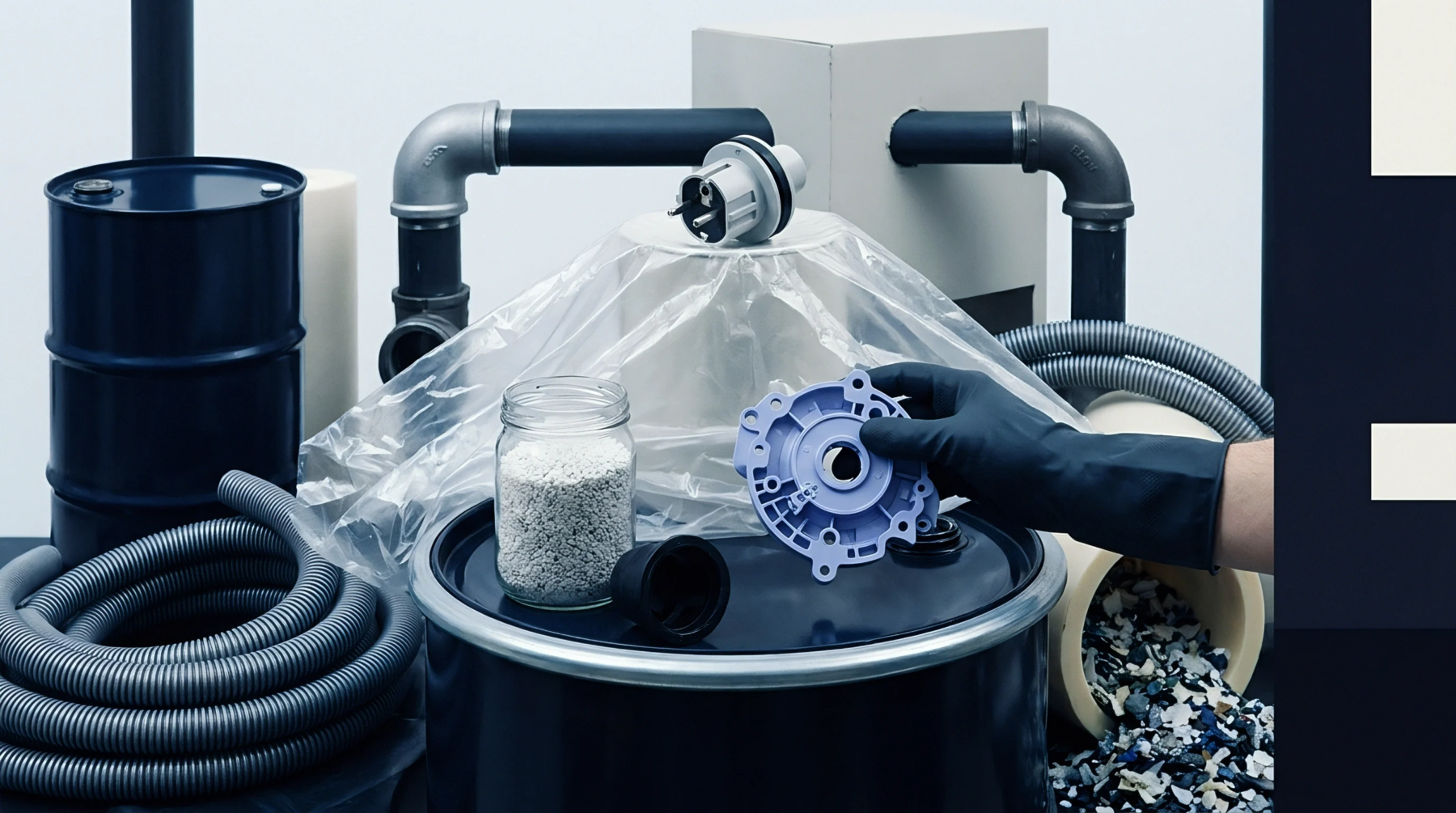
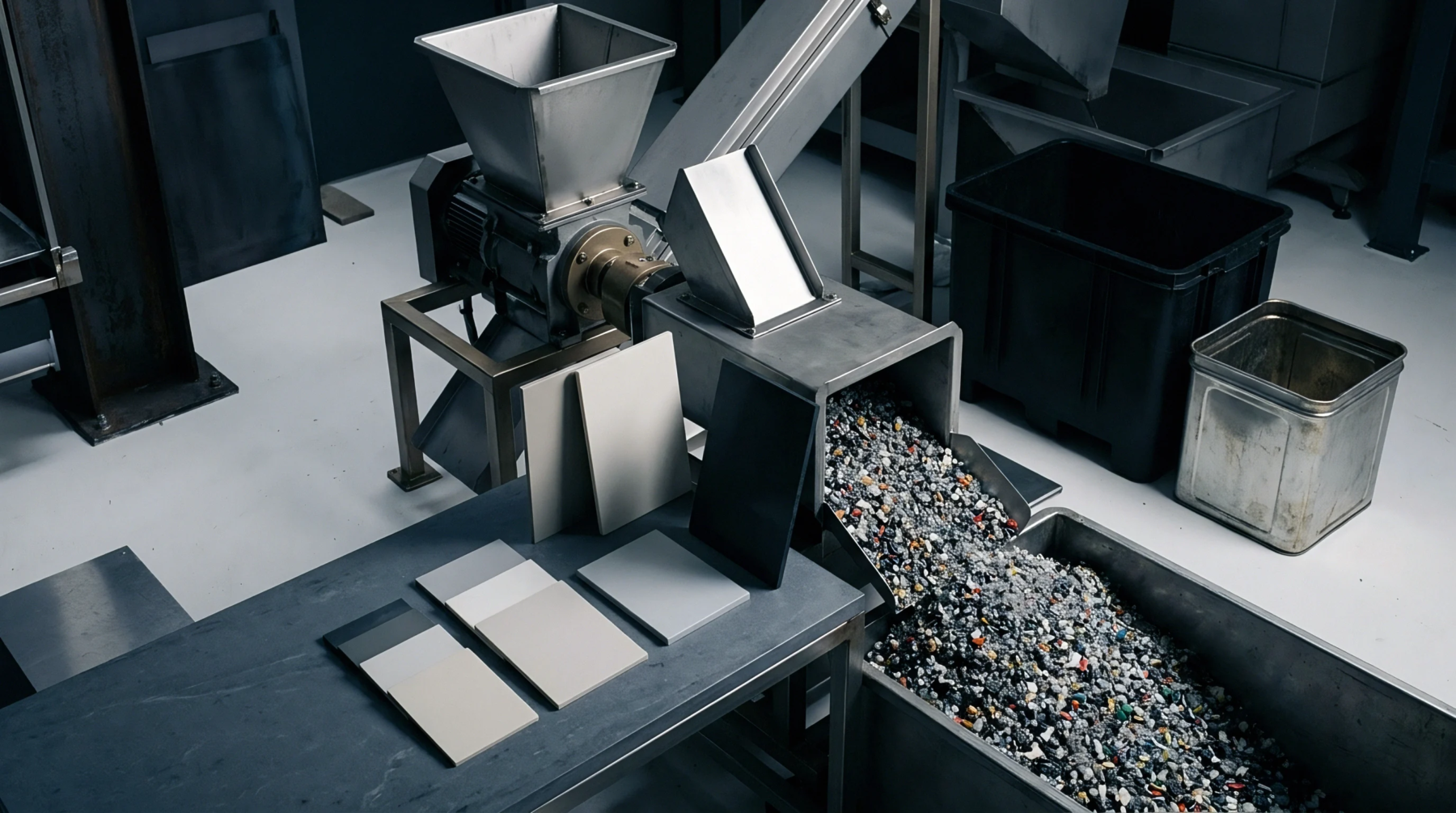
Recycled thermoplastic sourced from finished products that have been used and discarded by consumers provides an alternative to virgin resin. This post consumer polypropylene is collected, sorted, and reprocessed into pellets for use in new moulding applications. Utilizing this material contributes to circular economy goals and reduces raw material costs.
Material Characteristics
Contaminants and degraded polymer chains often alter the mechanical properties of the recycled resin. Compared to virgin polymer, post consumer polypropylene typically exhibits a lower impact strength and higher variability in melt flow rate. These differences must be characterized before the material is processed.
Sourcing Challenge
Securing a consistent supply of high-purity recycled resin is difficult due to the diverse sources of waste. Batches of post consumer polypropylene often contain trace amounts of other polymers like polyethylene. This cross-contamination can lead to poor adhesion between phases, resulting in mechanical weak points in the moulded parts.
Moulding Adjustment
Process engineers must adjust the injection parameters to accommodate the properties of the recycled resin. The use of post consumer polypropylene often requires the installation of fine melt filters to trap remaining solid impurities. Tooling might also need adjustment, as different shrinkage rates can cause the parts to drift from their dimensional specifications.
Adjusting the packing pressure and cooling time helps compensate for these variations, allowing the moulder to produce acceptable parts.