
Modifying Nominal Wall Sections during Injection Moulding Tooling Qualifications
Modifying nominal wall sections during tooling qualification requires balancing flow pressure drops against cooling cycle delays and steel-safe machining routes.
Modifying nominal wall sections during tooling qualification requires balancing flow pressure drops against cooling cycle delays and steel-safe machining routes.

Decoupled injection moulding decouples volumetric filling velocity from packing pressure to achieve tight tolerances and repeatable technical part production.

Elevating cavity packing pressure suppresses spherulite growth radius and reduces transverse matrix contraction in polyamides, holding DIN 16742 TG4 tolerances.
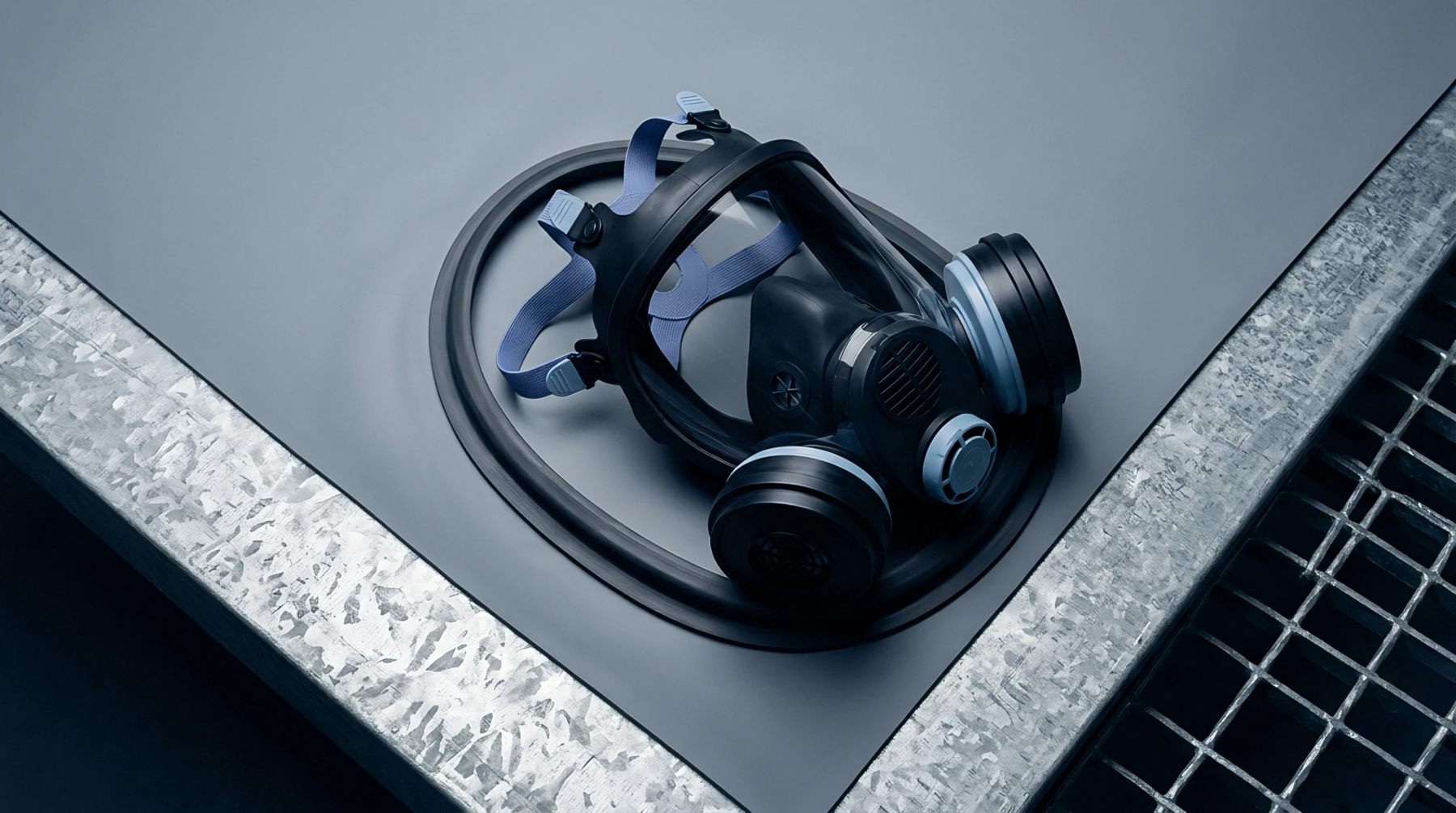
Press-side verification requires dynamic fill balance testing, telemetry pressure mapping, and individual cavity Cpk qualification before tool release.

Increasing peak cavity pressure compresses polyamide melt during solidification, directly counteracting phase-change volumetric shrinkage and tightening component tolerances.
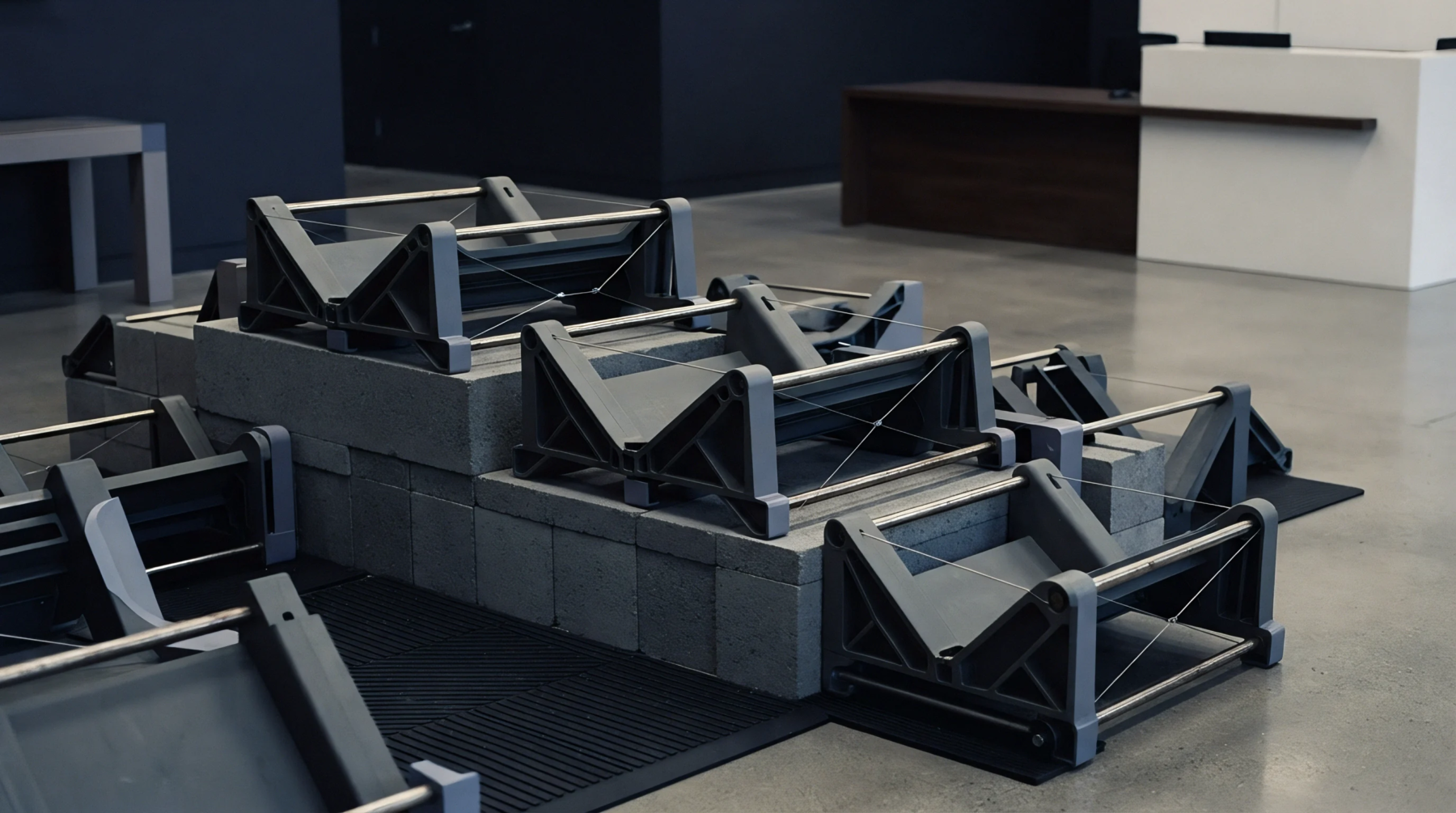
Dynamic multi-stage holding pressure profiles control core fiber relaxation, reducing transverse shrinkage differentials in glass-filled polyamide components.
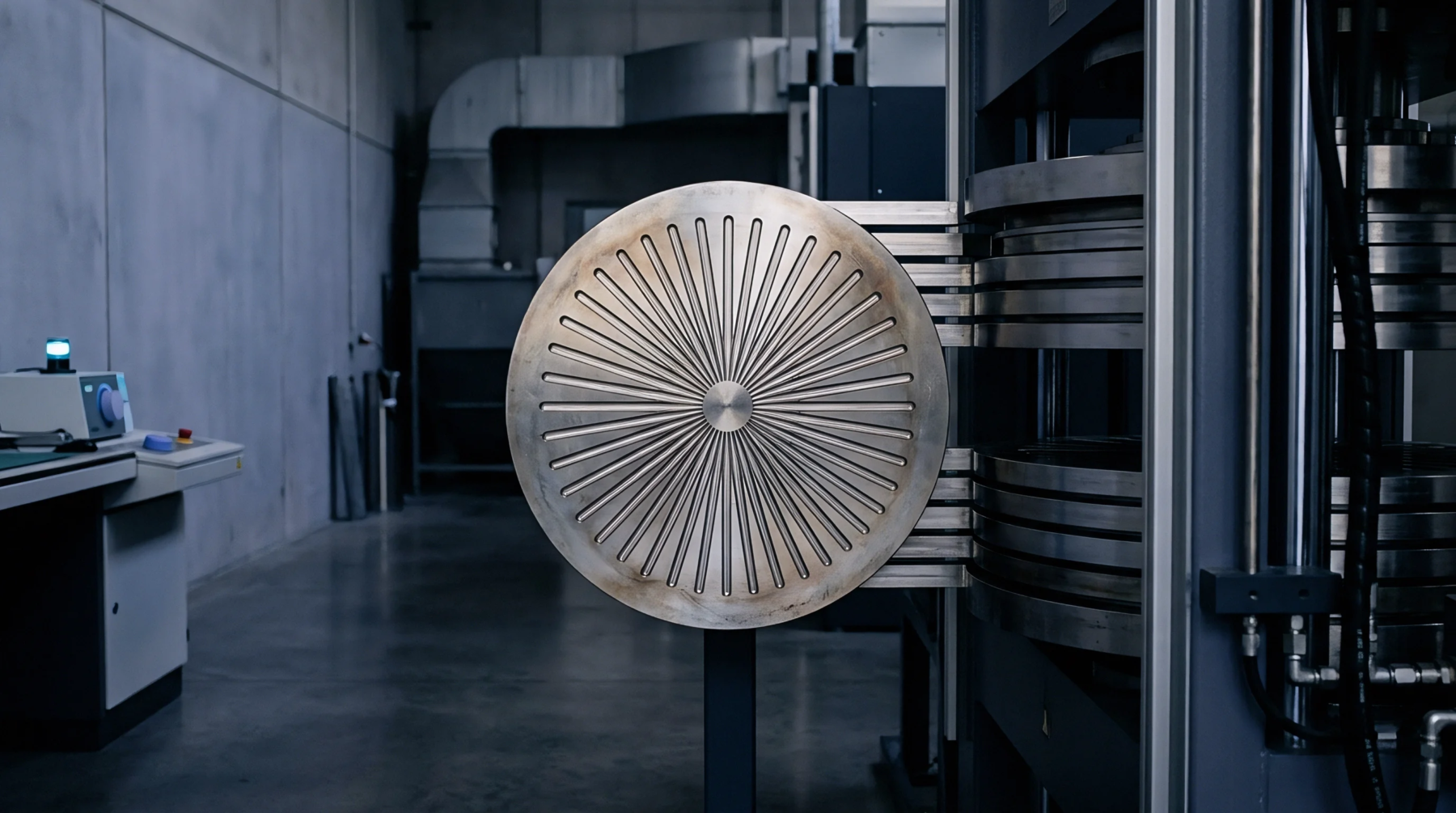
Dynamic cavity pressure drives micro-asperity deformation to boost polymer interfacial thermal conductance tenfold, demanding pressure-dependent heat transfer models for cycle optimization.
Sub-micron replication requires peak cavity pressures above 180 MPa paired with dynamic mold heating exceeding polymer Tg before melt arrival.

Direct pin pressure sensing in micro-moulds compensates for melt viscosity drift by dynamically adjusting injection speed to hold precise shear rates.
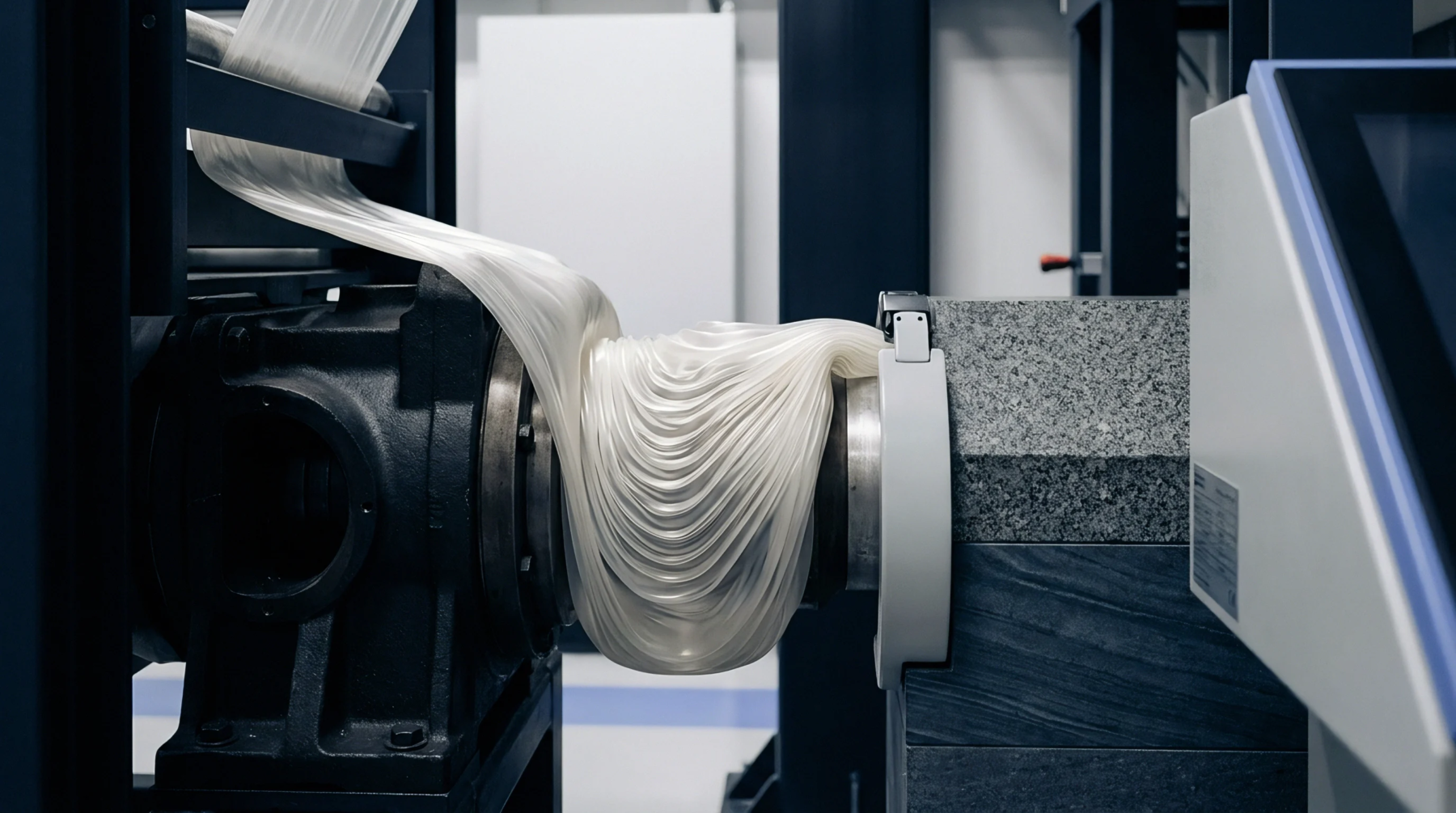
Calibrating transfer points via press-side viscosity curves optimizes fill pressure, cuts part mass variation, and locks in DIN 16742 tolerance bands.

Closed-loop servo valve gate control uses cavity pressure and needle position feedback to eliminate weight variance and cut cycle times in multi-cavity tools.

Dynamic piezoelectric core compensation applies localized physical packing during cooling to eliminate shrink voids and hold DIN 16742 TG3 tolerances.

Stepped packing pressure profiles decay holding force to match gate solidification, preventing secondary shear flow and mitigating glass fiber alignment warpage.
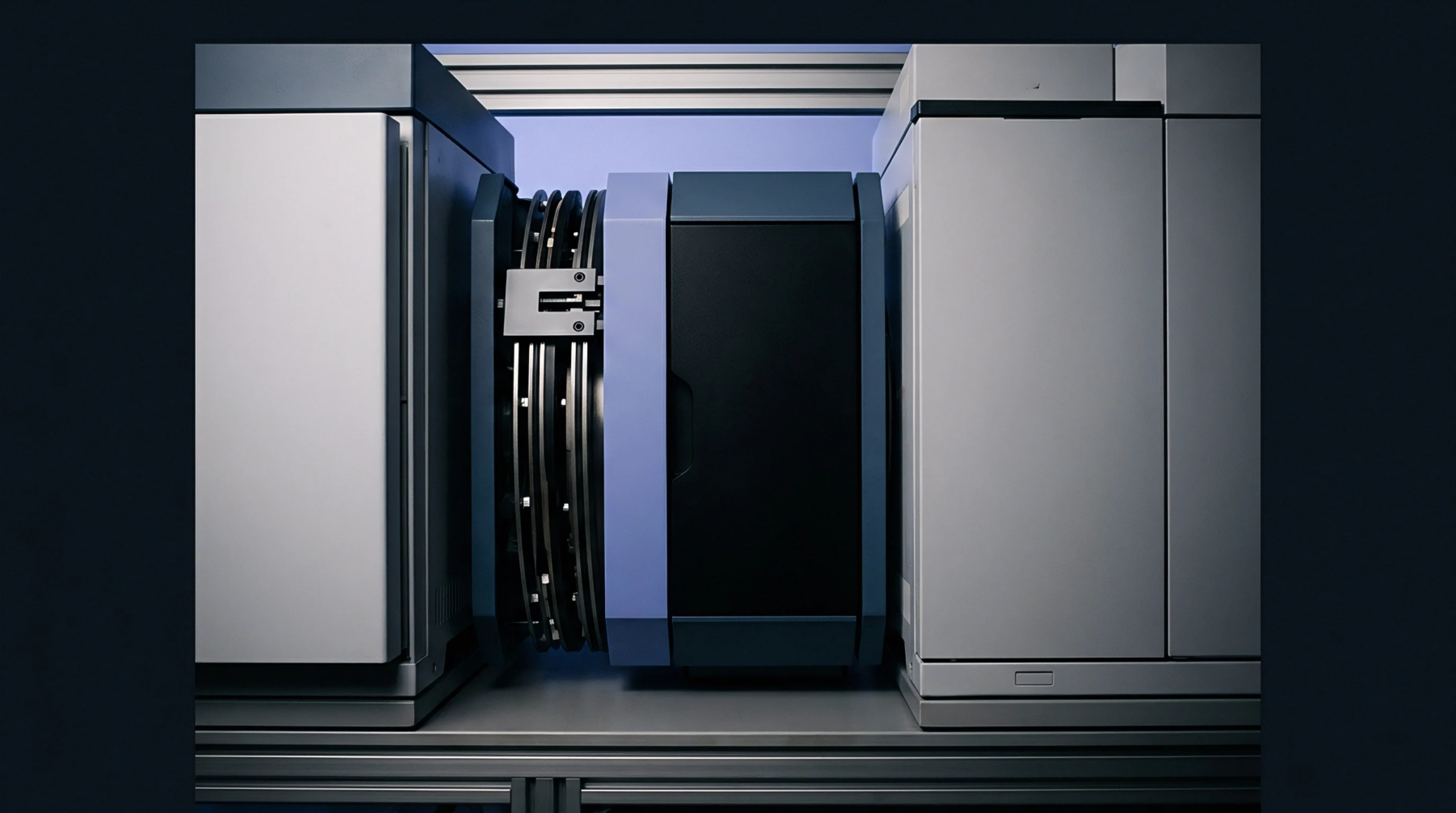
Decoupled cavity pressure control decouples melt rheology from machine mechanics, fixing peak pressure to guarantee tight dimensional stability.
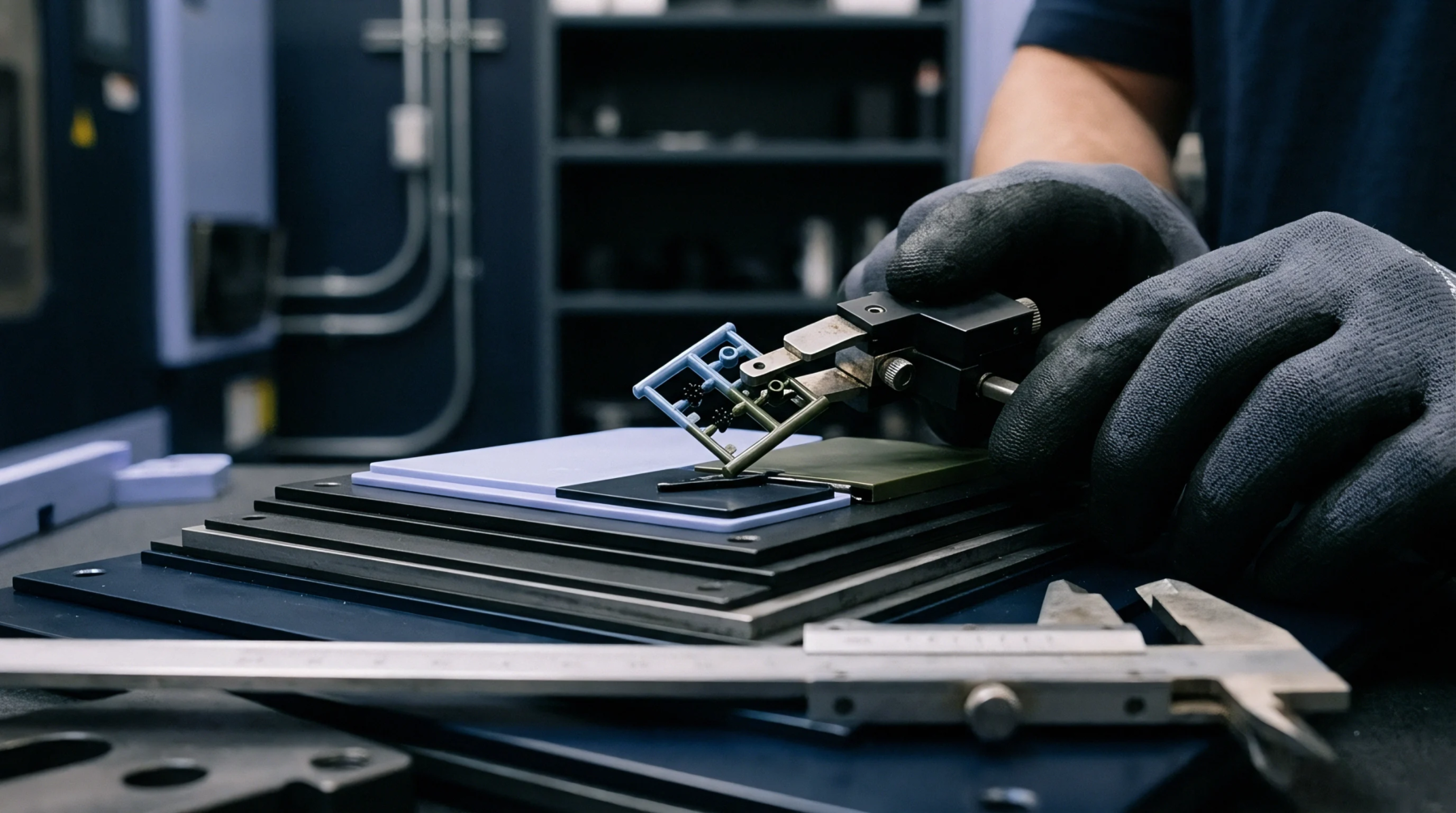
Closed loop algorithms calculate real-time melt viscosity indexes from injection work integrals to adjust switchover stroke and servo gate timing.

Closed-loop cavity pressure control stabilizes micro-injection molding by compensating for viscosity shifts and holding part dimensions within micron tolerances.
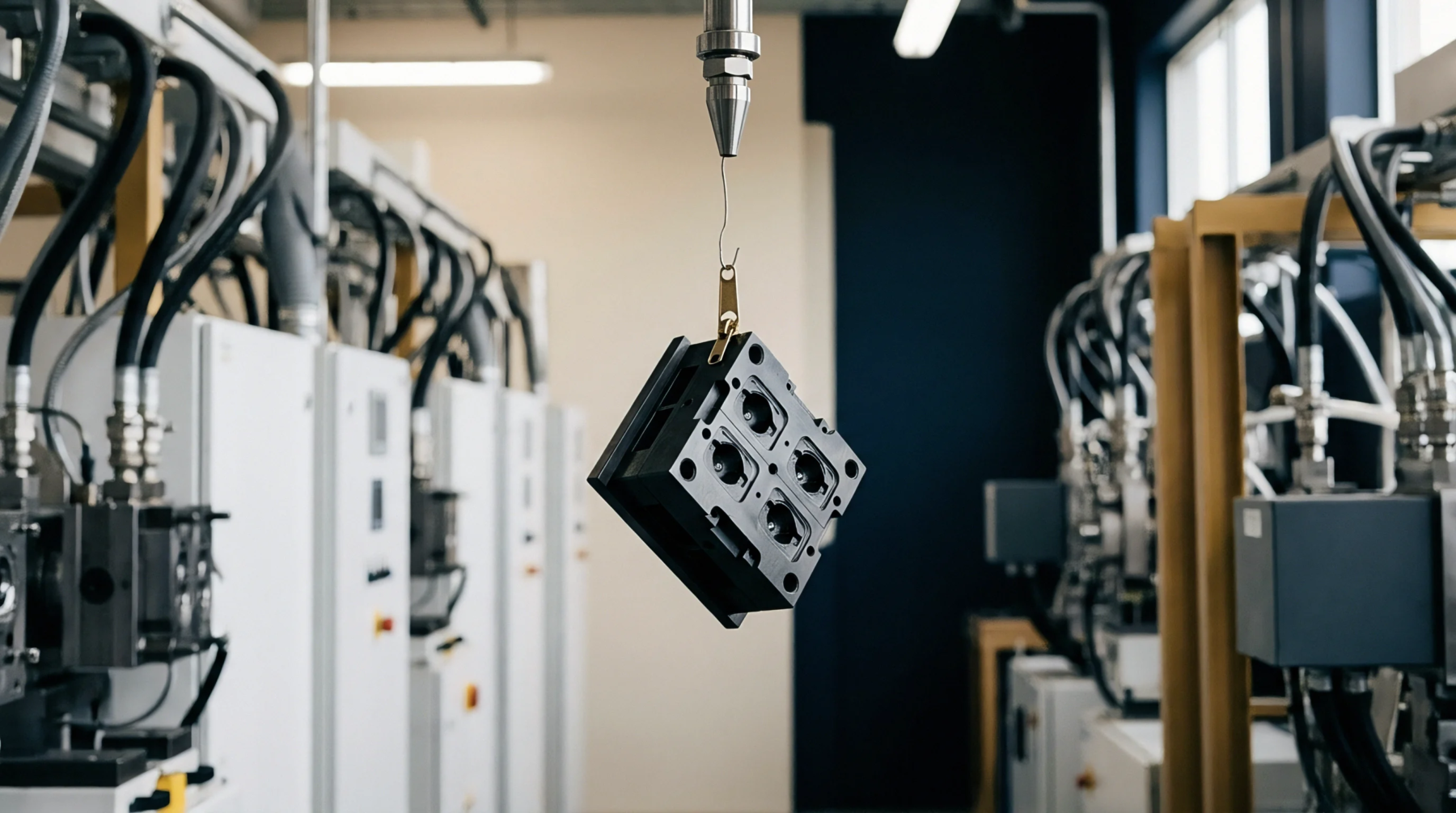
Calculate mold cavity dimensions using ISO 294-4 divisor formulas biased toward steel-safe limits to absorb material shrinkage variance before machining.

Naturally balanced manifolds require symmetrical 3D runner geometry, smooth transitions, and uniform thermal zones to ensure identical cavity filling.
Optimizing melt channel bifurcations with melt rotation geometry and stepped hydraulic diameters eliminates shear-induced viscosity gradients across cavities.

Arbitrating unabsorbed machine overhead losses from hydrolytic chain scission requires inline viscosity tracking, moisture logs, and clear quality contract addendums.

Balancing standing steel thickness below sixty percent of nominal wall and maintaining turbulent cooling prevents cosmetic sink marks.

Maintain wall transitions below a three to one taper ratio while balancing packing pressure to counter thermal volume loss before gate freeze.
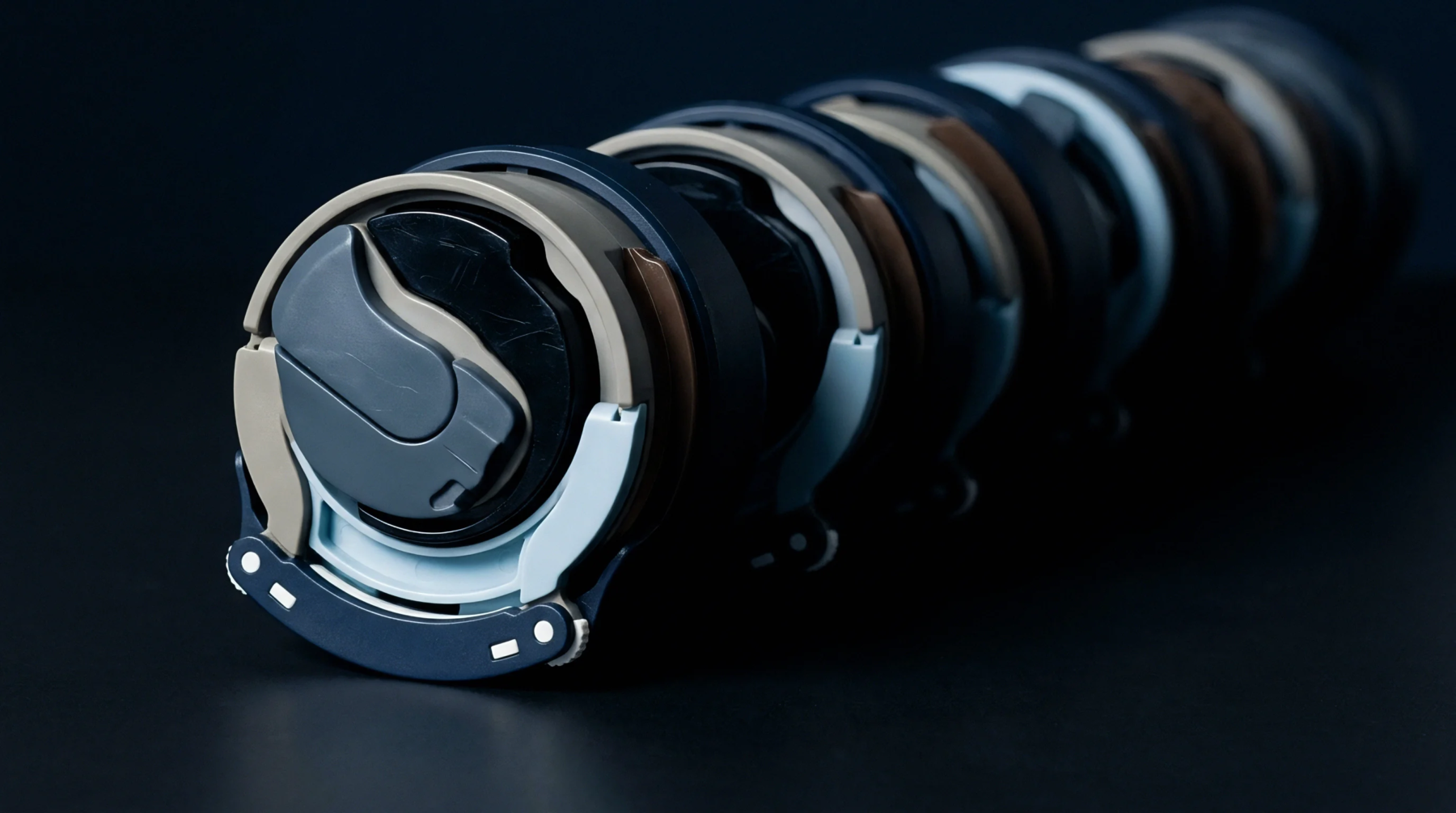
Scientific moulding balances multi-stage cavity pressure against gate freeze timing to eliminate differential shrinkage across non-uniform wall sections.
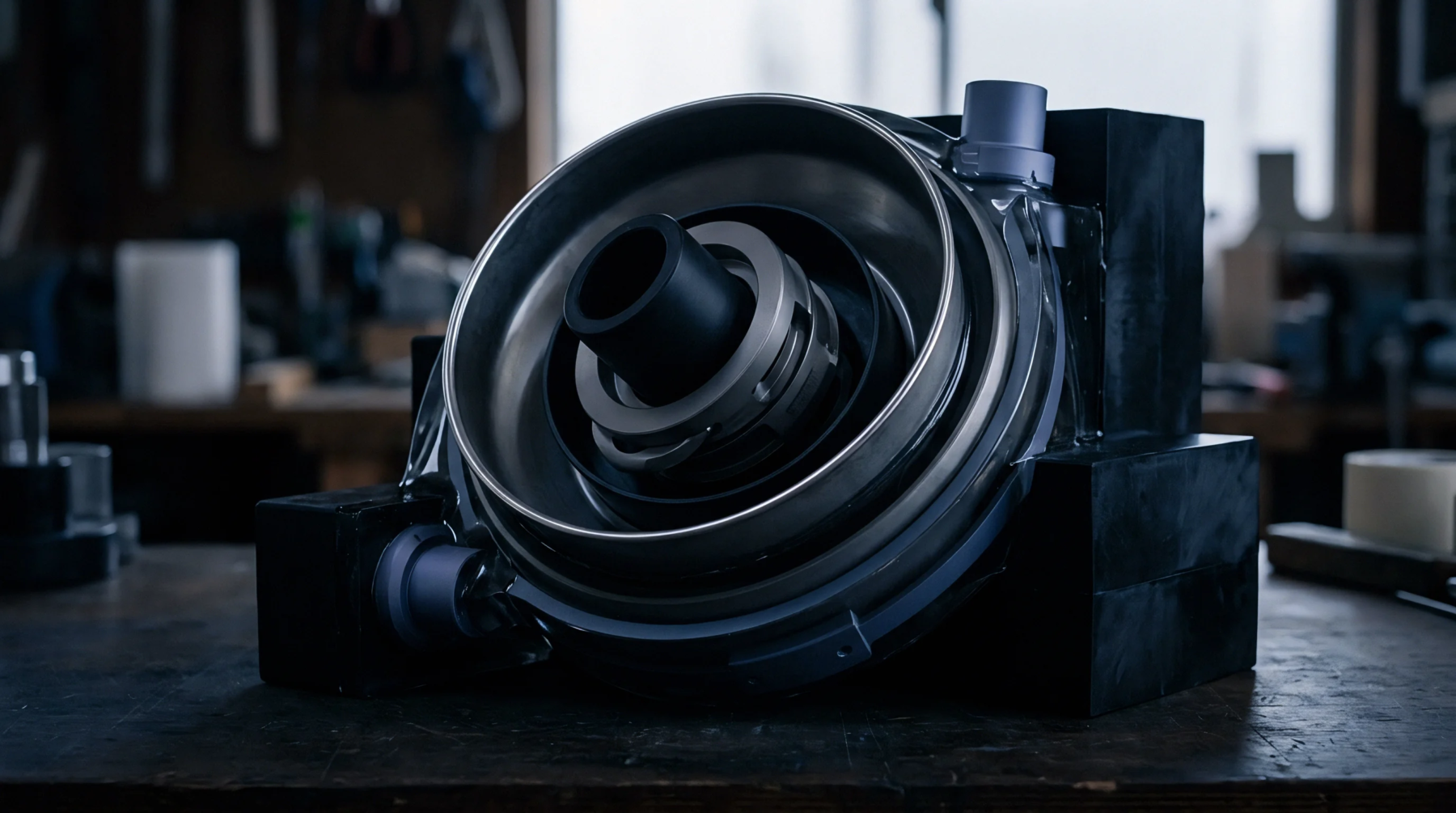
Dynamic deflection and pressure loss decay require rigid pre-loaded bolsters, tapered core interlocks, and rheologically balanced hot runner delivery.
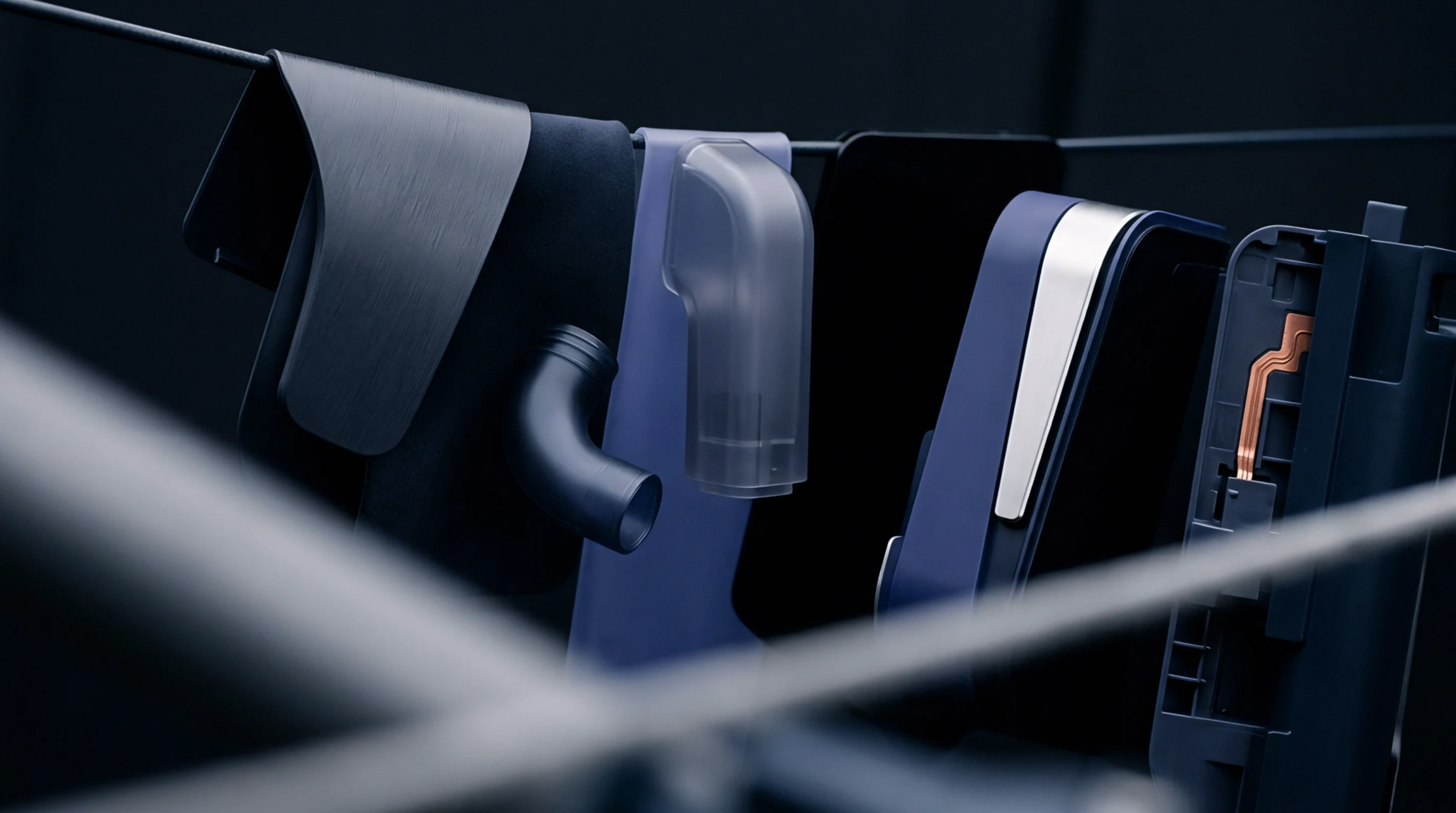
Rigid sensor pocket tolerances and in-press dynamic charge calibration isolate melt viscosity shifts from thermal pin deflection across multi-cavity tools.

Real-time cavity pressure monitoring directly senses melt compression to decouple filling stages, stabilize part weight, and automate scrap sorting at the press.

Calibrating pressure-dependent interfacial heat transfer coefficients eliminates cooling simulation drift and stabilizes cycle times within tight tolerance limits.

Quantifying defect migration and hydroxyl loss protects high temperature piezoelectric sensors against resistivity collapse and signal drift during tooling runs.
Predicting gate loss in contaminated PCR demands combining particulate kinetic energy equations with cavity pressure drift to schedule insert swaps.
Modular tooling with valve gates cuts changeovers to 30 minutes and trims cycle times, amortising higher initial tooling capital across program variants.
Expertise is a utility, not a secret. sentiention™ publishes its working knowledge as open reference: intelligence layer covering the materials it sources, the markets it enters, and the reference that serves both.