
Resolving Rheological Shear Balance Discrepancies in Cross Border Multi Cavity Escrow Transfers
Resolving multi cavity shear imbalance requires melt rotation technology and escrow release gates tied to DIN 16742 volumetric variance metrics.
Resolving multi cavity shear imbalance requires melt rotation technology and escrow release gates tied to DIN 16742 volumetric variance metrics.
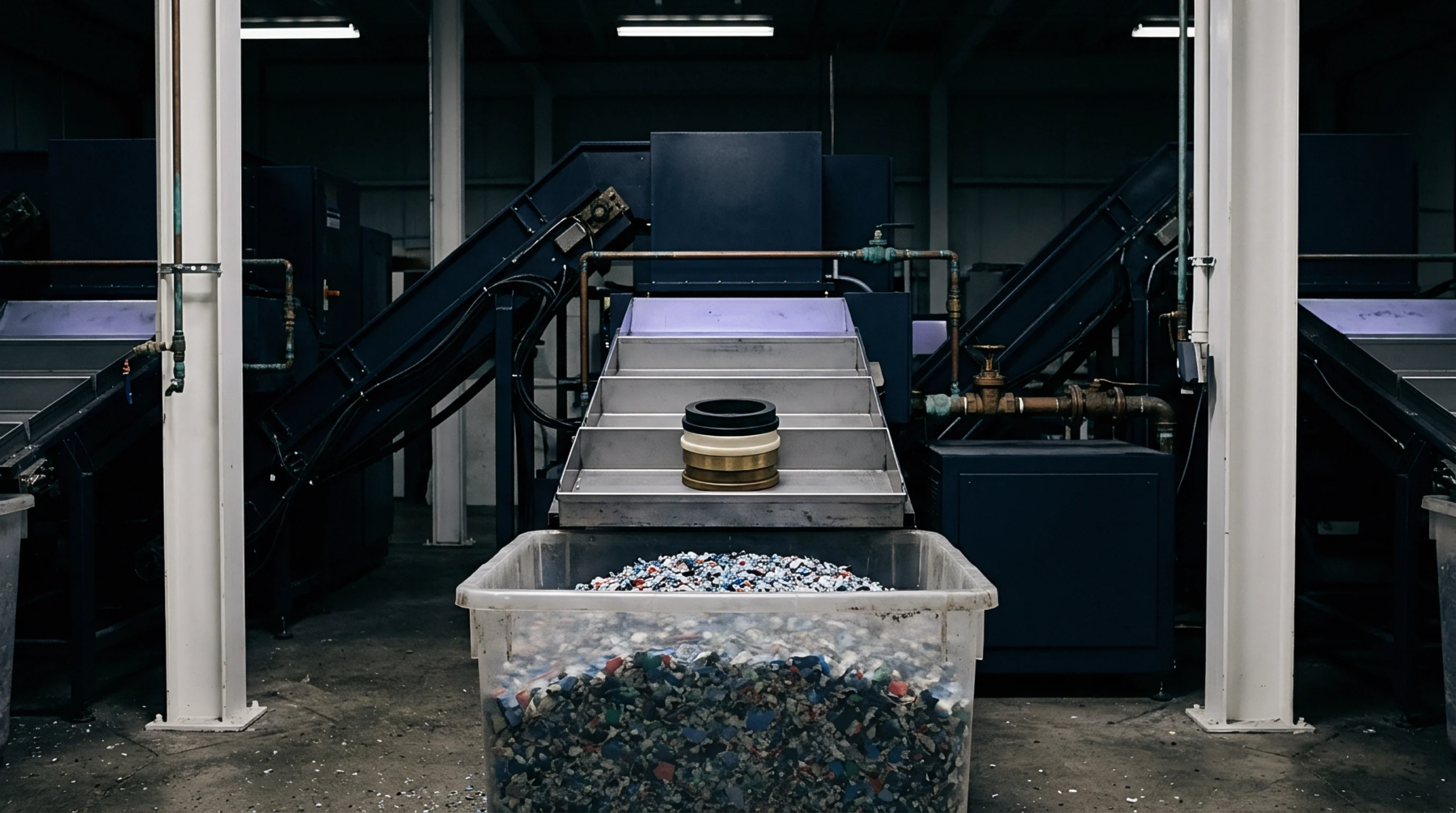
Dynamic viscosity algorithms adjust injection velocity and switchover pressure shot to shot to stabilize pack density when processing variable recycled resins.

Closed loop cavity pressure control isolates part dimensions from material viscosity shifts by triggering transfer and regulating packing directly from cavity telemetry.

High packing stress forces polymer skins into steel micro-grooves, increasing heat transfer while elevating ejection drag through viscoelastic keying.
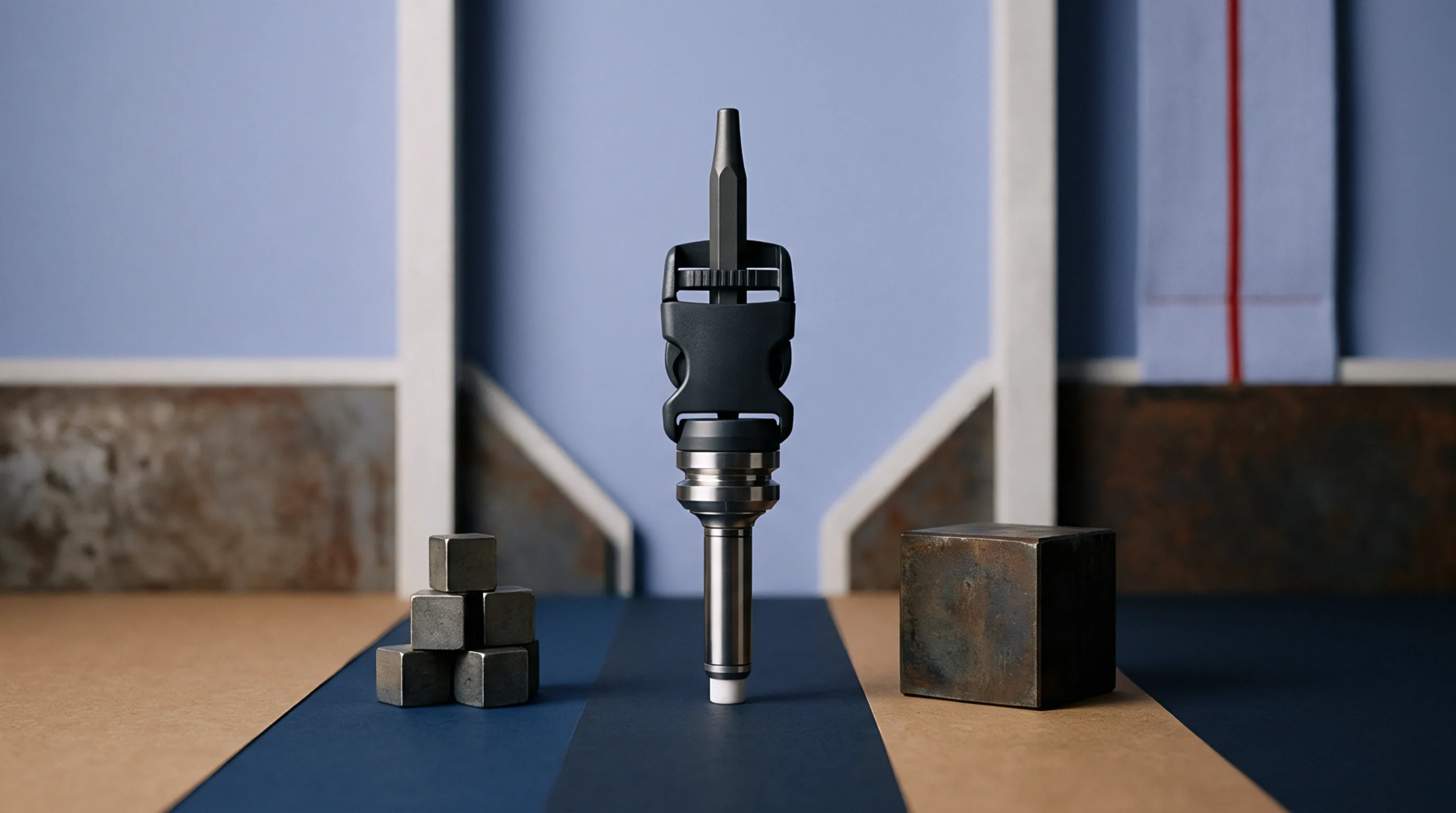
Multivariant cavity pressure curve area control locks optical lens center thickness within three micrometers by compensating dynamic resin viscosity shifts.

Real-time melt viscosity tracking decouples machine stroke from cavity dynamics, holding DIN 16742 tolerances across raw material batch shifts.
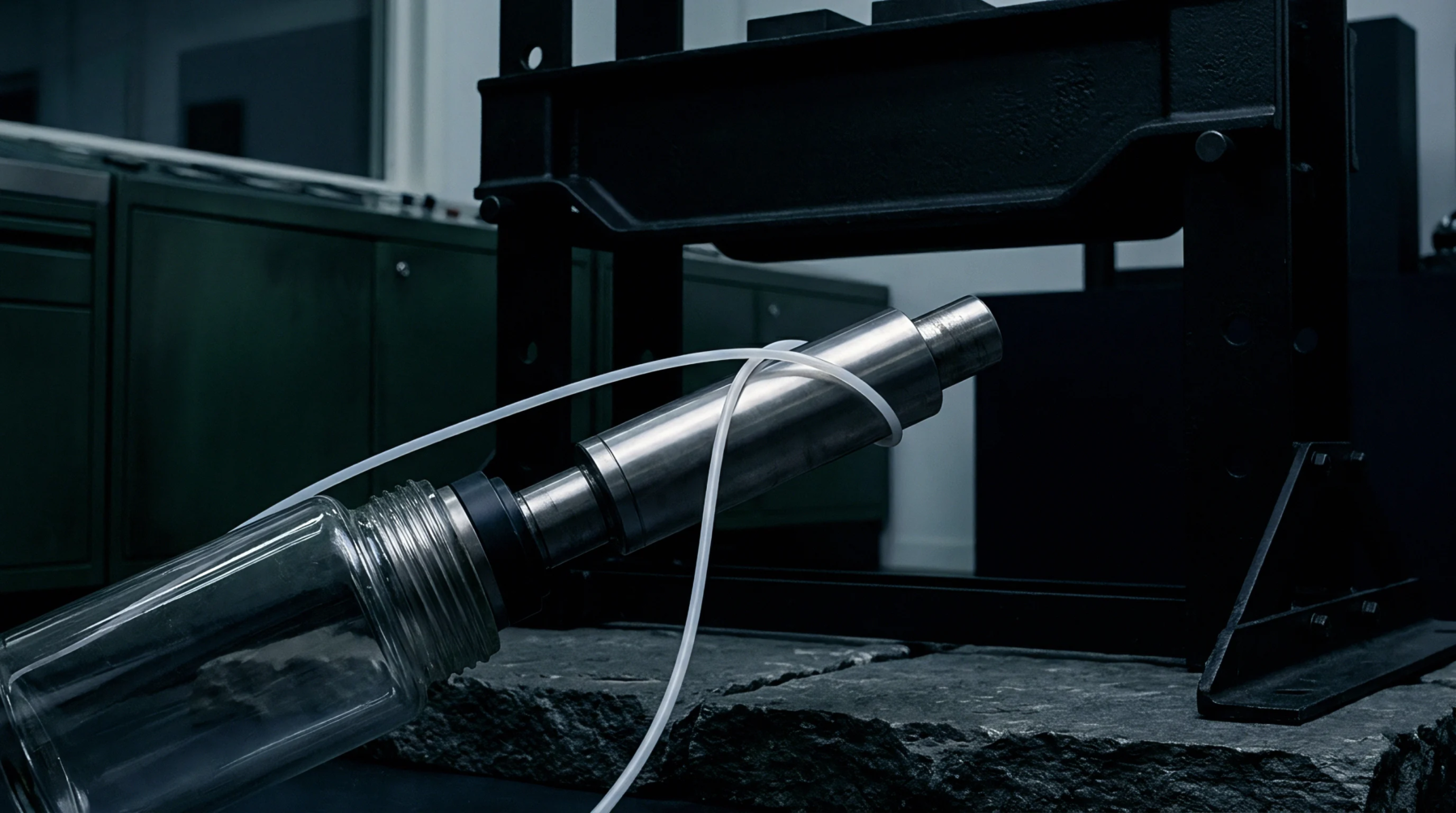
Calibrate solver thermal conductance against in-tool pressure and temperature telemetry to prevent costly mold re-cutting loops and secure tight tolerances.

Designing three-dimensional out-of-plane runner branch rotations balances cavity filling by symmetrically redistributing shear-heated boundary layers across splits.

Surface friction gradients across multi-cavity tooling cause uneven holding pressure transmission, generating cavity-to-cavity volumetric shrinkage disparities.

Tool title depends on stamped asset plates, perfected local filings, and cash reserves to discharge builder liens before cross-border stays lock the press.
Expertise is a utility, not a secret. sentiention™ publishes its working knowledge as open reference: intelligence layer covering the materials it sources, the markets it enters, and the reference that serves both.