
Recycled Content Claims Priced into a Packaging Tax Line
Recycled content tax claims require lot-specific EN 15343 audit trails and migration reports to withstand customs audits and avoid retroactive landed tax liabilities.
Recycled content tax claims require lot-specific EN 15343 audit trails and migration reports to withstand customs audits and avoid retroactive landed tax liabilities.

Excess residual moisture causes instant ester chain hydrolysis in molten PET, dropping intrinsic viscosity and destroying mechanical part strength.
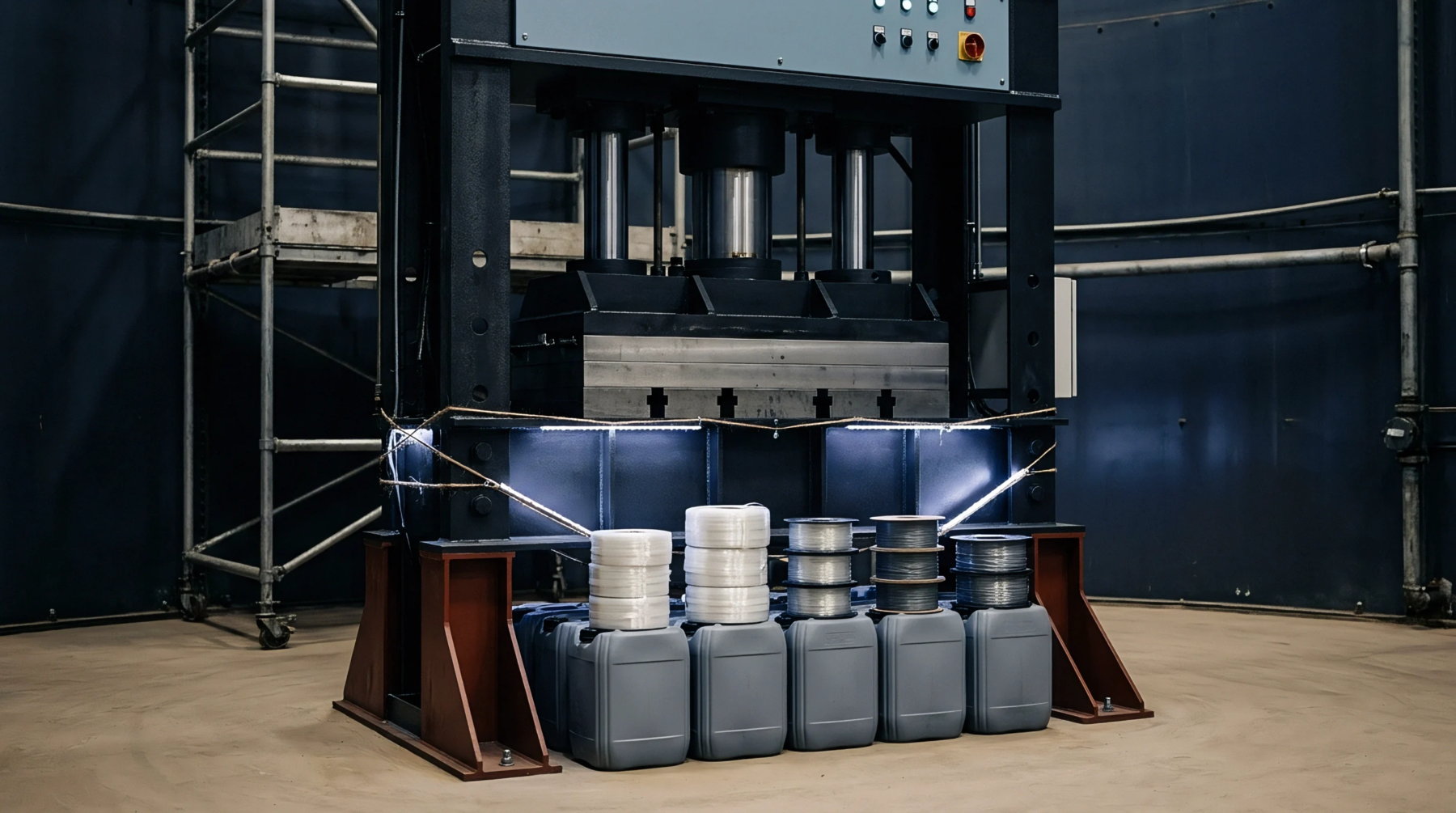
Polymer grade selection fixes mechanical properties, tool shrinkage, cycle time, compliance limits, and final landed part cost across production runs.

Recycled packaging tax exemptions demand verifiable post-consumer batch evidence, leaving mass balance certificates vulnerable to customs duty clawbacks.

Undisclosed post-industrial polymer additions breach express resin specifications when melt stability and impact properties diverge from prime baselines.

Biaxial strain hardening metrics dictate wall thickness uniformity in high draw thermoforming; matching plug dynamics to material hardening prevents blowout.

Mathematical integration models decouple physical moisture from thermal ester cleavage off-gas water to ensure accurate resin quality control.

Coulometric baseline deconvolution separates true matrix moisture from organic volatile interference in rPET, preventing false lot rejections and IV degradation.

Matching resin melt stability and wall thickness to regional waste facility residence times prevents unexpected landed part cost escalation.

Polyethylene terephthalate ester bonds hydrolyze rapidly in melt above 270 °C, requiring drying below 30 ppm moisture to prevent intrinsic viscosity collapse.

ISO 1183 density testing determines customs tariff lines under Chapter 39; accurate classification demands exact fluid temperature control and plaque molding.

Detecting post-industrial additions relies on combining differential scanning calorimetry, high-shear viscosity sweeps, and oxidative induction testing on arrival.
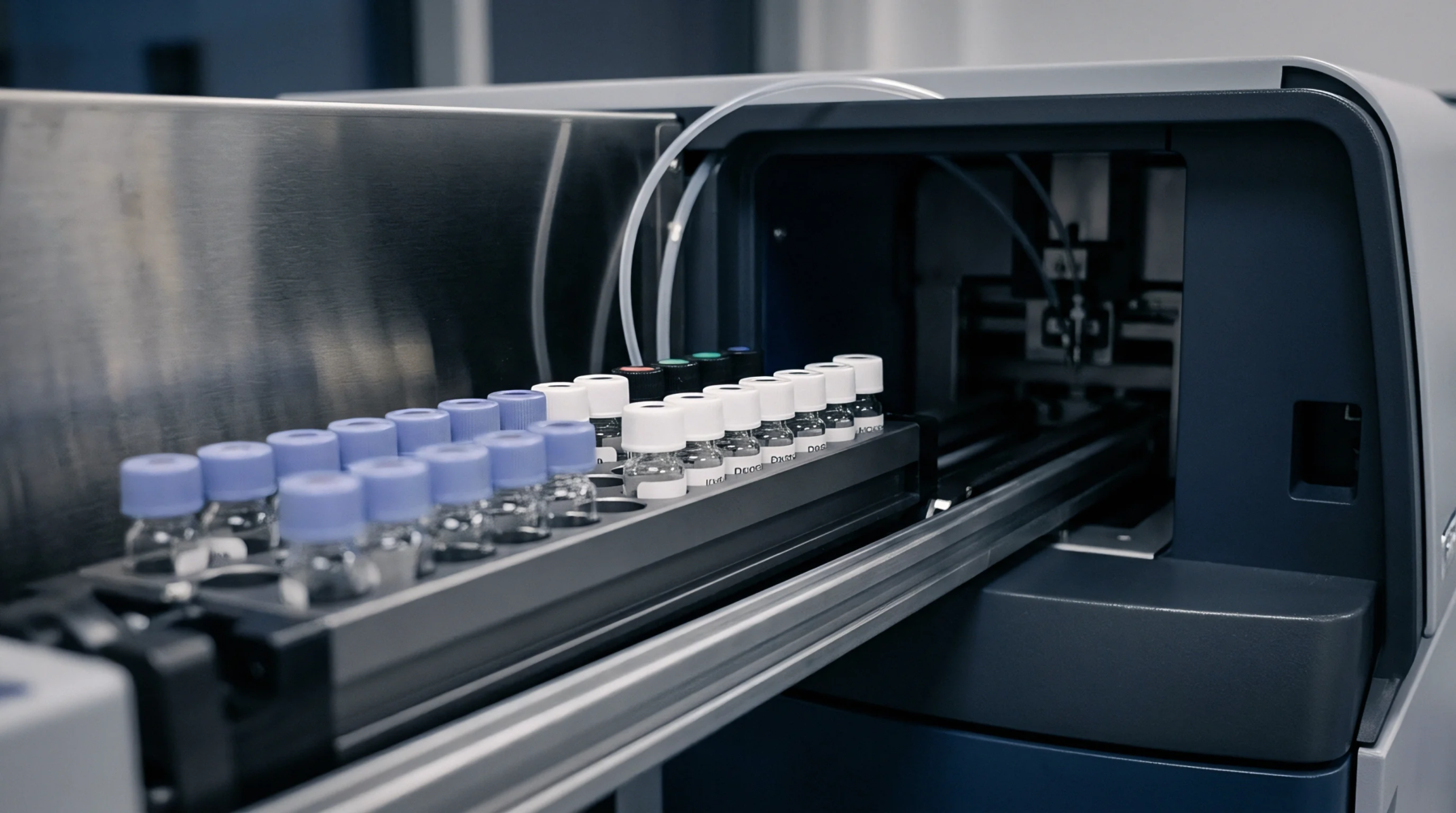
Solid-phase transesterification releases stoichiometric reaction water during vaporization coulometry, creating analytical bias that requires linear baseline deconvolution.
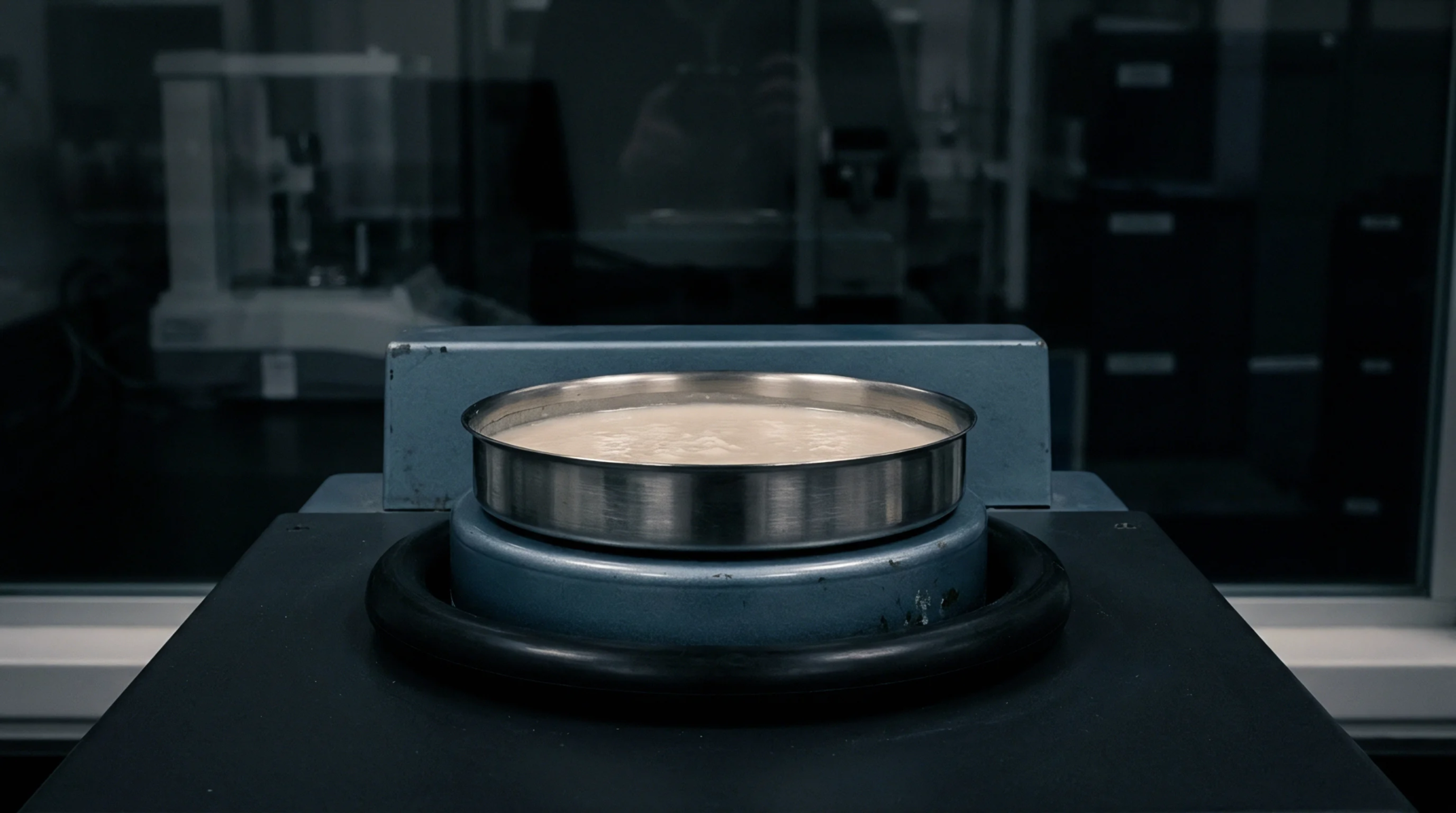
Zero-shear viscosity limitations prevent physical separation of hydrolyzed polymer fractions when short-chain plasticization and viscous fingering collapse flow differentials.

Exemption from plastic packaging taxes requires EN 15343 chain-of-custody dossiers and mass balance ledgers backing physical PCR fractions above statutory thresholds.
Characterizing polymer chain scission in rPET lots requires pairing solution viscometry with end-group titration to quantify backbone loss and dryer failure.

Controlling thermal and hydrolytic degradation in polyhydroxyalkanoates requires drying under 200 ppm water, active vacuum devolatilization, and targeted carboxyl scavenging.

Melt flow rate fails to catch high-shear viscosity drift in dynamic feedstocks, requiring capillary rheology and inline pressure monitoring to control scrap.

Multi-party moisture disputes depend on ISO 15512 Method C baseline sampling at loading and container dew point tracking before silo transfer.

Undeclared regrind in virgin polymer collapses oxidation stability and broadens viscosity bands, increasing landed cost per good part despite initial pellet discounts.

Resin moisture correlates to air dew point only at thermodynamic equilibrium; diffusion kinetics and hopper dwell dynamics govern actual Karl Fischer values.
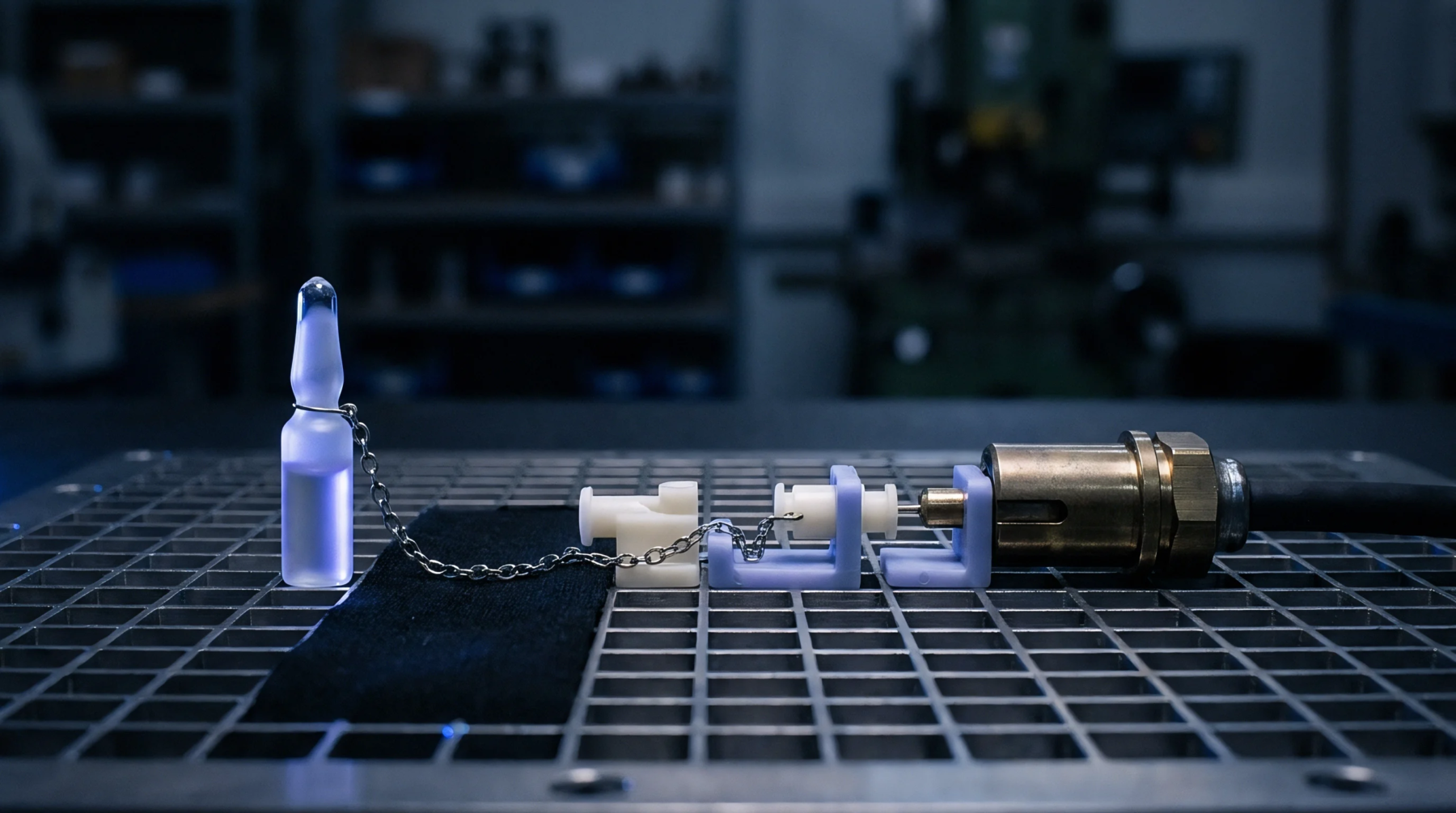
Contractual risk allocation for reprocessed resin requires rigid specification bounds, quarantine controls, and clear price deduction mechanics.
Cross-border recyclate contracts fail when test protocols omit equipment calibration, sample preparation, and moisture-proof sampling methods across jurisdictions.

Polyolefin recyclate quality verification relies on multi-temperature melt flow testing, oxidation induction time, and continuous screen filtration tracking.

Coulometric Karl Fischer titration with thermal desorption isolates true moisture in bio-polyesters, preventing false readings from monomer breakdown and avoiding melt hydrolysis.

Dynamic gravimetric dosing paired with feed throat NIR spectroscopy dynamically adjusts additive letdown ratios to hold recyclate compounds within tight quality specs.

Polyester moisture extraction follows temperature-dependent Fickian diffusion, requiring dew points below minus forty degrees to prevent melt hydrolysis.

Solid-state ester transesterification reaches absolute thermodynamic limits when glycol partial pressure matches local chemical potential in amorphous channels.

Optimize rPET desiccant drying at 160-170°C with -45°C dew point dry air to maintain moisture under 30 ppm and prevent intrinsic viscosity drop.

Selective thermal desorption and specialized reagent chemistry eliminate non-aqueous volatile errors during post-consumer recyclate moisture analysis.
Expertise is a utility, not a secret. sentiention™ publishes its working knowledge as open reference: intelligence layer covering the materials it sources, the markets it enters, and the reference that serves both.