Analytical Metrology and Restabilization Procedures for Post-Consumer Flake
Stabilizing post-consumer flake requires baseline infrared oxidation metrology paired with balanced phenolic-phosphite packages to prevent melt chain scission.
Stabilizing post-consumer flake requires baseline infrared oxidation metrology paired with balanced phenolic-phosphite packages to prevent melt chain scission.
Rebuilding intrinsic viscosity in scissioned rPET requires pre-crystallizing pellets to 40% to prevent sintering and controlling gas-phase ethylene glycol partial pressure below 0.05 mbar.
Potentiometric titration of carboxyl end groups quantifies thermal hydrolytic history in rPET lots, revealing latent processing damage and driving lot pricing.
Hydrolytic degradation thresholds require drying virgin polyesters below 0.02 percent and polyamides below 0.10 percent water before melt processing.

Drift calibration isolates cell background current from true sample moisture, preventing hydrolytic degradation and avoiding false incoming resin lot rejections.
Polyethylene terephthalate trace moisture determination relies on Karl Fischer coulometric oven extraction at 170 to 180 degrees Celsius to prevent chain scission.
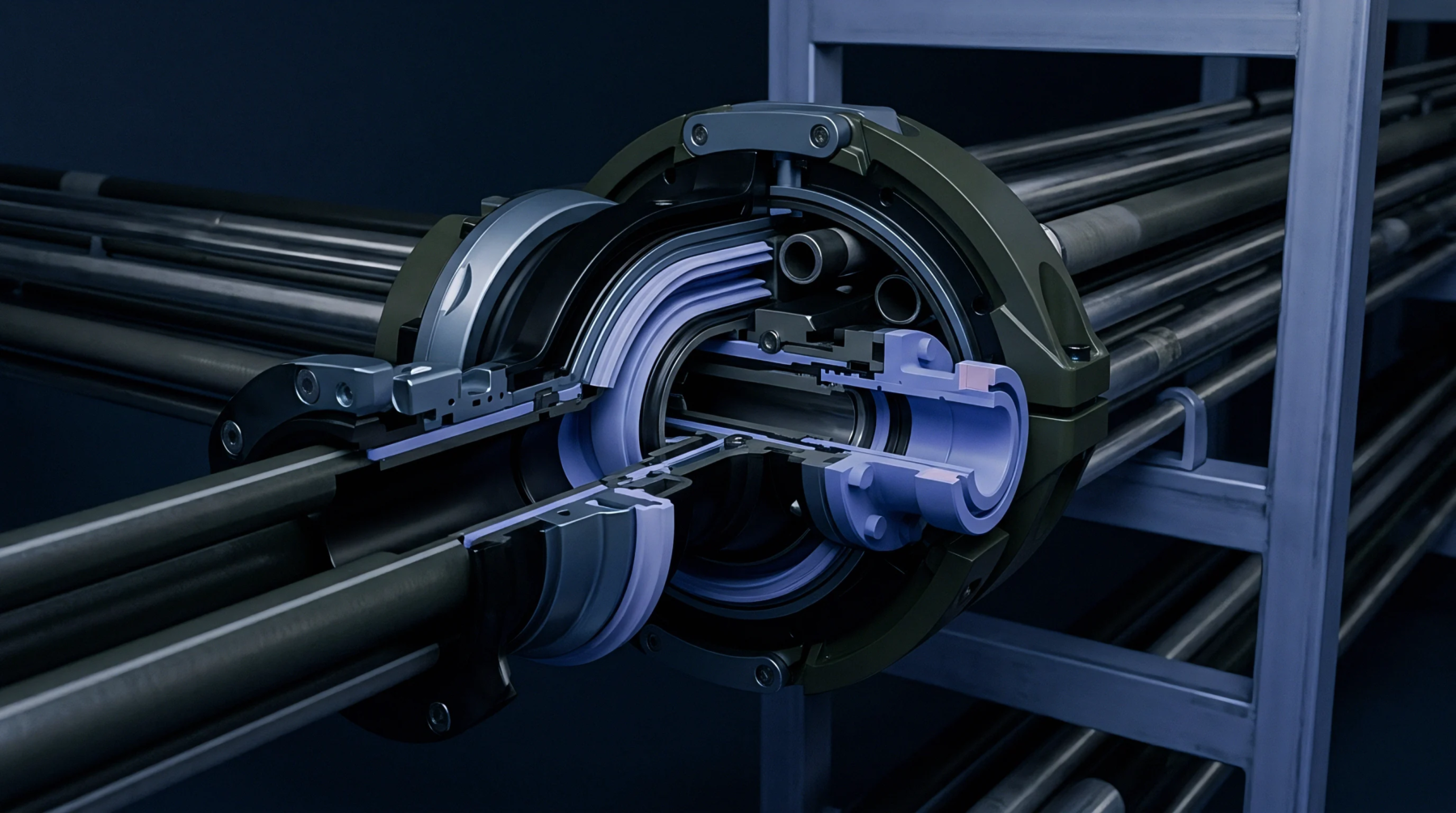
Controlling micro-zone hydrolytic degradation in PET extrusion requires suppressing boundary-layer moisture below 30 ppm and limiting local shear heating spikes.
Extruding polyesters above 280°C demands moisture below 30 ppm to prevent ester hydrolysis, intrinsic viscosity loss, and catastrophic part brittleness.
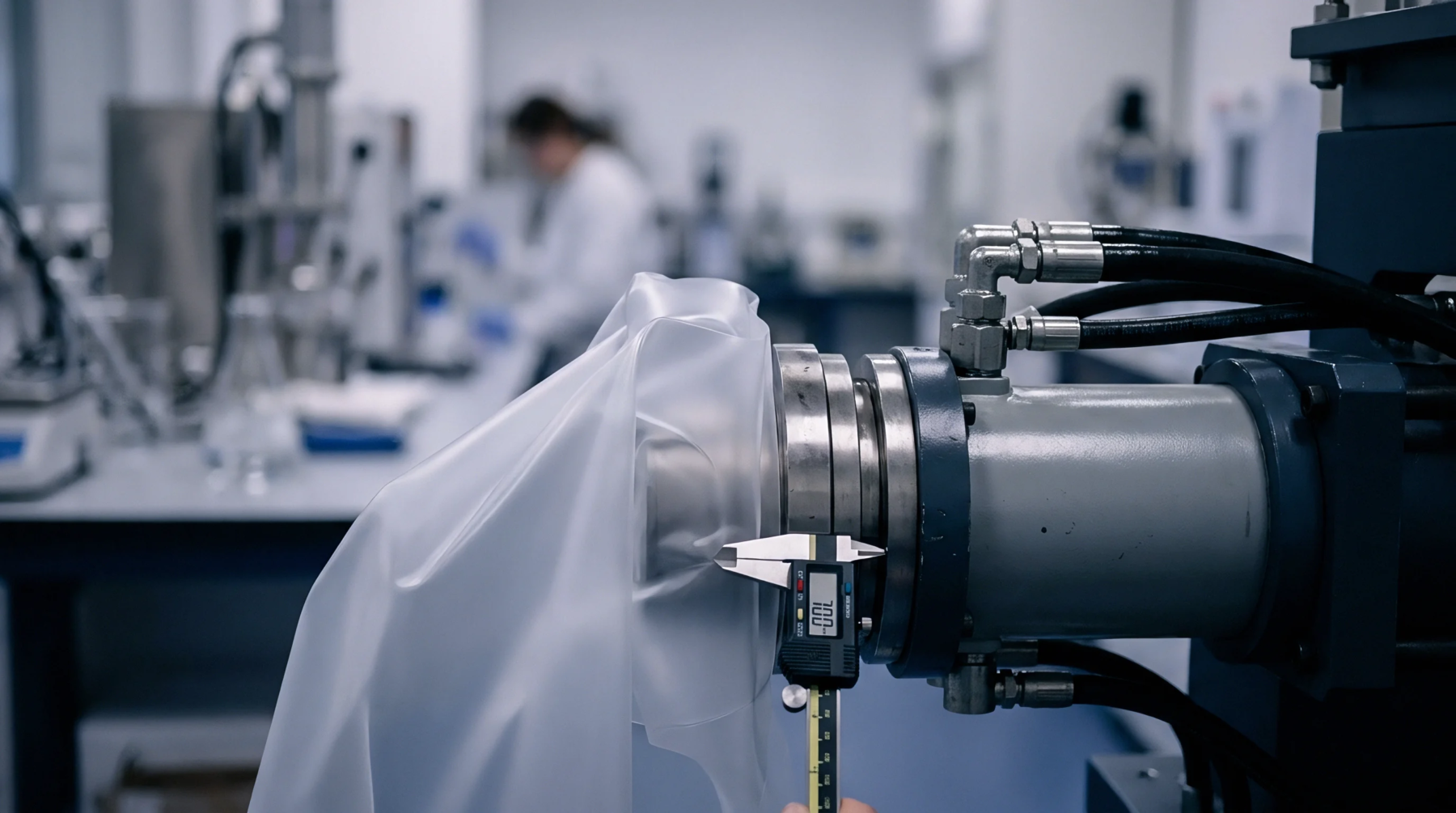
Intrinsic viscosity loss in PET processing is determined by measuring dilute solution flow time or capillary melt viscosity to quantify polymer chain cleavage.
Melt viscosity loss in bio-polyesters stems from moisture hydrolysis and shear; maintaining under 200 ppm moisture and tight processing thermal windows prevents severe scrap penalties.

Accurate rPET flake volatile testing pairs ASTM D6980 sensor drying for moisture with ASTM F2013 headspace gas chromatography for acetaldehyde and solvents.
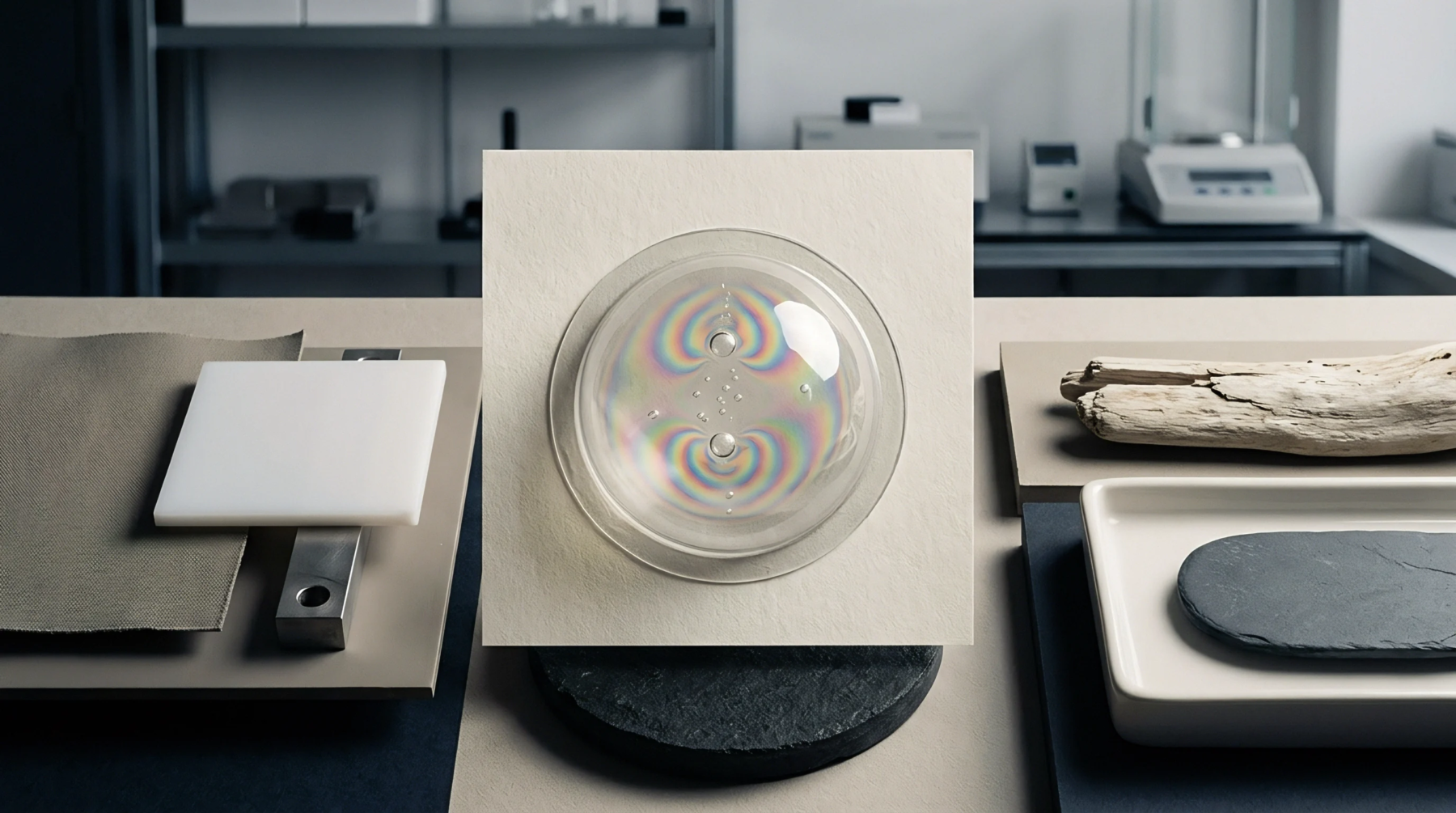
Karl Fischer moisture testing of recycled PET flake requires thermal desorption at 170 C with methanol-free reagents to eliminate volatile interference.
Expertise is a utility, not a secret. sentiention™ publishes its working knowledge as open reference: intelligence layer covering the materials it sources, the markets it enters, and the reference that serves both.