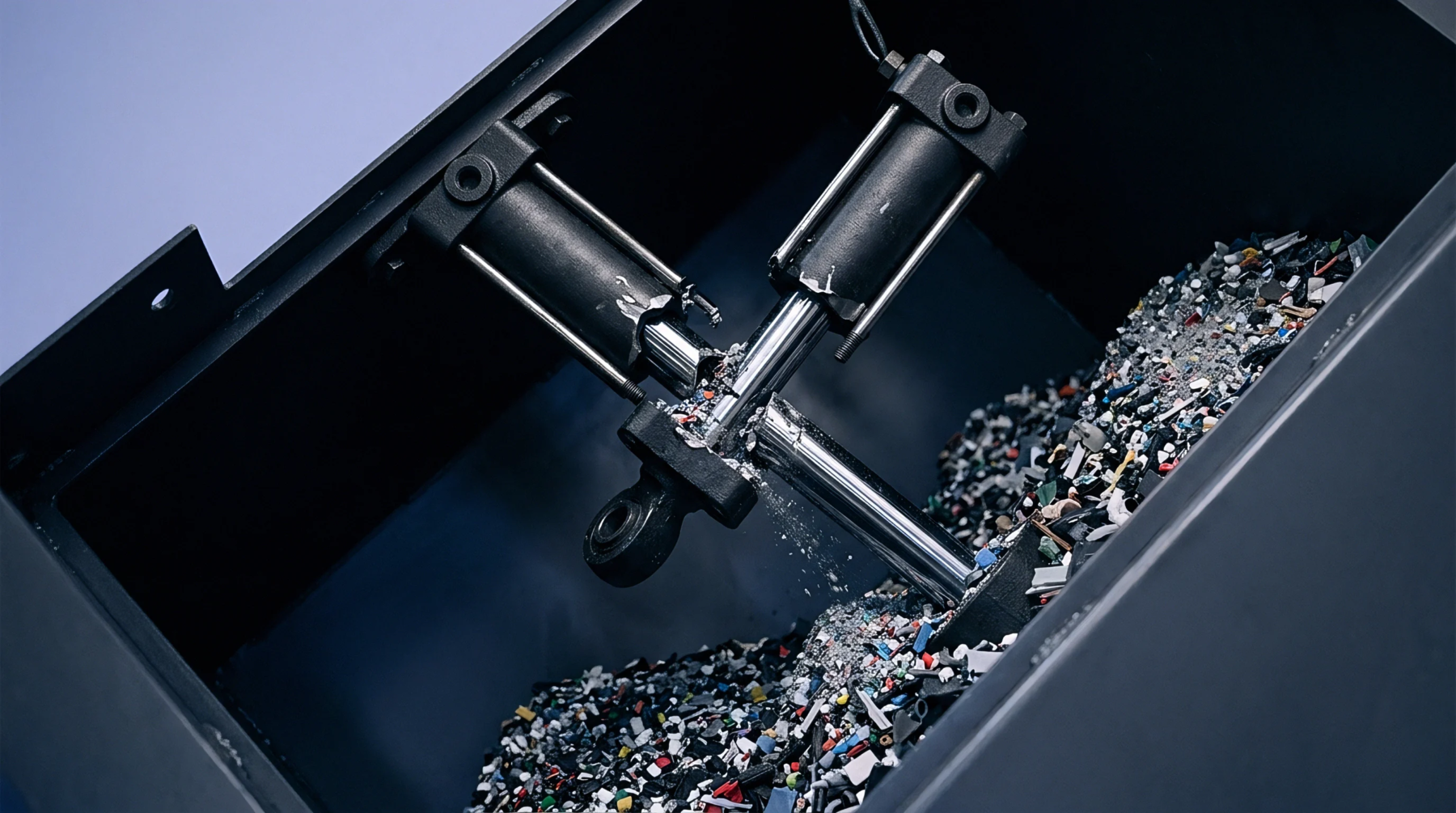
Coulometric Volatile Quantification in Recycled Polyethylene Terephthalate Flake
Coulometric Karl Fischer titration per ISO 15512 Method D isolates true water from organic volatiles in rPET flake, preventing hydrolytic IV scission.
Coulometric Karl Fischer titration per ISO 15512 Method D isolates true water from organic volatiles in rPET flake, preventing hydrolytic IV scission.

Acetaldehyde generated during thermal extraction causes parasitic water formation in methanolic Karl Fischer reagents, suppressed at 170 °C in propanol media.
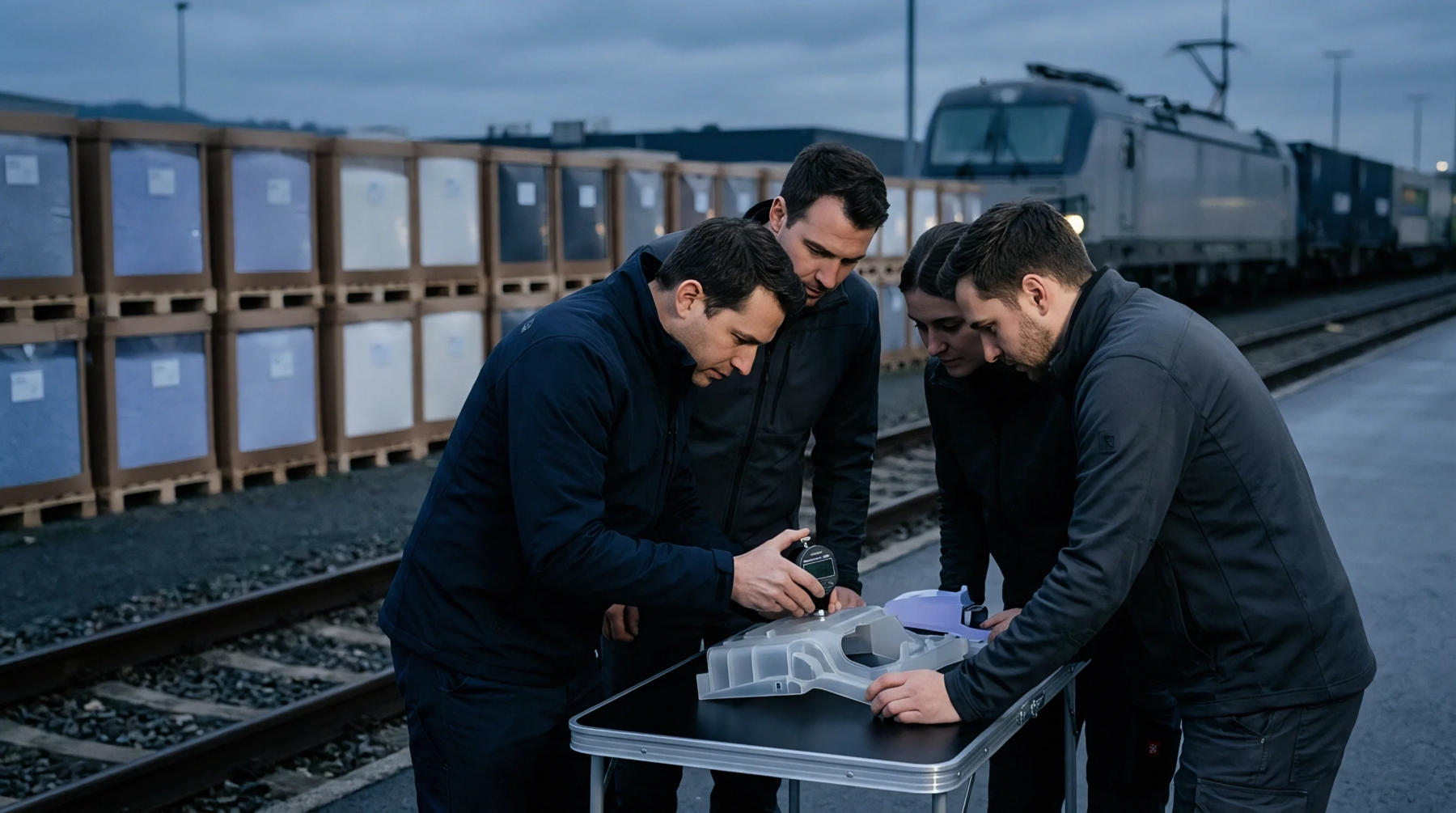
Thermal evaporation coulometric Karl Fischer titration isolates matrix moisture from PET thermal degradation at 170°C using aldehyde-resistant reagents.

Dynamic temperature stepping decouples water desorption from thermal degradation in ultra dry polycarbonate, preventing costly false moisture readings.

Kinetic deconvolution isolates true moisture current from catalytic transesterification drift, preventing over-drying resin degradation and hydrolization scrap.

Carrier gas sweep moisture desorption below 50 ppm prevents hydrolytic chain scission during solid-state transesterification of polycarbonate alloys.
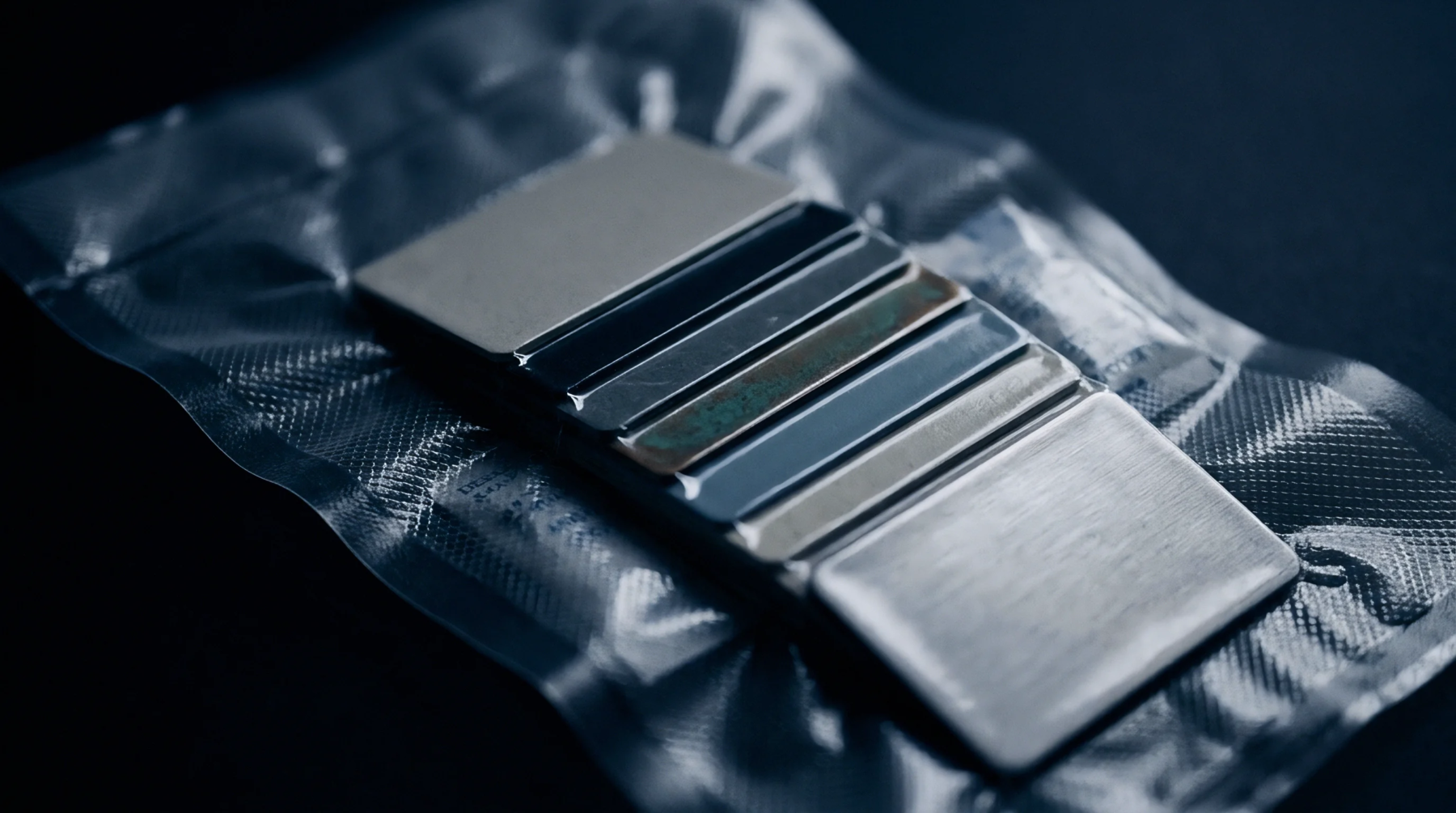
Stepped-temperature Karl Fischer titration separates physical absorbed moisture from solid-phase condensation water in PBT to prevent false drying metrics.
ISO 15512 Method B calibration requires 170 C thermal extraction, dry carrier gas below -60 C dew point, and tartrate recovery verified between 97 and 103 percent.

Coulometric moisture determination per ASTM D6869 below 50 ppm prevents hydrolytic chain scission and irreversible intrinsic viscosity loss during PET processing.
Non-linear Carreau modeling prevents multi-gate filling imbalance in regrind polyamide by capturing premature shear thinning that simple Power-Law models miss.
Inline viscosity monitoring uses nozzle pressure and injection velocity to dynamically calculate melt resistance and stabilize shot-to-shot quality.

Single-point melt flow index tests fail to catch high-shear viscosity collapse in hydrolytically degraded polyamide; verification requires ISO 11443 capillary rheometry.
Polyethylene terephthalate requires desiccant drying to under 50 ppm at minus 40 dewpoint to prevent hydrolytic chain scission verified by ISO 15512 Karl Fischer.
Calculate polyester molecular weight loss by summing hydrolytic and thermal scission rates across barrel residence time to verify intrinsic viscosity retention.
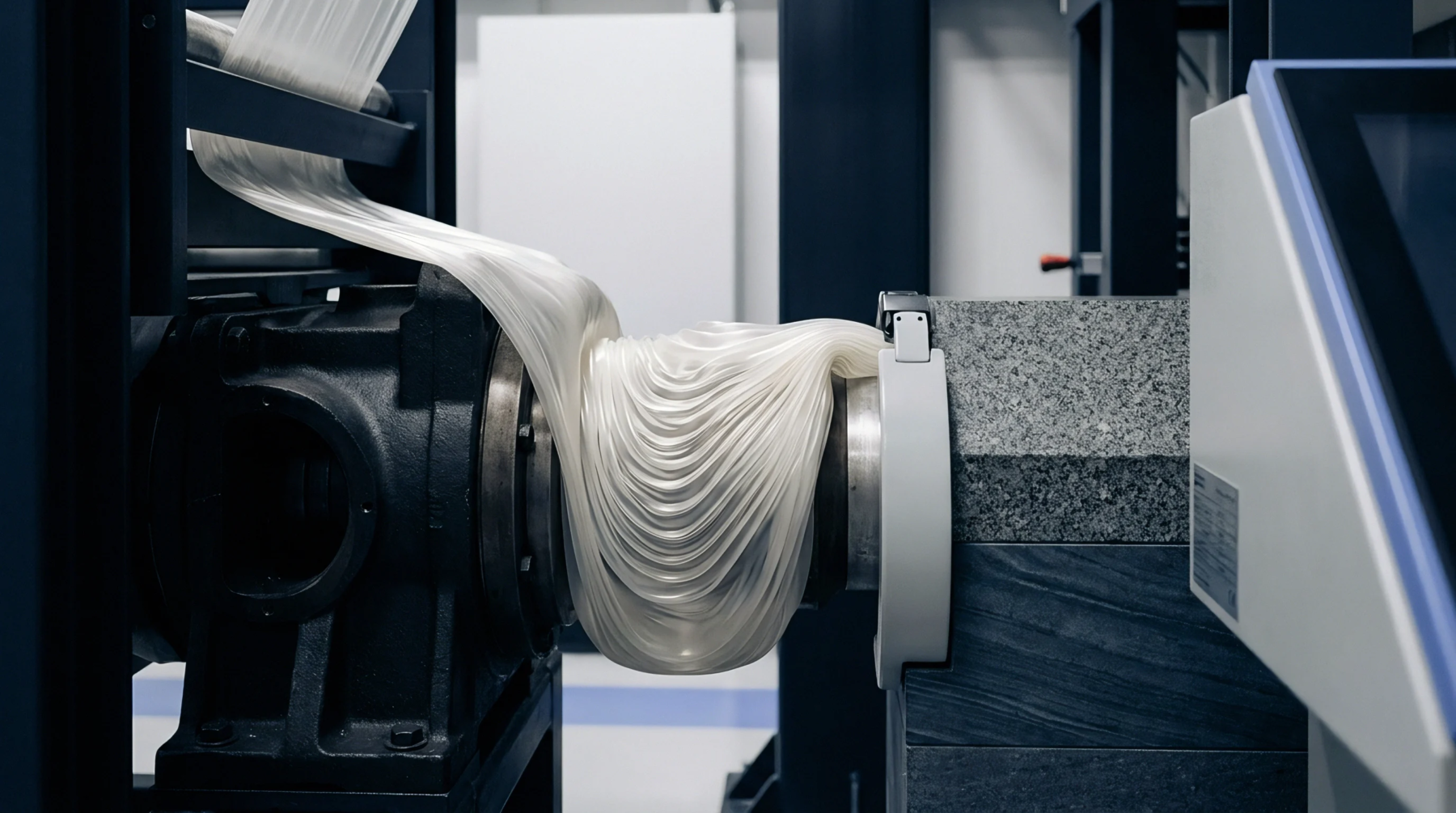
Polyester drying parameters demand minus forty degree dew point air to limit intrinsic viscosity drop below zero point zero four deciliters per gram.

Drying post-consumer PET regrind below 50 ppm moisture at minus 40 degrees dew point prevents acid-catalyzed hydrolytic scission and catastrophic viscosity collapse during melt processing.
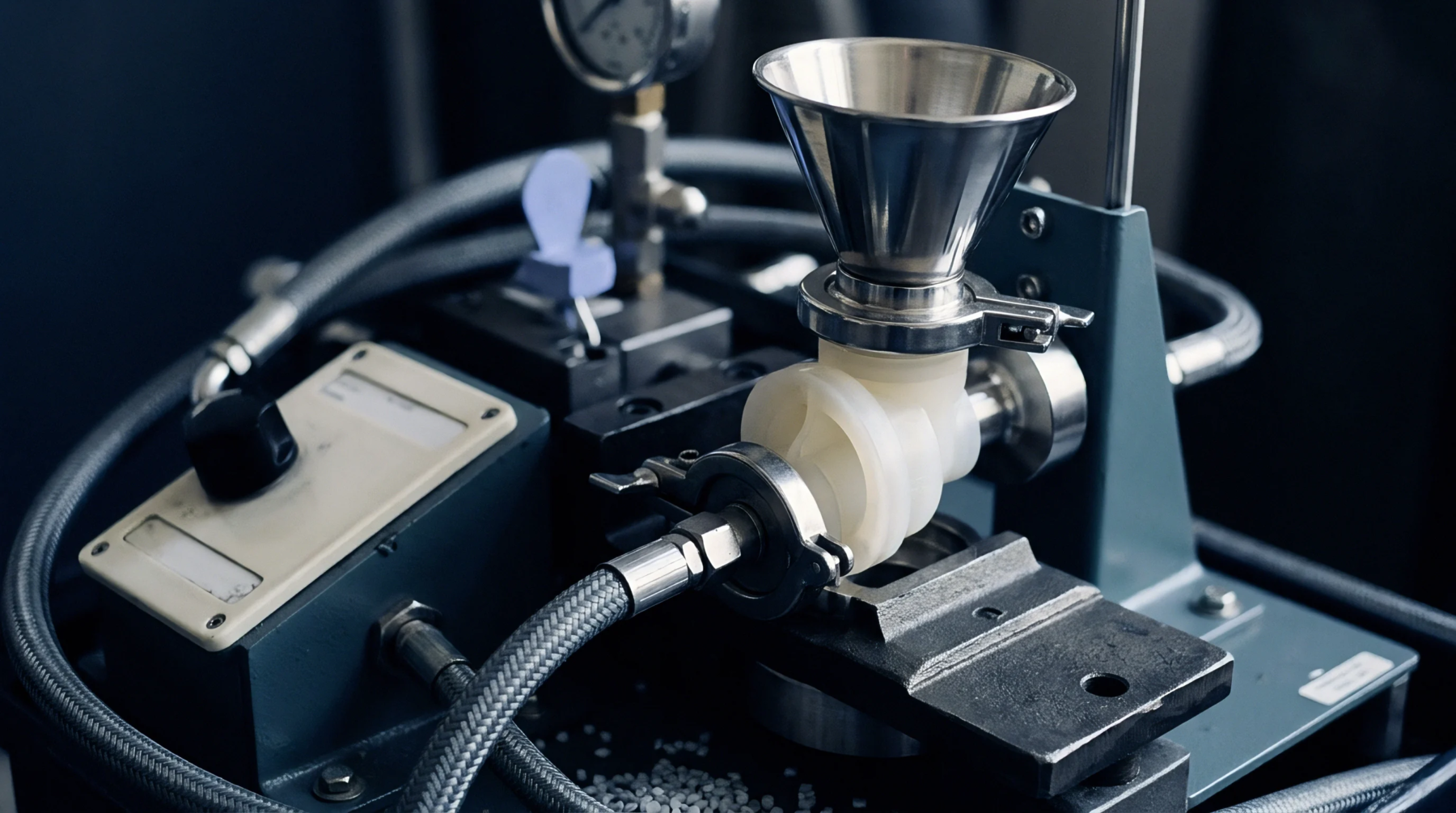
Melt flow rate increases nonlinearly as intrinsic viscosity drops; establishing zero-shear viscosity calibrations converts high-shear extrusion data reliably.
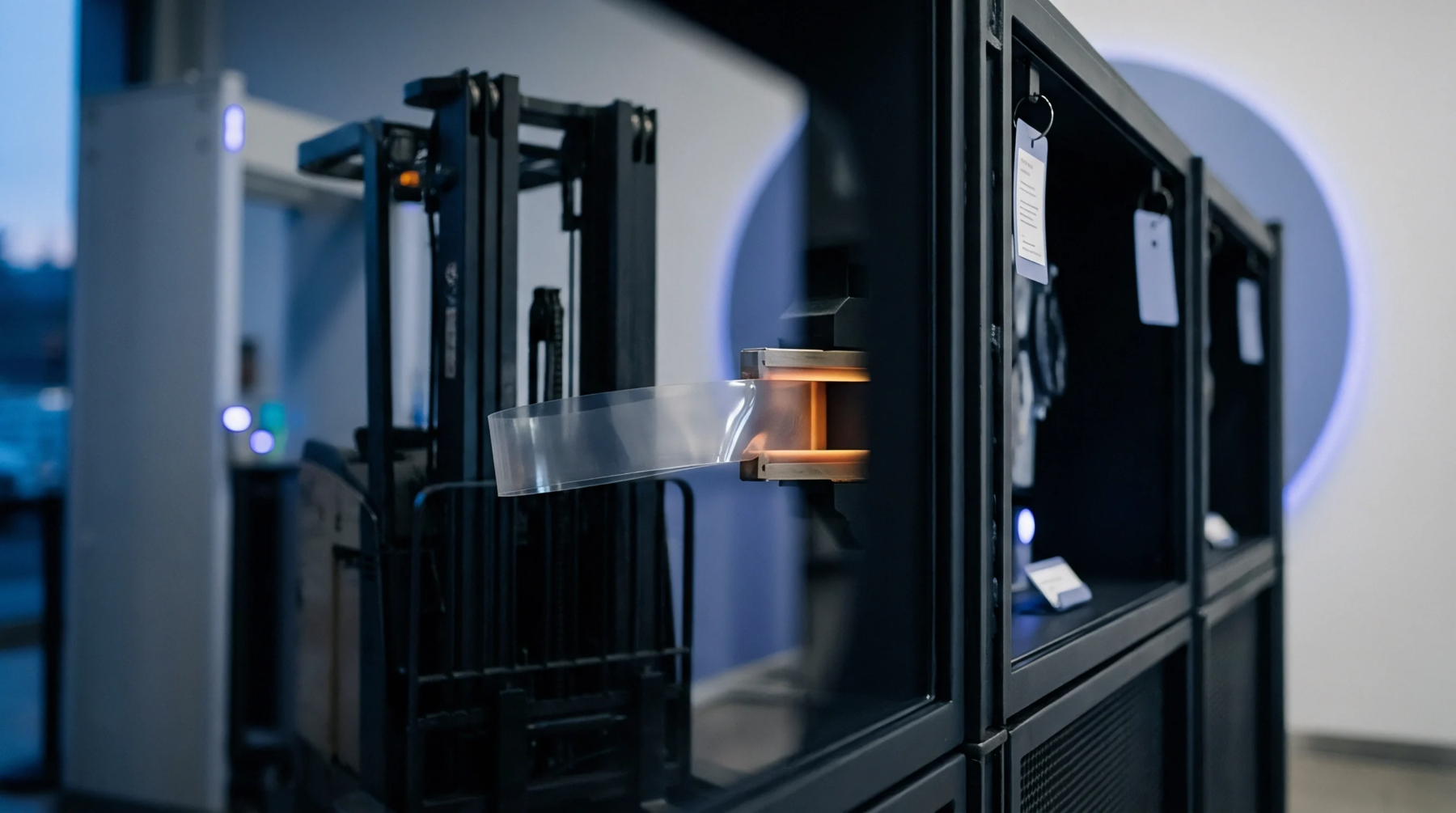
PET intrinsic viscosity testing requires precise temperature control, verified solvent ratios, and dry sample preparation to ensure accurate grade delivery.

Capillary rheometry tracks bio polyester molecular weight loss by isolating true shear viscosity and entrance pressure drops across processing shear rates.
Optimizing chain extender dosage between 0.3 and 0.6 weight percent restores polylactic acid molecular weight while preventing crosslinking gelation.
Precise coulometric moisture testing below 250 ppm protects bio polyester melt stability and prevents irreversible molecular weight loss during extrusion.
Industrial composting compliance requires complete 2 mm mesh disintegration within 84 days, strict heavy metal limits, and additive loadings below 1 percent.
Exceeding 50 ppm moisture in PET extrusion triggers rapid hydrolytic cleavage, collapsing intrinsic viscosity, ruining melt strength, and causing brittle parts.
Coulometric Karl Fischer with oven desorption at 170°C isolates true flake moisture from volatiles to prevent hydrolytic intrinsic viscosity loss.
Chromatographically coupled coulometry separates true polymer moisture from volatile organic contaminants, eliminating false titration readings in recycled resin.

Volatile organic contamination fouls synthetic zeolites through competitive adsorption and binder coking, collapsing drying dew point and degrading recycled PET.
Processing post-consumer polyester flake demands moisture levels below 50 ppm for single screws or under 300 ppm with high-vacuum twin-screw devolatilization.
Engineers optimize flake drying by scaling hopper air volume to bulk density, holding dew points below minus forty degrees, and controlling thermal sintering.

Solid state polymerization elevates PET intrinsic viscosity above melt limits by driving byproduct removal below the polymer melting point under inert flow.
Polymer pellet moisture absorption drives catastrophic melt-phase chain scission; rigorous sourcing specifications mandate precise coulometric water caps.
Expertise is a utility, not a secret. sentiention™ publishes its working knowledge as open reference: intelligence layer covering the materials it sources, the markets it enters, and the reference that serves both.