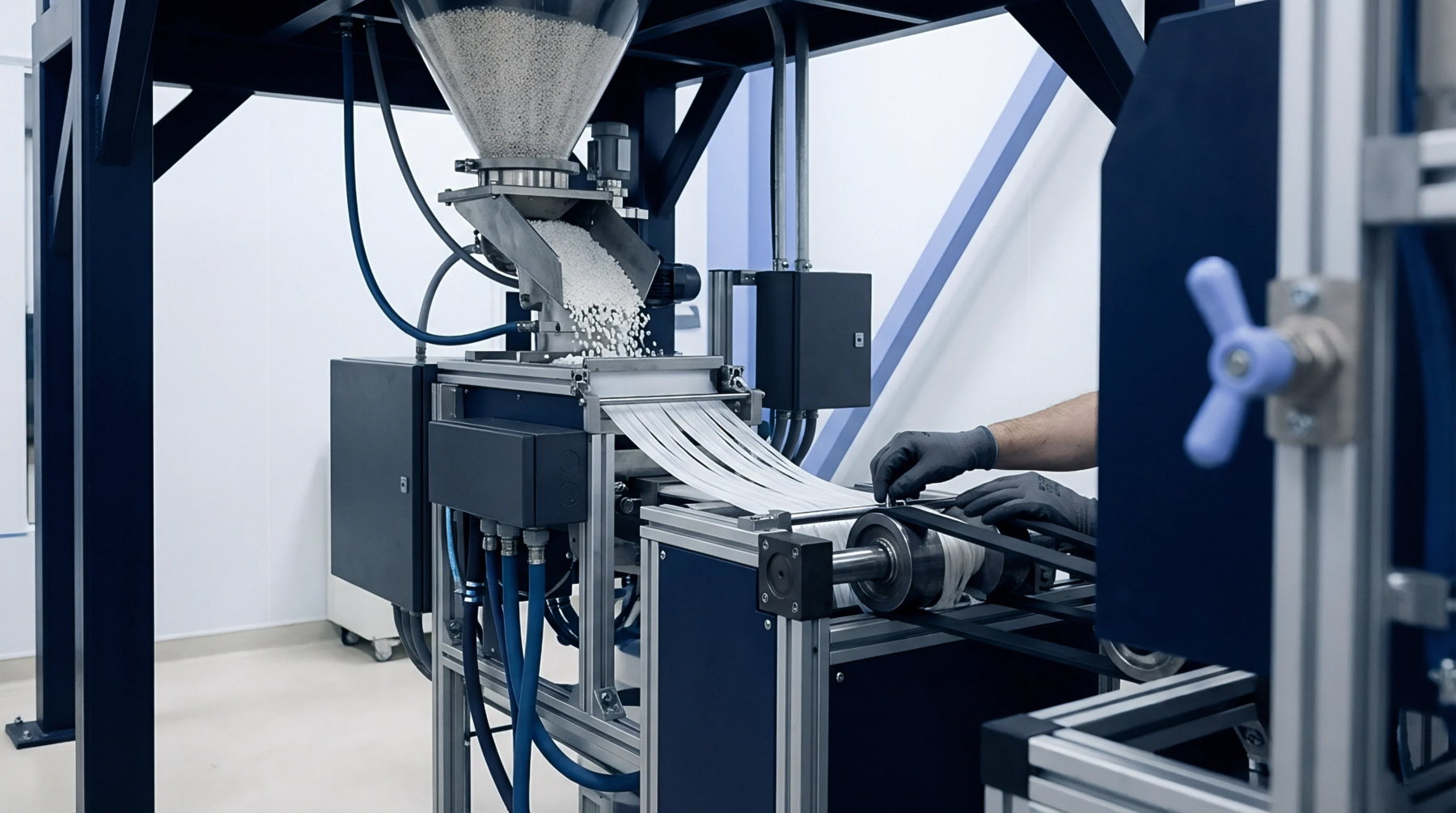
Desiccant Hopper Residence Time Modeling for Intrinsic Viscosity Retention
Residence time variance in non-ideal mass flow hoppers leaves high moisture pellet fractions that cause severe hydrolytic IV drop during melt processing.
Residence time variance in non-ideal mass flow hoppers leaves high moisture pellet fractions that cause severe hydrolytic IV drop during melt processing.

Thermal extraction coulometric titration of PEF requires isothermal holds between 140°C and 150°C to prevent thermal condensation water from skewing moisture data.

Thermal desorption coulometry parameters for bio resins balance moisture diffusion against matrix pyrolysis via tight temperature and carrier controls.
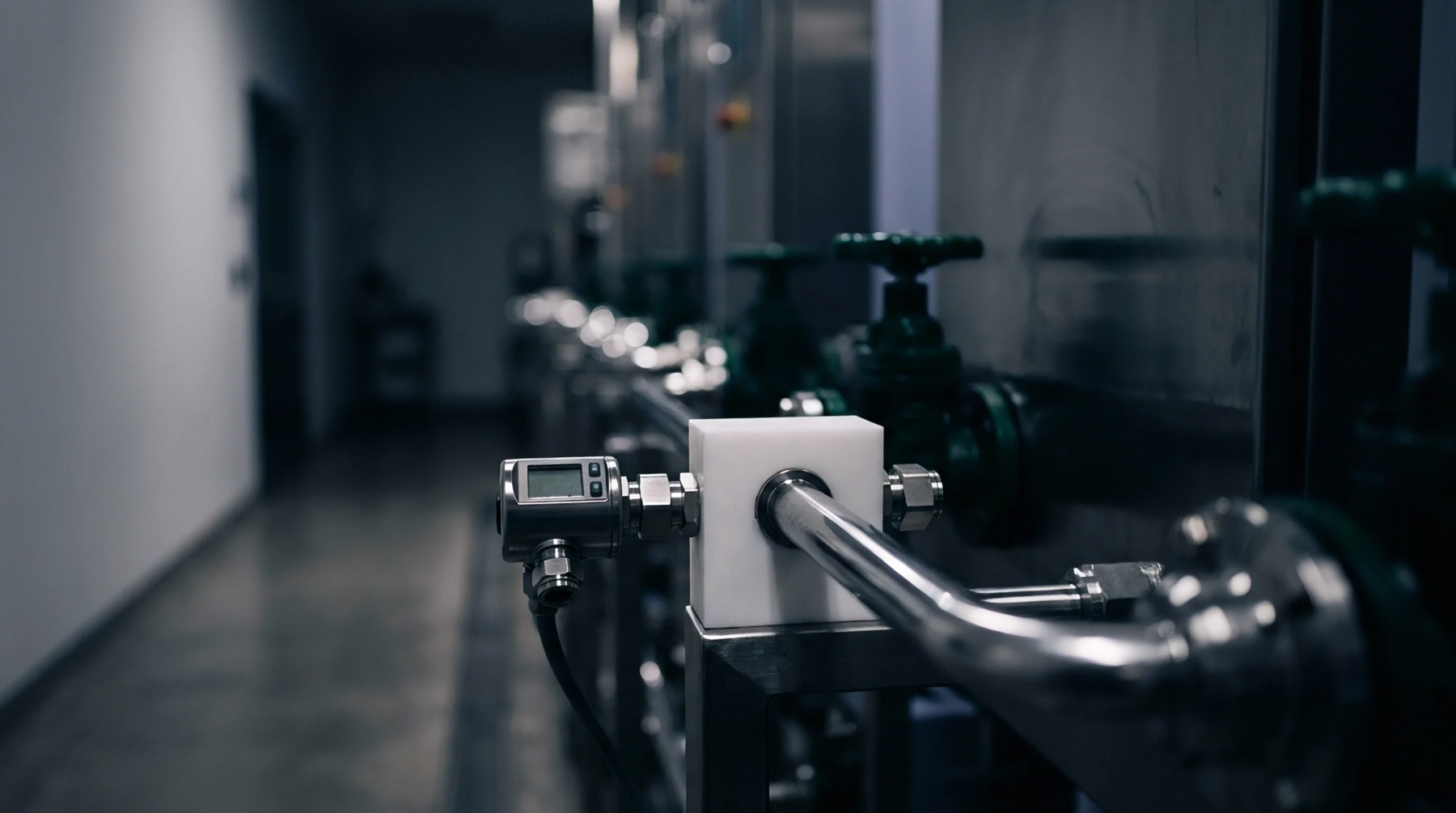
Coulometric Karl Fischer titration with thermal desorption oven extraction measures true ppm moisture in bio-polyesters without volatile loss interference.
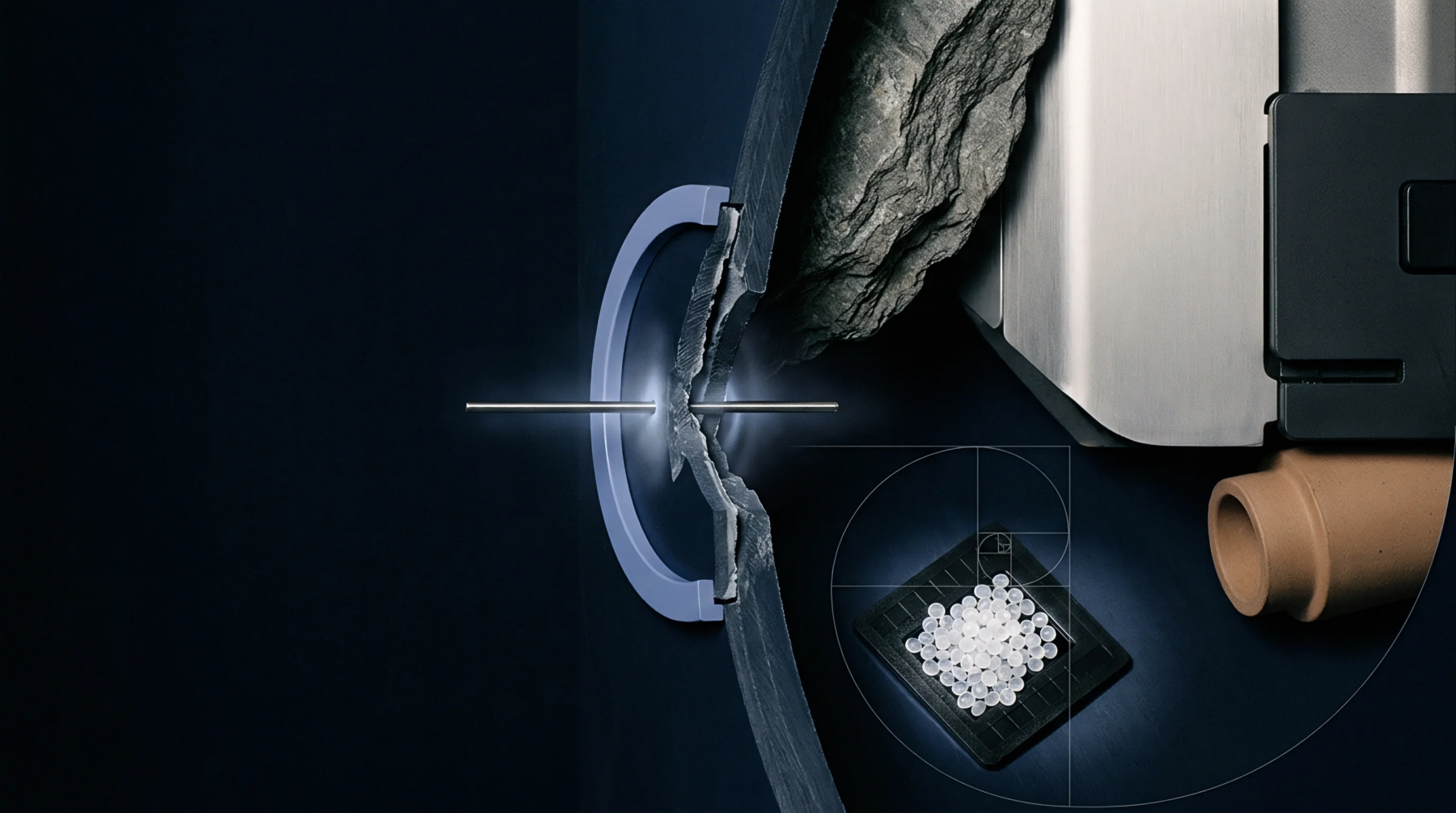
Mitigate cross-border recycled resin liabilities by pairing core composite sampling and FTIR-DSC testing with structured chemical escrows and demurrage terms.

Verify post-consumer recyclate lots using stratified multi-zone core sampling, variables acceptance criteria, and thermal analysis before silo discharge.
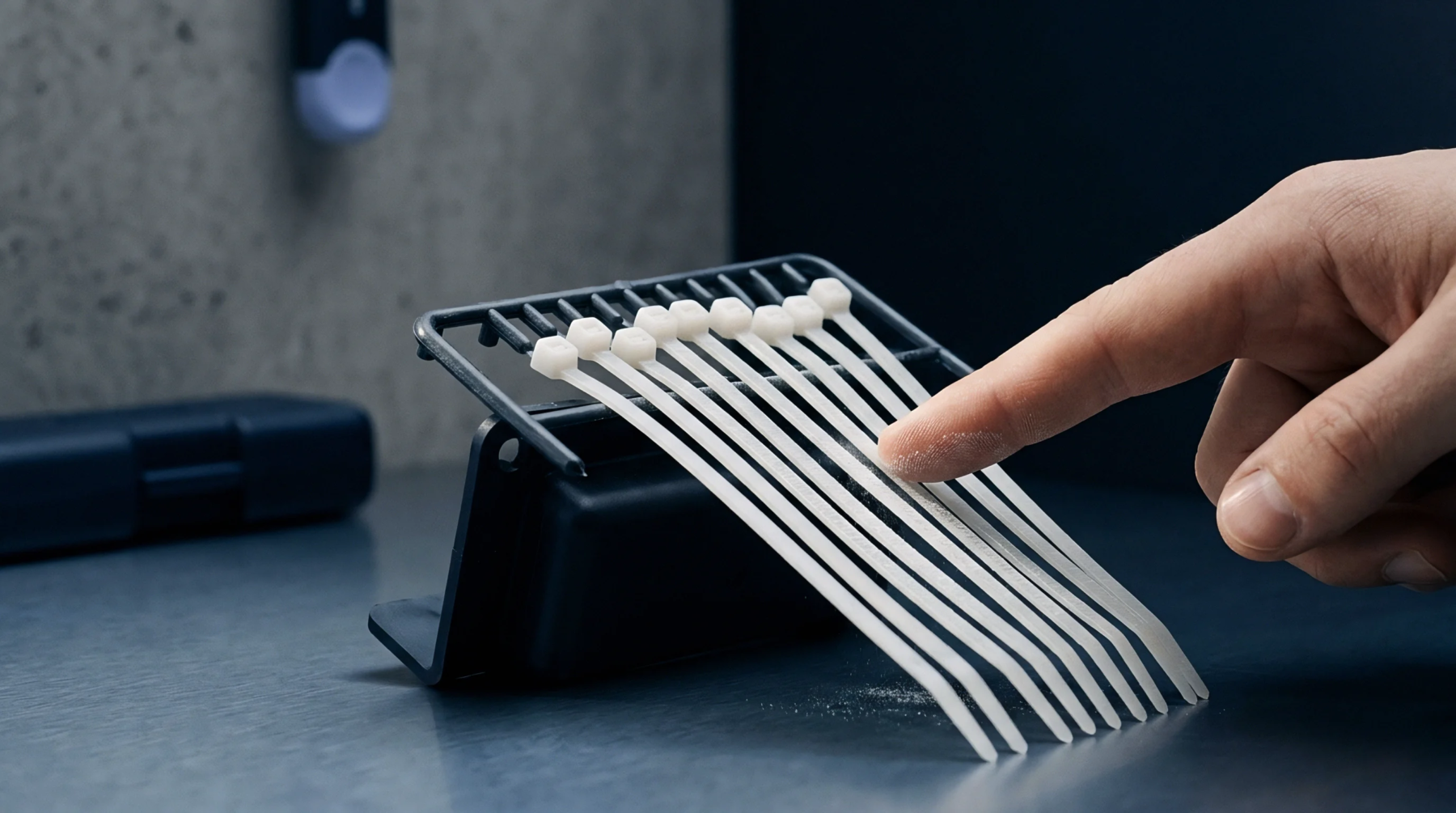
Reconciling inline telemetry with coulometric titration requires temperature-corrected dielectric calibration and nitrogen-purged vial sampling to resolve drifts.

Calculate water diffusion in hygroscopic polymers using Crank's spherical solution with Arrhenius-derived diffusivity to establish minimum hopper drying times.
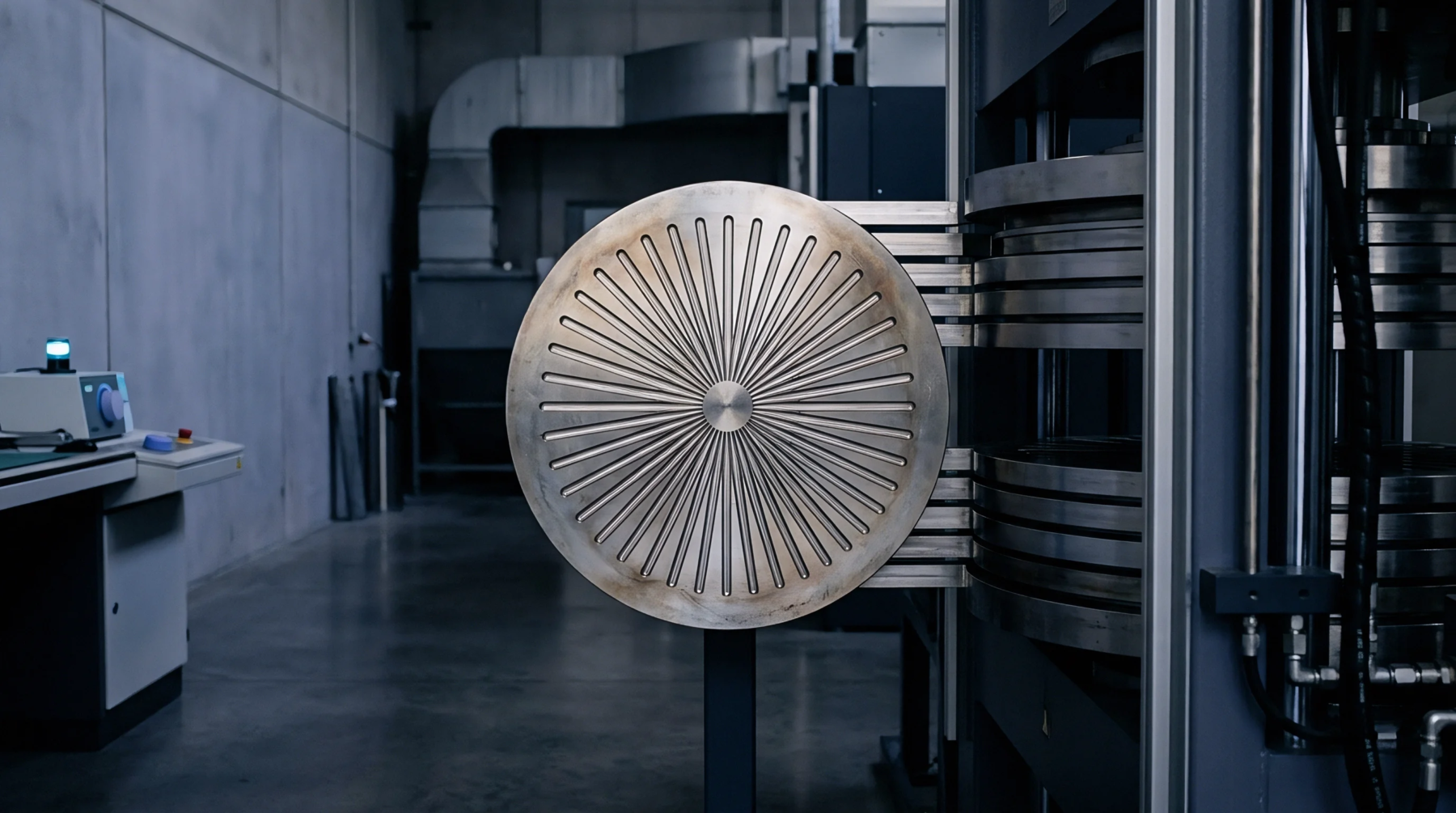
Establishing baseline moisture limits prevents hidden hydrolytic chain scission in condensation resins and eliminates costly cosmetic splay during molding.

Carboxyl titration measures terminal acidity to separate moisture-induced chain scission from thermal degradation, exposing compounding history and regrind.

Polyamide processing demands moisture below 0.15 percent for standard molding and 0.05 percent for structural grades to prevent irreversible chain cleavage.
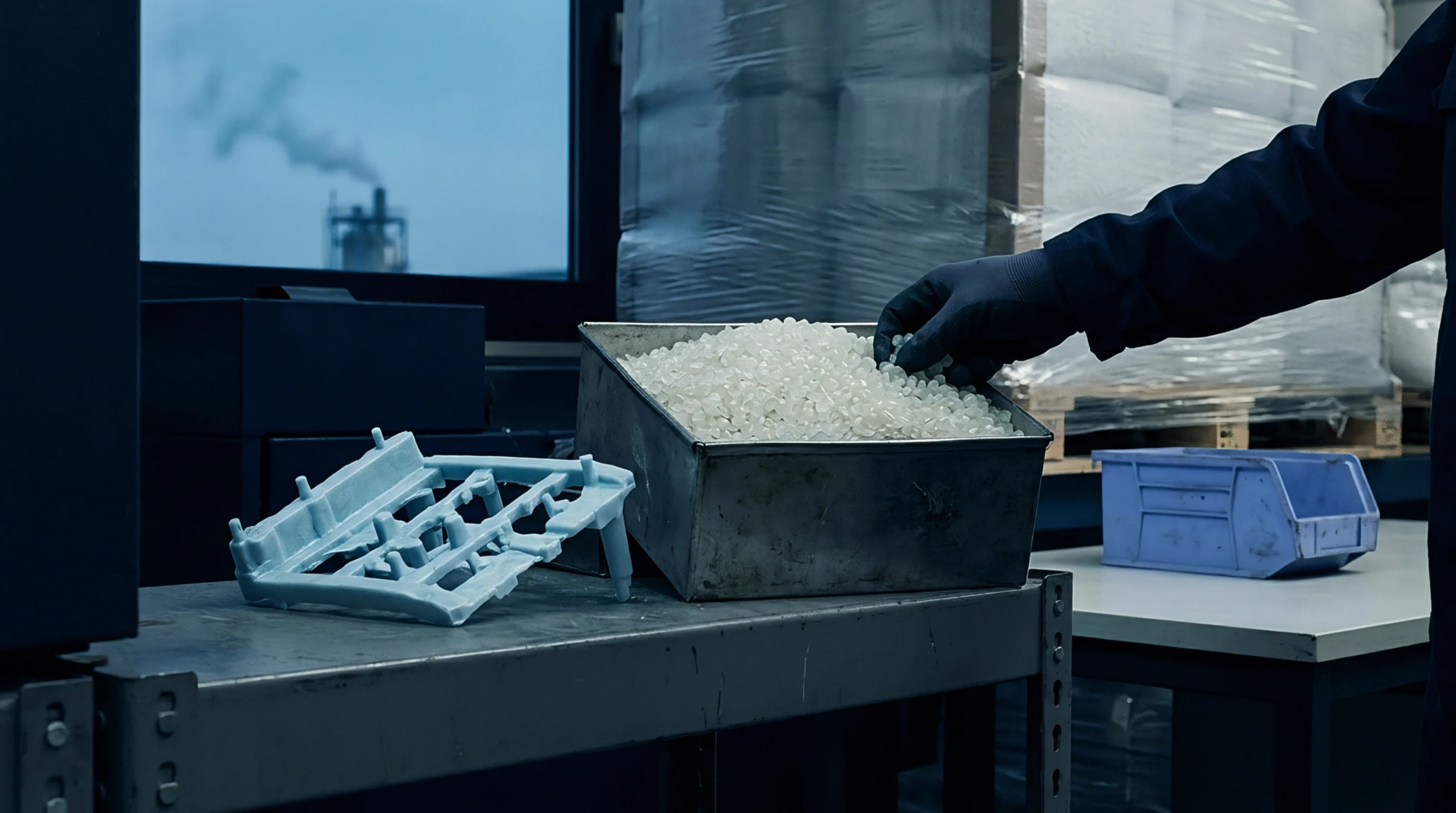
Coulometric Karl Fischer vaporization separates true container moisture from degradation volatiles through optimized carrier flow and matrix-specific heating.

Apportion moisture liability across resin counterparties by validating sealed Karl Fischer oven samples against carrier packaging logs and hopper dew points.
Transit moisture ingress causes hydrolytic chain scission in engineering polymers; enforce aluminum packaging and ISO 15512 titration limits at delivery.

Dual-load melt flow testing verifies shear thinning and molecular weight spread, catching recycled resin lot variation before it causes scrap.
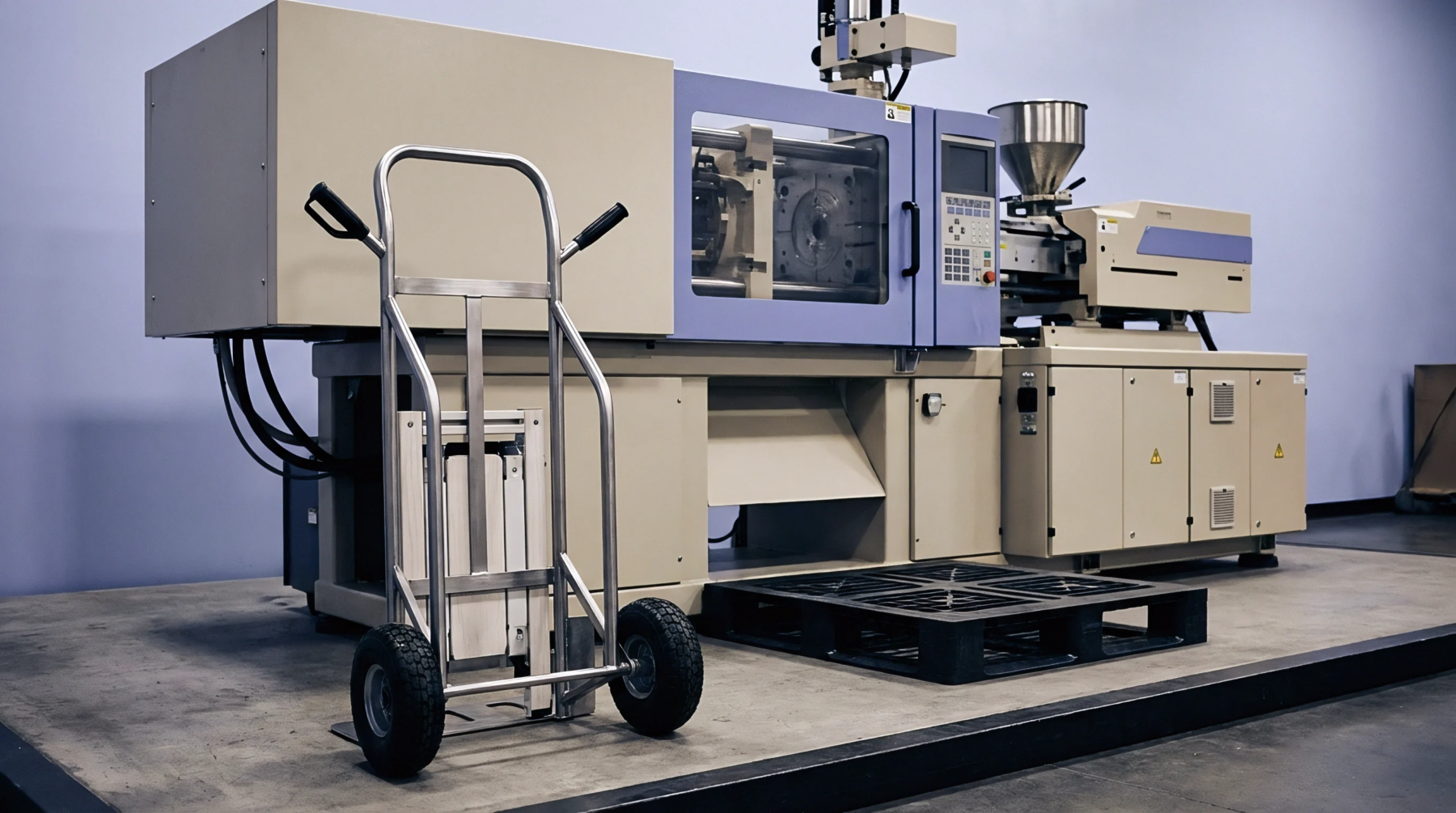
Processor contracts assign resin moisture liability by enforcing Karl Fischer dock verification, liquidated downtime rates, and direct debit offset terms.
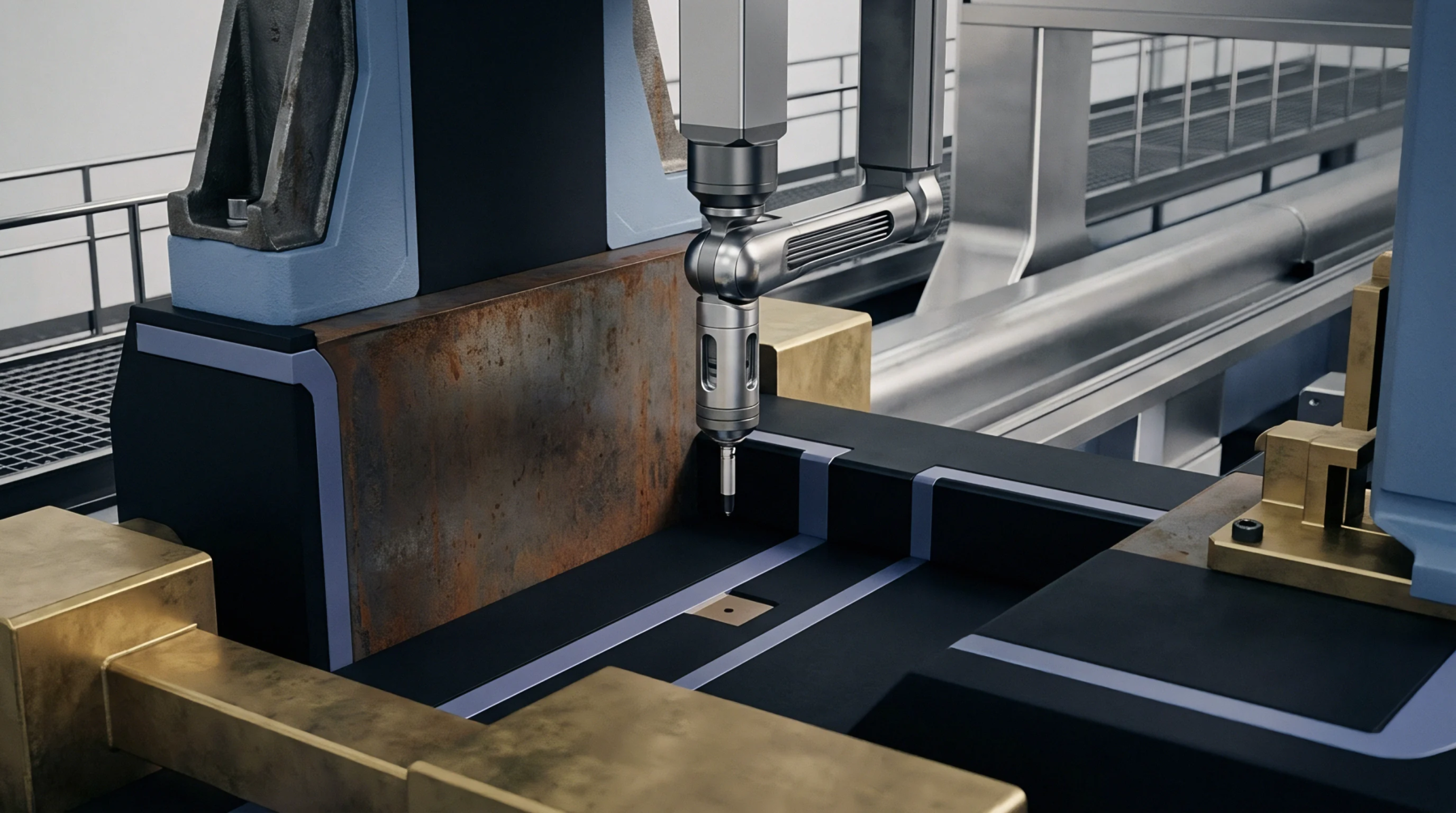
Unplanned moisture downtime costs combine press burden, purge compound, cavity cleaning, and scrapped resin into losses exceeding base machine rates fivefold.

Mitigate thermal pyrolysis interferences during coulometric water determination in flame retarded polyamides by lowering headspace temperatures and buffering anolytes.

Set oven desorption temperatures twenty degrees below polymer degradation points while maintaining carrier gas sweep rates between forty and seventy milliliters.
Coulometric Karl Fischer oven extraction parameters between 160C and 220C isolate true polymer moisture while preventing additive pyrolysis and cell fouling.

Converting melt volume rates across load and temperature requires applying polymer melt density and activation energy exponential corrections.
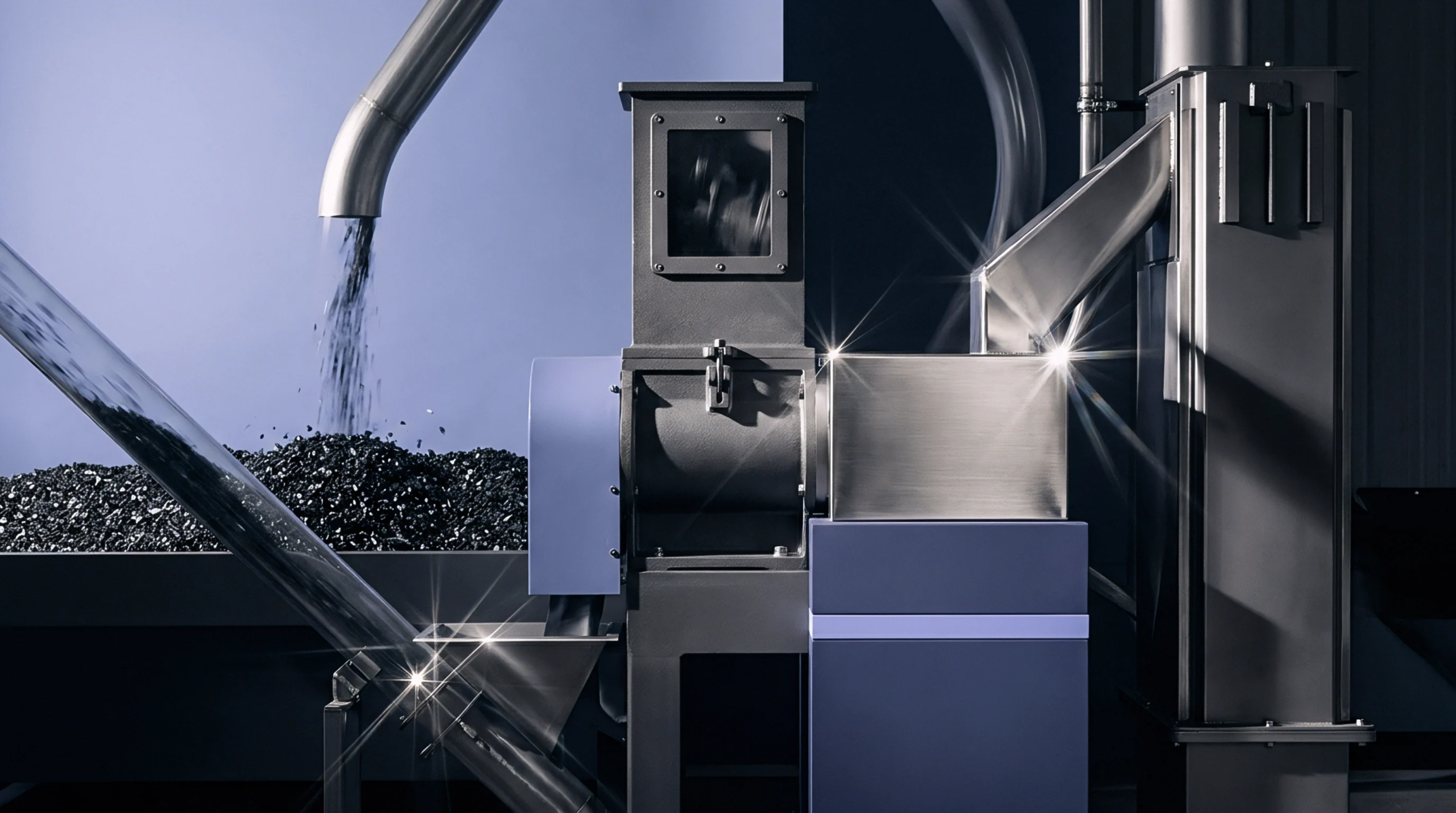
Ultra high vacuum decontamination of heavy organic surrogates from PET melts is governed by molecular diffusion within viscous films rather than equilibrium pressure.

Volatile desorption in recycled PET melt is governed by thermodynamic phase equilibria and diffusion limits, requiring deep vacuum and rapid surface renewal.
Predictive cavity pressure modeling maps dynamic PVT shrinkage variations directly to localized steel scale offsets, preventing scrap in high cavitation tools.
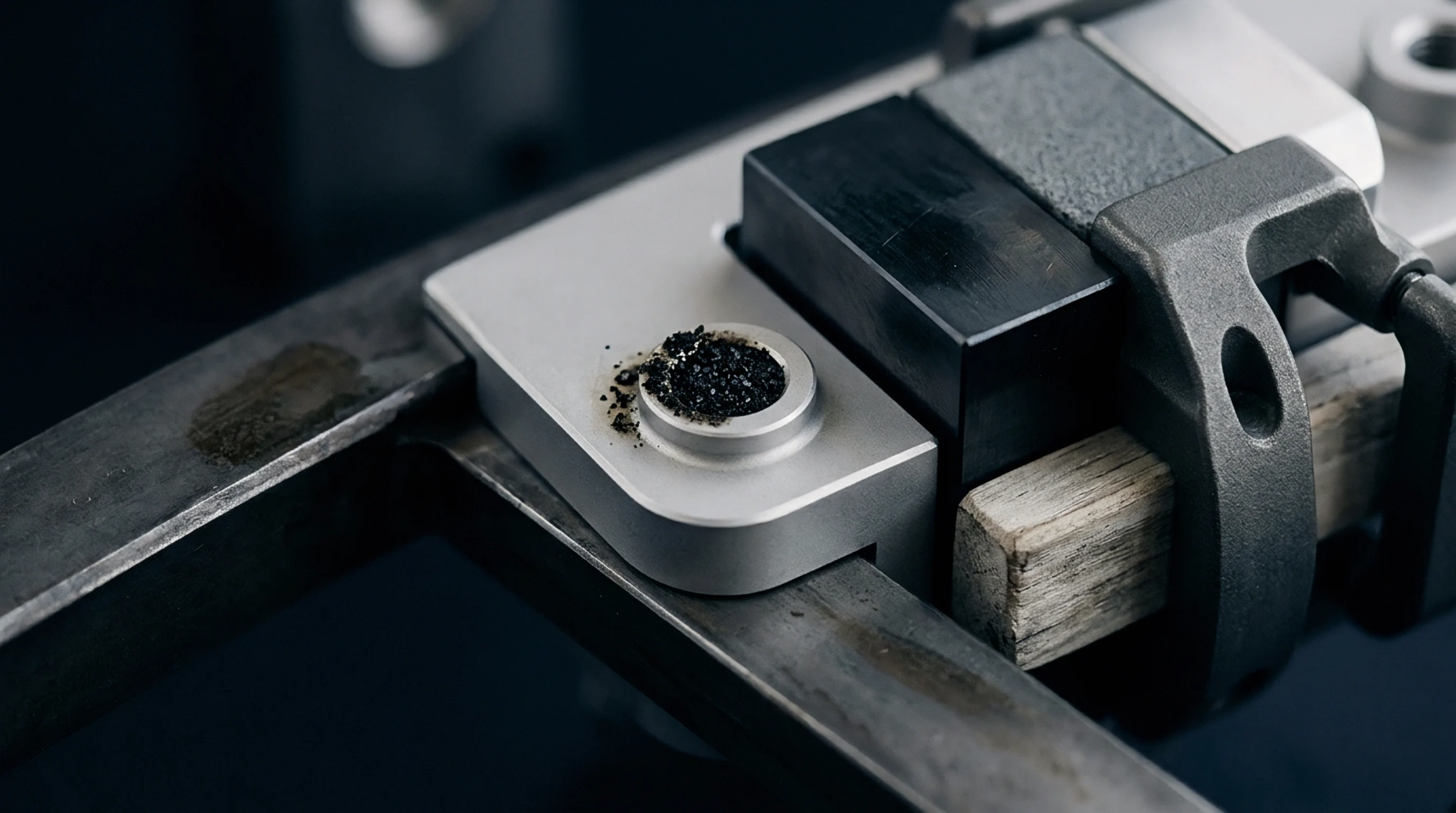
Dew point drift above minus forty degrees Celsius triggers rapid hydrolytic polymer degradation, demanding structured bed adsorption and crush testing.

Hopper airflow rates of 0.8 to 1.2 m3/hr per kg/hr combined with a dew point below -40 C prevent hydrolytic degradation and guarantee uniform drying.

Rebuilding intrinsic viscosity in scissioned rPET requires pre-crystallizing pellets to 40% to prevent sintering and controlling gas-phase ethylene glycol partial pressure below 0.05 mbar.
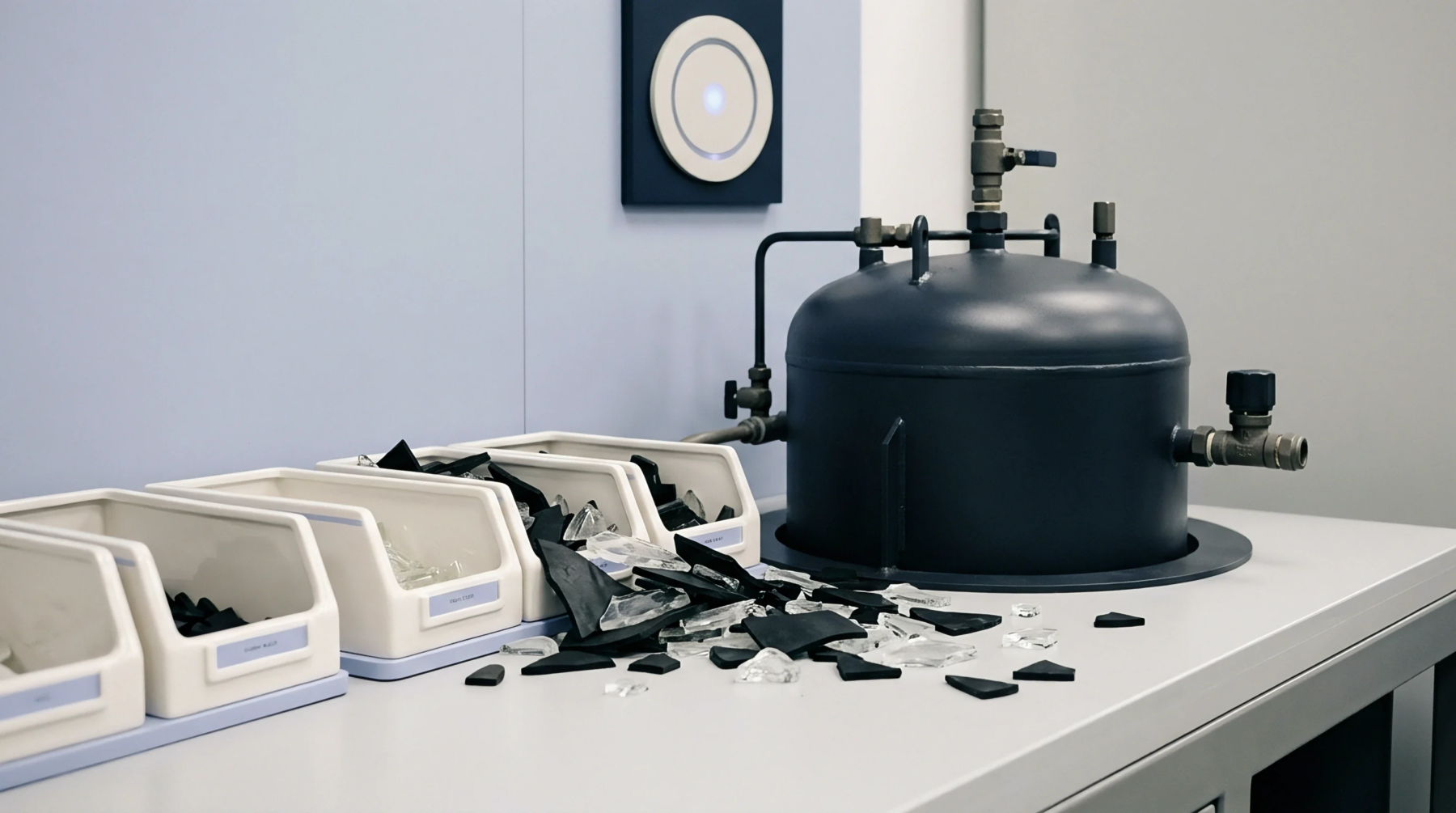
Potentiometric titration of carboxyl end groups quantifies thermal hydrolytic history in rPET lots, revealing latent processing damage and driving lot pricing.

Intrinsic viscosity loss in reprocessed PET flake is quantified by dilute solution viscometry using ASTM D4603 to prevent structural failure in preforms.
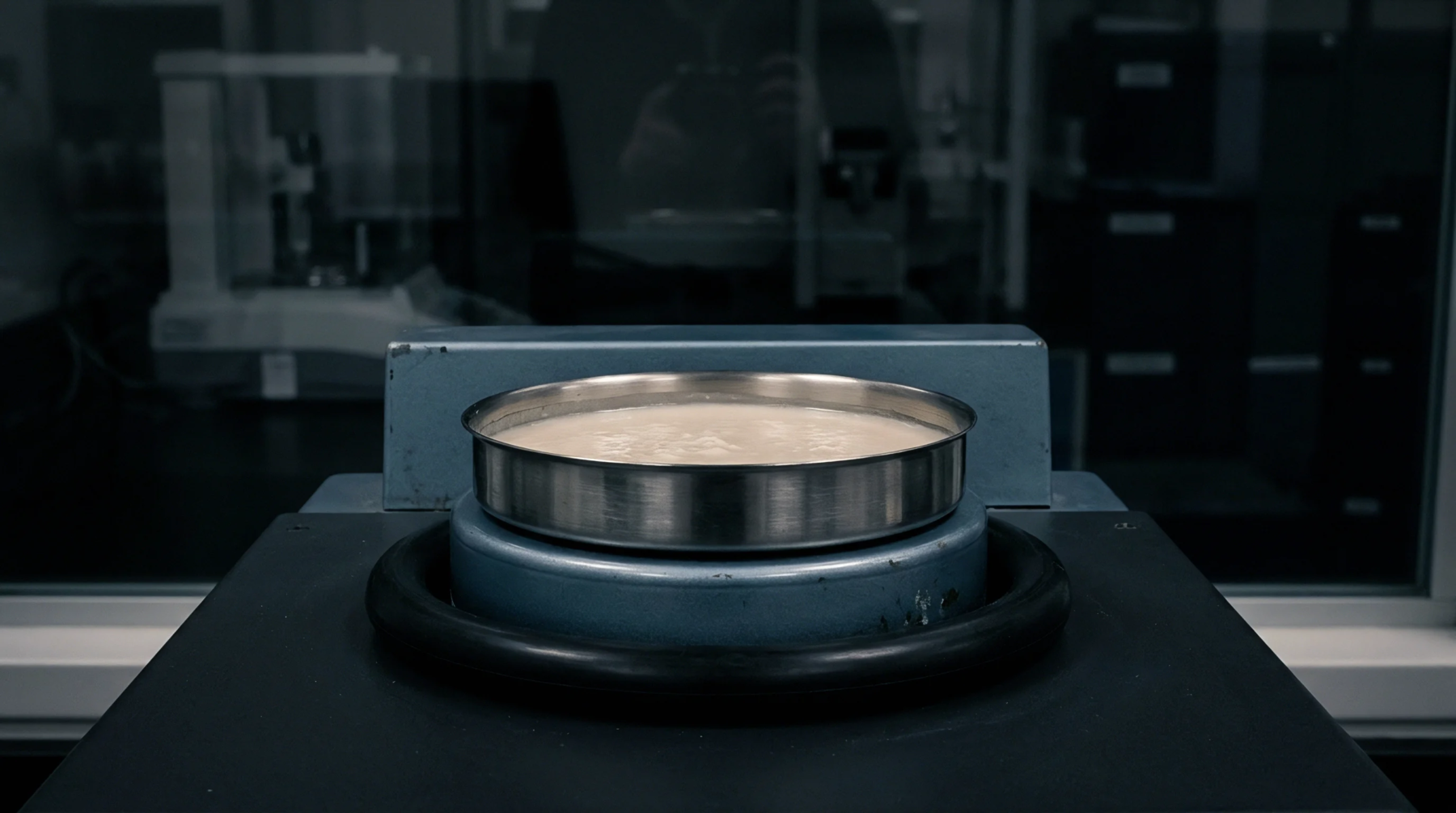
Low frequency oscillatory rheology unmask hydrolyzed resin fractions by measuring zero-shear viscosity drop and storage modulus slope collapse near zero frequency.
Expertise is a utility, not a secret. sentiention™ publishes its working knowledge as open reference: intelligence layer covering the materials it sources, the markets it enters, and the reference that serves both.