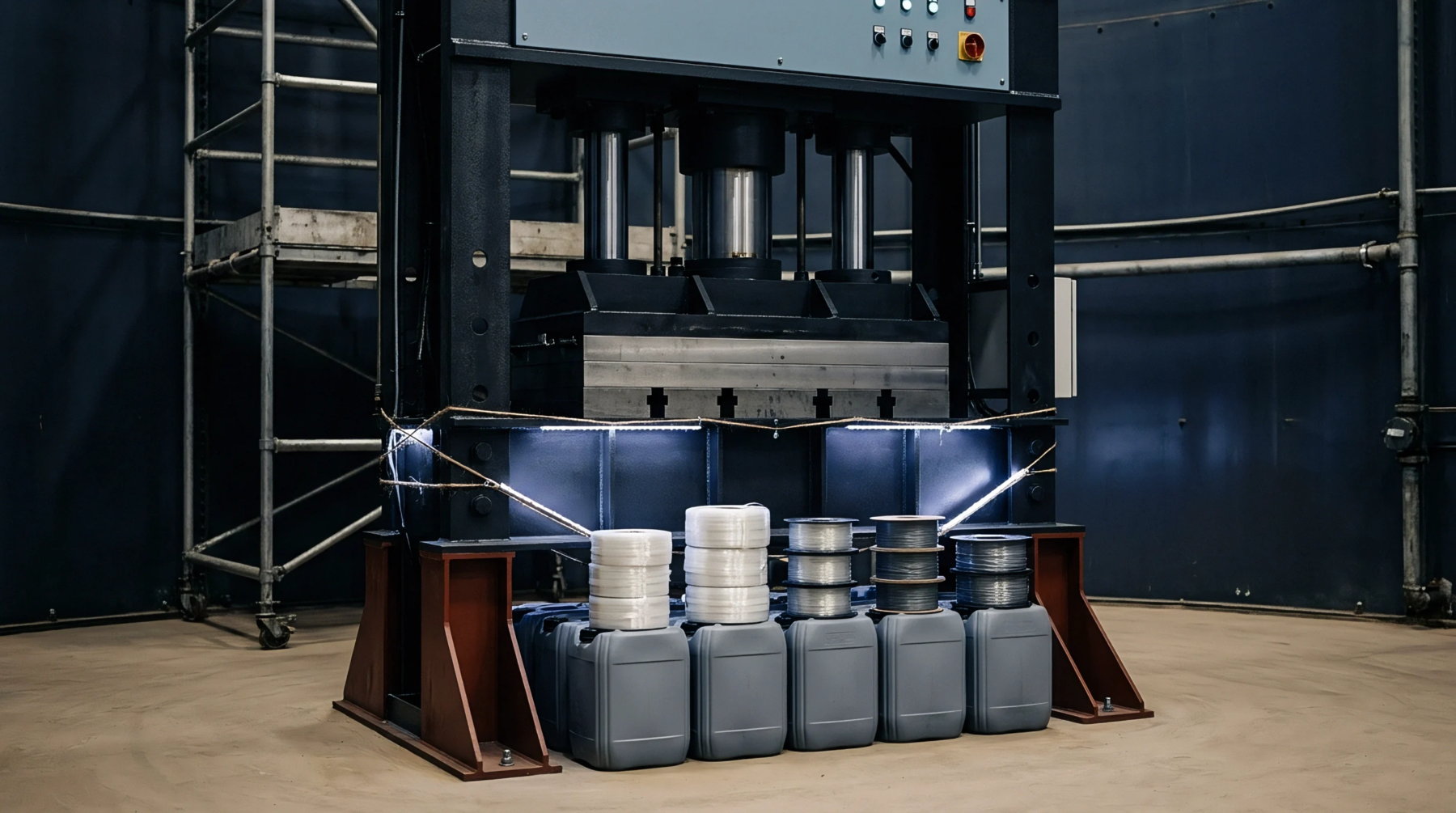
The Common Plastic Resins and What Each One Is For
Polymer grade selection fixes mechanical properties, tool shrinkage, cycle time, compliance limits, and final landed part cost across production runs.
Polymer grade selection fixes mechanical properties, tool shrinkage, cycle time, compliance limits, and final landed part cost across production runs.

Contract and spot naphtha spreads undermine fixed thirty-day resin quotes, requiring indexation formulas and dock MFR testing to prevent margin erosion.
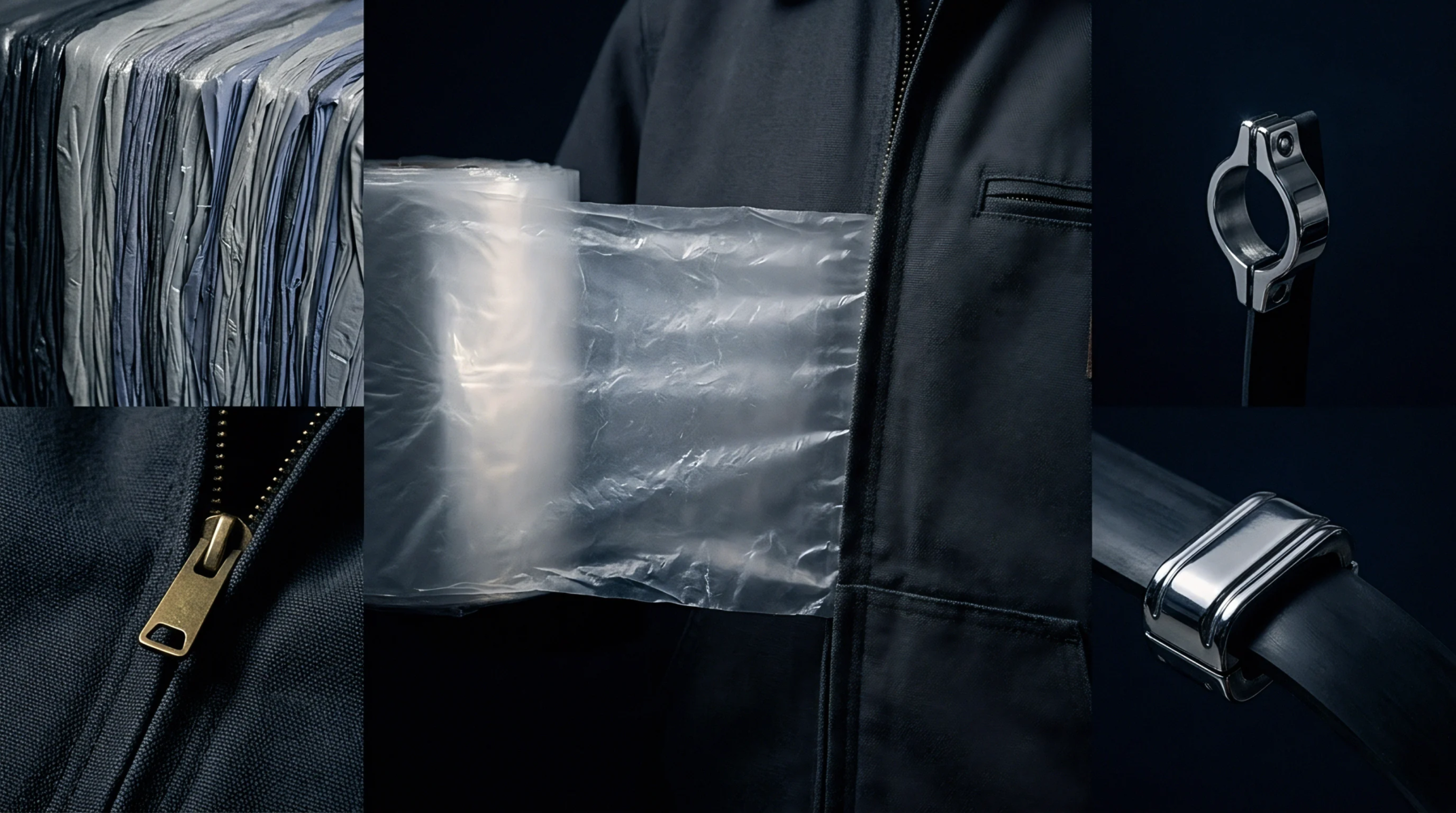
Polyolefin customs classification relies on monomer weight ratios via 13C-NMR and density thresholds under ISO 1183-1 to fix accurate import duty lines.

Quantification of non-intentionally added substances in recycled polyolefins requires structural class calibration to overcome mass spectrometry response variances.

Determining commodity resin grades requires multi-point shear viscosity validation and strict Certificate of Analysis contract limits to secure part performance.

Verifying non-intentionally added substances in recycled plastics demands high-resolution mass spectrometry screening, toxicological threshold mapping, and batch-specific compliance dossiers.

Tracking melt flow changes and oxidation time prevents part failure from degraded recycled polyolefin resins.

Melt flow index and density metrics must be verified together under exact standard loads to control polyolefin processability and field crack resistance.

Accurate quantification of recycled polyolefins requires combining DSC thermal integration, high-temperature GPC, ICP-MS trace metals, and melt rheology sweeps.

Enforceable recyclate compliance claims demand silo quarantine protocols, ASTM D6866 chemical verification, and un-capped indemnity clauses offsetting regulatory fines.

Managing recycled plastic compliance under EU waste rules requires challenge-tested decontamination, accredited migration testing, and audited traceability dossiers.

Polyethylene sourcing requires specifying exact test loads, temperatures, and standards to isolate molecular structure and enforce contractual lot consistency.

Multi-dimensional GC deconvolution quantifies baseline humps in HDPE compliance dossiers, isolating polyolefin oligomers from critical NIAS and mineral oils.

Quantifying non-isothermal entanglement slip rates prevents localized wall thinning and thermal rupture during rapid plug assisted thermoforming pre stretch.

Quantifying semi-volatile photoinitiators in recycled polyolefins requires matrix-matched standard addition to counter 40% measurement uncertainty.

Determining food simulants for recycled polyolefin migration requires matching contaminant polarity to lipophilic or aqueous media while preventing solvent swelling distortion.

ISO 1183 density testing determines customs tariff lines under Chapter 39; accurate classification demands exact fluid temperature control and plaque molding.

Non-intentionally added substance mass spectrometry protocols require combined GC-HRMS and LC-HRMS screening below 10 ppb to verify recycled polyolefin food safety.

Quantifying polyolefin oligomers relies on silver nitrate silica cleanup, epoxidation of olefins, and LC-GC-FID UCM hump integration against alkane markers.

Quantifying photoinitiator residues in recycled polyolefins demands solvent extraction and mass spectrometry to verify migration limits under European food contact rules.

Polyethylene tariff entry requires density testing per ISO 1183-1 Method A on annealed plaques, where crossing 0.940 g/cm³ shifts classification from 3901.10 to 3901.20.
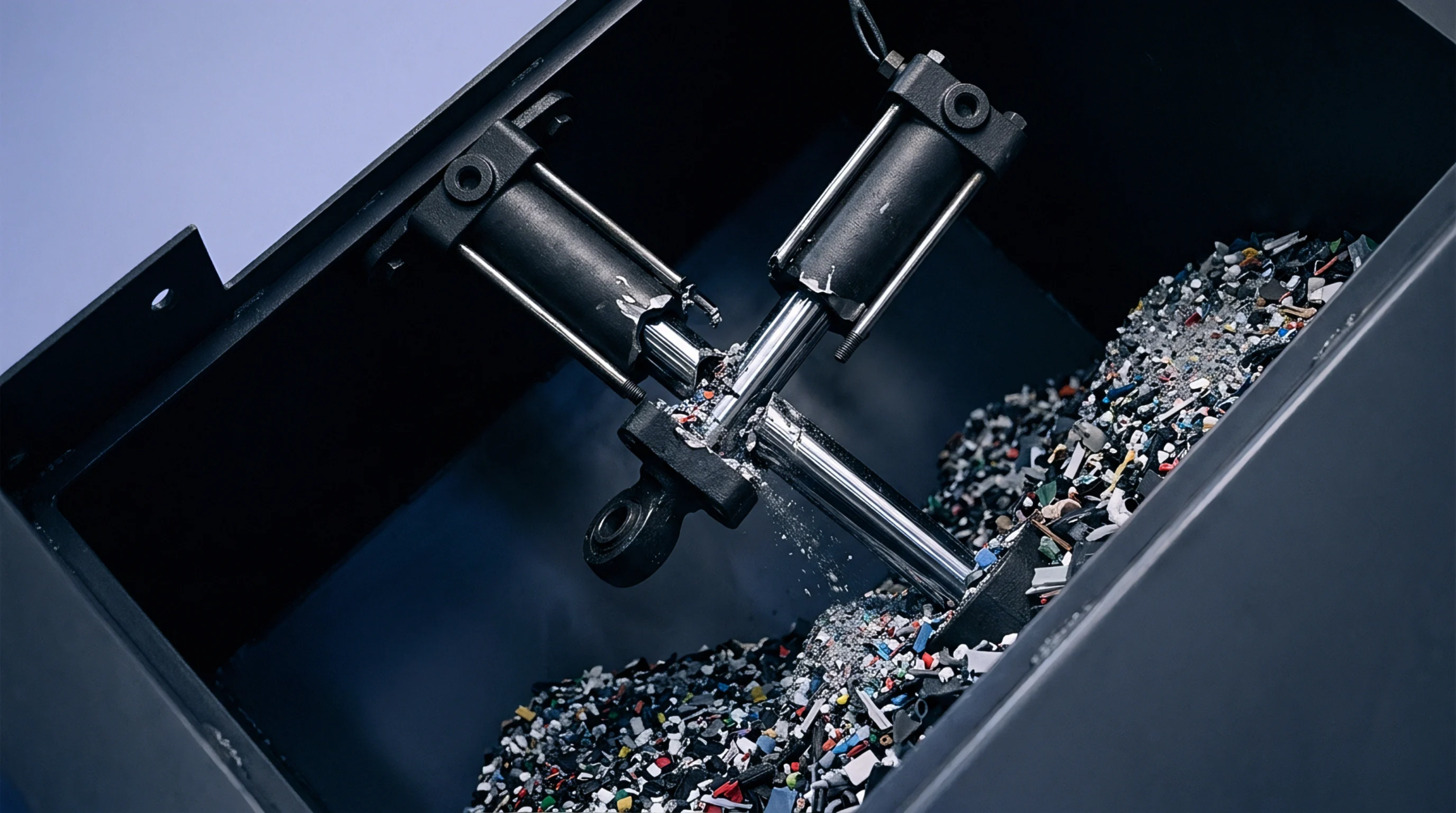
End of waste validation for secondary polyolefin compounding requires batch migration testing and accredited technical dossiers to convert scrap into compliant resin.
Verifying recycled HDPE in multicavity tools requires capillary rheometry beyond standard melt index to map shear thinning and prevent cavity filling imbalance.

Establishing Trouton ratio floors via capillary extensional rheology prevents catastrophic web tear and parison sag in regrind polyolefin blends.

Resolving unknown photoinitiator residues in recycled polyolefins demands coupled GC-MS and LC-HRMS screening anchored to a ten microgram per kilogram migration threshold.

Infrared and thermal fingerprinting verifies polyolefin blend composition, oxidation levels, and phase contamination to enforce supplier compliance and landed part cost.

Deactivate metal catalysts and neutralize acid traces with targeted additives to stabilize viscosity drift and optimize landed cost per good recycled part.

Closed loop polyolefin recycling relies on calculated purge rates and non-target screening to hold non-intentionally added substance migration under limits.

Apply 0.01 mg/kg food screening thresholds to non-target polyolefin extracts using high-resolution mass spectrometry and response factor uncertainty multipliers.

Analytical screening of HDPE consignments requires solvent extractions, GC-MS profiling, and diffusion modeling to verify food contact compliance before release.
Expertise is a utility, not a secret. sentiention™ publishes its working knowledge as open reference: intelligence layer covering the materials it sources, the markets it enters, and the reference that serves both.