
Evaluating Declarations of Conformity for High Density Bulk Polyethylene Liners
Evaluating declarations of conformity for high density polyethylene liners demands verification of resin grade, migration conditions, and batch traceability.
Evaluating declarations of conformity for high density polyethylene liners demands verification of resin grade, migration conditions, and batch traceability.

Modeling non-intentionally added substance diffusion in recycled packaging laminates requires recalibrating standard Piringer parameters with empirical shift factors to prevent false migration passes.

Optical, thermal, and spectroscopic identification methods quantify contamination in post consumer polyolefin flakes to ensure packaging compliance and value.

Polyolefin food contact compliance demands verified input sorting, validated thermal desorption challenge tests, and rigorous chromatographic NIAS screening.

Verify antioxidant migration in HDPE by coupling Piringer kinetic diffusion modelling with Simulant D2 mass spectrometry against toxicological thresholds.

Importers verify food contact declarations by matching resin batch numbers to laboratory migration reports, testing extractables, and auditing additive limits.

Zero shear viscosity scales to the 3.4 power of molecular weight in linear polyolefins, providing definitive quality control where melt flow index fails.

Functional barrier breakthrough modeling verifies recycled polyolefin food contact compliance by calculating contaminant lag time and Fickian mass transport.

Mapping viscoelastic crossover coordinates provides direct quantitative verification of polyolefin molecular weight distribution and branching architecture.

Dynamic frequency sweeps reveal true molecular weight distribution and melt strength, preventing conversion line failures hidden by single-point melt flow rates.

Capillary shear and dynamic mechanical rheology detect high molecular weight tail shifts and polyolefin contamination missed by standard melt flow rate tests.

Dual load flow rate ratio analysis isolates polypropylene grade contamination by measuring shear sensitivity changes between low and high piston weights.

Polyethylene NIAS compliance requires high-resolution mass spectrometry screening calibrated for response factor variance against ten parts per billion boundaries.
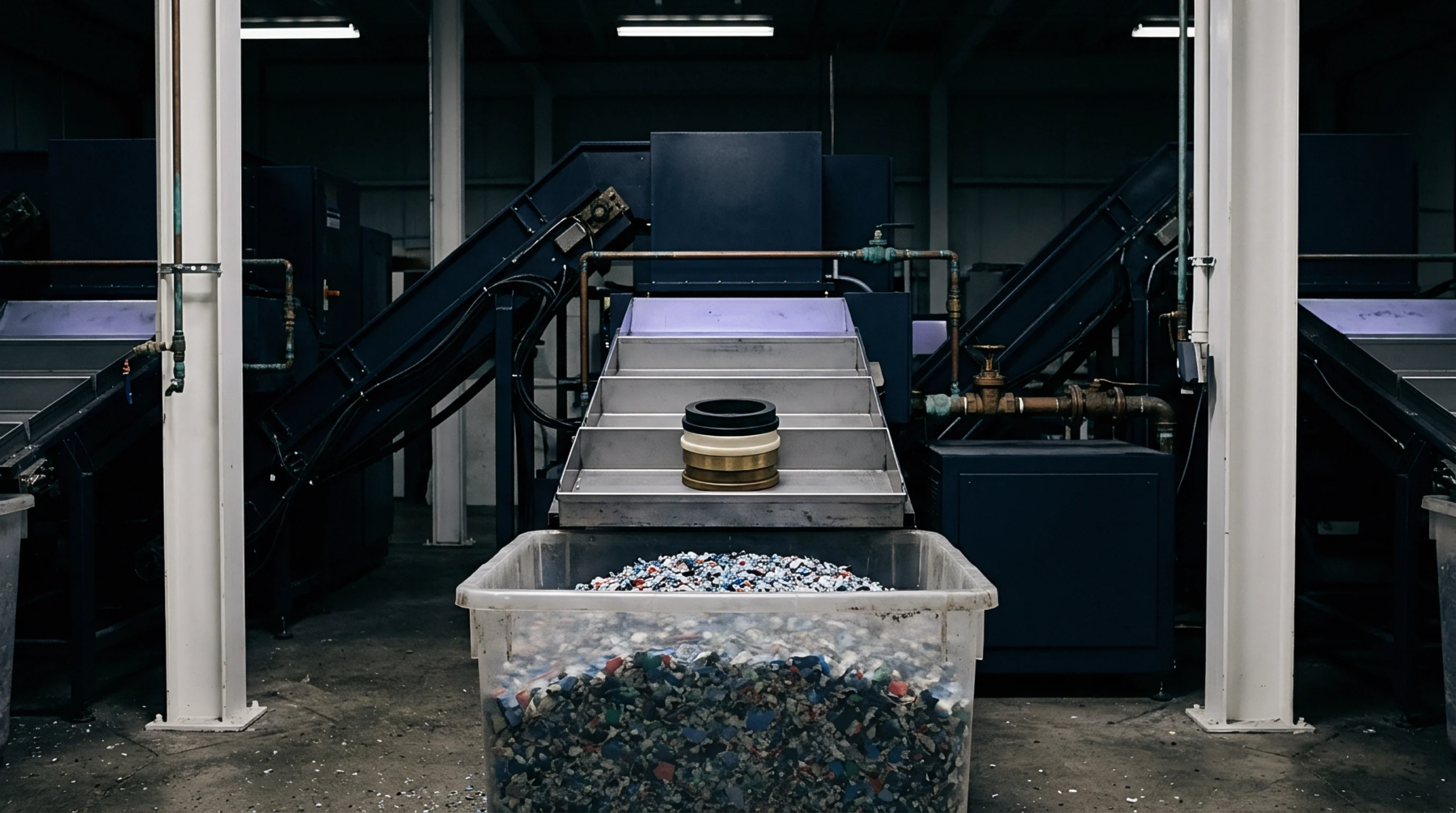
Dynamic viscosity algorithms adjust injection velocity and switchover pressure shot to shot to stabilize pack density when processing variable recycled resins.

Polyolefin fatty food reduction factors and solvent exposure corrections adjust raw laboratory migration values against real dietary fat uptake and simulant swelling.

Matching standardized food simulants to polyolefin packaging depends on polymer swelling behavior, contact temperature, and food lipophilicity to verify legal migration limits.
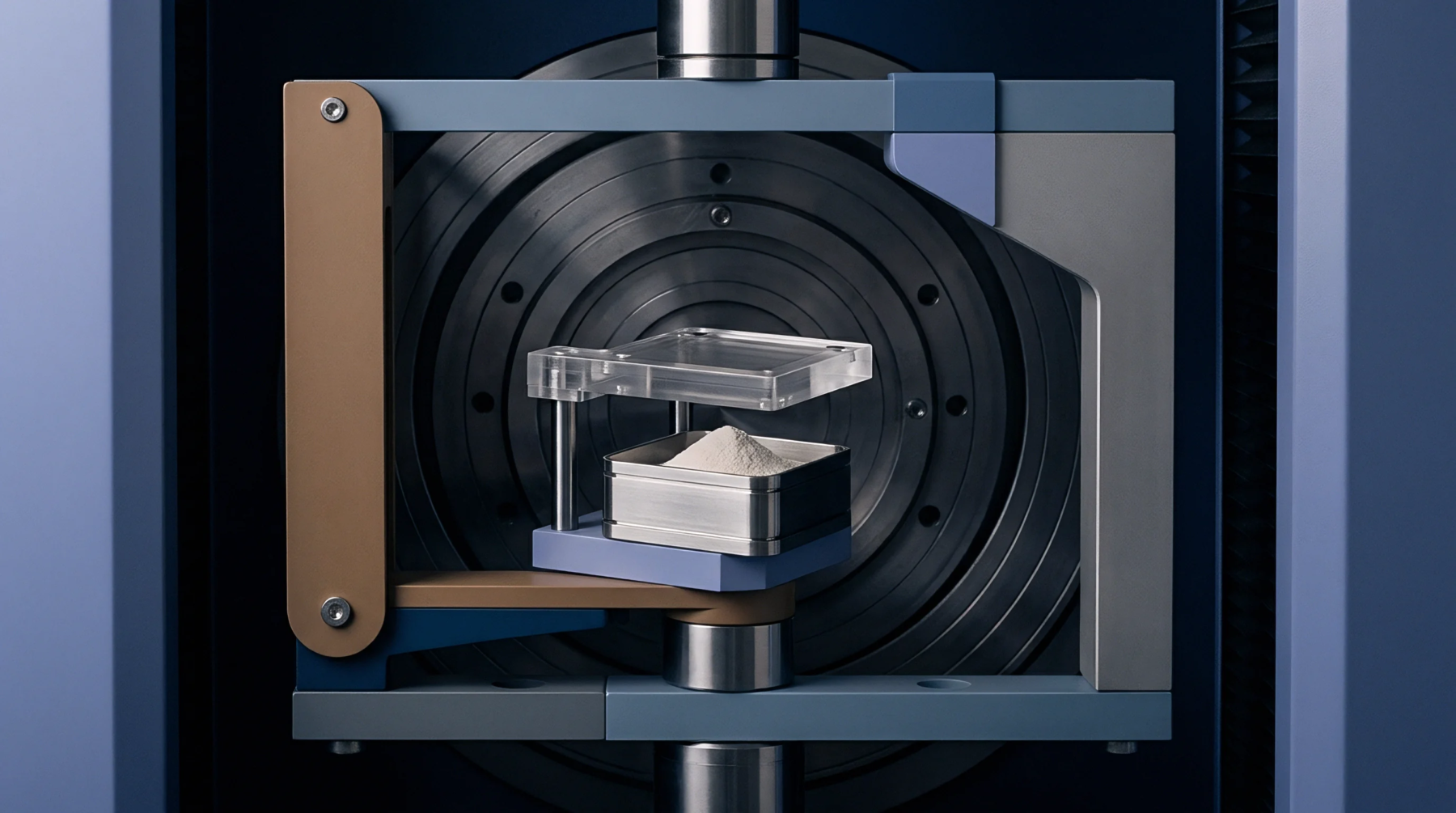
Toxicological evaluation of NIAS in PCR packaging combines non-target mass spectrometry, Cramer classification, and simulant migration testing against EU limits.
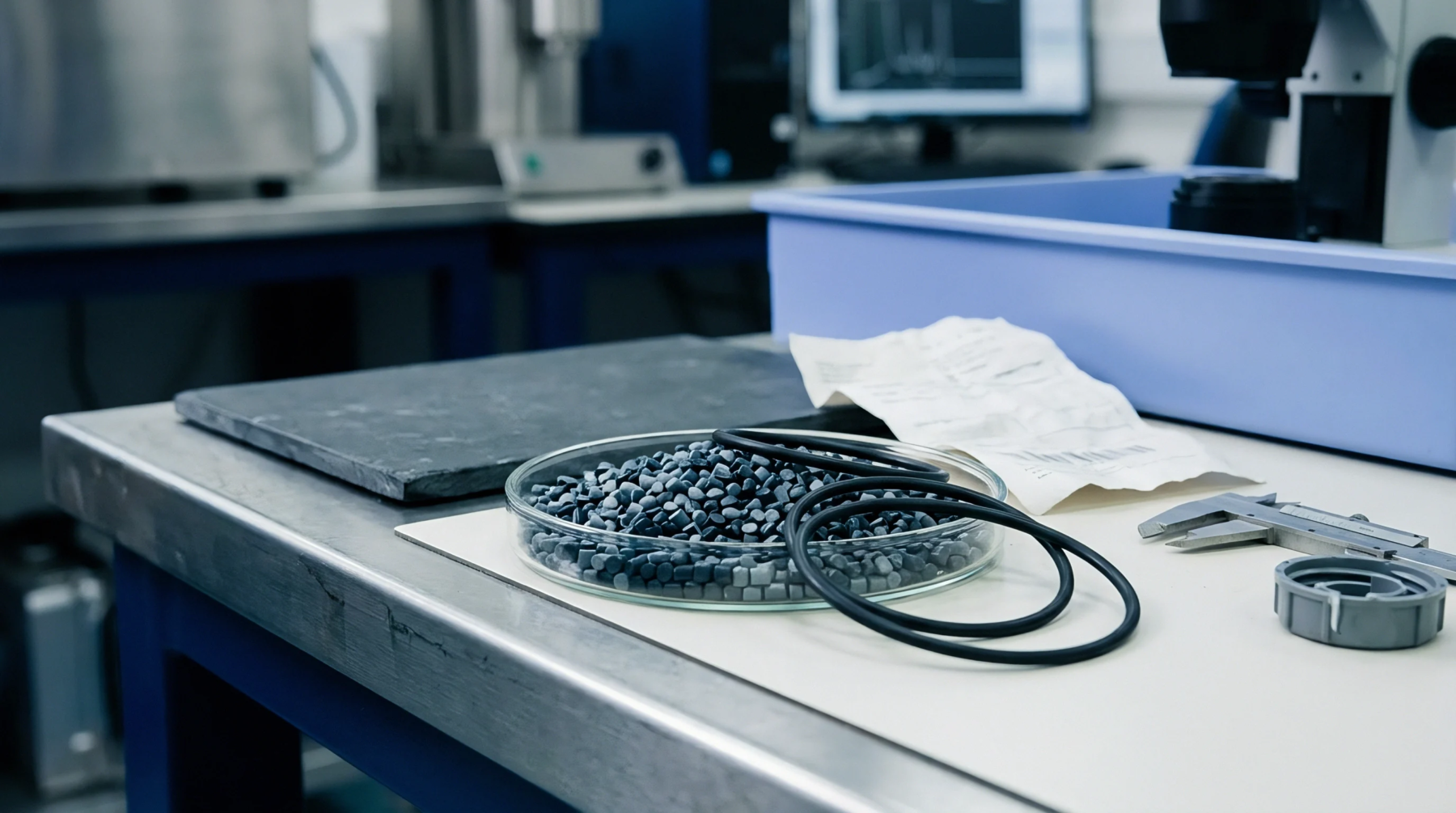
Analytical verification of chemically recycled polyolefins combines bulk isotope ratios with compound-specific pyrolysis markers to audit import declarations.

DSC annealing isolates true polymer density from processing thermal history by separating secondary crystalline growth from baseline backbone morphology.

Verification of photoinitiator migration limits in recycled polyolefins requires chromatographic testing against specific migration limits using appropriate food simulants.

Pair 3.43 µm narrow-band pyrometry with real-time transient conduction state estimators to track internal sheet temperatures despite regrind emittance shifts.
Accurate contaminant diffusion modeling in recycled polymers replaces spherical radius assumptions with shape specific three dimensional finite element boundary formulations.

Relative response factors in LC-HRMS recyclate screening vary by up to two orders of magnitude, requiring calibrated multi-surrogate matrices for batch release.
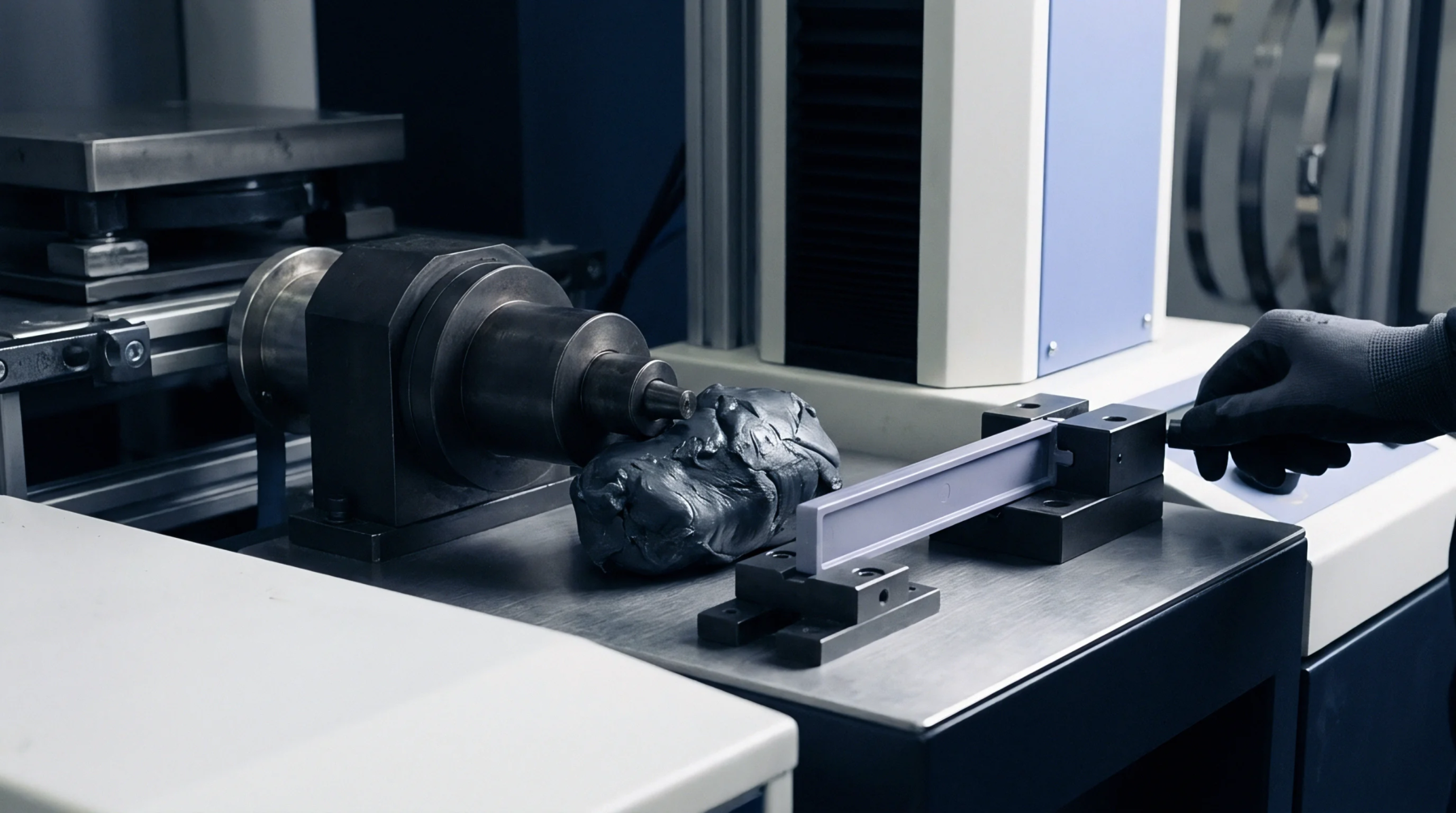
Mathematical diffusion modeling provides legally accepted migration screening for polyolefins when conservative Piringer parameters exceed real-world release.

Dynamic mass balance optimization matches additive letdown to real-time spectral contamination levels, reducing masterbatch costs and stabilizing melt quality.

Feed throat near-infrared calibration resolves recycled polyethylene density and polypropylene contamination before pellets reach the extruder melting zone.

Accelerated contact testing induces polymer swelling and phase shifts that distort migration rates, demanding multi-temperature kinetic validation.
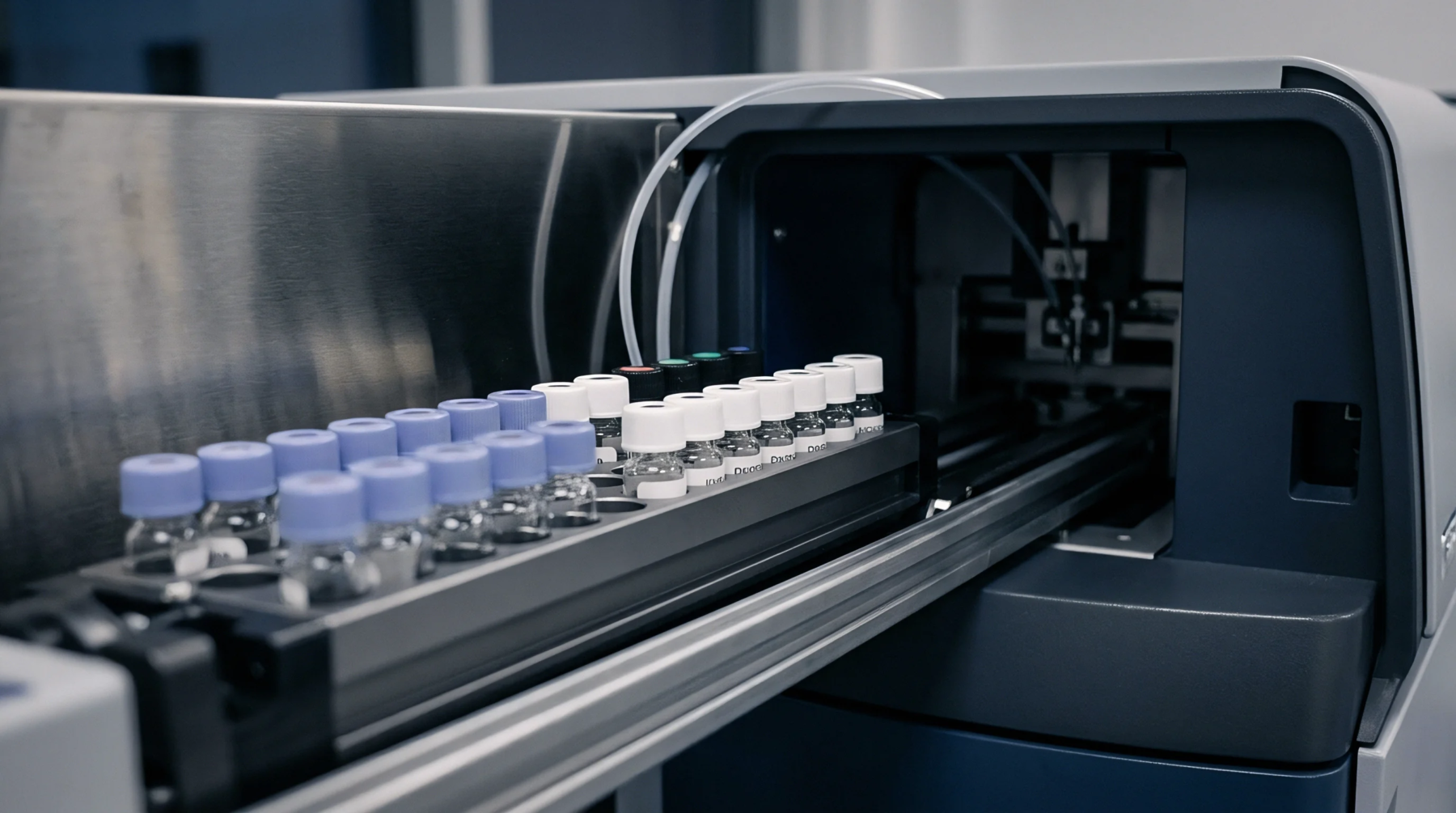
Incomplete migration reports invalidate food-contact packaging compliance; recalculate true exposure from geometry, simulant selection, and detection limits.

Verify High Load Melt Index across both 190 C and 220 C to identify thermal activation shifts that cause parison instability in regrind polyethylene compounds.

Inline mass drift is resolved by closed-loop gravimetric control and downstream ultrasonic wall tracking adjusting haul-off speed in real time.
Expertise is a utility, not a secret. sentiention™ publishes its working knowledge as open reference: intelligence layer covering the materials it sources, the markets it enters, and the reference that serves both.