Meaning
Periodic mechanical deformation characterizes the material testing procedure where a sample undergoes sinusoidal strain at controlled frequencies to resolve its viscoelastic response. Dynamic oscillatory shear separates the measured energy storage from the energy dissipation within a polymer melt or solid. Elastic components represent the stored energy while viscous components account for the loss, providing a ratio that defines the internal molecular structure.
This analytical method functions across a temperature gradient to identify transitions that affect processing windows.
Rheological Profile
Variations in molar mass distribution alter the phase angle between stress and strain during test execution. A polymer with a broad distribution shows a different frequency dependence than a narrow distribution resin, allowing processors to predict melt flow behavior during injection or extrusion. Moulders apply these insights to identify potential surface defects or weld line weaknesses before committing to a full production run.
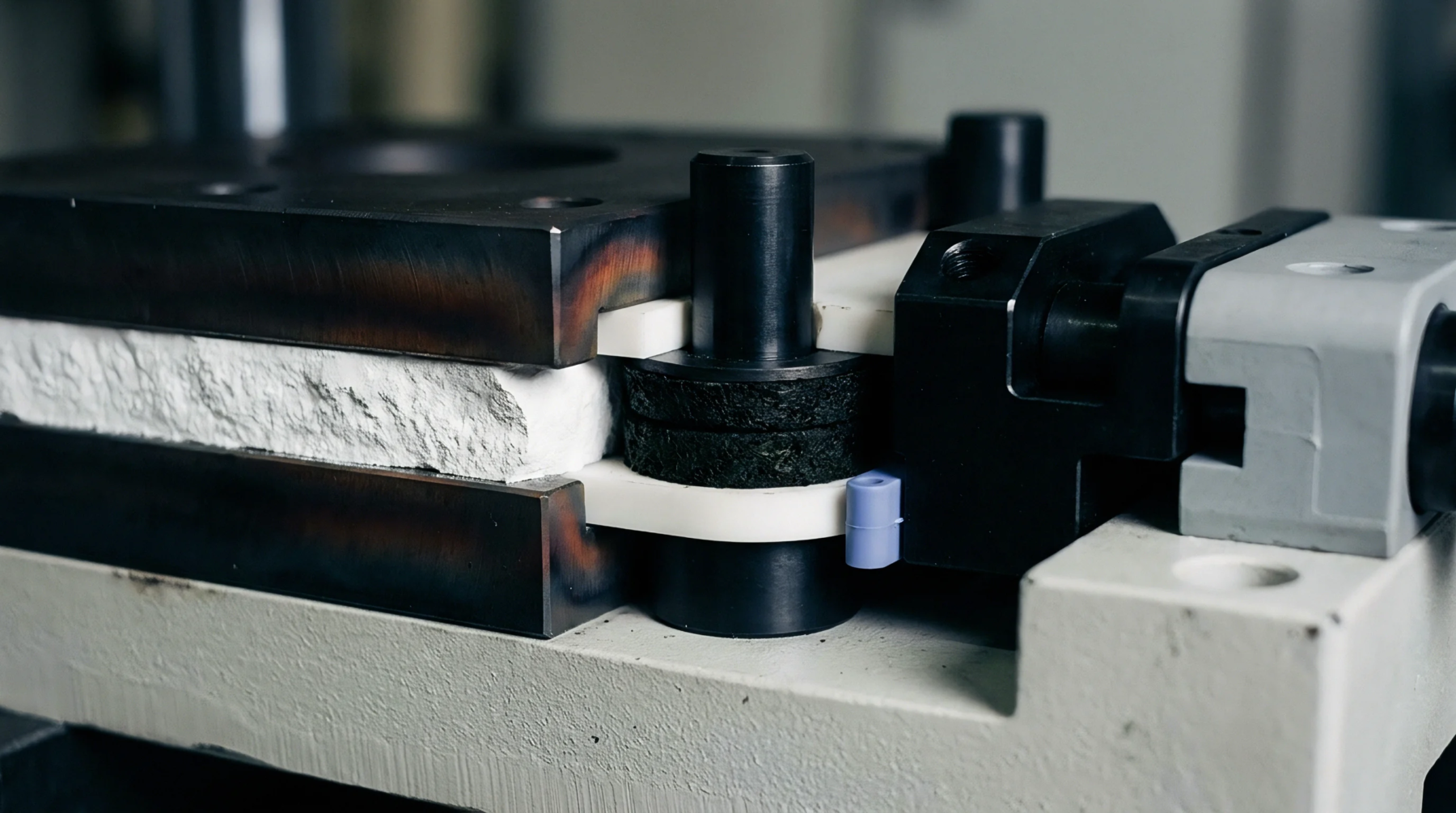
Precision remains dependent on the maintenance of the testing gap and the alignment of the parallel plates. A shift in the measured storage modulus during routine quality checks indicates a deviation in the base material batch that requires immediate investigation of the incoming resin inventory.
Processing Impact
Degradation of polymer chains reduces the viscosity observed in the linear viscoelastic region during shear application. Excessive heat during barrel residence time causes chain scission, and this testing method detects such structural changes through a drop in the complex modulus. Operators distinguish virgin resin performance from regrind blends by observing the specific frequency where the storage and loss moduli intersect.
A shift toward lower frequency ranges suggests that the molecular weight has decreased, which increases the likelihood of flash in thin-walled sections. Consistent material properties depend on the moulder maintaining the melt temperature within a tight range identified by this sweep.
Instrument Calibration
Thermal expansion of the mechanical fixtures complicates the accuracy of measurements at elevated processing temperatures. Sensors must account for the compliance of the instrument frame to ensure the shear stress applied to the sample matches the value reported by the software. Laboratory staff verify the integrity of the torque transducer using standard calibration fluids of known viscosity at room temperature.
Accurate geometry alignment prevents secondary flows from interfering with the pure shear signal required for polymer characterization. Periodic verification of the machine settings remains the prerequisite for relying on rheological data in production decisions.