Cavity Surface Texture Effects on Thermoplastic Heat Transfer and Shrinkage
Cavity surface texture increases interfacial thermal contact resistance, delaying resin skin freeze and increasing semi-crystalline thermoplastic shrinkage.
Cavity surface texture increases interfacial thermal contact resistance, delaying resin skin freeze and increasing semi-crystalline thermoplastic shrinkage.
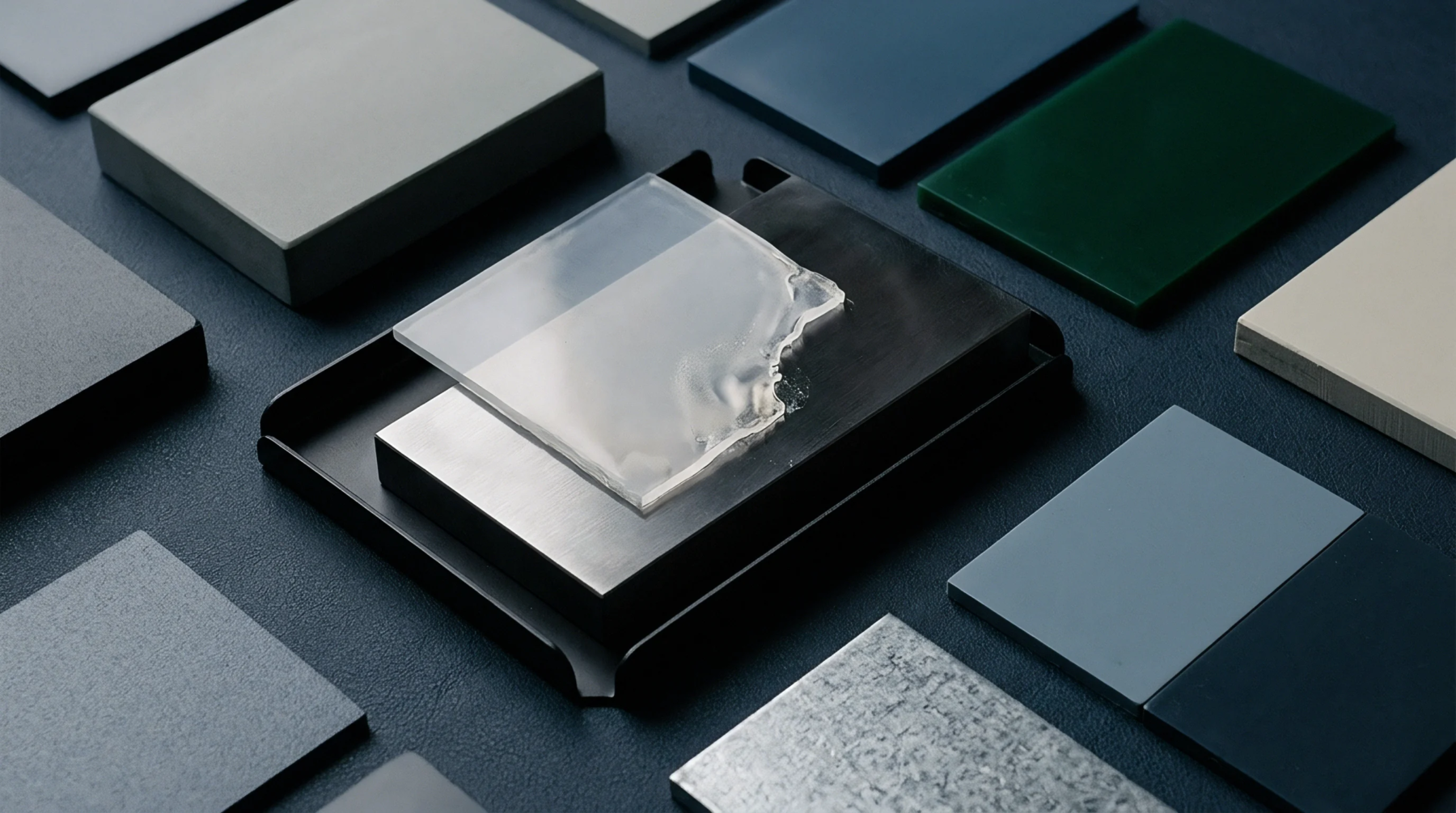
Uniform wall thickness design balances polymer flow, prevents shrink defects, cuts cycle times, and reduces landed part cost in injection moulding tools.
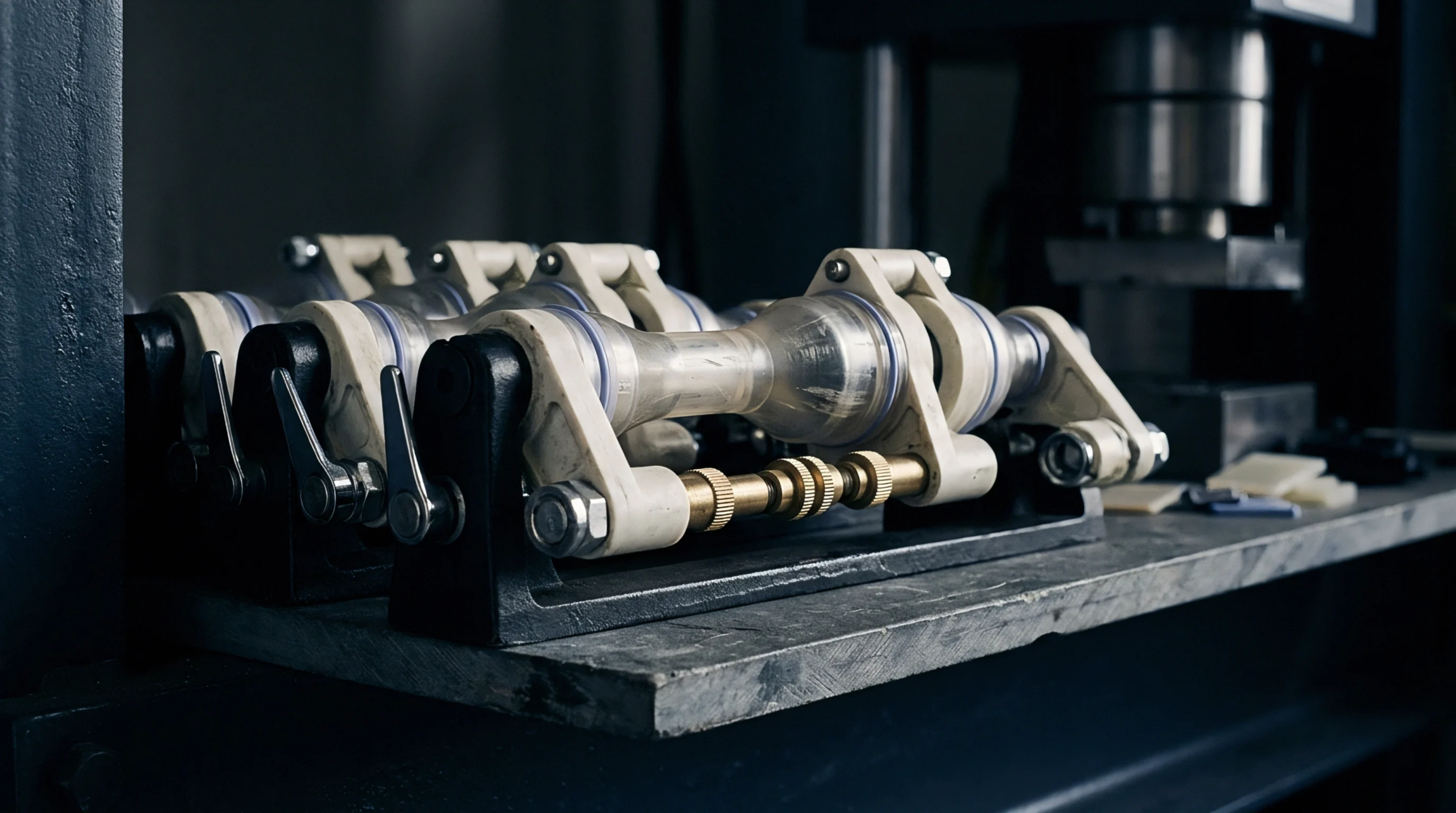
Textured mold cavity thermal resistance stems from trapped micro-air gaps, reducing interfacial heat transfer coefficients down to 800 W/m²K and extending cooling cycle duration.
Expertise is a utility, not a secret. sentiention™ publishes its working knowledge as open reference: intelligence layer covering the materials it sources, the markets it enters, and the reference that serves both.