
Post Consumer Polyolefin Recycling Property Degradation Fundamentals
Polyolefin property degradation stems from chain scission, oxidation, and contamination; managing property drift requires strict OIT, melt index, and blend controls.
Polyolefin property degradation stems from chain scission, oxidation, and contamination; managing property drift requires strict OIT, melt index, and blend controls.

House blends sold under branded grade names alter molecular weight distribution and melt rheology, requiring lot-level shear, thermal, and impact testing.

Tracking melt flow changes and oxidation time prevents part failure from degraded recycled polyolefin resins.

Undeclared regrind degrades melt stability and impact strength; verify batch history using melt flow rate delta and oxidative induction time limits.

Biaxial strain hardening metrics dictate wall thickness uniformity in high draw thermoforming; matching plug dynamics to material hardening prevents blowout.

Polyethylene sourcing requires specifying exact test loads, temperatures, and standards to isolate molecular structure and enforce contractual lot consistency.

Capillary rheometry fails below 10% third-pass regrind because high shear rates mask molecular weight drop beneath equipment noise floors.

Dynamic rheological frequency sweeps detect ultra-high molecular weight tails in bimodal polyolefins where standard melt flow rates fail.
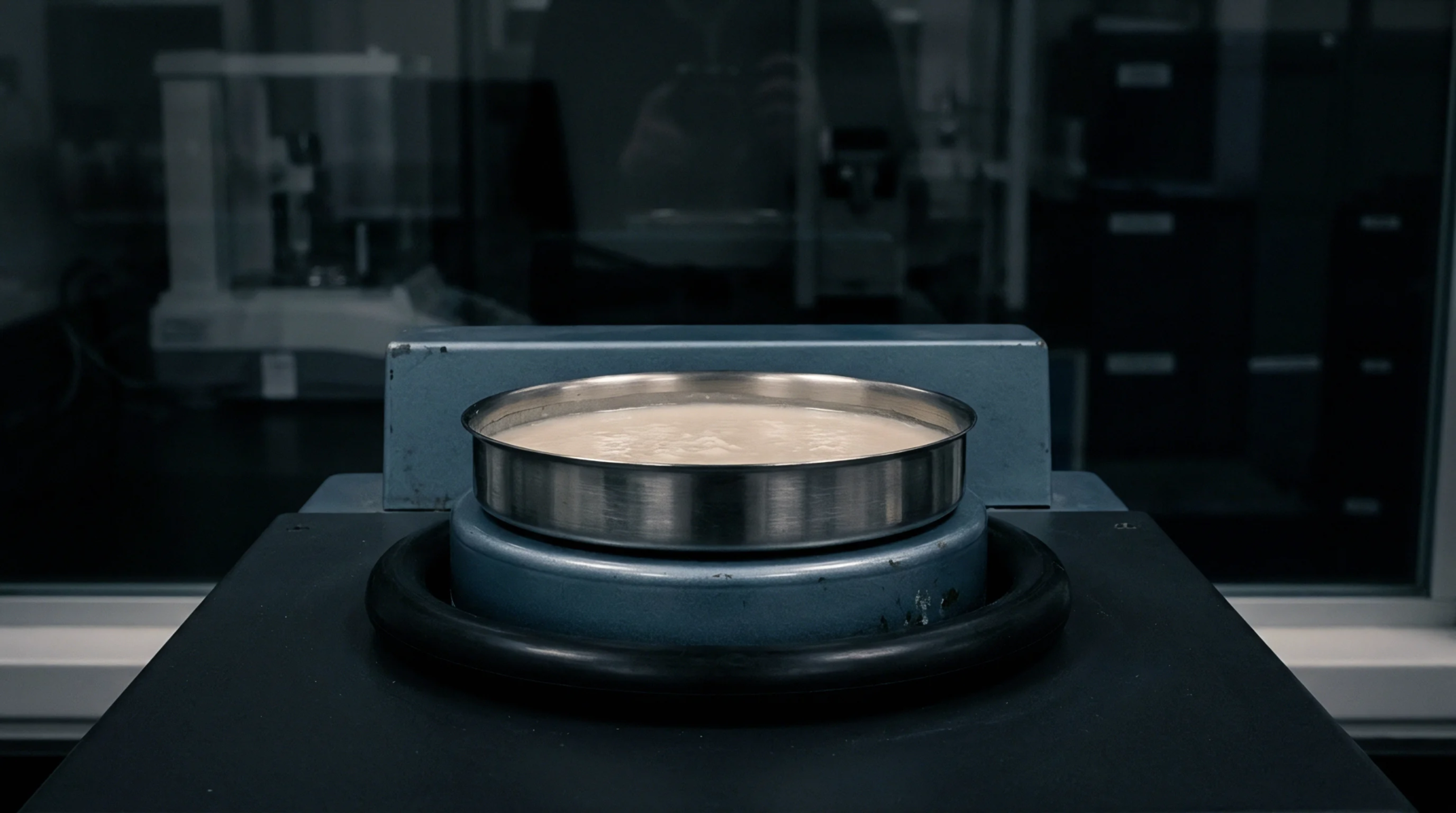
Zero-shear viscosity limitations prevent physical separation of hydrolyzed polymer fractions when short-chain plasticization and viscous fingering collapse flow differentials.
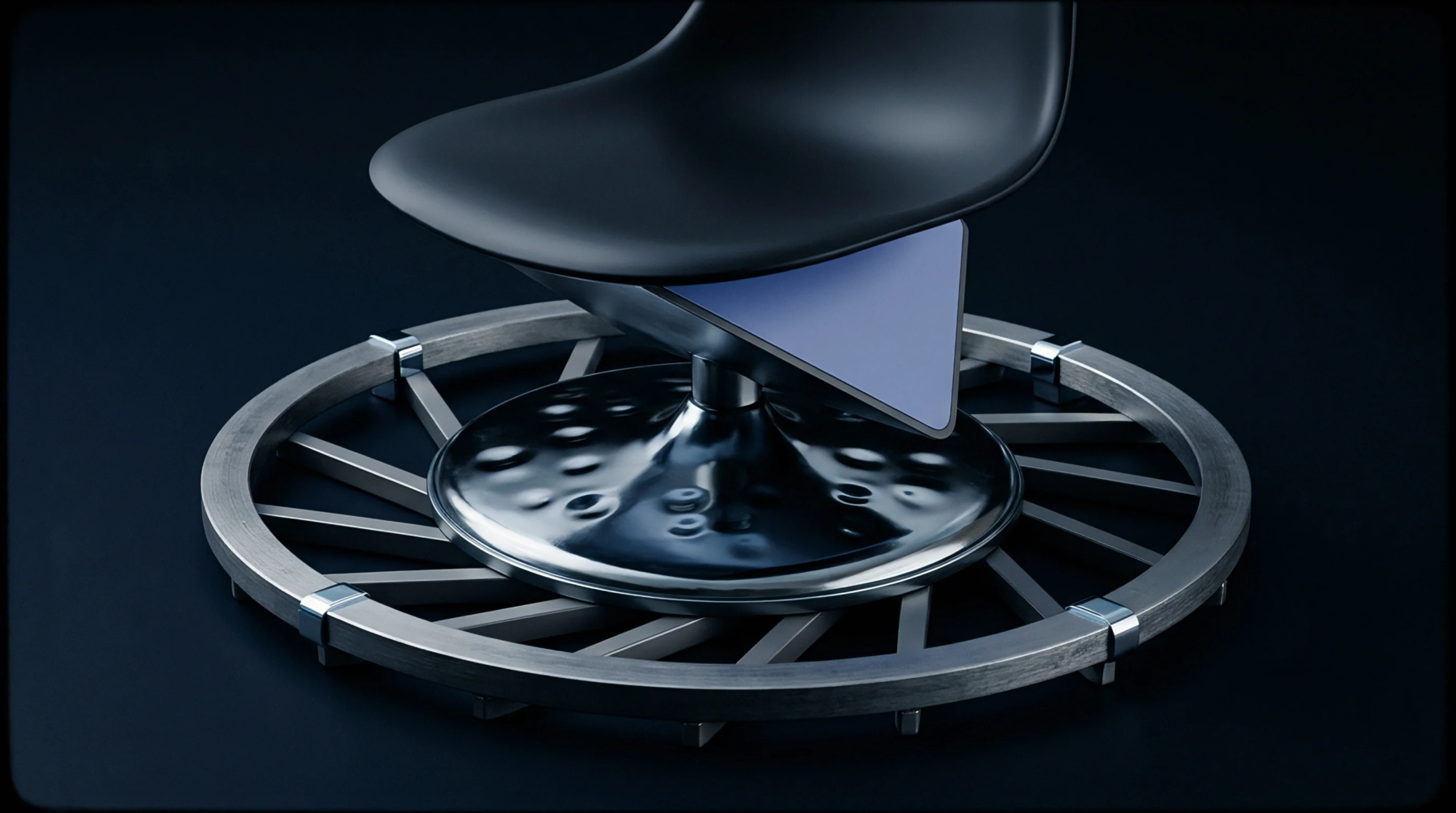
Characterizing polymer chain scission in rPET lots requires pairing solution viscometry with end-group titration to quantify backbone loss and dryer failure.

Zero-shear viscosity drops exponentially before MFR shifts, providing an early indicator of antioxidant depletion in recycled polypropylene.

Establishing Trouton ratio floors via capillary extensional rheology prevents catastrophic web tear and parison sag in regrind polyolefin blends.

Deactivate metal catalysts and neutralize acid traces with targeted additives to stabilize viscosity drift and optimize landed cost per good recycled part.
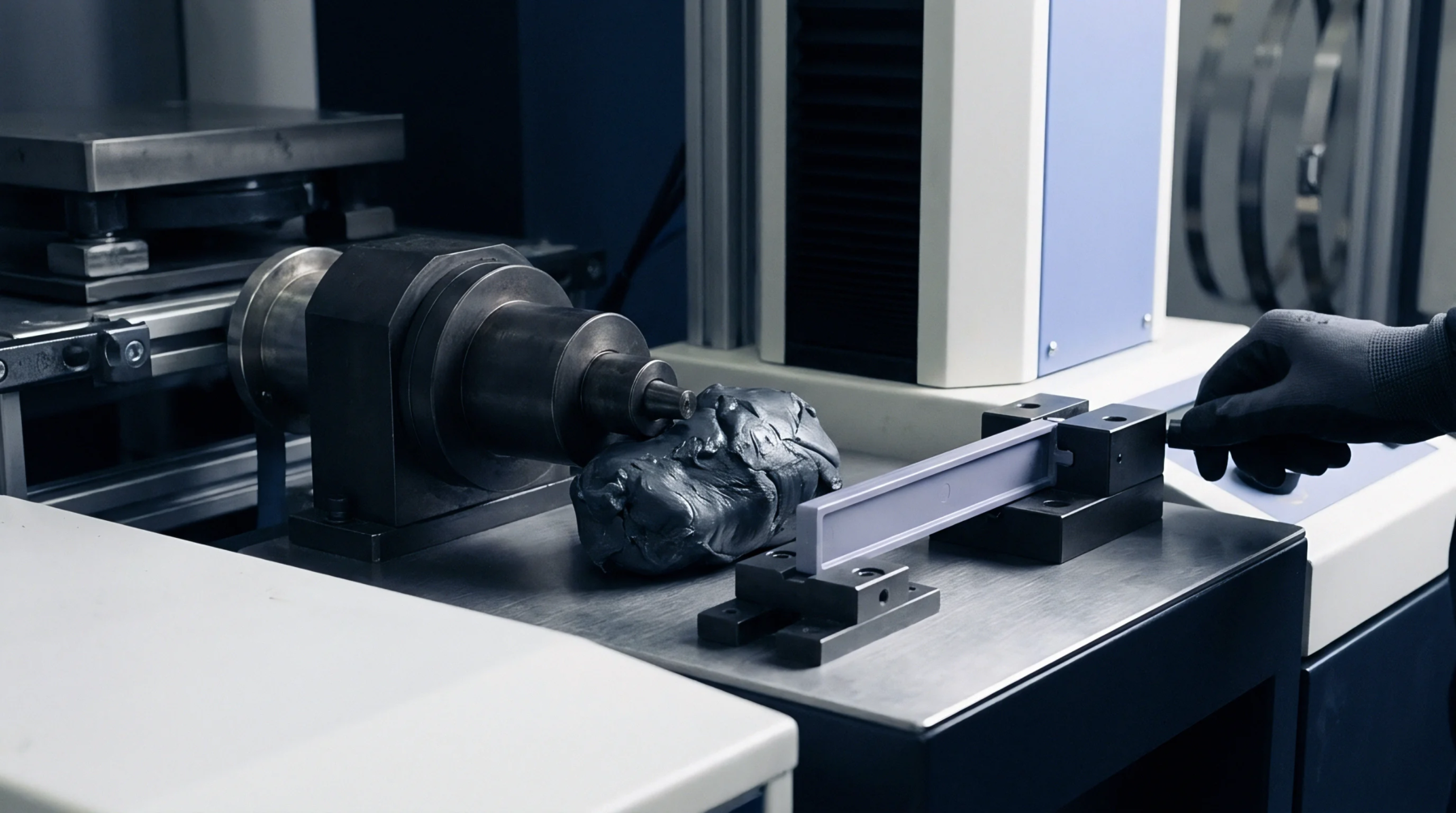
Bimodal HDPE shear thinning variations alter die swelling and sag resistance, forcing wall thickness adjustments and increasing landed pipe cost.
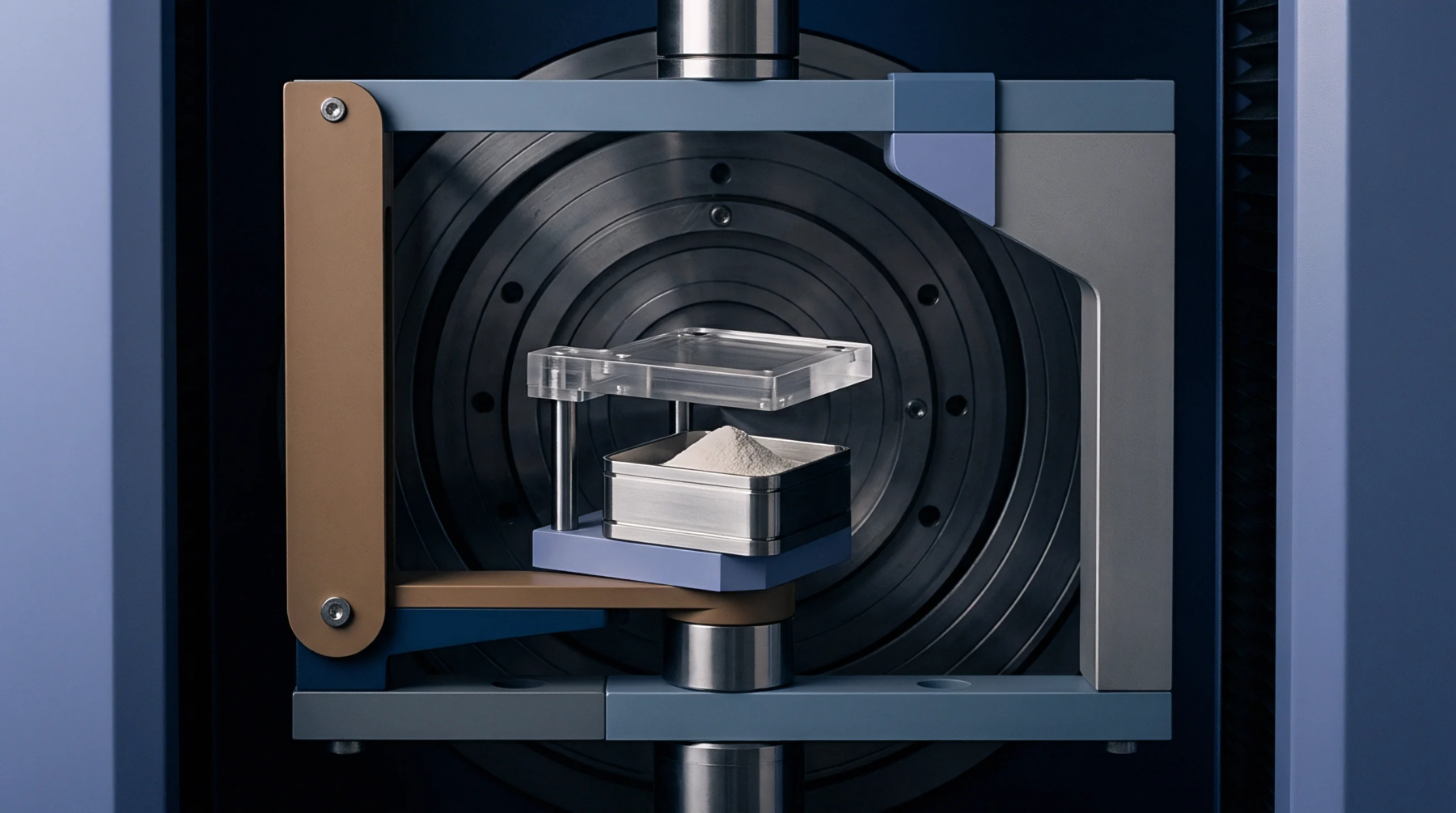
Calibrating high-shear capillary rheology via Bagley and Weissenberg-Rabinowitsch corrections prevents off-spec polyolefin lot processing failures.

House blending recycled resins causes melt viscosity drift and crosslinked gel contamination that disrupts mold filling and degrades part mechanical strength.

Calculating polyolefin landed arbitrage viability demands evaluating cracker co-product yield spreads against comonomer properties and freight tariffs.

Undeclared regrind in virgin polymer collapses oxidation stability and broadens viscosity bands, increasing landed cost per good part despite initial pellet discounts.
Dynamic low-frequency rheometry identifies thermal degradation in recycled polyolefins that single-point melt flow tests miss entirely.

High-temperature GPC and oscillatory shear rheology reveal chain scission and elasticity losses in regrind that standard melt flow testing consistently misses.

Verify post-consumer resin lot conformity by combining core lance sampling, melt flow shear sweeps, and DSC purity screens before unloading silos.

Polyolefin recyclate quality verification relies on multi-temperature melt flow testing, oxidation induction time, and continuous screen filtration tracking.

Polyethylene melt flow rate test load selection matches resin density and molecular weight to standard ASTM D1238 masses of 2.16 kg, 5 kg, or 21.6 kg at 190 °C.
Detecting subtle virgin polypropylene contamination requires dual-load melt flow indexing and extended thermal dwell testing to expose shear and stability shifts.

Controlled rheology visbreaking lowers sub-zero polypropylene drop toughness by removing high molecular weight tie chains, demanding elastomer modification to prevent brittle container shatter.

Interfacial viscous fingering during melt fractionation is controlled by tuning temperature gradients and limiting viscosity ratios across polymer phase boundaries.

Low frequency storage modulus G prime below 0.1 rad/s isolates high molecular weight elastic recovery to predict bimodal pipe swell and prevent over-extrusion.

Select high flow polypropylene homopolymers by balancing melt flow rate against impact loss, verifying narrow molecular weight distribution and peroxide residues.

Visbroken polypropylene risks organoleptic contamination and thermal degradation; verify residual peroxide, NIAS limits, and OIT before food contact use.

Single point melt flow index testing fails to predict recycled polypropylene processing behavior due to shear thinning and contaminant induced melt instability.
Expertise is a utility, not a secret. sentiention™ publishes its working knowledge as open reference: intelligence layer covering the materials it sources, the markets it enters, and the reference that serves both.