
Predicting Abrasive Gate Wash in Glass Filled Polyamide Injection Tooling
Predict abrasive gate wash by tracking fiber volume and orifice velocity to size wear-resistant powder steel or carbide inserts before cutting production tooling.
Predict abrasive gate wash by tracking fiber volume and orifice velocity to size wear-resistant powder steel or carbide inserts before cutting production tooling.

ISO 25178 volumetric parameters quantify tool steel loss by tracking core volume decay and valley expansion to trigger steel maintenance before parts flash.

Dynamic viscosity algorithms adjust injection velocity and switchover pressure shot to shot to stabilize pack density when processing variable recycled resins.

Closed loop cavity pressure control isolates part dimensions from material viscosity shifts by triggering transfer and regulating packing directly from cavity telemetry.
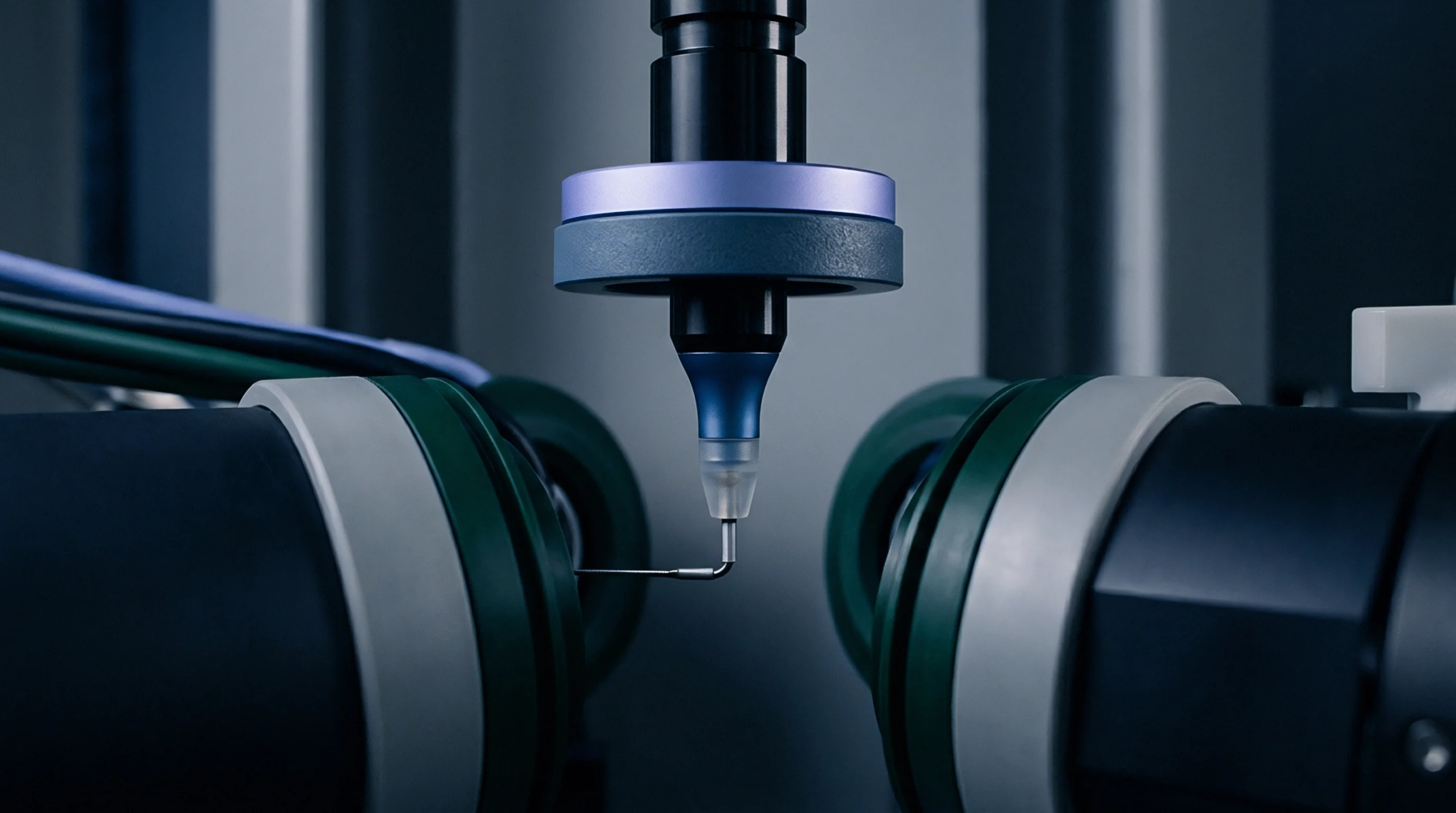
Inline viscosity monitoring uses nozzle pressure and injection velocity to dynamically calculate melt resistance and stabilize shot-to-shot quality.

Dynamic finite element modeling of micro-gap thermal decoupling prevents cycle time underestimation and unpredicted warpage by coupling clearance to heat flux.
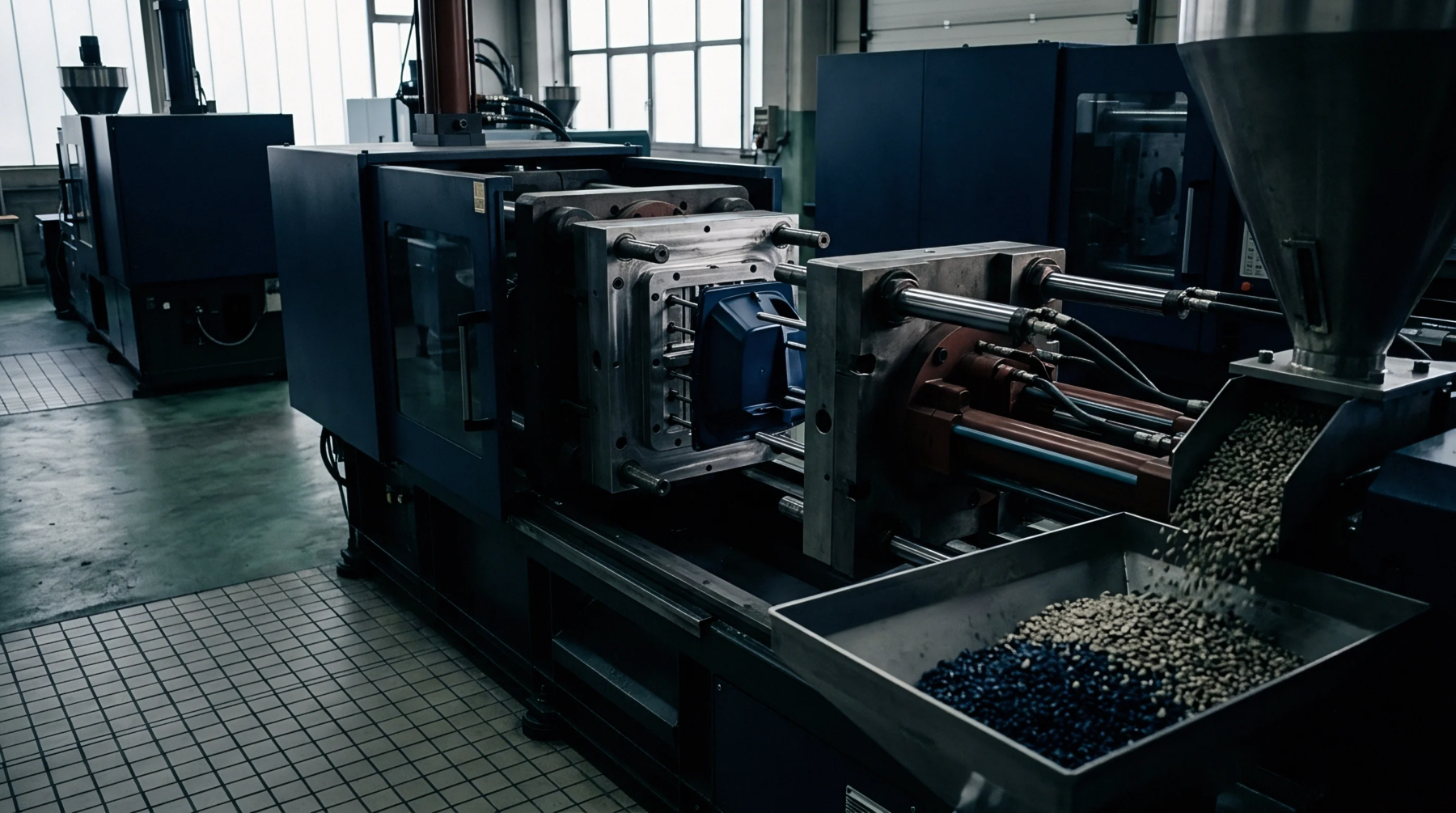
Coupled thermo-viscoelastic modeling of PVT shrink and tool expansion predicts variotherm macro gap formation and prevents optical distortion.

Micro-structured insets choke thermal conductance through trapped micro-cavity air and loose back-face pocket fit, demanding rigid clamping and high packing pressure.

High packing stress forces polymer skins into steel micro-grooves, increasing heat transfer while elevating ejection drag through viscoelastic keying.

Calibrating dynamic interfacial heat transfer coefficients with flush cavity sensors eliminates cooling simulation error and prevents unbudgeted cycle time extensions.

Dynamic interfacial thermal conductance modeling links cavity pressure to heat flux, eliminating premature gate seal errors and cycle time underestimations.

Micro-gap thermal resistance escalates ten-fold upon gate freeze, requiring pressure-coupled models to prevent severe cycle-time and dimensional under-prediction.
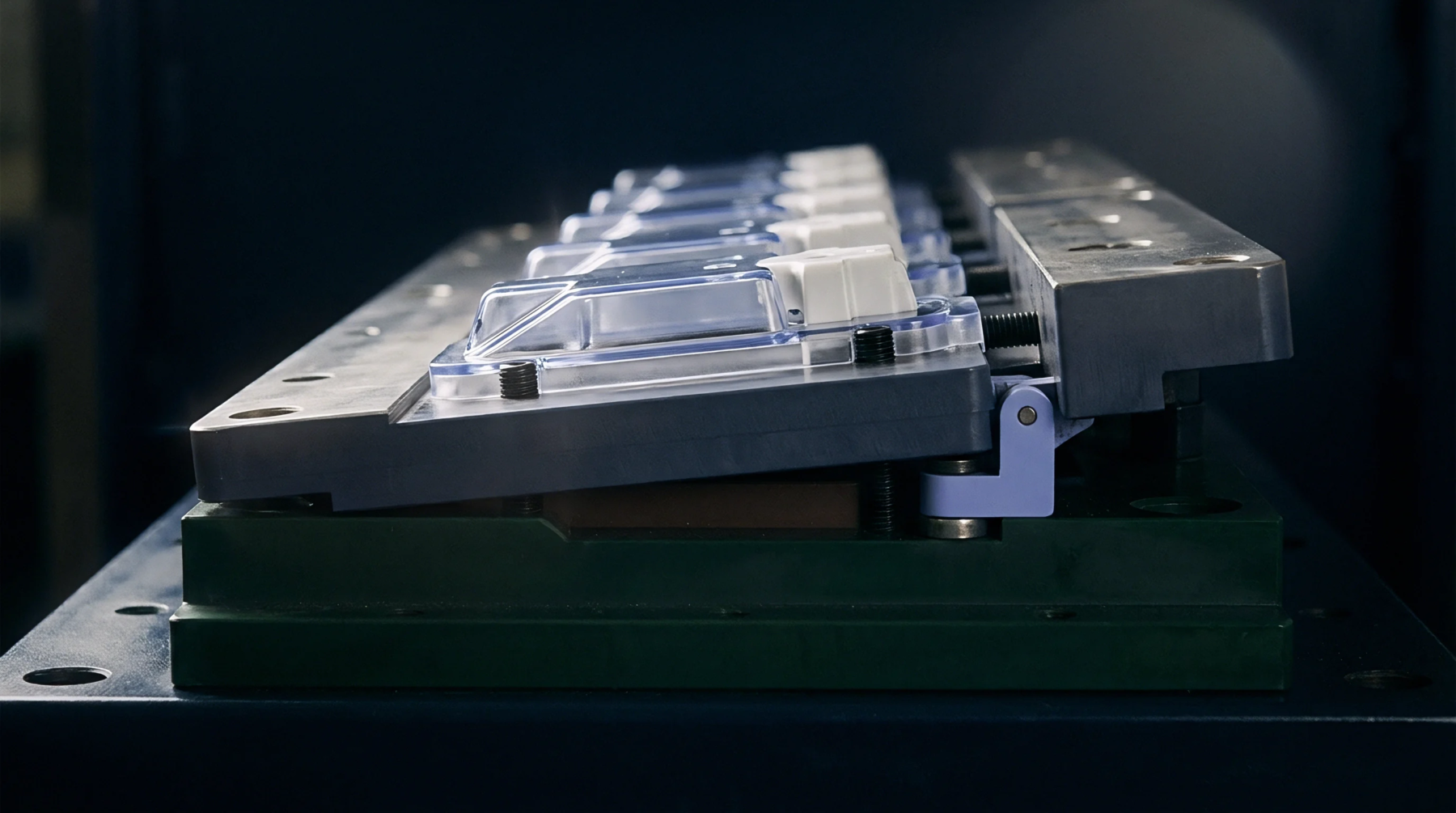
Calibrating interfacial heat transfer against cavity pressure curves replaces guess-work with exact pressure-dependent thermal conductance functions.
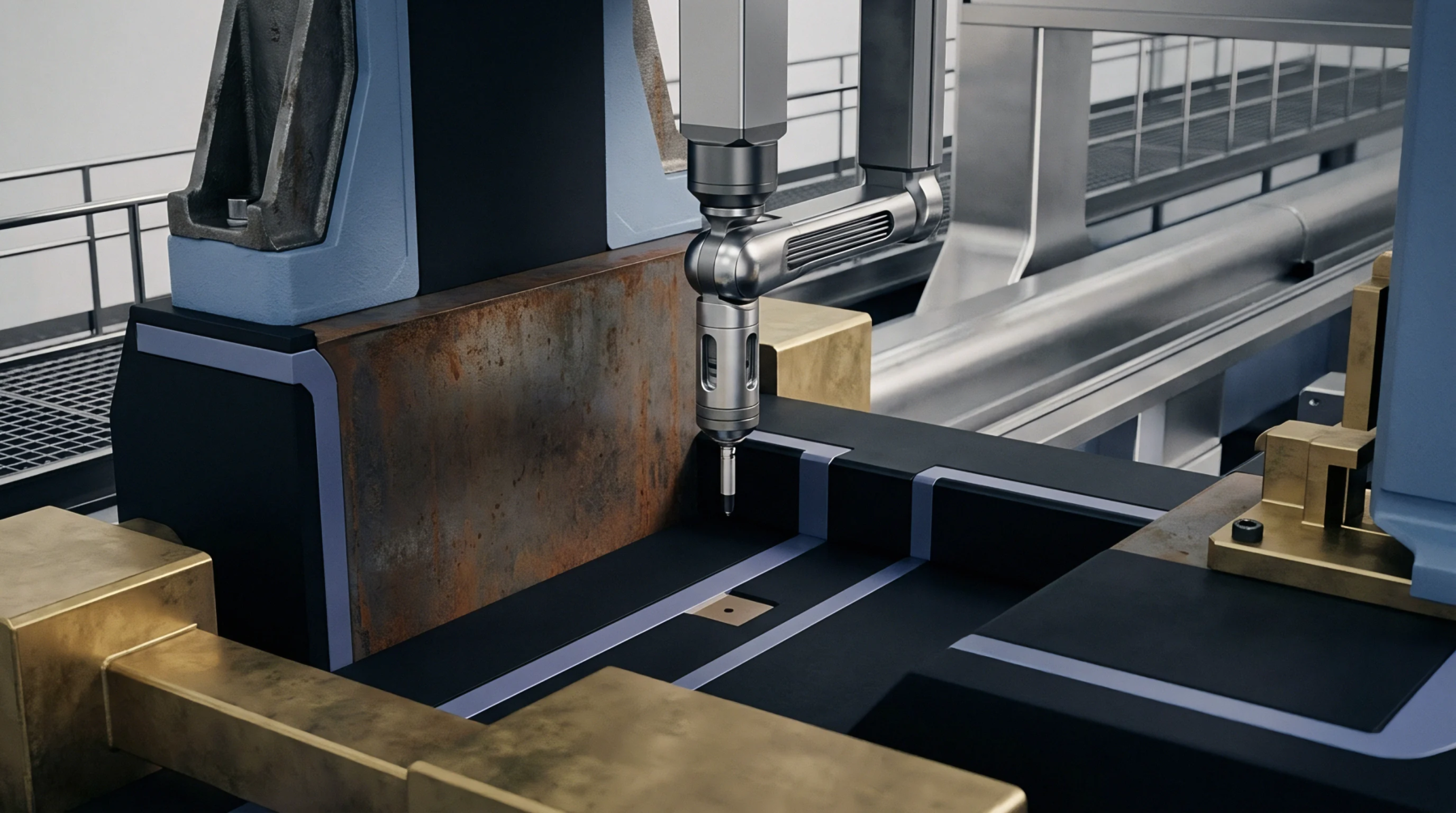
Polymer contact conductance collapses from 2500 to 150 W/(m²·K) upon cavity depressurization, doubling cooling resistance across polished tool steel interfaces.
Multivariant cavity pressure curve area control locks optical lens center thickness within three micrometers by compensating dynamic resin viscosity shifts.

Real-time melt viscosity tracking decouples machine stroke from cavity dynamics, holding DIN 16742 tolerances across raw material batch shifts.

Cavity pressure integration stabilizes moulded part dimensions by decoupling packing phase transfer from machine variation and verifying cycle-by-cycle density.

Coupled CHT-FSI modeling resolves dynamic core pin bending and thermal disparity to lock wall thickness tolerances across high-cavitation tooling.
Calibrate solver thermal conductance against in-tool pressure and temperature telemetry to prevent costly mold re-cutting loops and secure tight tolerances.
High-cavitation transient thermal balance requires turbulent coolant flow, conductive insert alloys, and equalized circuit pressure drops across every cavity.

Predict microstructural fatigue initiation in thermally cyclic short fiber polymers by mapping injection fiber orientation tensors to 3D viscoplastic RVE models.

Mapping injection molded fiber tensors into non linear FEA models yields accurate stress relaxation predictions and prevents costly tooling modifications.

Glass-reinforced thread flank relaxation depends on fiber orientation mapping and viscoelastic Prony models to prevent clamp load decay in molded bosses.
Expertise is a utility, not a secret. sentiention™ publishes its working knowledge as open reference: intelligence layer covering the materials it sources, the markets it enters, and the reference that serves both.