
Contract and Spot Naphtha Spread behind a Thirty Day Quote
Contract and spot naphtha spreads undermine fixed thirty-day resin quotes, requiring indexation formulas and dock MFR testing to prevent margin erosion.
Contract and spot naphtha spreads undermine fixed thirty-day resin quotes, requiring indexation formulas and dock MFR testing to prevent margin erosion.

House blends sold under branded grade names alter molecular weight distribution and melt rheology, requiring lot-level shear, thermal, and impact testing.

Delivered resin moisture guarantees require coulometric Karl Fischer verification under ISO 15512 Method B1 paired with machine downtime chargeback clauses.

Determining commodity resin grades requires multi-point shear viscosity validation and strict Certificate of Analysis contract limits to secure part performance.

Undeclared regrind degrades melt stability and impact strength; verify batch history using melt flow rate delta and oxidative induction time limits.

Melt flow index and density metrics must be verified together under exact standard loads to control polyolefin processability and field crack resistance.

Polyethylene sourcing requires specifying exact test loads, temperatures, and standards to isolate molecular structure and enforce contractual lot consistency.

Capillary rheometry fails below 10% third-pass regrind because high shear rates mask molecular weight drop beneath equipment noise floors.

Dynamic rheological frequency sweeps detect ultra-high molecular weight tails in bimodal polyolefins where standard melt flow rates fail.
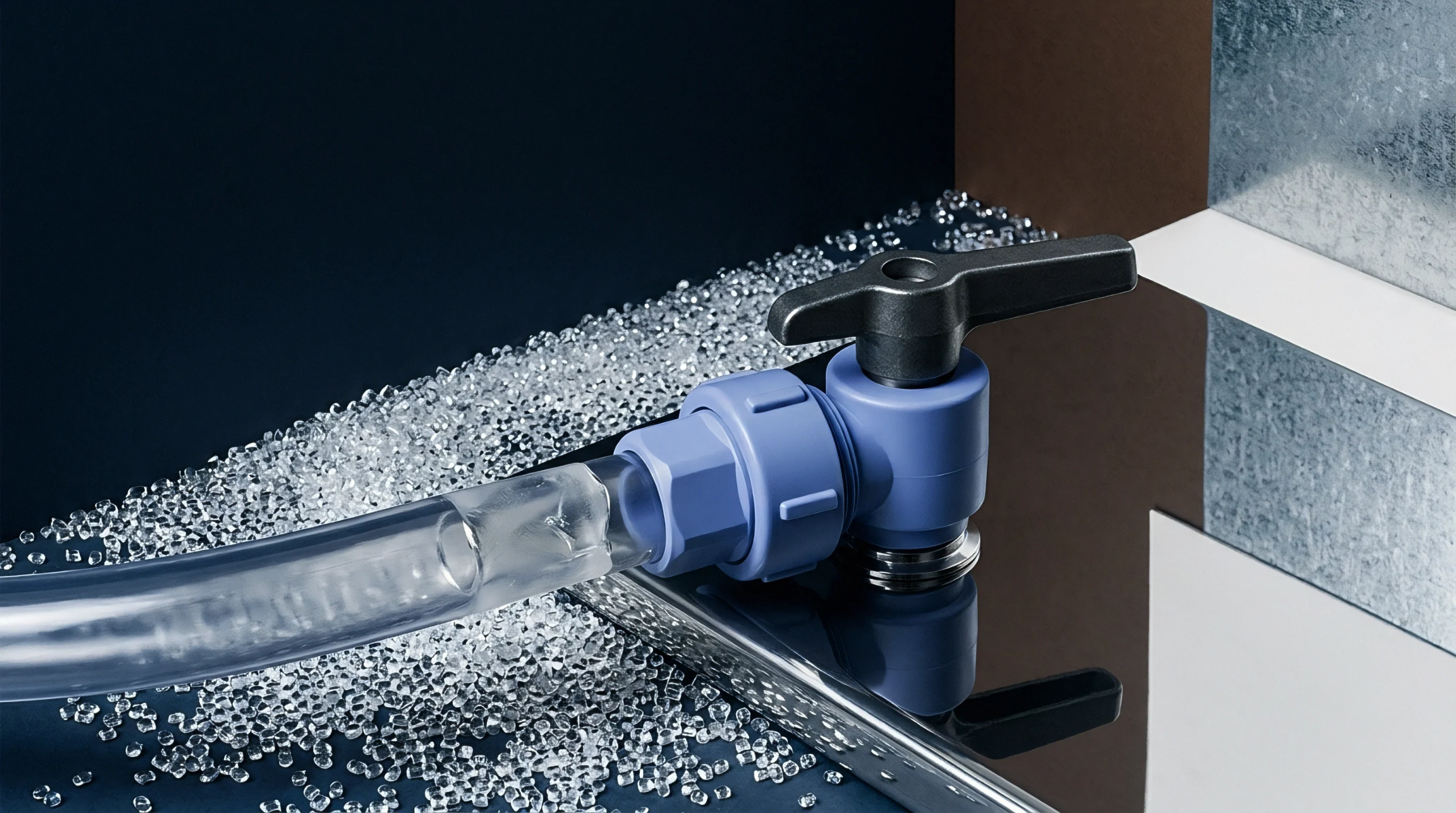
Preparative isolation of low molecular weight polyolefin fractions requires rigorous thermal solvent extraction to verify food contact compliance and REACH boundaries.
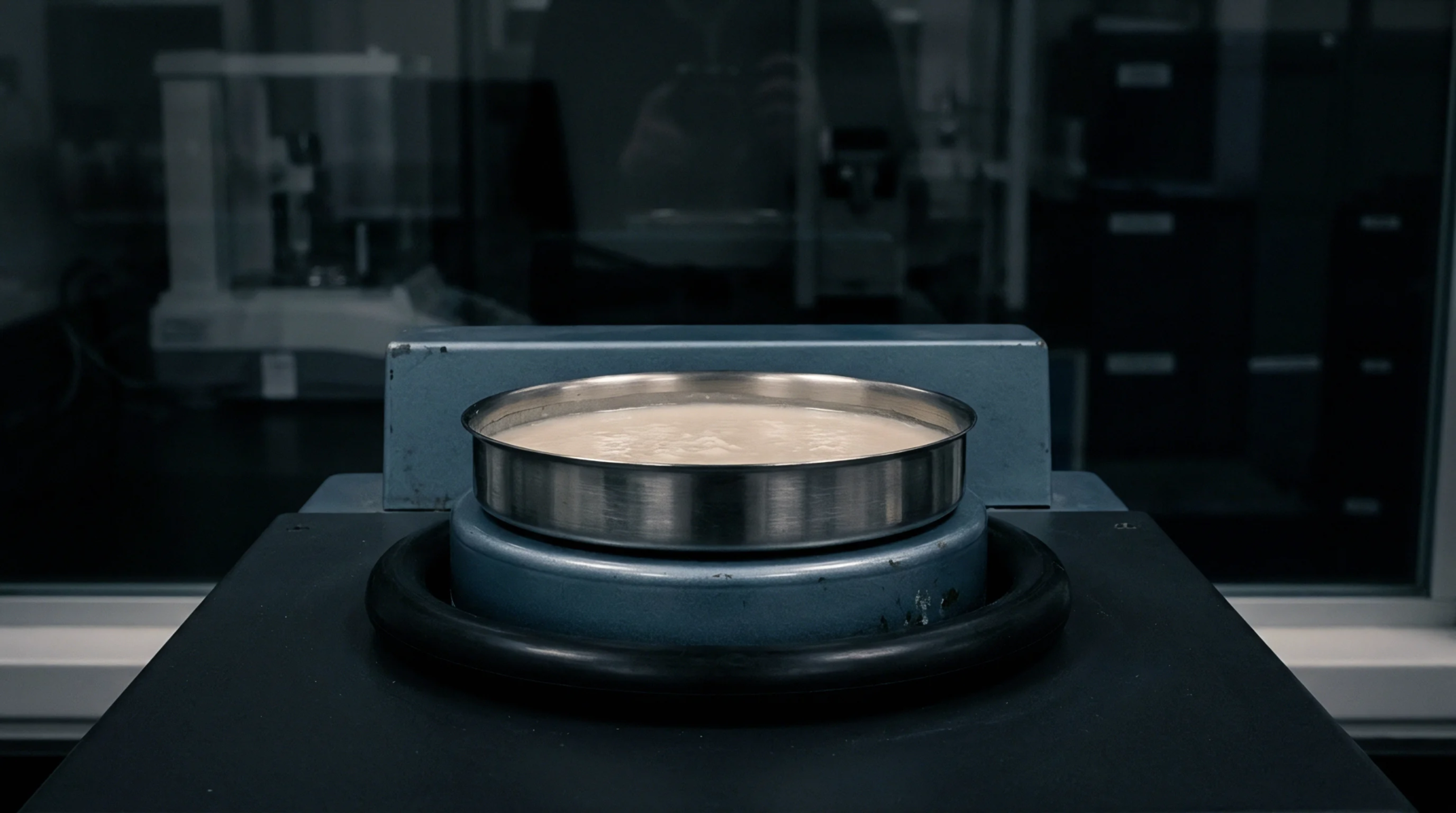
Zero-shear viscosity limitations prevent physical separation of hydrolyzed polymer fractions when short-chain plasticization and viscous fingering collapse flow differentials.

Sourcing thin-wall PP homopolymer demands qualifying melt flow rates above 60 g/10 min while auditing peroxide residues to protect mechanical impact.

Verifying recycled HDPE in multicavity tools requires capillary rheometry beyond standard melt index to map shear thinning and prevent cavity filling imbalance.

Establishing Trouton ratio floors via capillary extensional rheology prevents catastrophic web tear and parison sag in regrind polyolefin blends.

Controlling thermal and hydrolytic degradation in polyhydroxyalkanoates requires drying under 200 ppm water, active vacuum devolatilization, and targeted carboxyl scavenging.

Bimodal HDPE shear thinning variations alter die swelling and sag resistance, forcing wall thickness adjustments and increasing landed pipe cost.

Calibrating high-shear capillary rheology via Bagley and Weissenberg-Rabinowitsch corrections prevents off-spec polyolefin lot processing failures.

An unconditioned melt flow value lacks physical meaning without its test load, temperature, and standard protocol specified.

Dynamic shear lowers thermal degradation thresholds in recycled polyolefins, demanding intake screening of residual stabilizer levels and dynamic viscosity.

Post-consumer HDPE sourcing relies on batch melt testing, DSC thermal screening, and mass balance audits to prevent factory scrap and field failure.

Melt flow rate fails to catch high-shear viscosity drift in dynamic feedstocks, requiring capillary rheology and inline pressure monitoring to control scrap.

Proving undisclosed hydrolytic degradation in polyamides requires solution viscometry per ISO 307 and carboxyl end-group titration per ISO 16533.

Undeclared regrind in virgin polymer collapses oxidation stability and broadens viscosity bands, increasing landed cost per good part despite initial pellet discounts.
Dynamic low-frequency rheometry identifies thermal degradation in recycled polyolefins that single-point melt flow tests miss entirely.

Correcting capillary rheometry data via Bagley and Rabinowitsch protocols is mandatory to prevent up to 50 percent viscosity errors in bimodal HDPE die design.

Polyethylene melt flow rate test load selection matches resin density and molecular weight to standard ASTM D1238 masses of 2.16 kg, 5 kg, or 21.6 kg at 190 °C.

Standard 84-day disintegration tests fail in commercial composting facilities operating on 21-day cycles, requiring resin selection tuned for rapid hydrolysis.

Extruding polyesters above 280°C demands moisture below 30 ppm to prevent ester hydrolysis, intrinsic viscosity loss, and catastrophic part brittleness.

Quantifying shear sensitivity in degraded polyamide reclaim via capillary rheometry prevents processing flash and eliminates hidden costs from MFR misreadings.
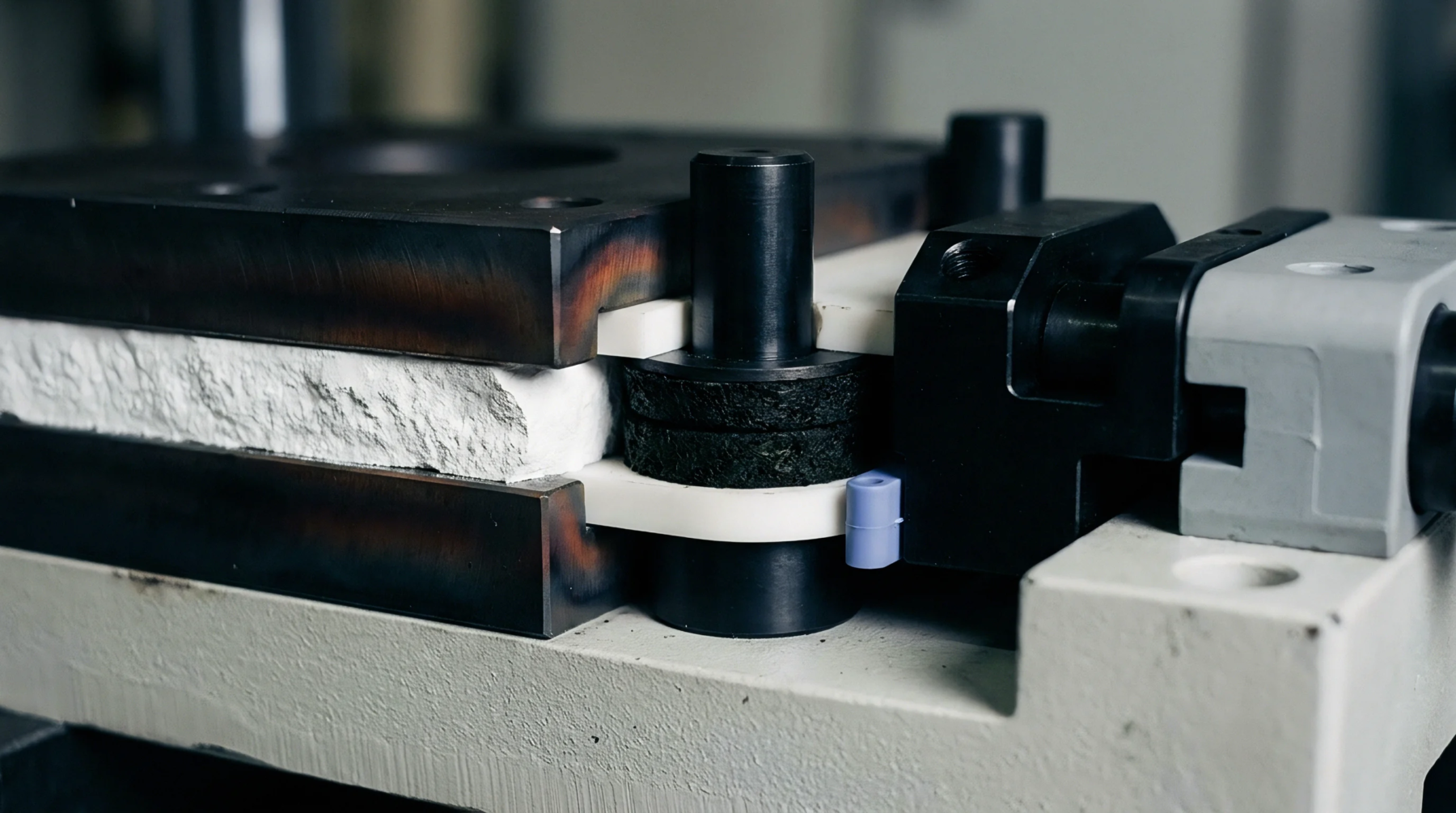
Dynamic frequency sweeps isolate polyolefin molecular weight distribution and branching where melt index fails, fixing processability and reject thresholds.
Expertise is a utility, not a secret. sentiention™ publishes its working knowledge as open reference: intelligence layer covering the materials it sources, the markets it enters, and the reference that serves both.