Meaning
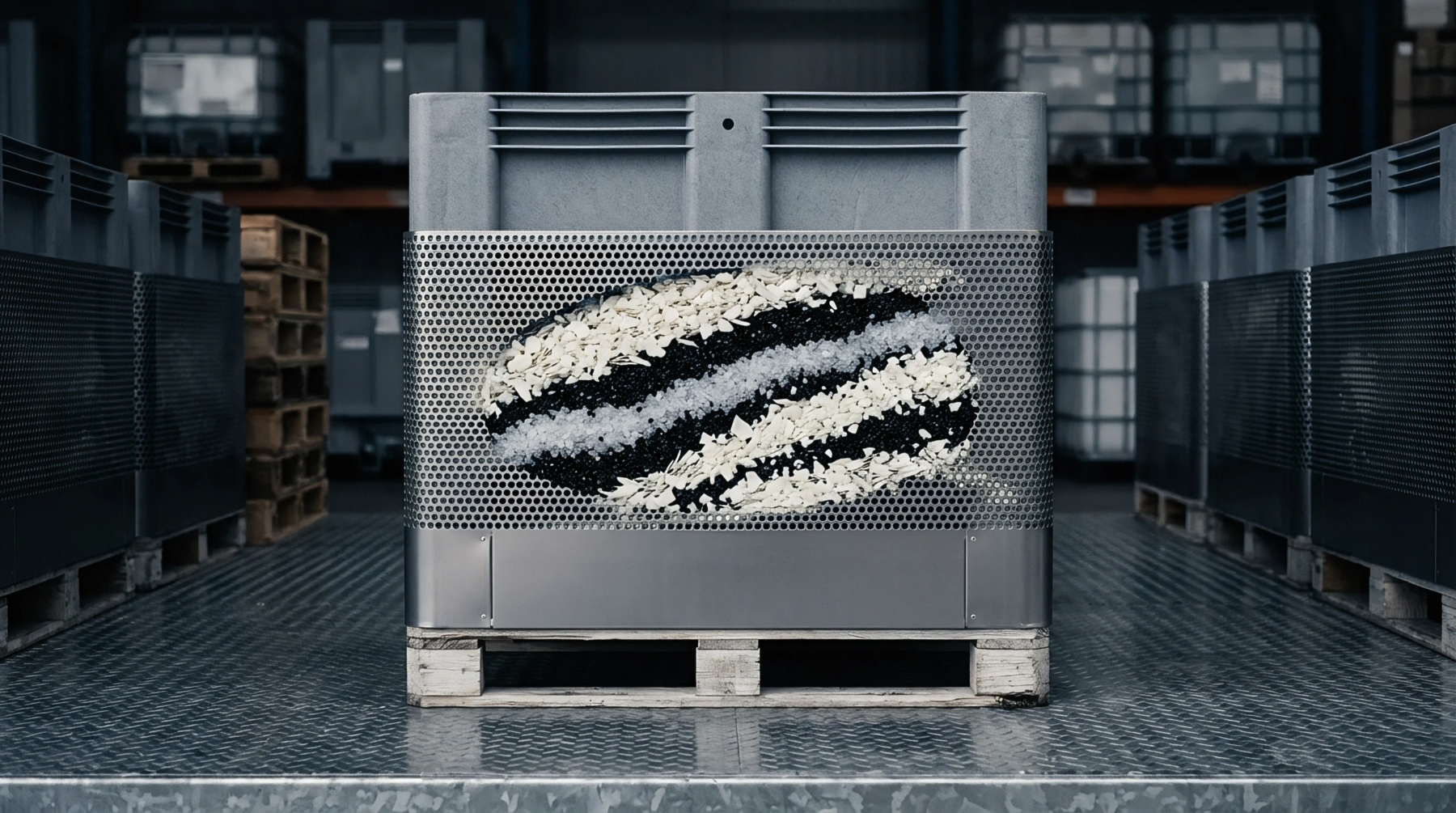
Material diverted from the domestic or commercial waste stream after reaching the end of its useful life serves to define post consumer recyclate. Plastics, metals, or paper items recovered from household disposal systems constitute the primary source for this feedstock. Manufacturers process these recovered fractions through cleaning, sorting, and pelletizing to create secondary inputs for new production cycles.
The boundary for this classification rests upon the verified transition of the object from a final user to a collection facility. Materials gathered during the industrial manufacturing phase, such as trim scrap or floor sweepings, remain excluded from this specific category. The verification of origin requires documentation establishing that the substance completed a full service life before collection.
Feedstock Integrity
Processing variables within the injection moulding cycle often drift when converters shift from virgin resins to post consumer recyclate. Variations in molecular weight distribution and the presence of contamination influence melt flow rates, potentially compromising part dimensions or surface quality. Moulders adjust machine parameters including holding pressure and cooling time to compensate for shifts in thermal stability.
Stable output necessitates strict control over the inclusion rate of the secondary material. High percentages of non-virgin content introduce thermal degradation risks during extended residence time in the barrel. Cost structures fluctuate because the market price for these fractions depends upon collection efficiency rather than raw hydrocarbon extraction costs.
Part specifications define allowable contamination limits, whereas material specifications govern the baseline physical properties of the blended compound.
Processing Volatility
Moulders encounter specific rheological challenges when the concentration of post consumer recyclate deviates from the qualified range. Melt viscosity changes trigger variations in shrinkage, leading to warped dimensions in thin-walled components. Automated feeding systems experience intermittent blockage if particles lack uniform shape or density.
Technicians monitor back pressure and screw speed to manage the heterogeneous nature of the melt. Deviations in these settings cause localized burning or voids within the molded part. Stringent quality systems mandate testing for degradation products that appear when processing cycles remain non-optimized.
Consistent performance depends upon the maintenance of stable moisture levels before the material enters the hopper.
Contamination Threshold
Regulatory standards establish the ceiling for foreign matter within the supply chain for post consumer recyclate. Trace elements from labels, adhesives, or printing inks affect the final color and structural performance of plastic components. Recyclers remove these items through wash baths and mechanical separation methods prior to granulation.
The efficacy of these cleaning stages determines the economic value of the resulting pellet. Producers demand high purity to avoid machine downtime caused by degraded filters or clogs in hot runner systems. Reliable testing protocols verify the absence of hazardous legacy additives that might contaminate sensitive applications.
The chemical stability of the resin dictates the number of times it survives the loop before mechanical properties degrade below the functional minimum.