Meaning
Semi-crystalline thermoplastic material derived from the polycondensation of hexamethylenediamine and adipic acid provides structural integrity for industrial components. This polyamide 66 offers higher melting points and superior tensile strength compared to its nylon 6 counterpart. Chemical stability and low friction coefficients characterize the resin when exposed to heat or mechanical stress.
Resistance to petroleum oils and aliphatic hydrocarbons makes it suitable for fuel lines and heavy automotive gears.
Thermal Load
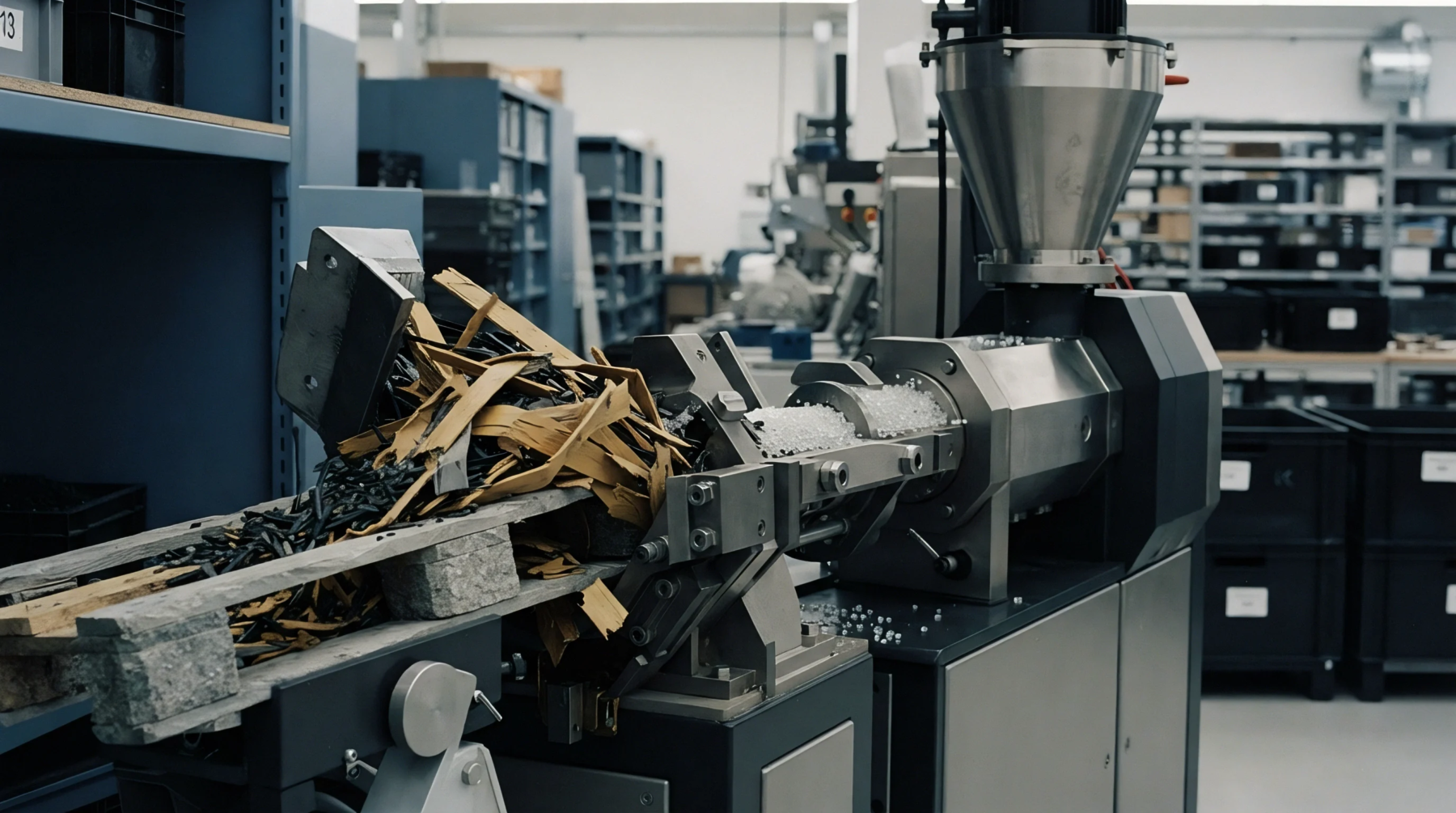
Processing variables require precise temperature control during injection moulding to avoid molecular weight degradation. The resin exhibits a high melting point around 260 degrees Celsius which necessitates heated barrels and consistent residence time. Excessive shear stress during plasticisation induces thermal breakdown.
This degradation weakens parts by reducing the inherent toughness of the polymer chains.
Material Economics
Virgin grade resin remains the standard for safety critical structural parts where high fatigue resistance is required. Regrind ratios influence the physical properties as recycled polymer chains shorten through each thermal cycle. Industrial moulders restrict regrind content to ensure that impact strength and elongation remain within specification limits.
Excessive contamination from processing aids or foreign polymers destabilises the crystalline structure and triggers premature part failure.
Dimensional Stability
Moisture absorption remains the primary factor for volume changes after the moulding process concludes. This material remains hygroscopic and expands as it absorbs atmospheric water until reaching equilibrium. Tooling designs must account for post-moulding shrinkage and eventual swelling to maintain tolerances.
Accurate prediction of part geometry depends on calculating the saturated moisture state of the specific nylon grade.