Meaning
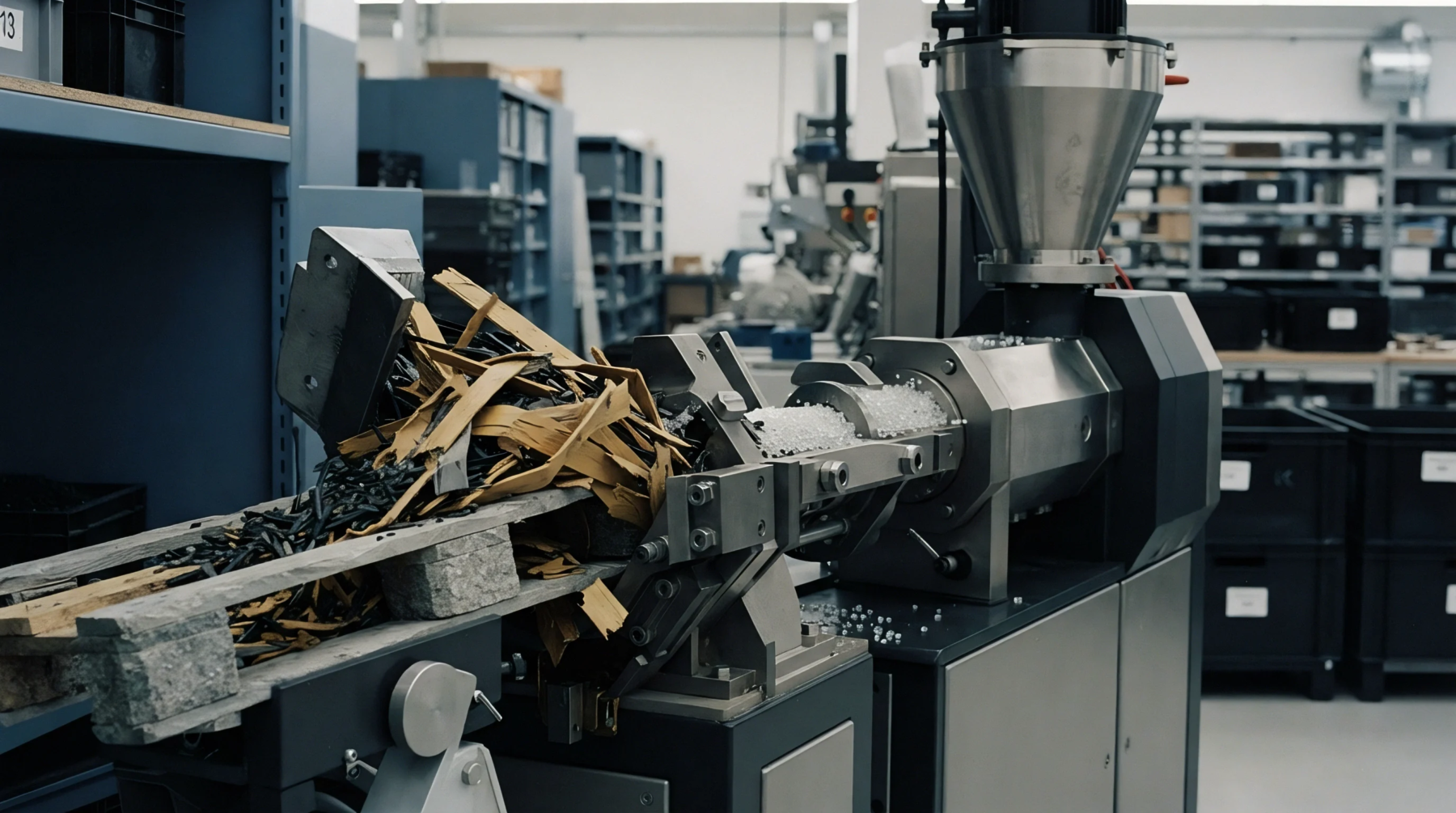
Polymer residue removed from injection barrels or extrusion lines represents the substance designated as purge compound waste. This material exits the production system during color changes or resin transitions when a specialized cleaning agent displaces the primary feedstock. Scrap management protocols govern the disposal of these degraded polymers, as they often contain elevated concentrations of blowing agents or high-viscosity carriers that prevent reintroduction into virgin material streams.
Processing Impact
Contamination levels inside the barrel dictate the volume of discarded material generated during maintenance cycles. A moulder adjusts purge duration based on the flow rate of the cleaning agent and the rheology of the preceding resin to minimize yield loss. Excessive purging cycles consume unnecessary thermal energy, while insufficient removal leads to inclusions or cosmetic streaks in subsequent moulded parts.
Economic Evaluation
Regrind economics suffer when production lines mix these cleaning agents with standard scrap. A technician identifies the value of material based on whether the input consists of homogeneous production offcuts or mixed transition residues. High-performance engineering polymers require dedicated waste containers to avoid mixing incompatible cleaning compounds with valuable regrind stock, which ensures the recovery of high-grade material during secondary processing.
Operational Boundary
Production specifications define the threshold for waste accumulation before a system triggers a forced shutdown. Calibration of barrel temperature and screw speed during the cleaning phase prevents thermal degradation of the cleaning agent itself. Proper segregation at the point of origin reduces the cost of waste disposal by separating inert machine purges from reclaimable resin streams.