
Evaluating Thermal and Oxidative Polyolefin Flake Degradation
Thermal and oxidative degradation alters polyolefin flake viscosity and residual stability, demanding MFR, OIT, and Carbonyl Index verification before processing.
Thermal and oxidative degradation alters polyolefin flake viscosity and residual stability, demanding MFR, OIT, and Carbonyl Index verification before processing.

Polymer masterbatches carrying reactive chemistry or microencapsulated payloads require chemical substance classification rather than polymer exemption status.

Determining masterbatch carrier resin ratios via standard thermogravimetric and solvent extraction protocols prevents high-duty polymer tariff reclassifications.

Rebuilding intrinsic viscosity in scissioned rPET requires pre-crystallizing pellets to 40% to prevent sintering and controlling gas-phase ethylene glycol partial pressure below 0.05 mbar.

Visbroken polypropylene risks organoleptic contamination and thermal degradation; verify residual peroxide, NIAS limits, and OIT before food contact use.

Select high flow polypropylene homopolymers by balancing melt flow rate against impact loss, verifying narrow molecular weight distribution and peroxide residues.

Compressive jaw pressure forces secondary amides to co-crystallize with metallocene polyethylene, locking slip additives and elevating post-seal friction.

Recycled secondary polymer baseline assessment requires volatile headspace screening and mineral oil quantification to prevent migration across primary packaging.

Thermal conditioning and standard thermal history resets eliminate density drift errors, securing accurate mold shrinkage during polyethylene resin converting.

Polypropylene impact copolymers for frozen containers balance rubber content and viscosity matching to prevent cold brittle failure at minus twenty degrees.
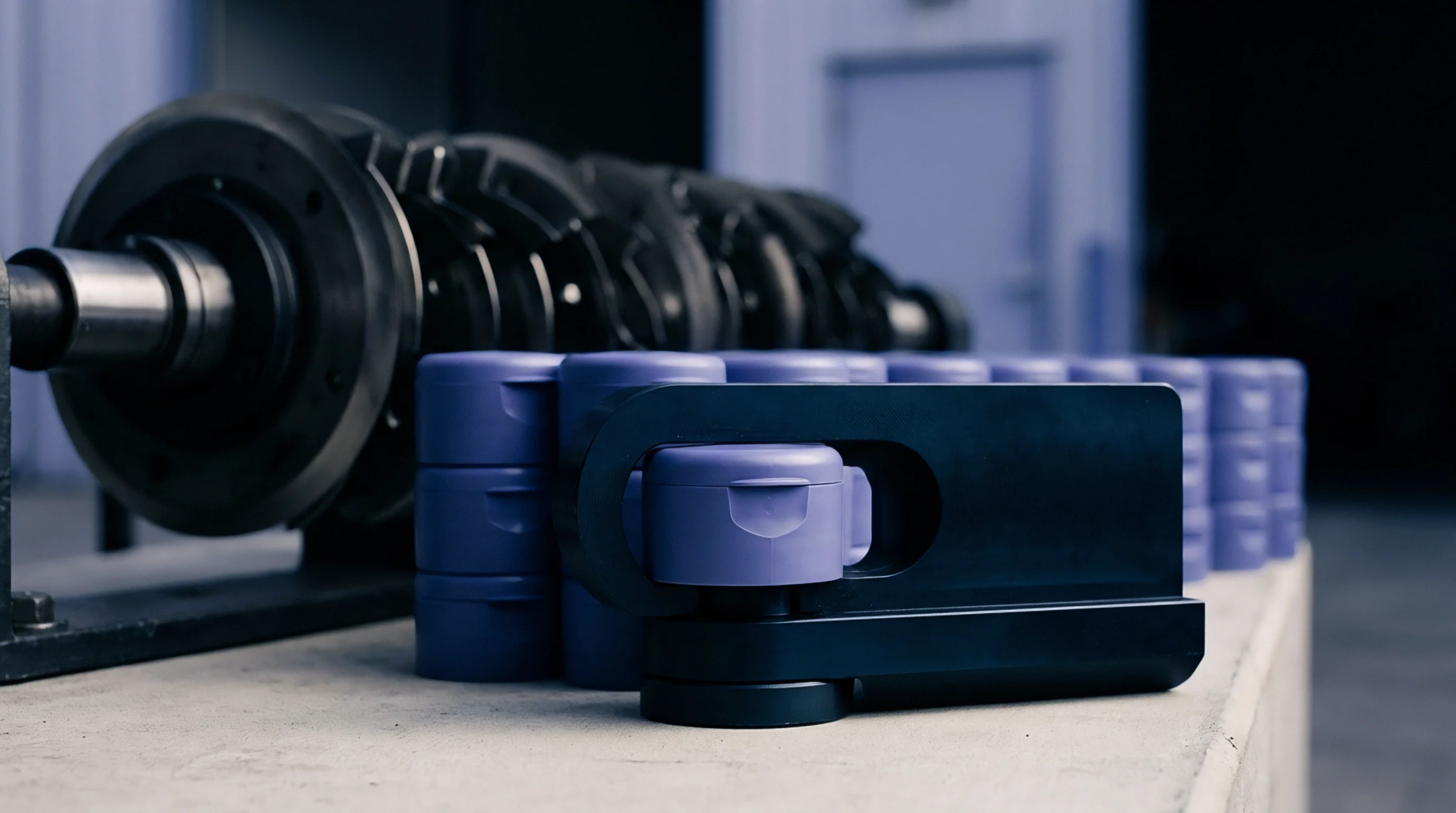
Quantifying ethylene rubber dispersion boundaries via DSC and microphase analysis prevents impact failure and controls scrap rates in heterophasic polypropylene.

Polypropylene impact copolymers sacrifice flexural modulus to gain sub-zero toughness through dispersed ethylene-propylene rubber domains in an isotactic matrix.

Cavity cooling rate drives polyamide skin-core spherulitic growth, setting local crystalline phase balance, volumetric shrinkage, and achievable DIN 16742 tolerances.
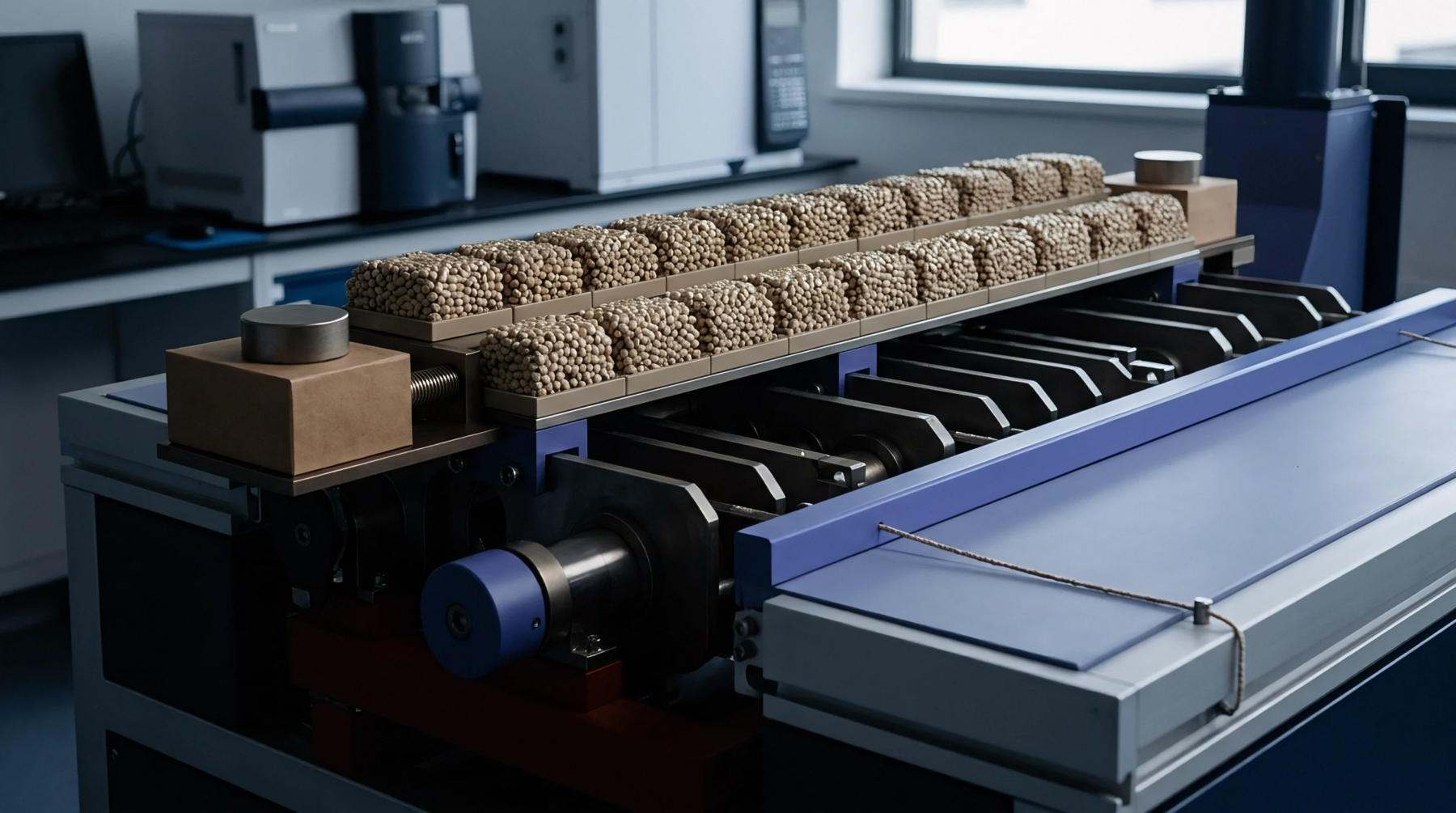
Infrared spectroscopy identifies contaminant chemistries while differential scanning calorimetry quantifies polymer blend fractions and thermal degradation state.

Standard 84-day disintegration tests fail in commercial composting facilities operating on 21-day cycles, requiring resin selection tuned for rapid hydrolysis.

Tuning EPR domains to 0.4-0.8 microns with 45 percent ethylene content ensures sub-zero container shock survival at minus 30 degrees Celsius.

Dynamic carrier gas velocity sweeps separate trace moisture from catalyst-driven transesterification side-products during coulometric vaporization.

Oxidative induction testing at 200 °C verifies post-consumer polyethylene stabilizer retention to prevent field embrittlement and control restabilization costs.

Determining masterbatch letdown ratios for recycled polyethylene requires MFR matching, antioxidant depletion testing, and gravimetric dosing adjustments.

Polyolefin recyclate quality verification relies on multi-temperature melt flow testing, oxidation induction time, and continuous screen filtration tracking.
Contractual risk allocation for reprocessed resin requires rigid specification bounds, quarantine controls, and clear price deduction mechanics.
Verify post-consumer resin lot conformity by combining core lance sampling, melt flow shear sweeps, and DSC purity screens before unloading silos.

Undeclared regrind in virgin polymer collapses oxidation stability and broadens viscosity bands, increasing landed cost per good part despite initial pellet discounts.

Undisclosed recycled content invalidates virgin resin warranties when analytical testing proves melt flow or thermal deviation beyond contractual tolerance.

Resolving jurisdictional divergence in additive carrier definitions requires harmonizing HS code classifications, melt flow rates, and chemical registration limits.

Calculating polyolefin landed arbitrage viability demands evaluating cracker co-product yield spreads against comonomer properties and freight tariffs.

Incoming resin qualification mandates physical sampling, melt rheology auditing, and CoA validation to prevent off-spec polymer from entering production.

Quantifying interfacial adhesion in recycled polyolefins requires measuring essential work of fracture and domain size to set compatibilizer dosage.

Verifying imported mass balance polyolefins demands yield-adjusted attribution ledgers and chemical contaminant screening to validate chain of custody claims.

Post-consumer HDPE sourcing relies on batch melt testing, DSC thermal screening, and mass balance audits to prevent factory scrap and field failure.
Expertise is a utility, not a secret. sentiention™ publishes its working knowledge as open reference: intelligence layer covering the materials it sources, the markets it enters, and the reference that serves both.