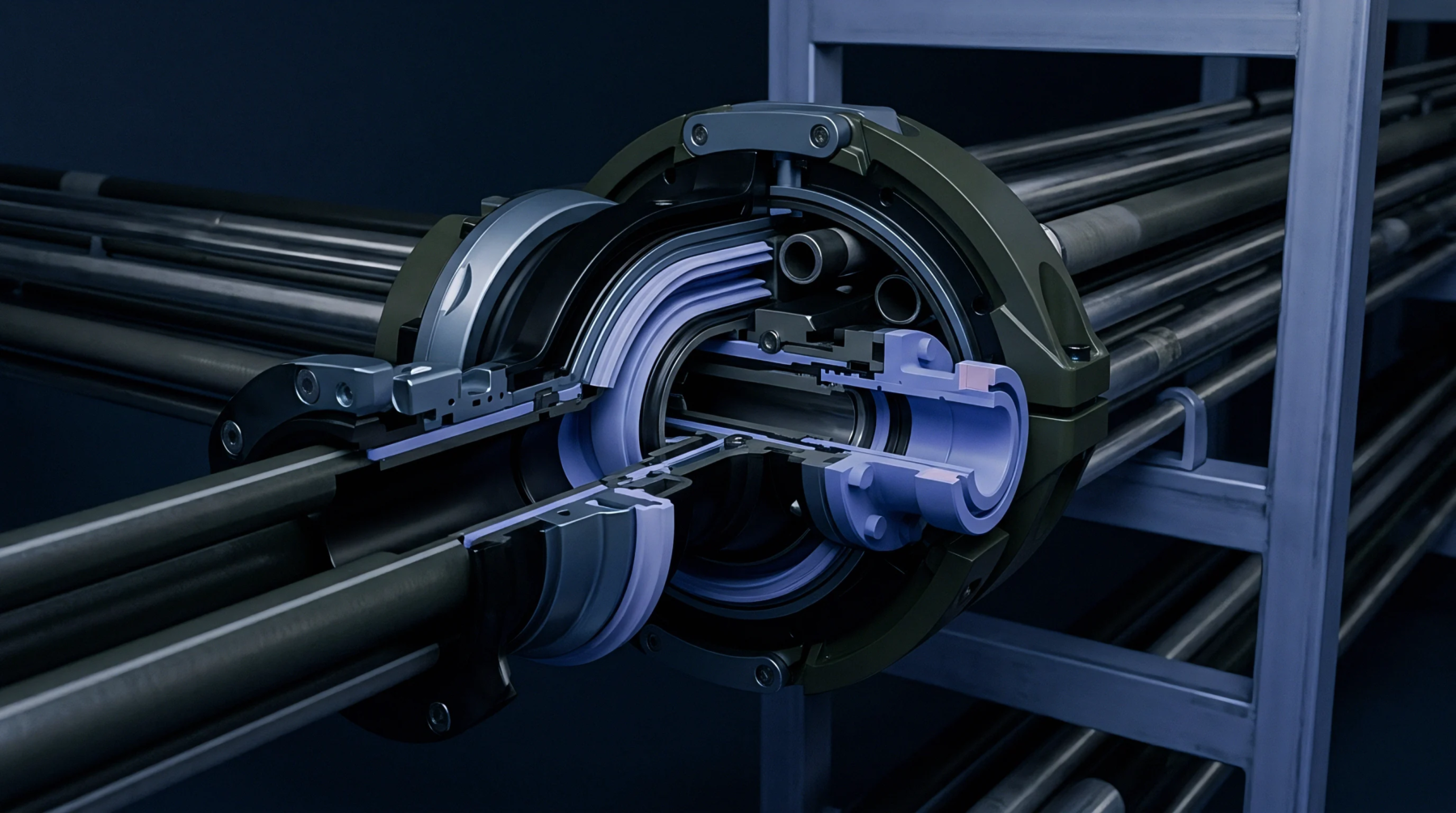
Wall Section Changes That Arrive after the Steel Is Cut
Post-cut wall section increases require steel removal that permanently alters cooling dynamics, cycle time, and dimensional stack-ups.
Post-cut wall section increases require steel removal that permanently alters cooling dynamics, cycle time, and dimensional stack-ups.

Determining commodity resin grades requires multi-point shear viscosity validation and strict Certificate of Analysis contract limits to secure part performance.
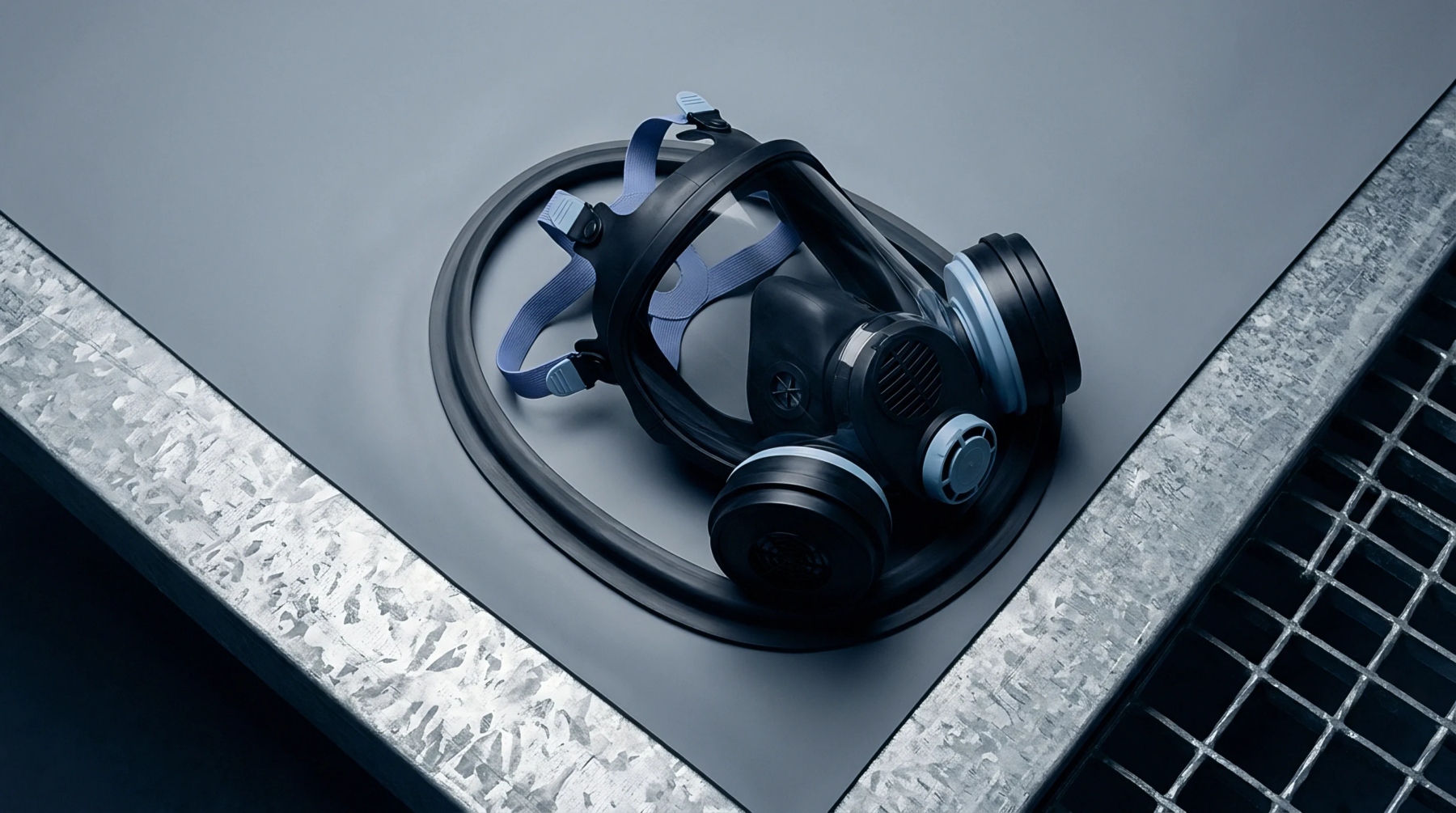
Matching part geometry to the correct plastic manufacturing process early prevents costly tooling modifications and ensures dimensional stability under production.

Modifying nominal wall sections during tooling qualification requires balancing flow pressure drops against cooling cycle delays and steel-safe machining routes.

Predictive thermal resistance modeling balances multi-cavity heat extraction across textured tool inserts to hold tight DIN 16742 tolerances.
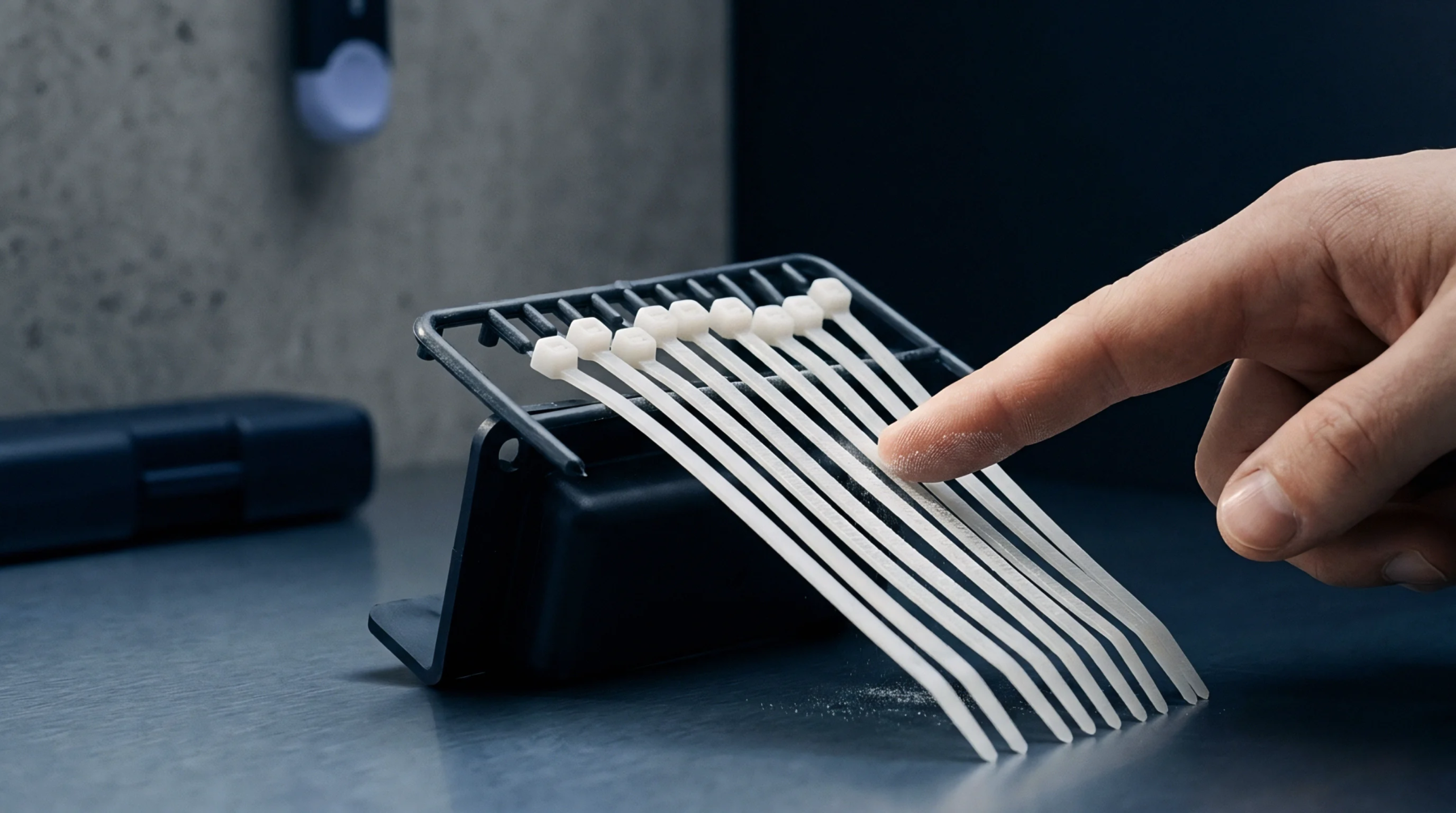
Calculated thermal contact conductance on etched tools drops up to 80 percent during cooling, requiring dynamic pressure modeling to avoid warpage and cycle delays.
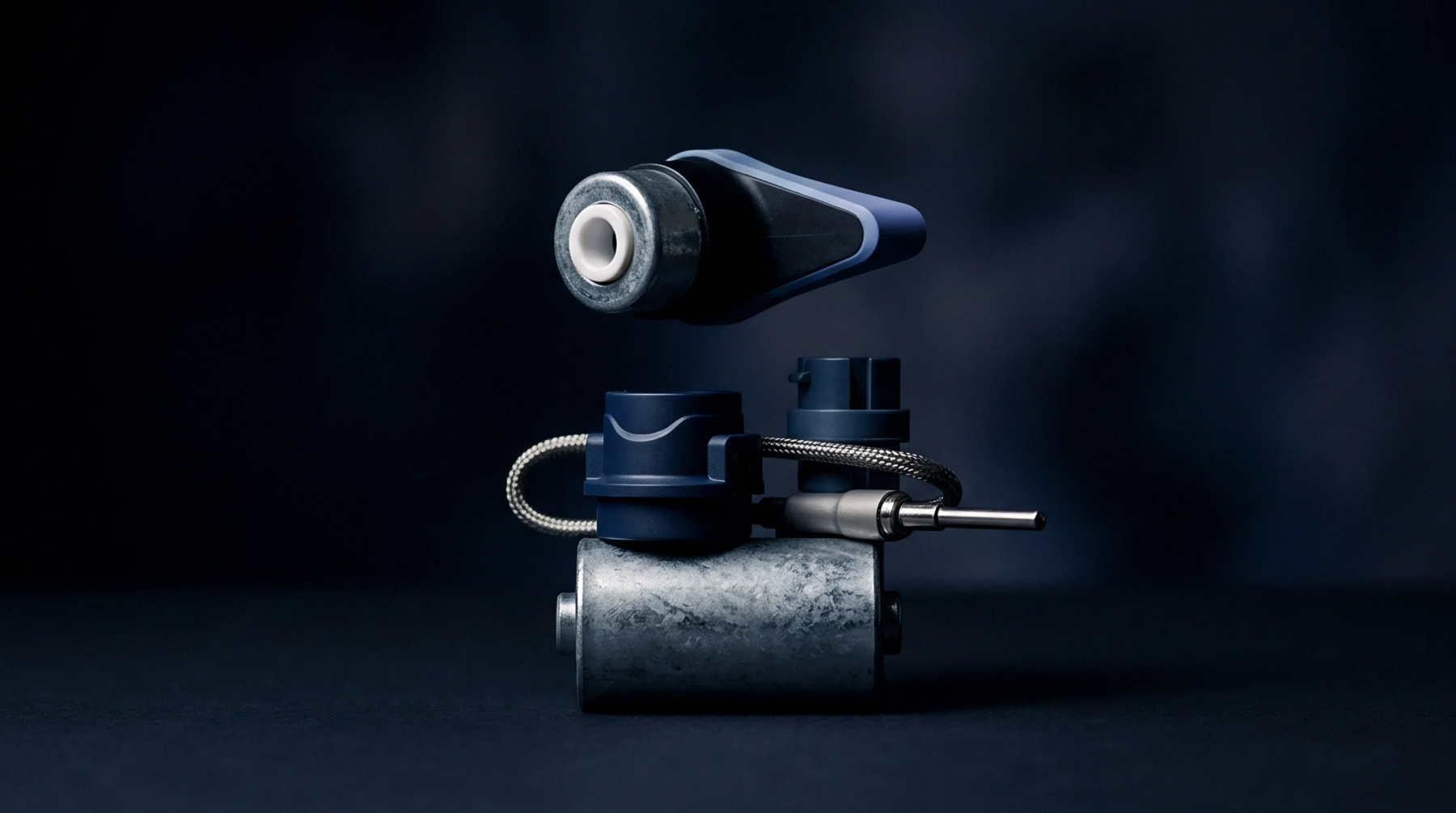
Cavity pressure telemetry decouples polymer melt behavior from machine hydraulics, locking peak pressure to eliminate scrap and stabilize part dimensions.
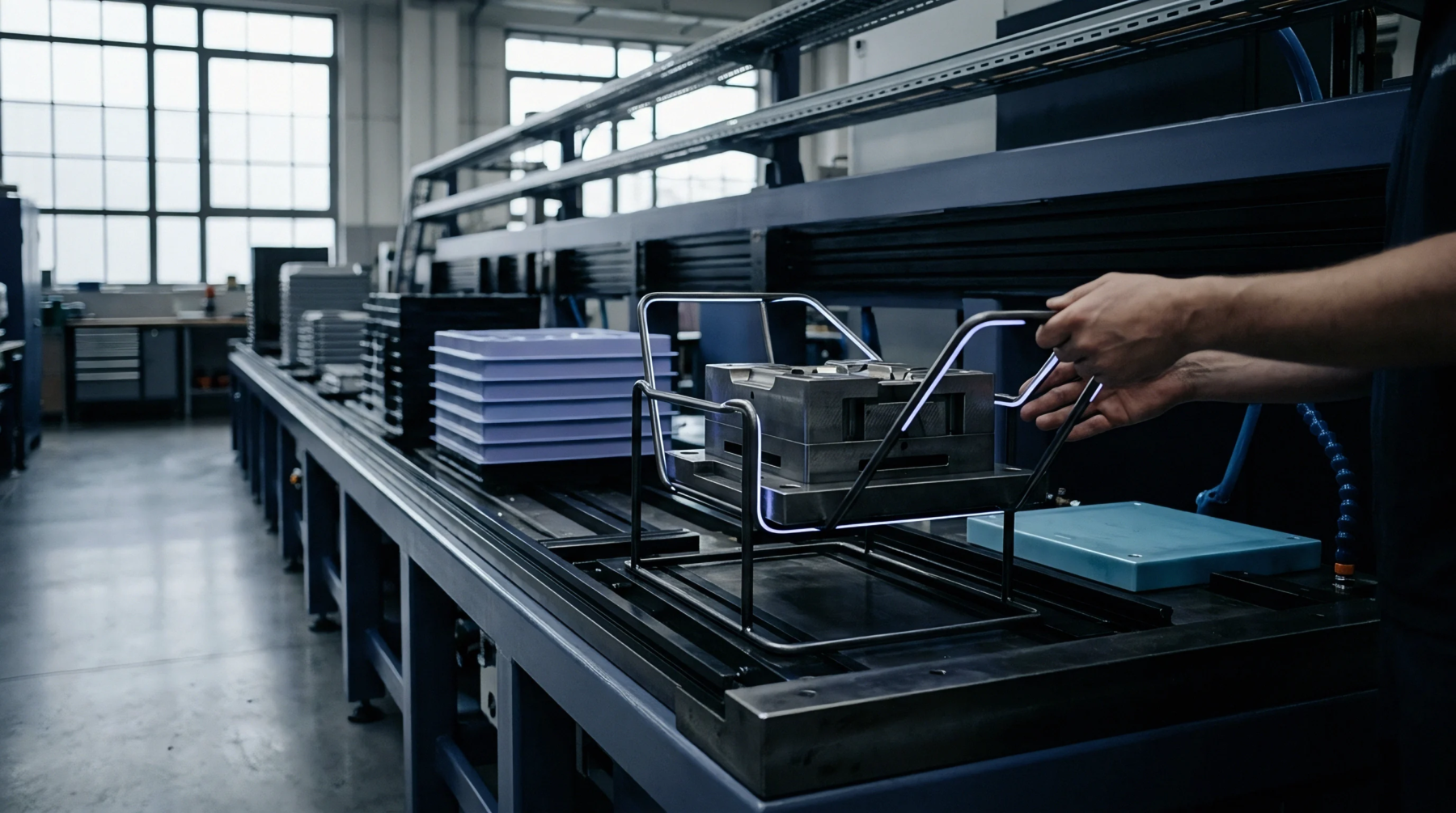
Active thermal balancing and micro-actuated cavity cores prevent sub-micron dimensional drift in high-cavitation resonator micro-tooling.

Cavity pressure directly controls polyamide crystallization and volumetric shrink, requiring precise transducer monitoring to hold DIN 16742 tolerances.

Offshore tooling recovery succeeds when physical asset marking and title documentation override local possessory press liens during factory insolvency.
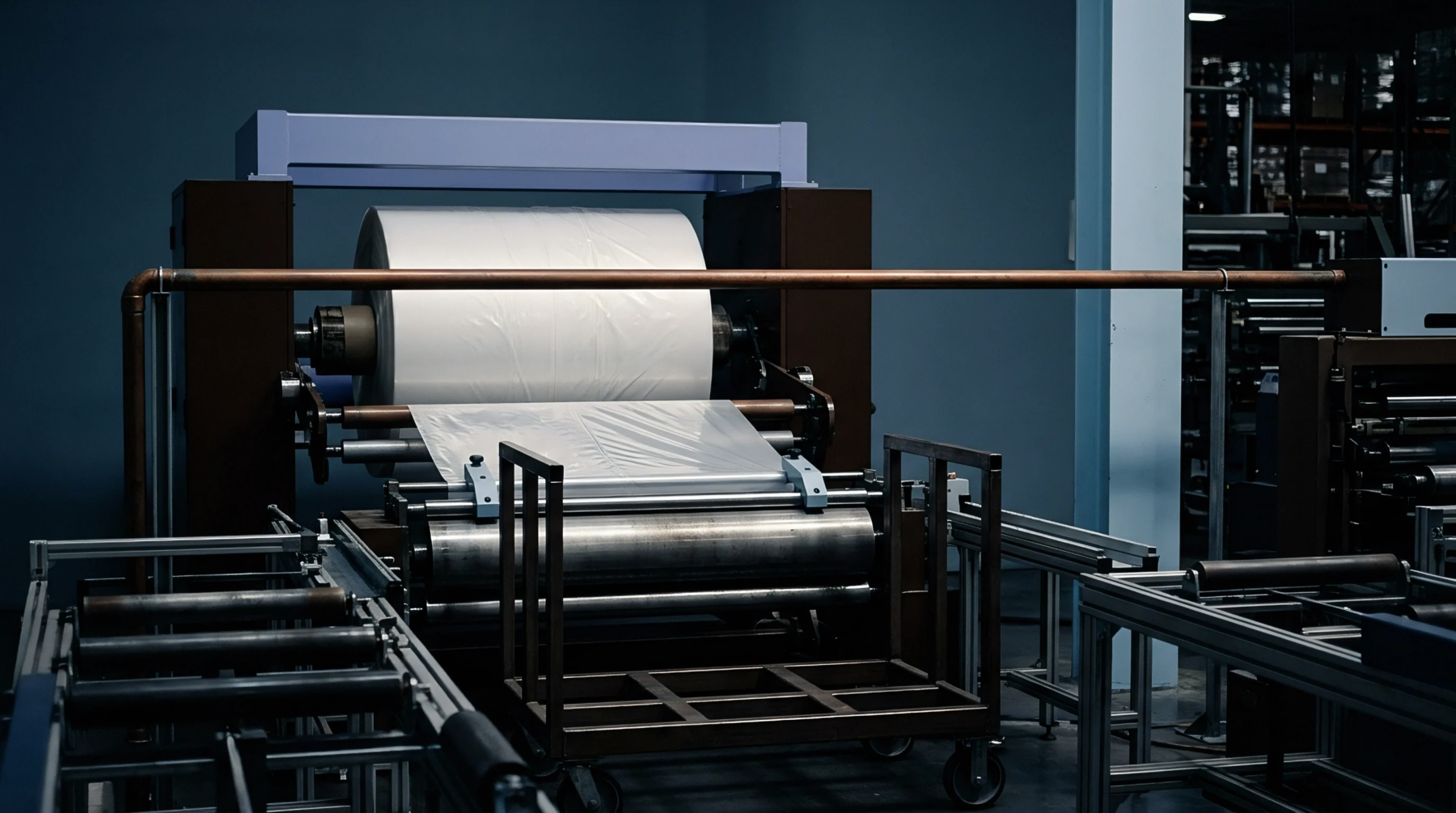
Decoupled injection moulding decouples volumetric filling velocity from packing pressure to achieve tight tolerances and repeatable technical part production.
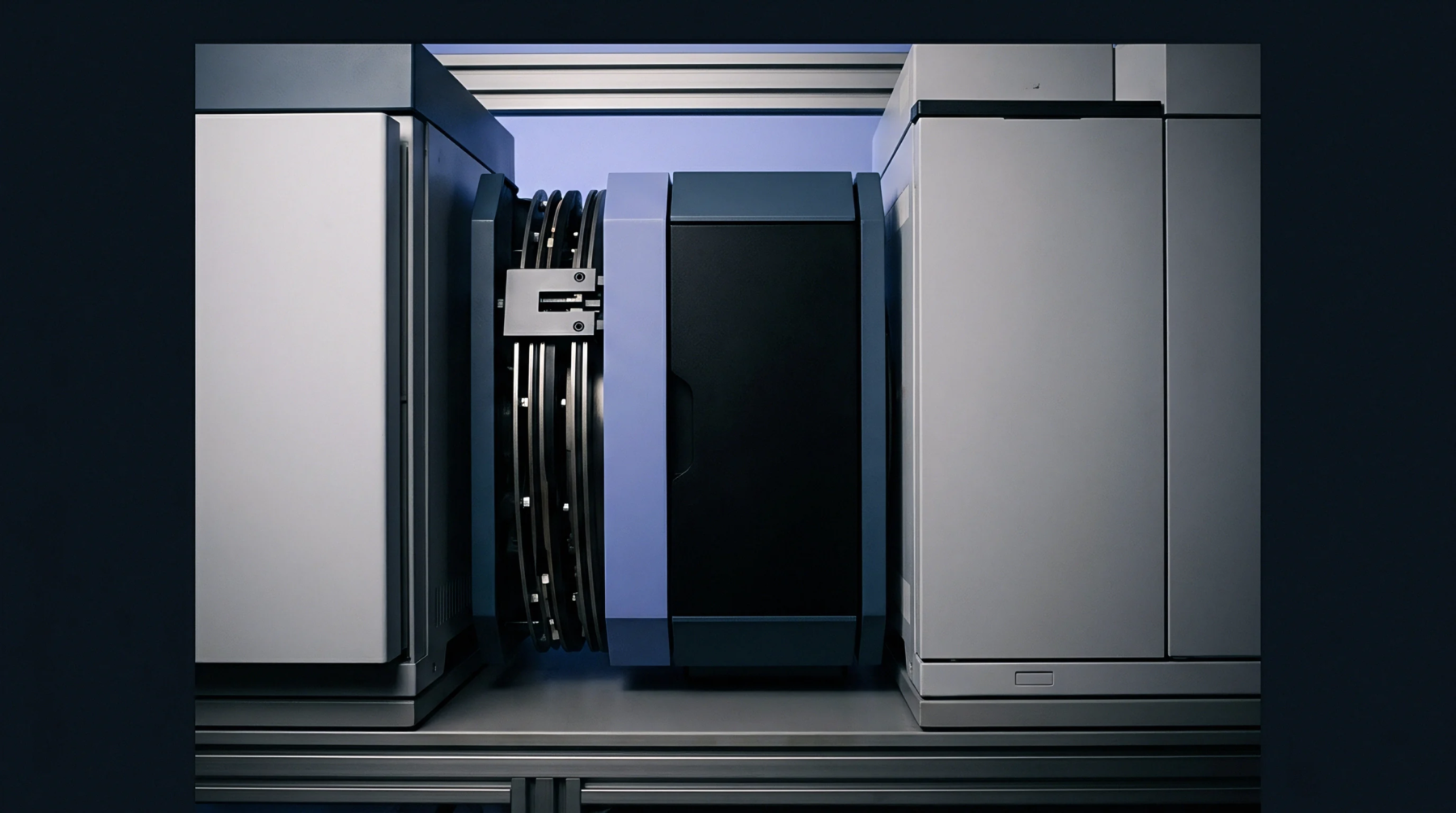
Altering tool steel to eliminate heavy wall sections cuts cycle time and unit cost far more reliably than forcing process windows past physical thermal limits.
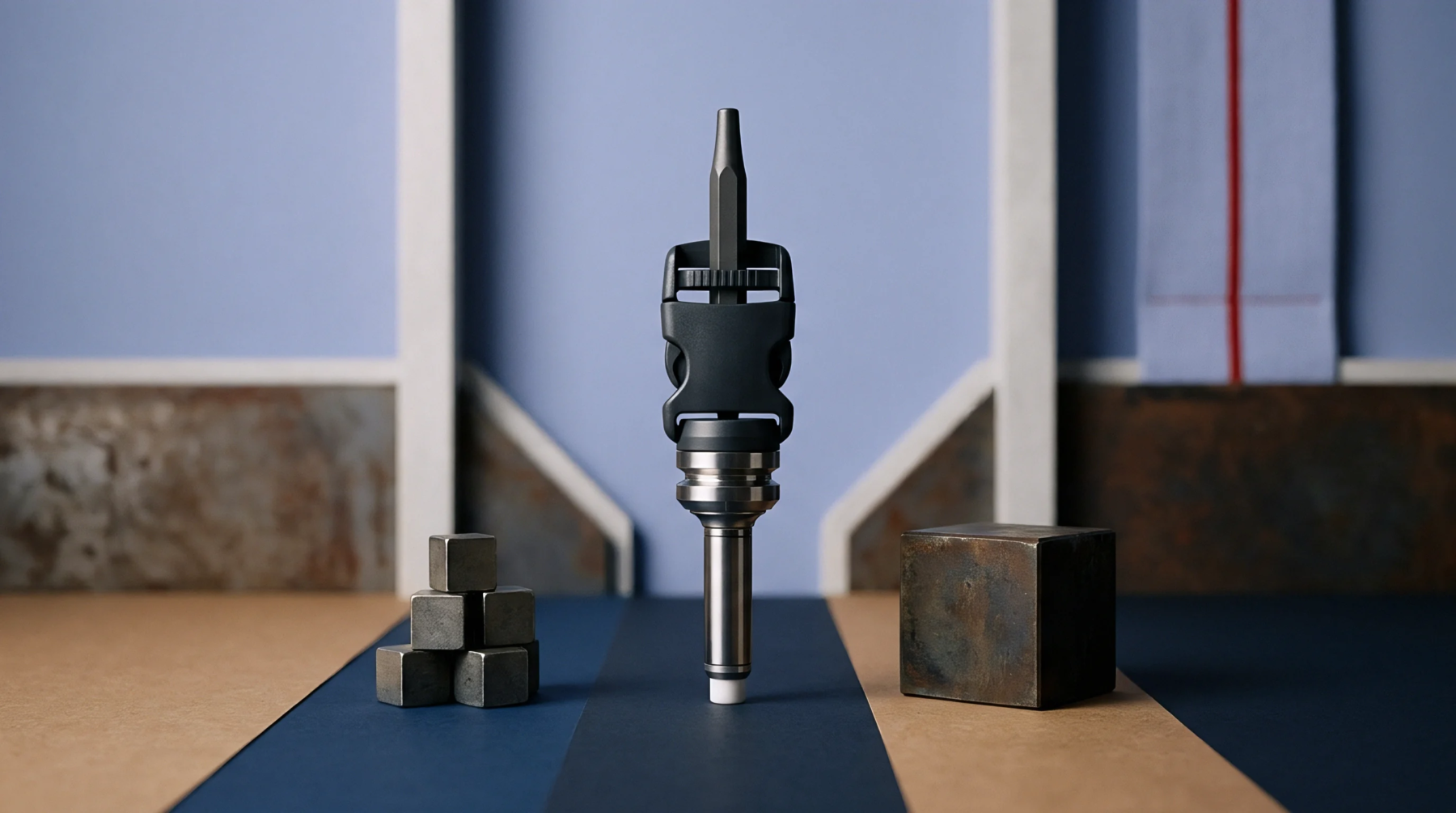
Non-uniform tool steel thermal expansion creates spatial cavity temperature deltas that drive measurable dimensional drift across multi-cavity molds.

Increasing peak cavity pressure compresses polyamide melt during solidification, directly counteracting phase-change volumetric shrinkage and tightening component tolerances.

Cavity pressure closed loop control dynamically regulates melt pressure profiles to hold sub-hundredth millimeter tolerances despite batch and thermal drift.
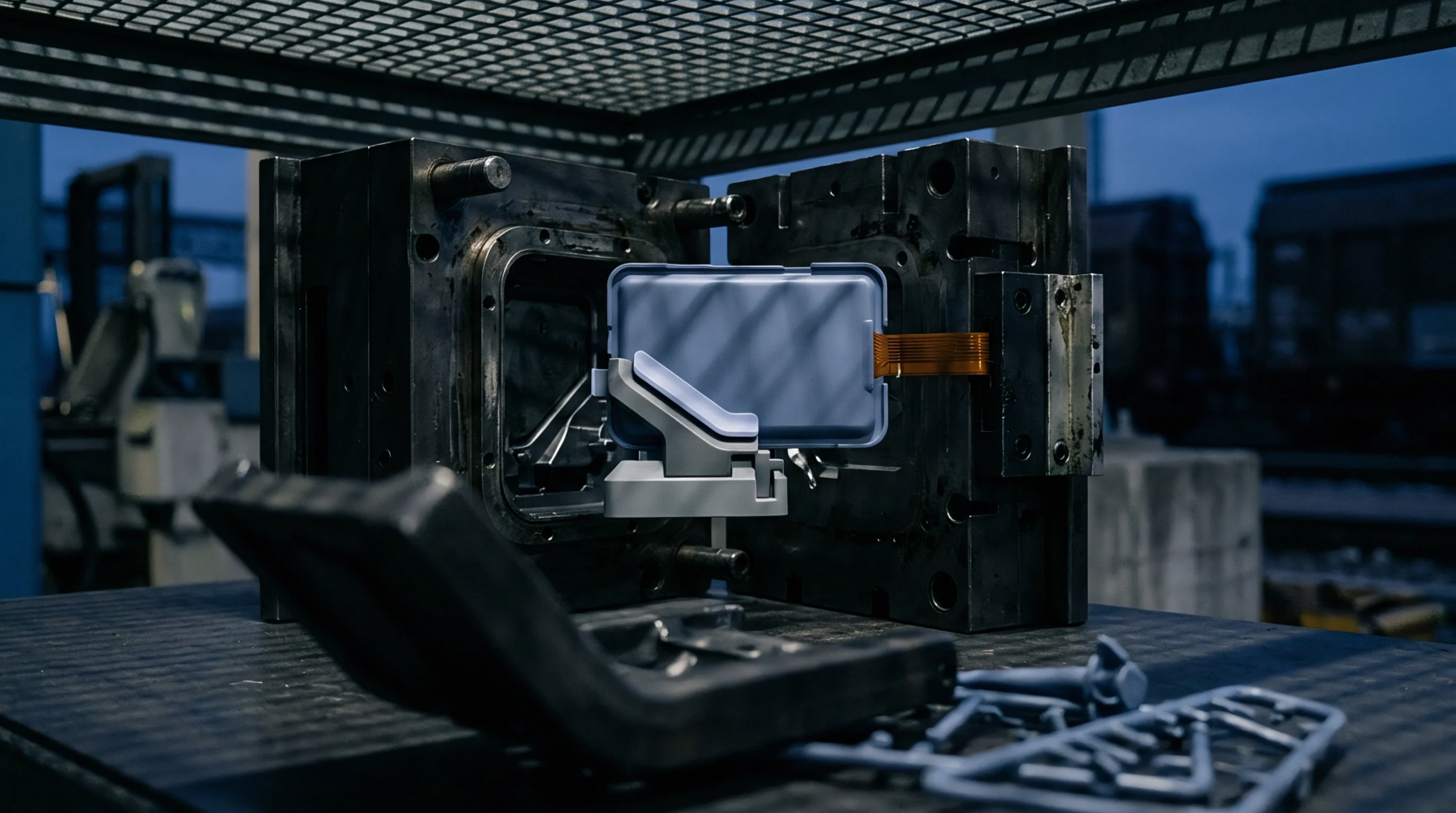
Cooling circuit design dictates actual injection cycle time; quotes assuming unrealistically fast cooling cause part warpage or forced piece-price increases.

Uniform wall thickness design balances polymer flow, prevents shrink defects, cuts cycle times, and reduces landed part cost in injection moulding tools.

Optimize wall transitions and gate freeze timing to control volumetric shrinkage, preventing skin collapse over thick thermal cores in non-uniform thermoplastic parts.
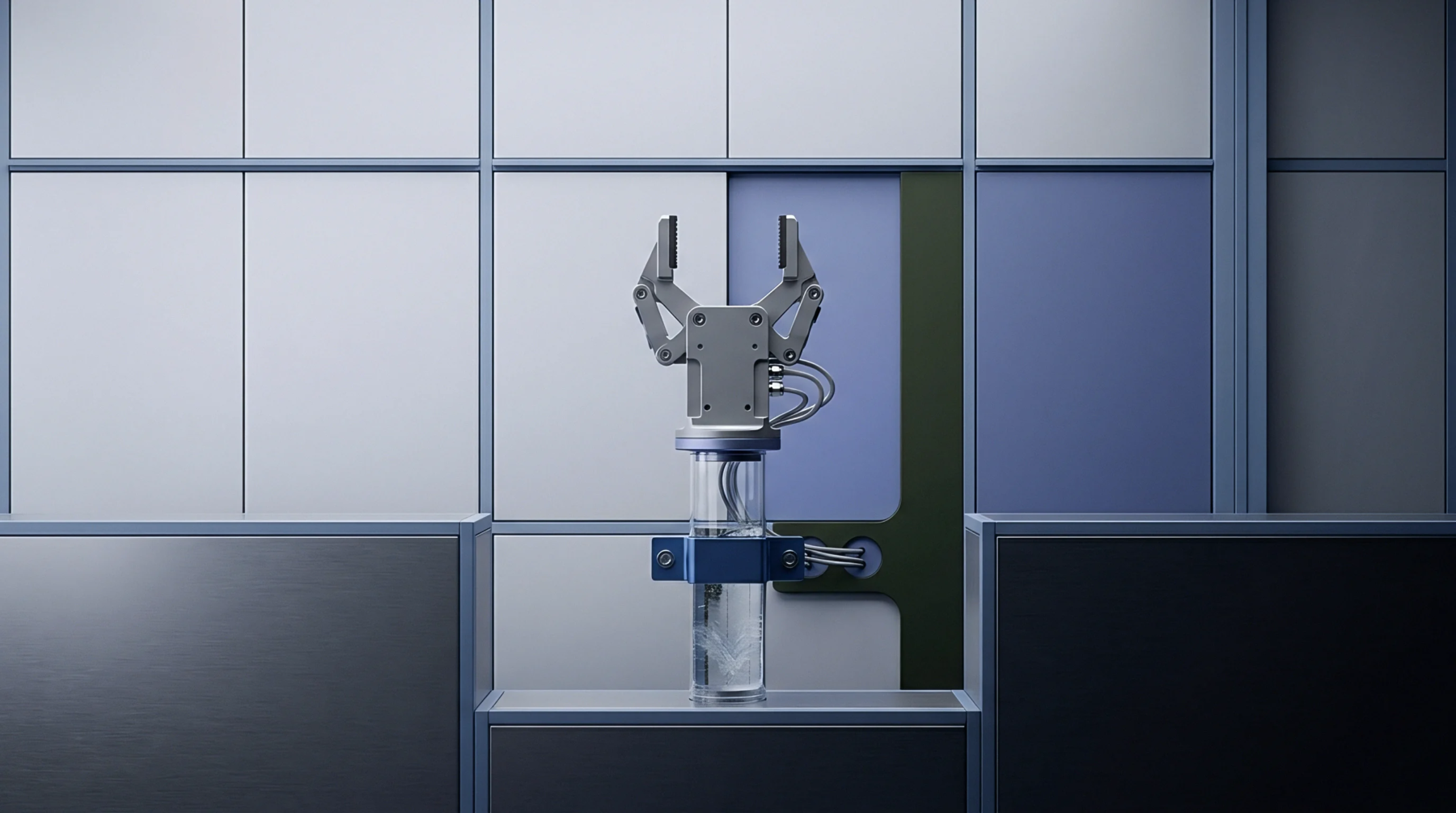
Real-time hydraulic and cavity pressure integral evaluation isolates sub-gram part variations within a 10-millisecond window to automate defect rejection before mold open.
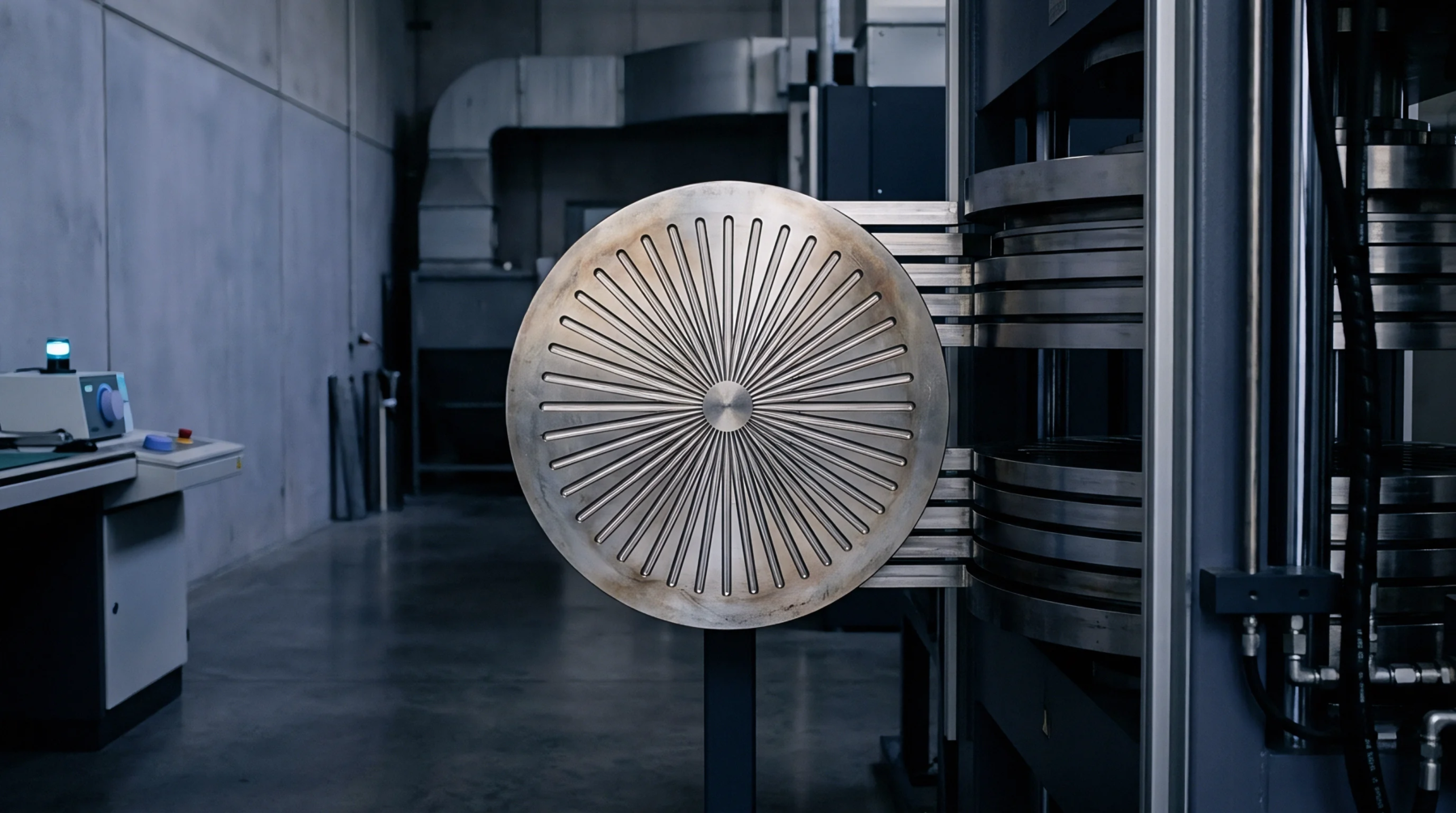
Dynamic cavity pressure drives micro-asperity deformation to boost polymer interfacial thermal conductance tenfold, demanding pressure-dependent heat transfer models for cycle optimization.

Uncalibrated optical scans on mirror-polished plastic introduce up to fifteen micrometers of false elevations, ruining First Article Inspection accuracy.

Dynamic cavity pressure curve integration over hold time governs volumetric polymer density and predicts final part dimensions before tool ejection occurs.
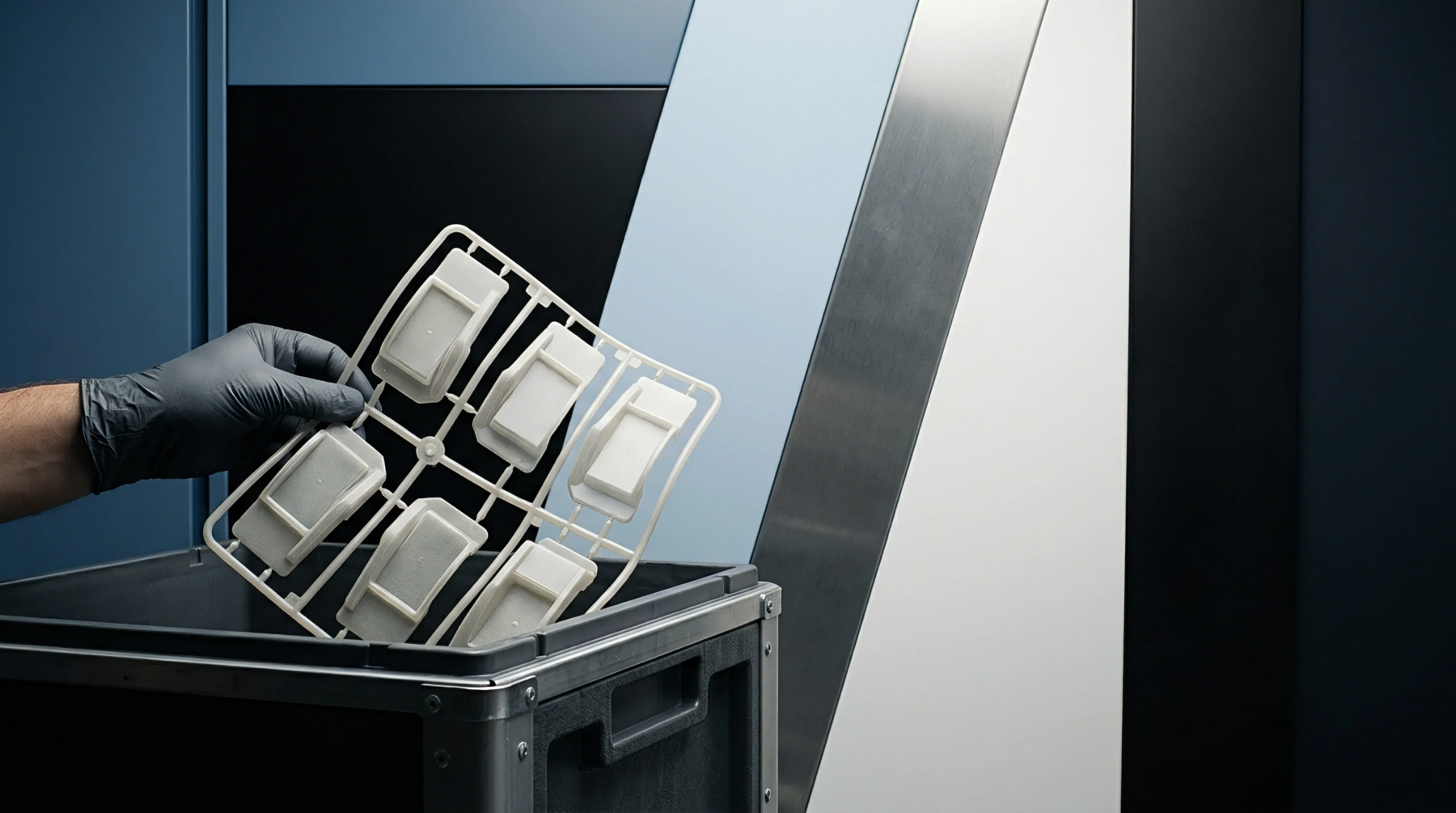
Packing pressure forces molten polymer into micro-surface roughness features, increasing thermal contact conductance up to ten-fold until solidification gap detachment occurs.
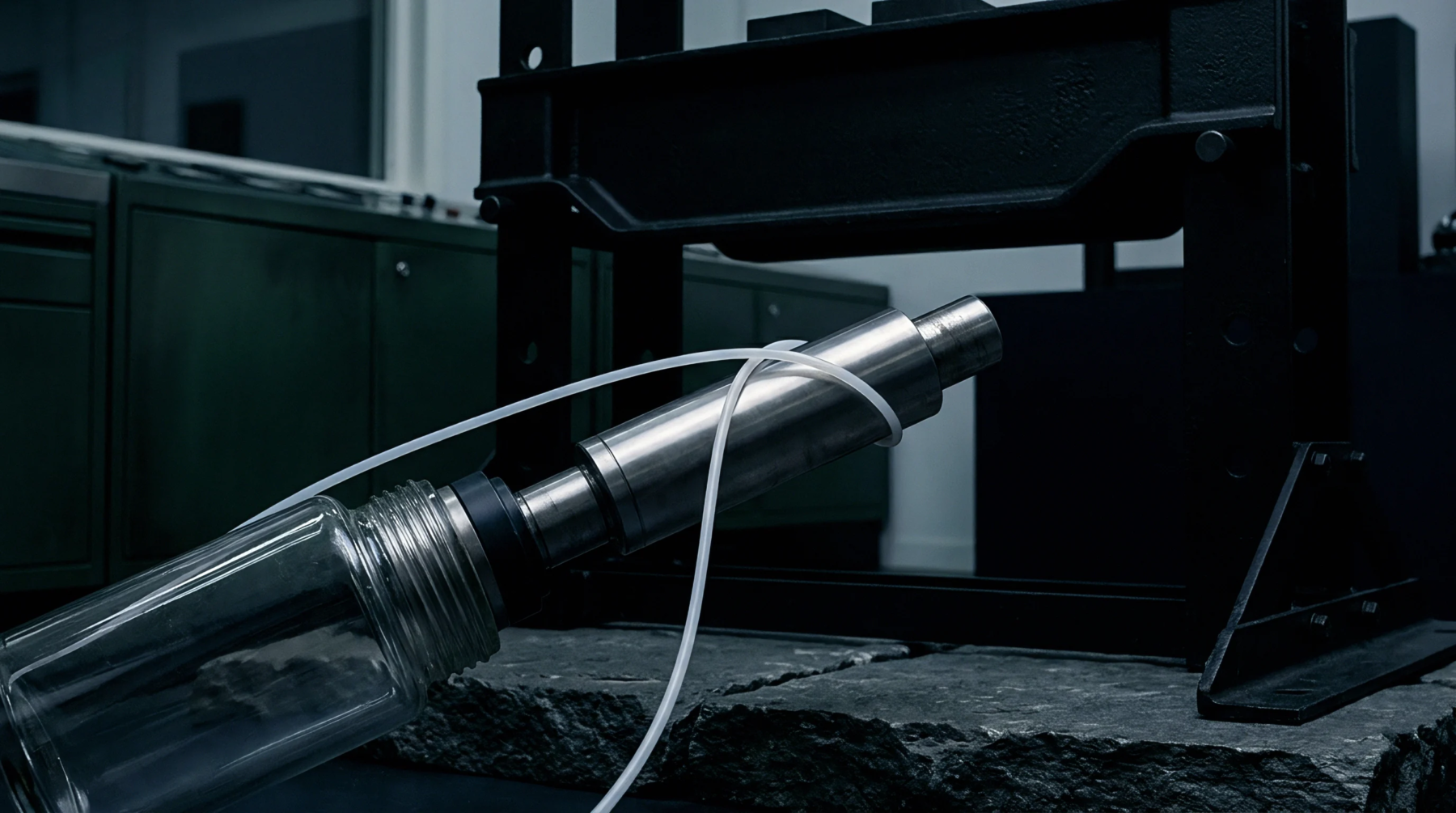
Closed loop cavity pressure regulation corrects melt viscosity drift by dynamically modulating switchover point and packing profile to hold volumetric shrinkage constant.
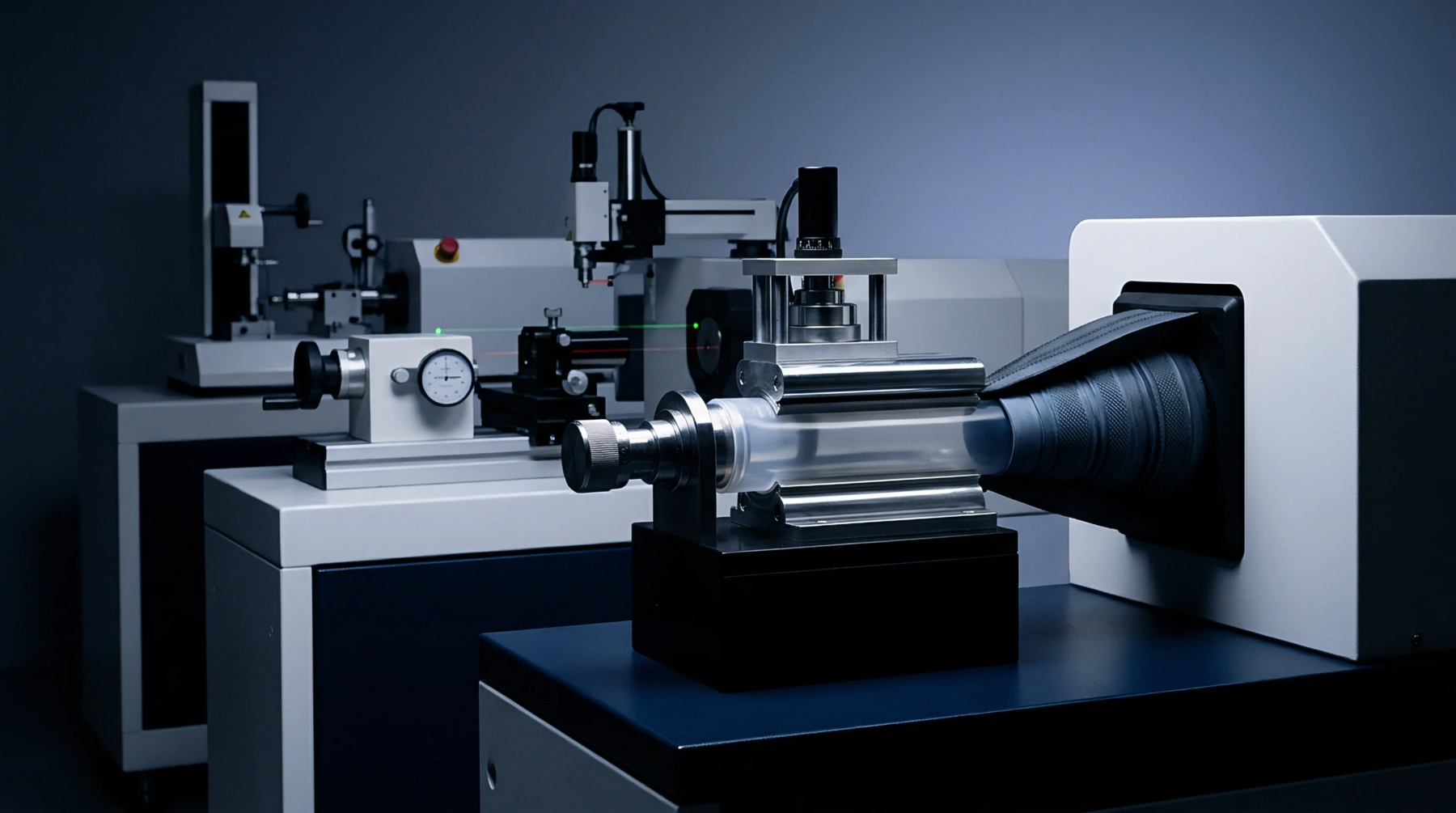
Controlled steel modifications require process window locking, metal-safe geometry audits, and metallurgical stress relief before qualified production release.

Dynamic tool heating lowers thermal contact resistance to fill micrograin textures, but requires balanced cooling symmetry to prevent severe part distortion.
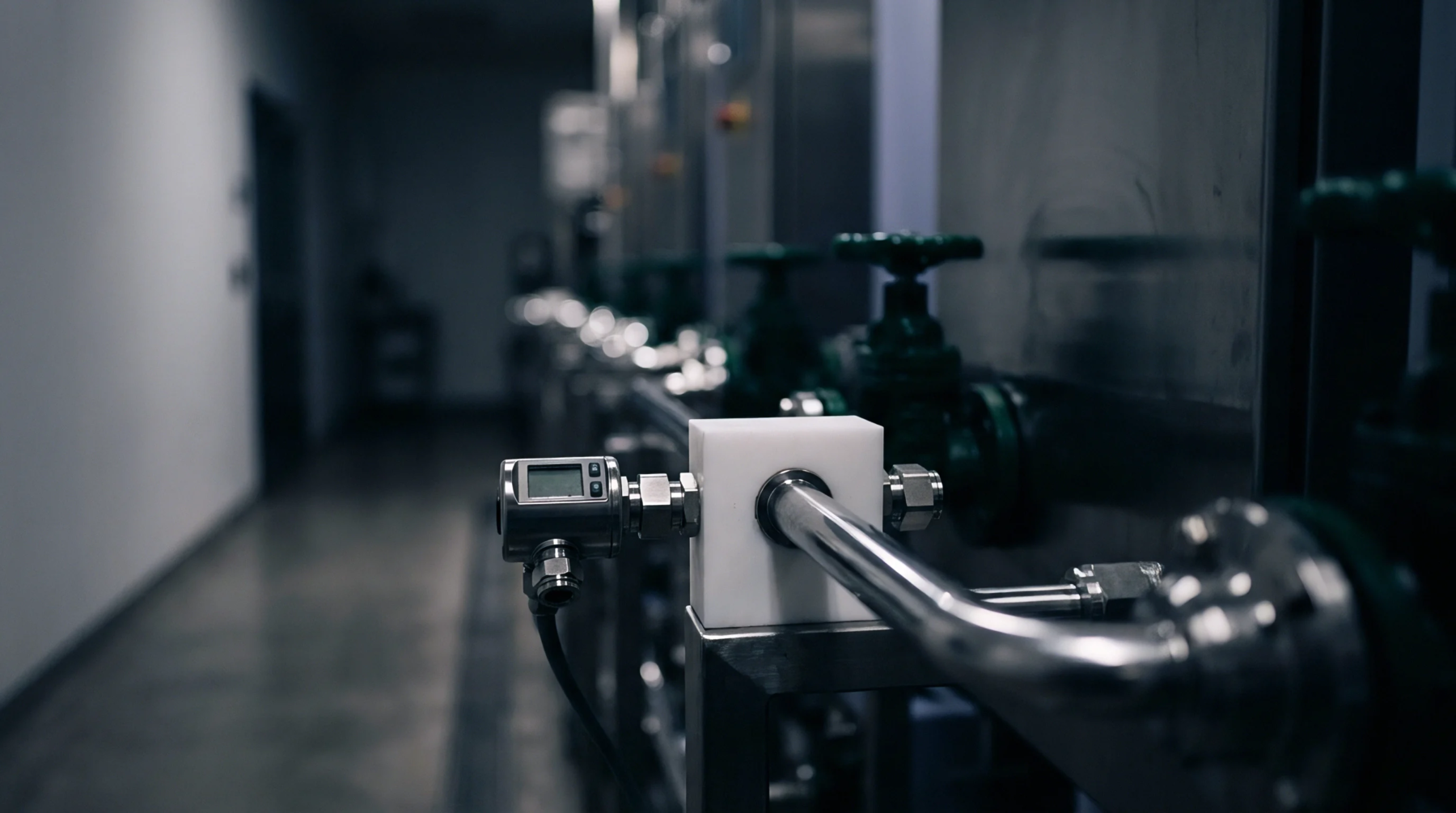
Indirect silicone replica metrology resolves deep mould cavity roughness parameters non-destructively within five percent variance of direct steel scans.

Detecting subtle virgin polypropylene contamination requires dual-load melt flow indexing and extended thermal dwell testing to expose shear and stability shifts.
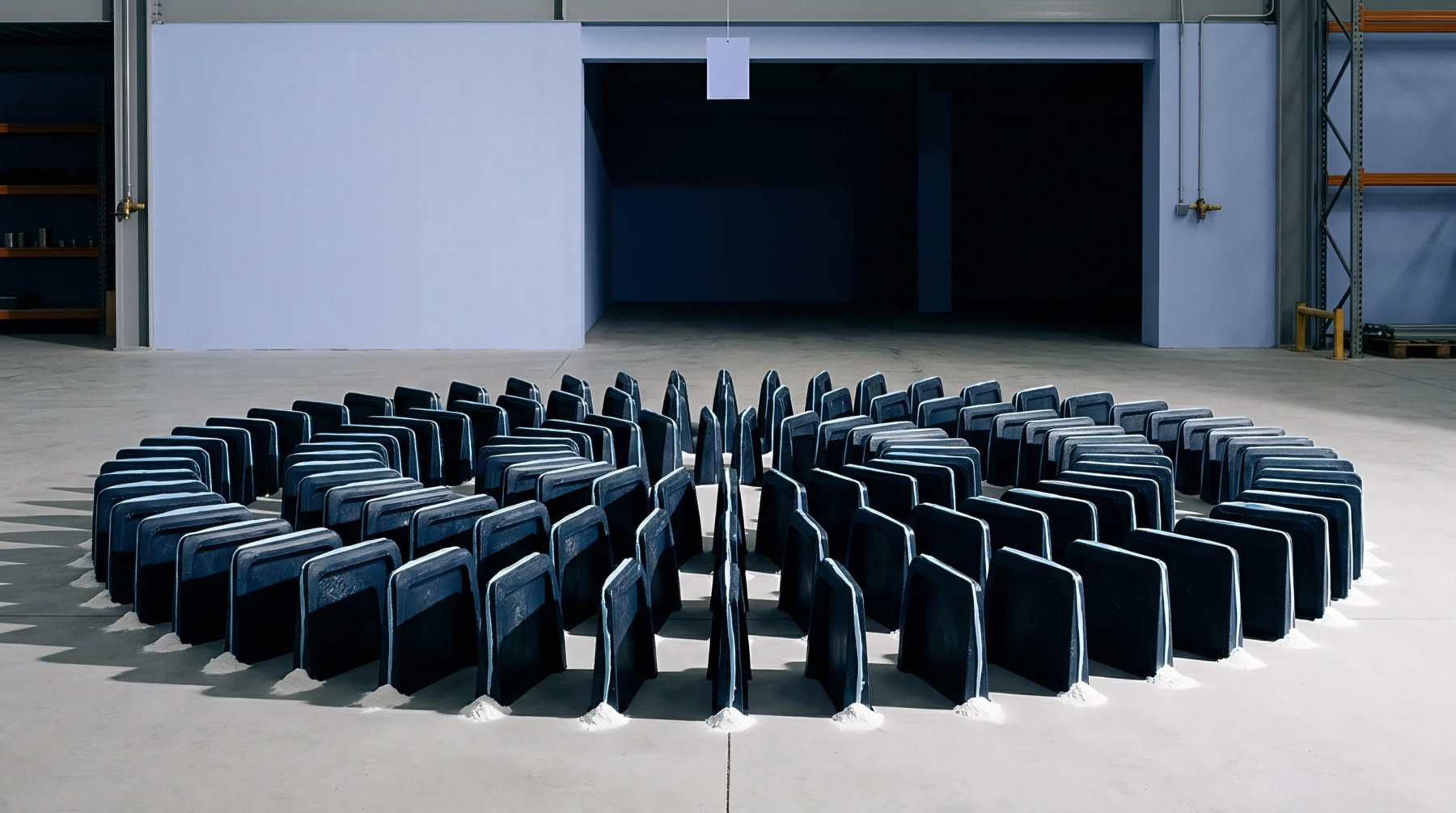
Transverse matrix contraction in glass filled polyamides exceeds flow direction shrinkage by up to three to one requiring asymmetric mold steel allowances.
Calibrating pressure-dependent spherulitic kinetics models using cavity sensors enables accurate tool steel compensation to hold ISO 1328 Grade 5 gear tolerances.
Expertise is a utility, not a secret. sentiention™ publishes its working knowledge as open reference: intelligence layer covering the materials it sources, the markets it enters, and the reference that serves both.