Meaning
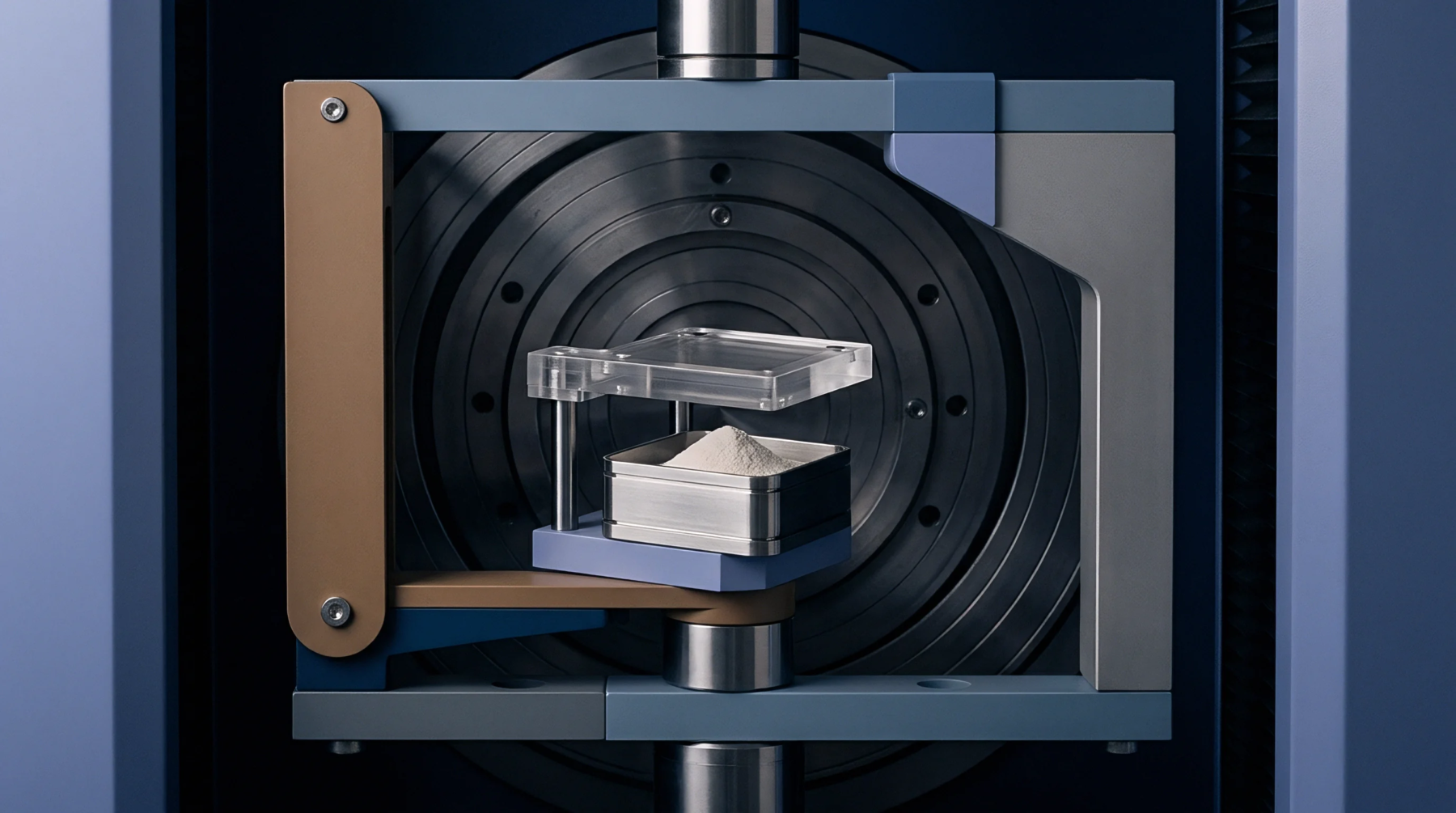
Analytical characterisation describes the molecular weight distribution of synthetic resins by separating dissolved polymer molecules according to their effective hydrodynamic volume. Gel permeation chromatography relies on a stationary phase packed with porous beads that exclude larger chains while trapping smaller ones inside the pores. This mechanism ensures that high molecular weight species elute first from the column while shorter segments spend additional time within the stationary matrix.
By quantifying the elution time against known standards, researchers establish the polydispersity index and provide a distribution curve that dictates how a specific material behaves during thermal processing or mechanical strain.
Polymer Precision
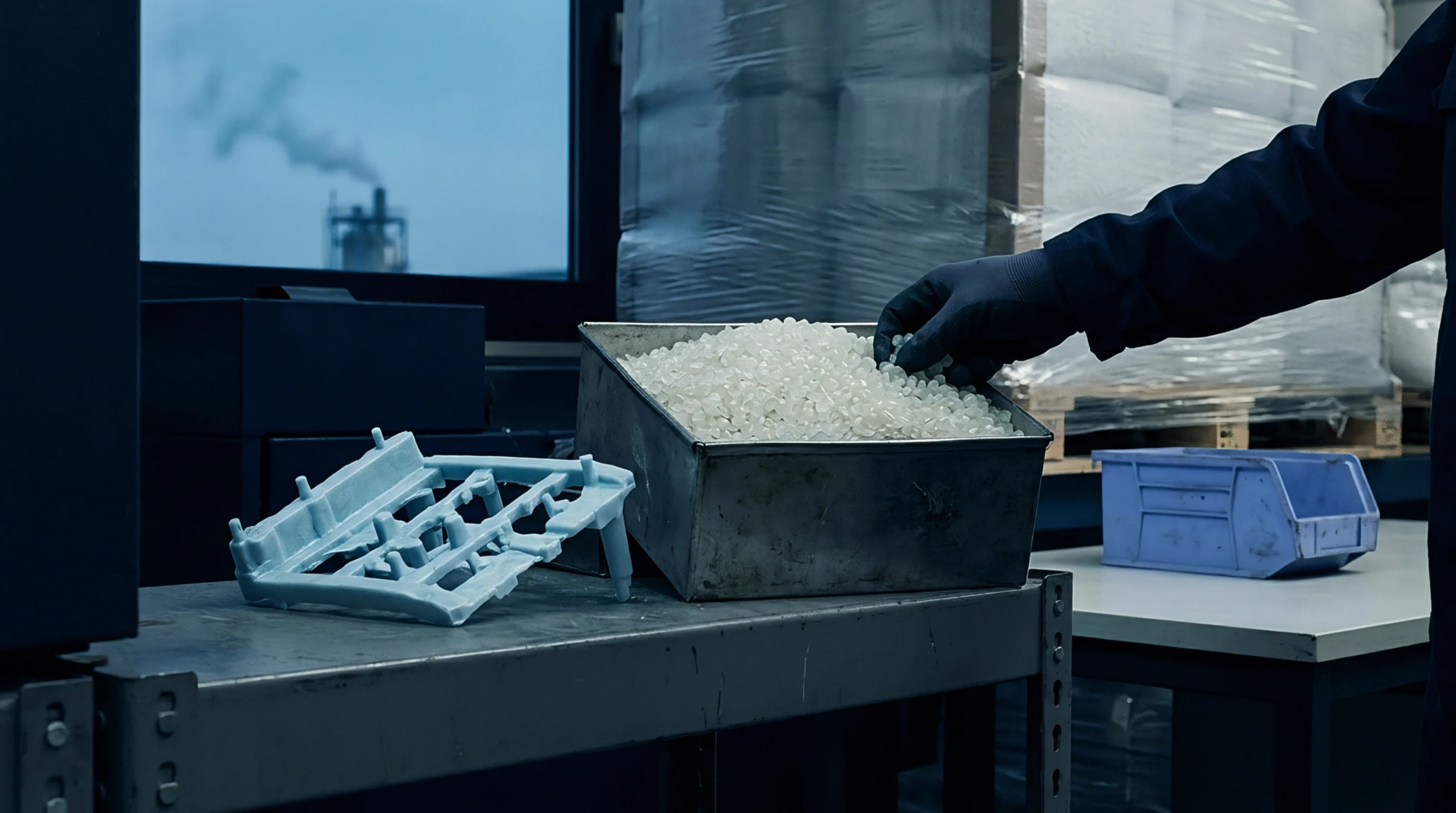
Resin producers use this technique to ensure that a polymer batch aligns with the rheological expectations required for downstream injection moulding or film blowing operations. Consistency in the chain length distribution prevents premature tooling failure caused by volatile low molecular weight fractions that migrate to the surface of a part. High concentrations of these small segments introduce inconsistencies in viscosity, forcing moulders to adjust injection pressure or cooling cycles repeatedly to maintain dimensional tolerances.
Frequent drift in the distribution profile shifts the melting point and crystallinity of the final product, which compromises the integrity of a part that must resist chemical exposure or repetitive impact.
Quality Economics
Procurement departments weigh the price of virgin material against the cost of introducing regrind into a supply stream based on the data provided by these elution profiles. Regrind typically contains degraded molecular chains that alter the flow characteristics of the melt, making the integration of recycled content a delicate balance between budget goals and mechanical performance targets. datasheet values provide the mean molecular weight, yet the distribution width determines if a batch remains stable under high shear rates in an extrusion barrel. Variability in the feedstock requires more frequent calibration of downstream machinery to avoid the production of scrap.
Accurate assessment of the resin grade keeps the manufacturing line running at optimal speed while reducing the need for machine intervention during high volume runs.
Process Control
Moulding operations that require high reliability depend on the stability of the long chain fractions to maintain consistent material flow through the gate and into the cavity. Any shift toward a broader distribution forces the moulder to raise the melt temperature, which increases the likelihood of thermal degradation or discolouration in the finished part. Sophisticated equipment tracks the retention times to verify that raw material suppliers meet the technical specifications required for high pressure applications.
Strict adherence to defined molecular weight parameters prevents the formation of voids or stress concentrators that emerge when a resin batch deviates from the established norm. Maintaining tight control over these distribution metrics ensures that the final component matches the structural requirements set during the initial design phase.