
Gas Chromatography Identification in Recycled Polyolefin Screening
Gas chromatography screening identifies volatile odorants, polymer cross-contaminants, and depleted stabilizers to prevent field cracking and scrap losses.
Gas chromatography screening identifies volatile odorants, polymer cross-contaminants, and depleted stabilizers to prevent field cracking and scrap losses.

Isotactic polypropylene homopolymer performance depends on stereoregularity and melt flow, where high crystallinity enhances modulus while promoting brittle cleavage.

Automated mass spectral deconvolution extracts pure fragmentation patterns from overlapping GC-MS peaks to verify recycled packaging safety and lot acceptance.

Analytical evaluation thresholds for rPE require non-target screening down to 10 ppb using GC-MS and LC-QTOF to guarantee food contact toxicological safety.

Quantifying long-chain branching degradation requires dynamic shear and extensional rheometry to measure the loss of strain hardening caused by thermal scission.

Carrier gas sweep moisture desorption below 50 ppm prevents hydrolytic chain scission during solid-state transesterification of polycarbonate alloys.

Pressure-dependent viscosity increases melt resistance in sub-micron channels while wall slip and extreme shear thinning lower dynamic injection requirements.

Stepped-temperature Karl Fischer titration separates physical absorbed moisture from solid-phase condensation water in PBT to prevent false drying metrics.
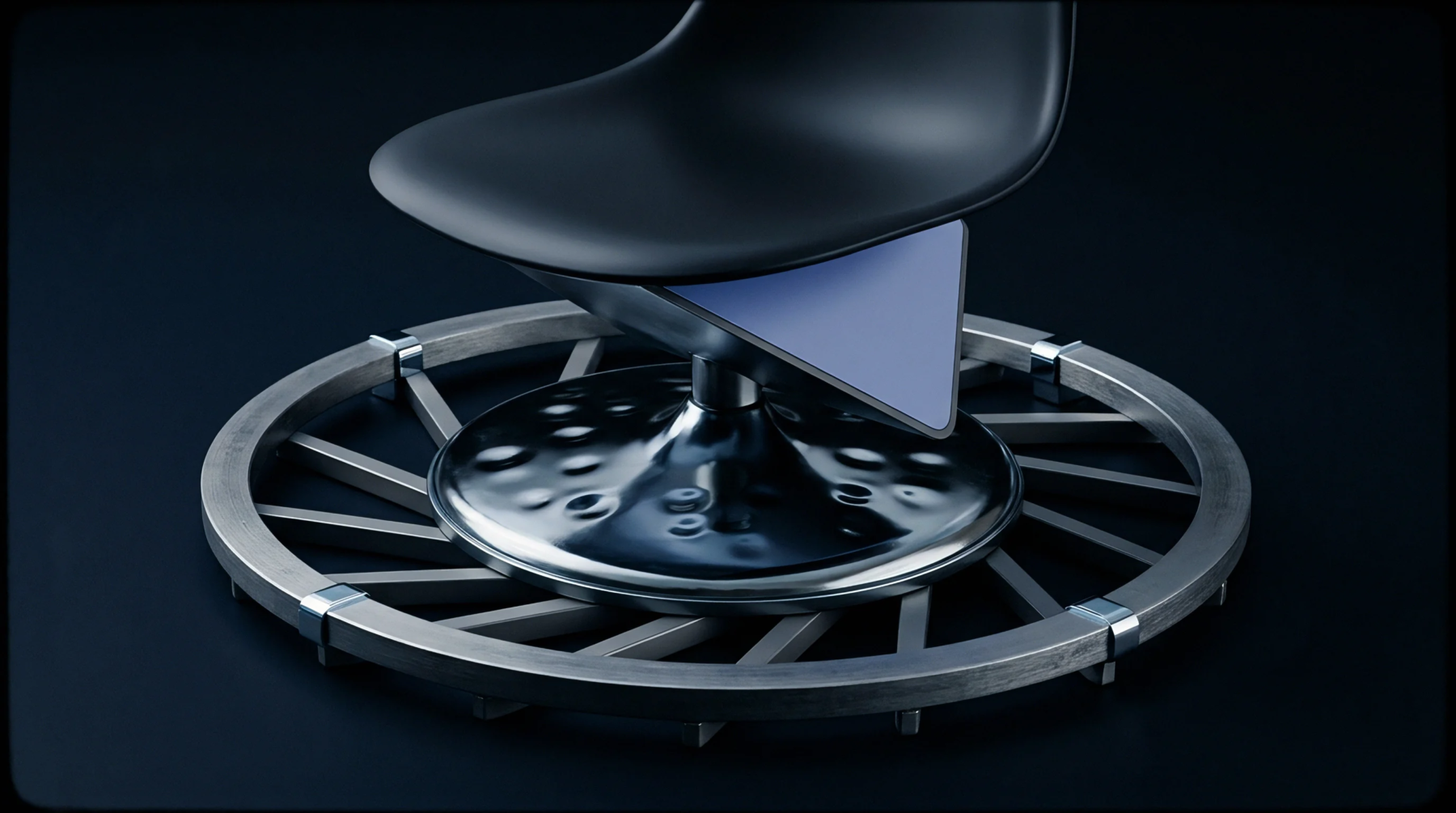
Transient extensional strain hardening in bimodal HDPE relies on high molecular weight chain stretch and cannot be predicted by shear viscosity alone.

High-frequency non-linear oscillatory shear isolates trace long-chain branching in polyolefins by resolving third-harmonic stress responses that linear melt flow tests miss.

Mapping viscoelastic crossover coordinates provides direct quantitative verification of polyolefin molecular weight distribution and branching architecture.

Dynamic frequency sweeps reveal true molecular weight distribution and melt strength, preventing conversion line failures hidden by single-point melt flow rates.
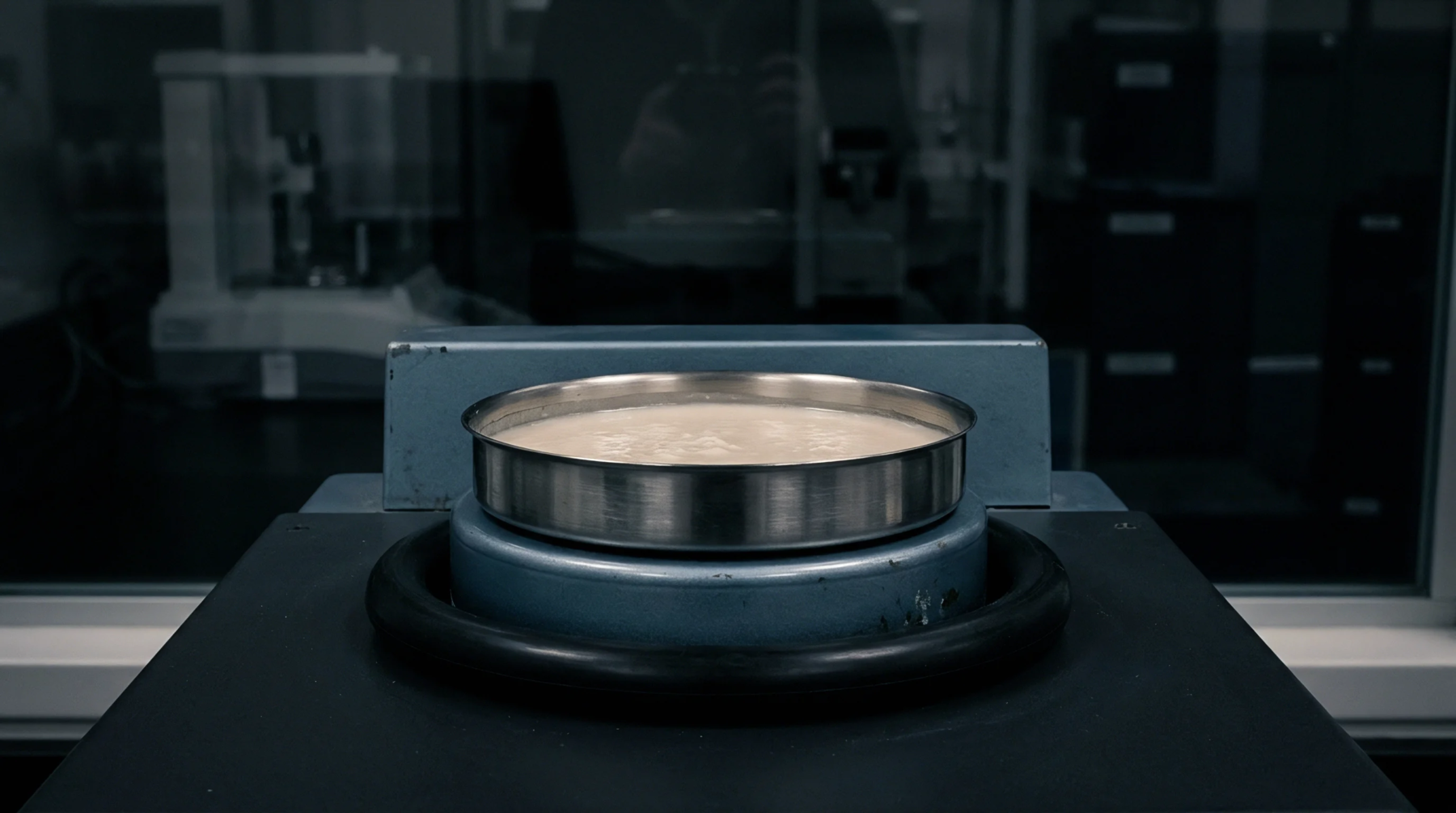
Capillary shear and dynamic mechanical rheology detect high molecular weight tail shifts and polyolefin contamination missed by standard melt flow rate tests.

Dual load flow rate ratio analysis isolates polypropylene grade contamination by measuring shear sensitivity changes between low and high piston weights.

Polypropylene melt flow quality control demands strict 230 °C and 2.16 kg testing under verified preheat timing to catch processing shifts before moulding.

Non-linear Carreau modeling prevents multi-gate filling imbalance in regrind polyamide by capturing premature shear thinning that simple Power-Law models miss.

Dynamic viscosity algorithms adjust injection velocity and switchover pressure shot to shot to stabilize pack density when processing variable recycled resins.
Recycled polyamide shear sensitivity varies with chain scission, requiring multi point capillary sweeps to prevent tooling flash and cavity short shots.

Standardize post-industrial resin testing by hot-pressing flat coupons, executing airPLS baseline fits, and anchoring integration bounds outside filler zones.

Resolving sub-five-percent reprocessed resin requires combining size-exclusion molecular weight tailing with high-pressure oxidation induction times.

Verify regrind additions in polyamides through microtome fiber-length profiling, DSC cooling crystallization exotherm elevation, and acid solution viscometry.

Controlling twin screw extruder shear energy density and peak melt temperature prevents non-isothermal chain scission and protects part mechanical performance.

Calculate polyester molecular weight loss by summing hydrolytic and thermal scission rates across barrel residence time to verify intrinsic viscosity retention.

Melt flow rate increases nonlinearly as intrinsic viscosity drops; establishing zero-shear viscosity calibrations converts high-shear extrusion data reliably.

Capillary rheometry tracks bio polyester molecular weight loss by isolating true shear viscosity and entrance pressure drops across processing shear rates.

Optimizing chain extender dosage between 0.3 and 0.6 weight percent restores polylactic acid molecular weight while preventing crosslinking gelation.

Cross border compostable resin disputes require port of entry MFR and combustion ion chromatography testing to isolate transit scission from fluorinated additives.

Competitive carboxylic acid dissociation in non aqueous dissolution requires modeling homoconjugation and ion pairing to prevent interfacial gel stalling.

Thermal stripping of carboxylic acids in recyclates requires balancing diffusion-limited mass transfer against thermal polymer degradation kinetics.

Optimize continuous reactors by matching rotor surface renewal frequency to boundary layer diffusion limits rather than extending residence time.
Expertise is a utility, not a secret. sentiention™ publishes its working knowledge as open reference: intelligence layer covering the materials it sources, the markets it enters, and the reference that serves both.