
Evaluating Carrier Resin Fractions for Masterbatch Tariff Line Determination
Determining masterbatch tariff lines requires thermogravimetric and DSC testing to prove whether carrier resin fraction or active loading sets essential character.
Determining masterbatch tariff lines requires thermogravimetric and DSC testing to prove whether carrier resin fraction or active loading sets essential character.

Dynamic mechanochemical crosslinking in contaminated post-consumer polyethylene drives melt viscosity spikes, gel formation, and severe manifold production scrap.

Determining extensional viscosity via strain-hardening metrics predicts polypropylene sheet sag resistance and prevents wall thinning in deep-draw thermoforming.

Extrusion die geometry optimization for recycled polyethylene extends land ratios to twenty to one and stages filtration to damp melt pressure surges.

Extensional viscosity drift in post-consumer polyolefins causes entrance pressure spikes, thin-wall voiding, and cycle time extensions during high-speed injection.
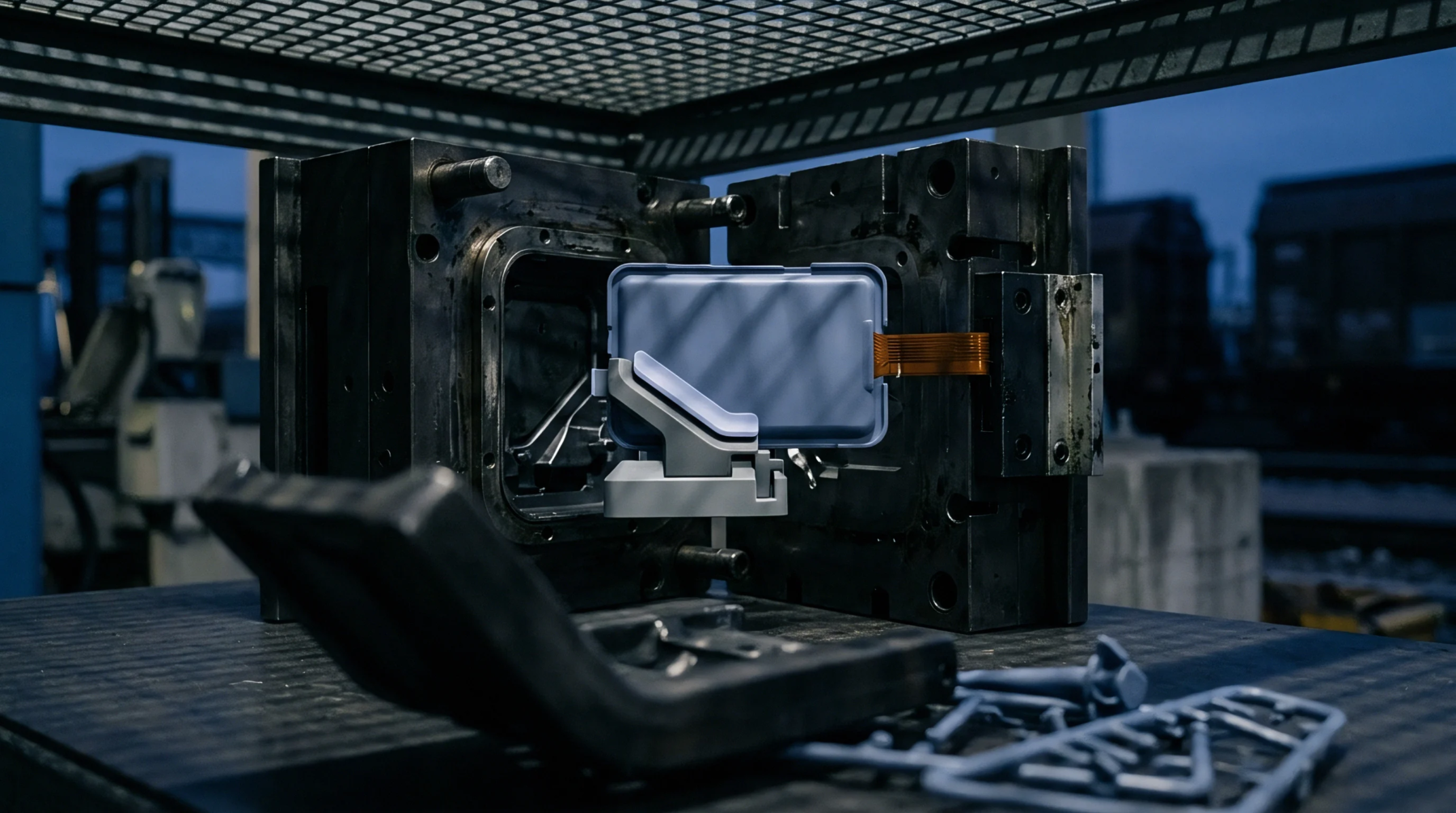
Tightly specifying shear viscosity tolerances at ten thousand reciprocal seconds prevents cavity filling imbalances and reduces scrap in multicavity hot runners.

Capillary rheometry predicts polyolefin mold filling by measuring viscosity and extrudate swell across true cavity shear rates from 1,000 to 50,000 reciprocal seconds.

Bimodal polyethylenes with polydispersity indices of 14 to 18 balance extruder shear thinning against long-term environmental stress crack resistance.
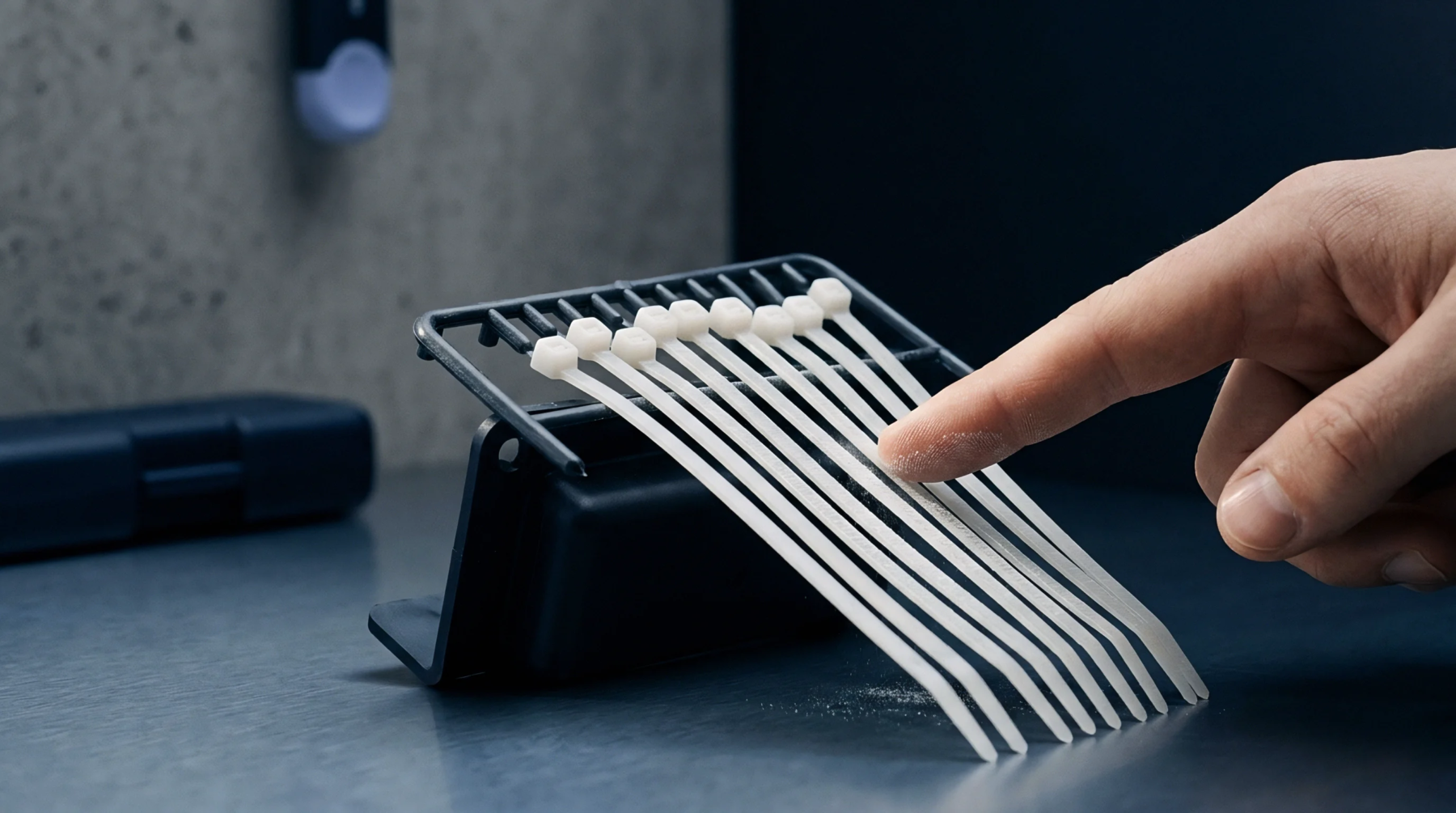
Extreme shear rates in thin-wall moulding accelerate organic peroxide cleavage, driving residual radical survival, MWD narrowing, and volatile emission risks.
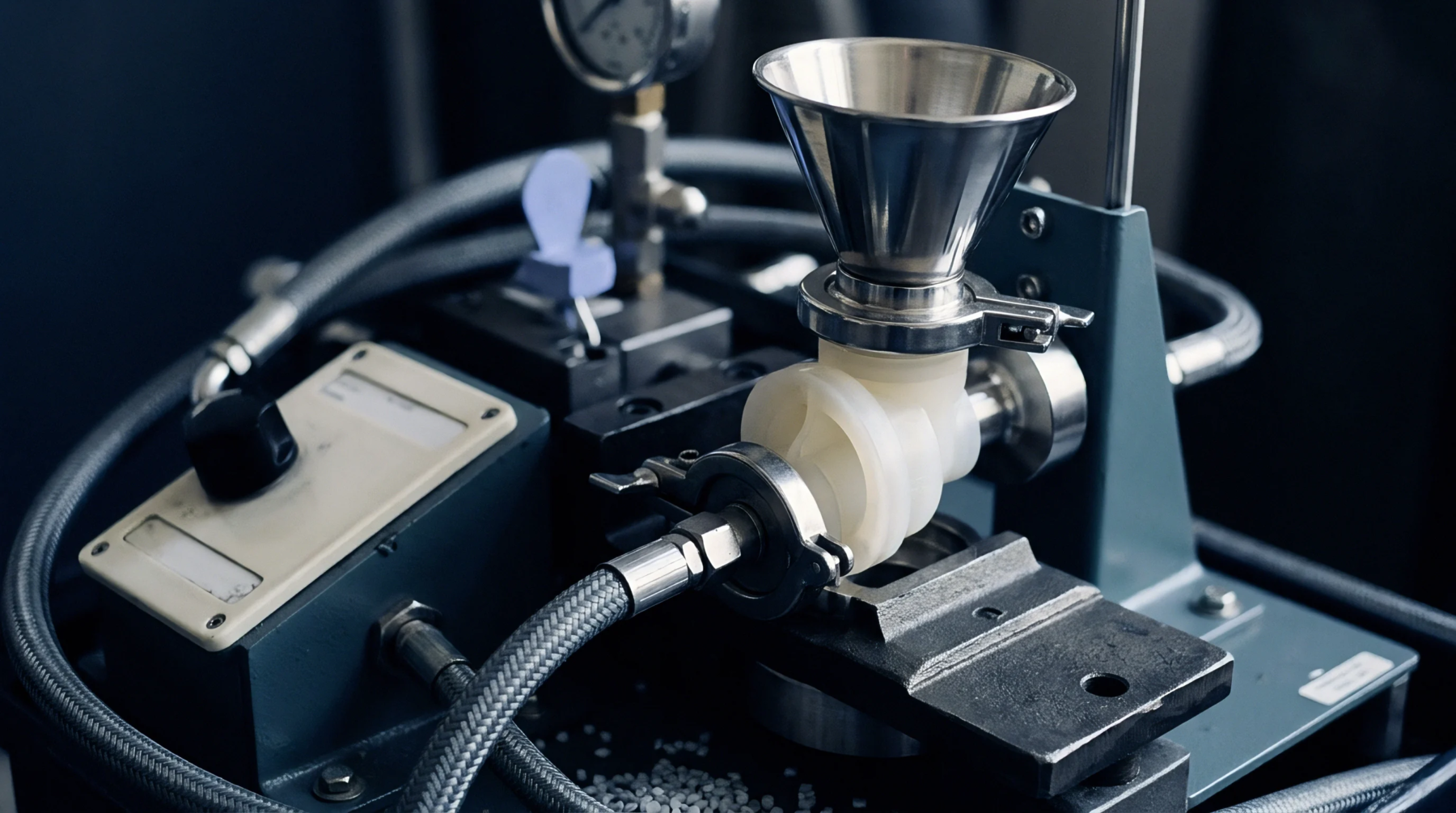
Unreacted organic peroxides in controlled rheology polypropylene cause continuous viscosity drift during storage, requiring active initiator limits in resin purchase contracts.

Controlled peroxide visbreaking lowers polypropylene molecular weight distribution to achieve melt flow rates over 60 g/10 min for thin-wall packaging tools.

Repeated high-shear PP compounding accelerates radical-driven beta-scission, requiring active phosphite and radical scavenger replenishment to preserve melt flow.

Quantifying peroxide residues and volatile NIAS in polyolefin packaging requires headspace GC-MS, diffusion kinetics, and strict vacuum degassing controls.
Controlled rheology visbreaking lowers polypropylene molecular weight via peroxide scission, narrowing MWD but increasing thermal degradation and volatile emissions risks during injection molding.
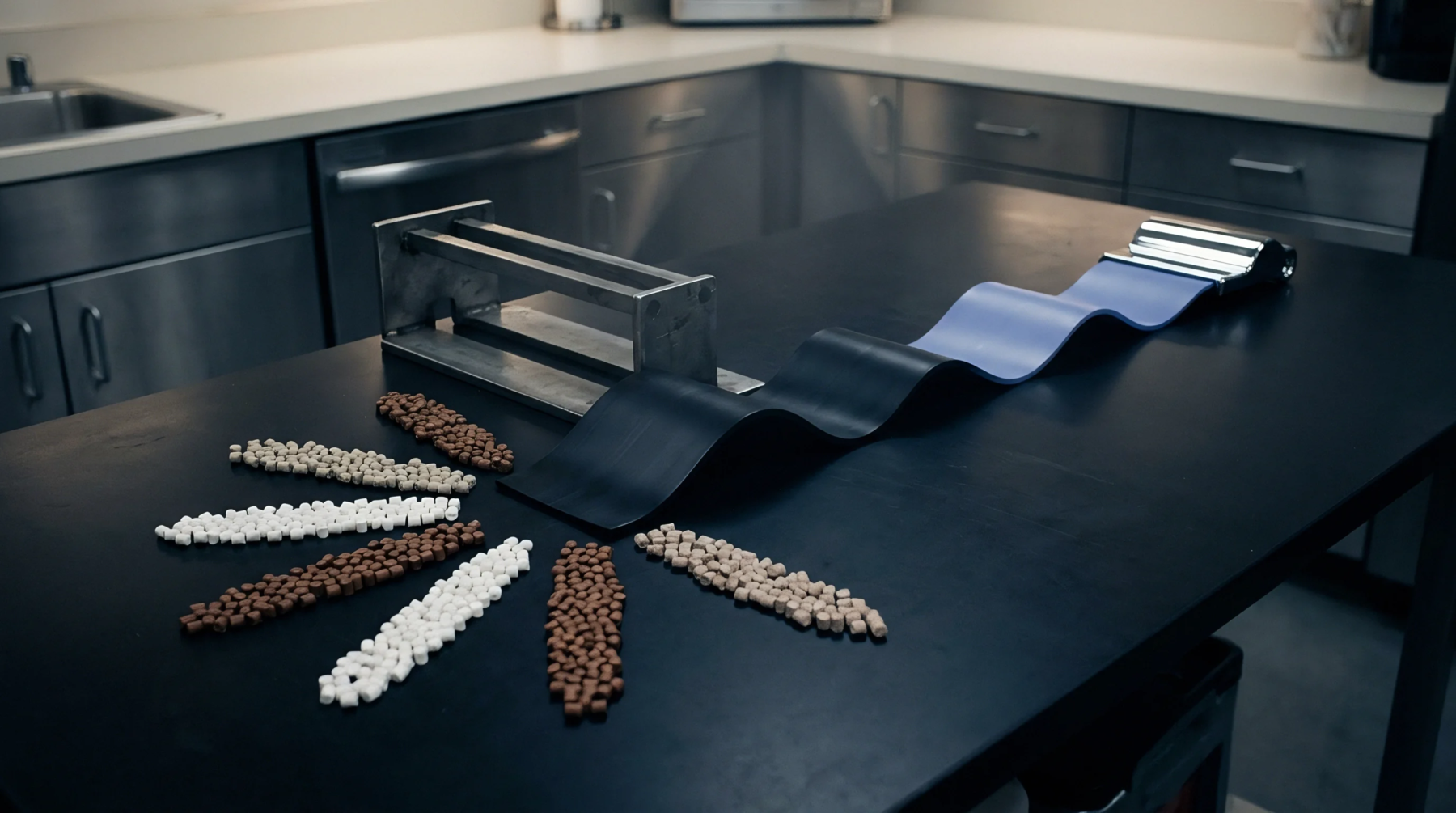
Peroxide cleavage byproducts in ultra-high MFR PP require thermal desorption GC-MS detection below 0.01 mg/kg to meet food contact and sensory thresholds.
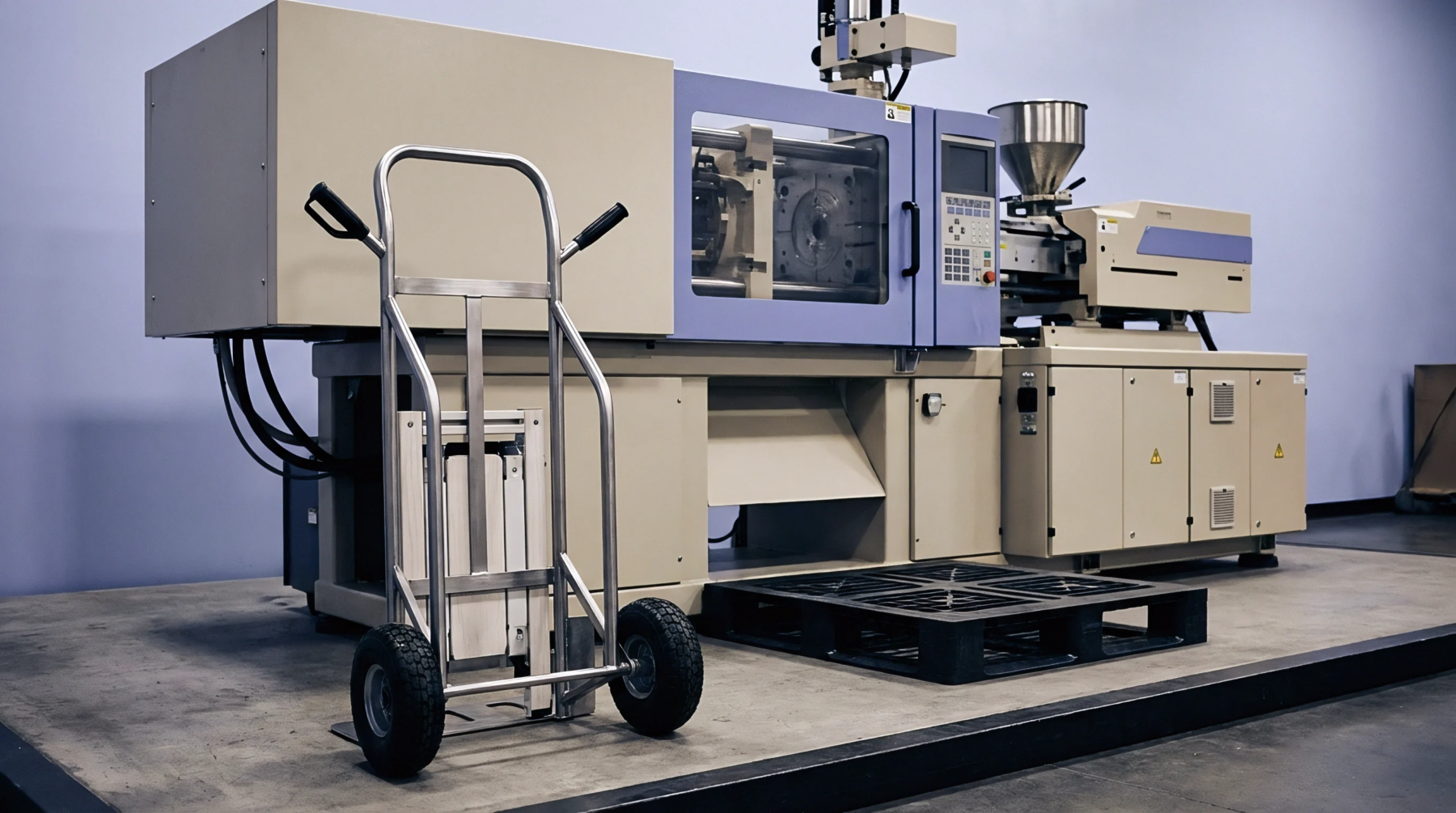
Controlled peroxide visbreaking lowers molecular weight and narrows MWD, enabling high MFR polypropylene flow in thin-wall molds while reducing impact strength.

Select 50 to 90 MFR reactor homopolymer for thin wall parts to balance sub-half-second filling against impact strength and clean organoleptic compliance.

Molten polyethylene additives partition onto platen steels via thermal diffusion and squeeze flow, forming thermal plate-out that degrades seal strength.

Dynamic oscillatory rheology quantifies high-molecular-weight polymer tail scission during extrusion by measuring low-frequency zero-shear viscosity drops.

High-temperature chromatography coupled with oscillatory melt relaxation isolates ultra-high molecular weight fractions to secure pressure pipe slow crack resistance.
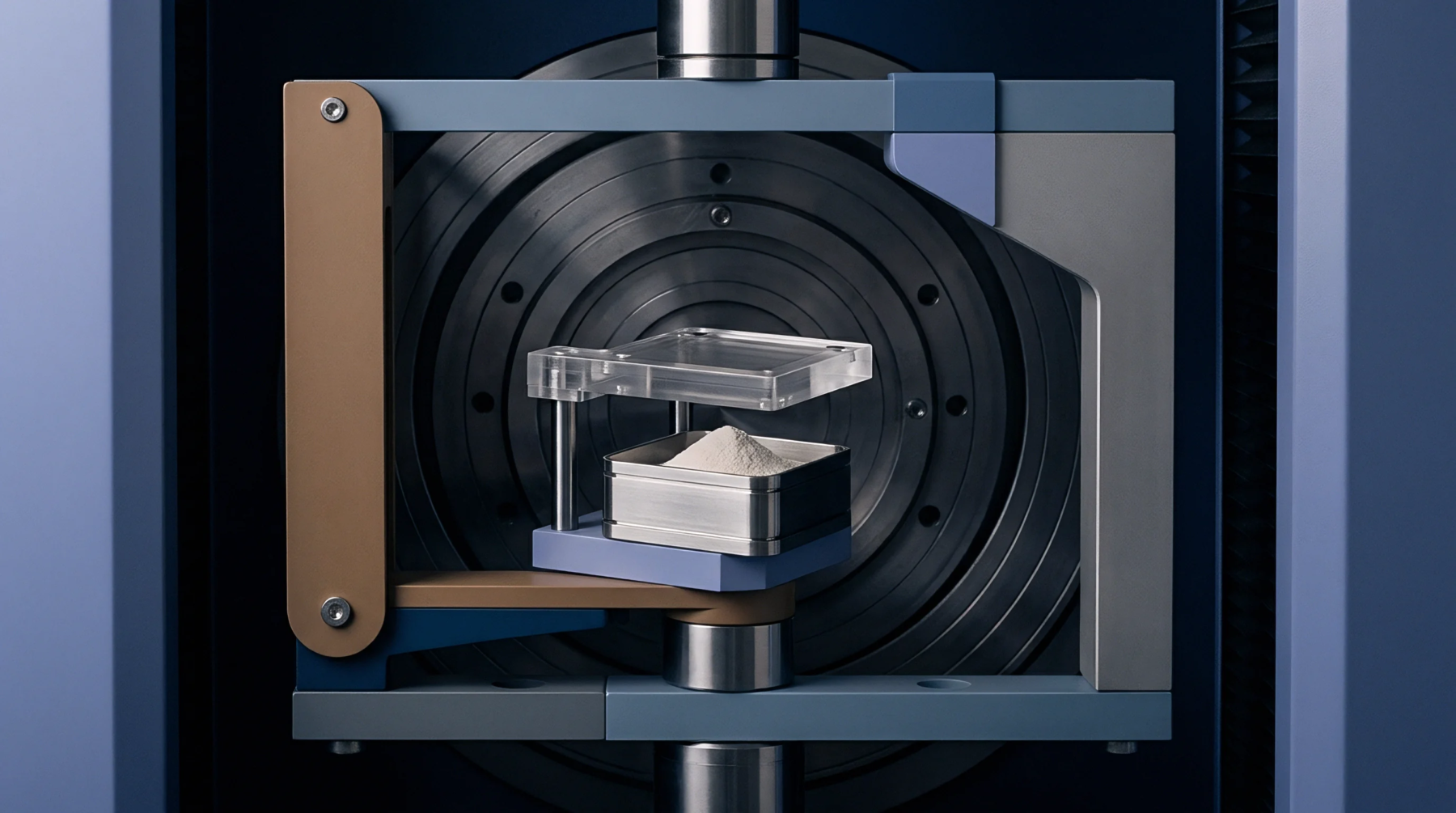
Small-amplitude oscillatory shear measurements at low frequencies reveal high-molecular-weight polymer tails that standard melt flow index tests fail to detect.

Coupled viscous fingering and thermal degradation in polydisperse polyolefin fractionation drive melt flow channeling, controlled by viscosity ratios and shear heating limits.

Zero shear viscosity analysis detects hydrolytic cleavage in resins by measuring terminal plateau drops governed by the 3.4 molecular weight power law.

Low frequency oscillatory shear sweeps reveal molecular weight distribution shifts, branching variations, and regrind contamination missed by melt flow indexers.

Peroxide visbreaking narrows polypropylene molecular weight distribution, boosting melt flow rate while severely raising the brittle-ductile transition temperature.

Impact polypropylene packaging relies on dispersed rubber phase morphology to maintain sub-zero ductility below the glass transition temperature of the matrix.
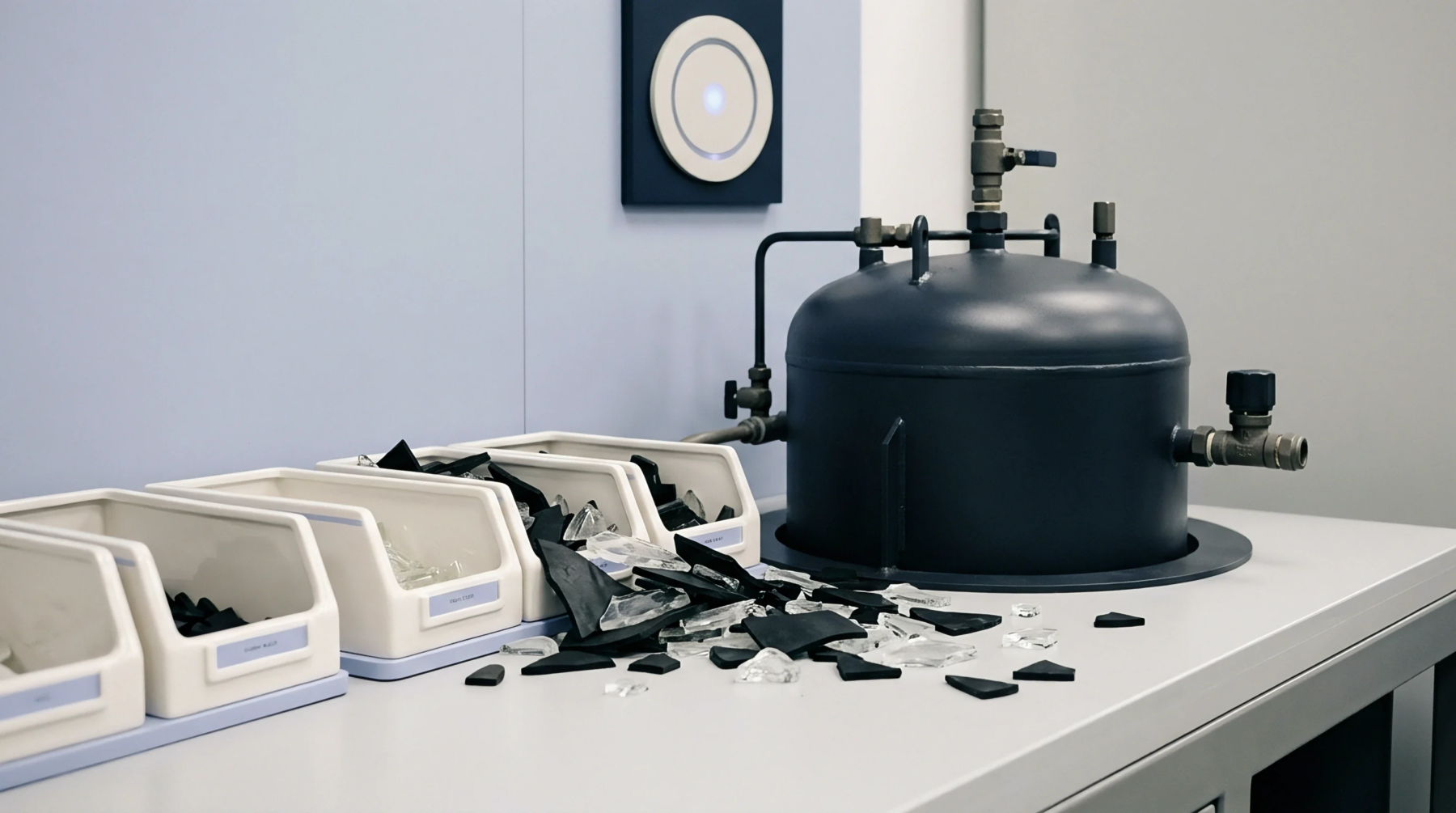
Recycled PP impact copolymer performance depends on maintaining micron-scale EPR phase dispersion against shear coalescence and selective chain scission.

Subzero toughness in polyolefins requires tuning EPR domains to 0.2-0.5 microns, verified by cryo-TEM and ISO 179 impact testing at minus 40 degrees Celsius.

Select polypropylene impact copolymers by balancing ethylene-propylene rubber content for subzero impact against mineral loading for thermal dimensional stability.

Polypropylene impact copolymer toughness depends on sub-micron EPR phase dispersion, where viscosity matching controls energy absorption at cold temperatures.
Expertise is a utility, not a secret. sentiention™ publishes its working knowledge as open reference: intelligence layer covering the materials it sources, the markets it enters, and the reference that serves both.