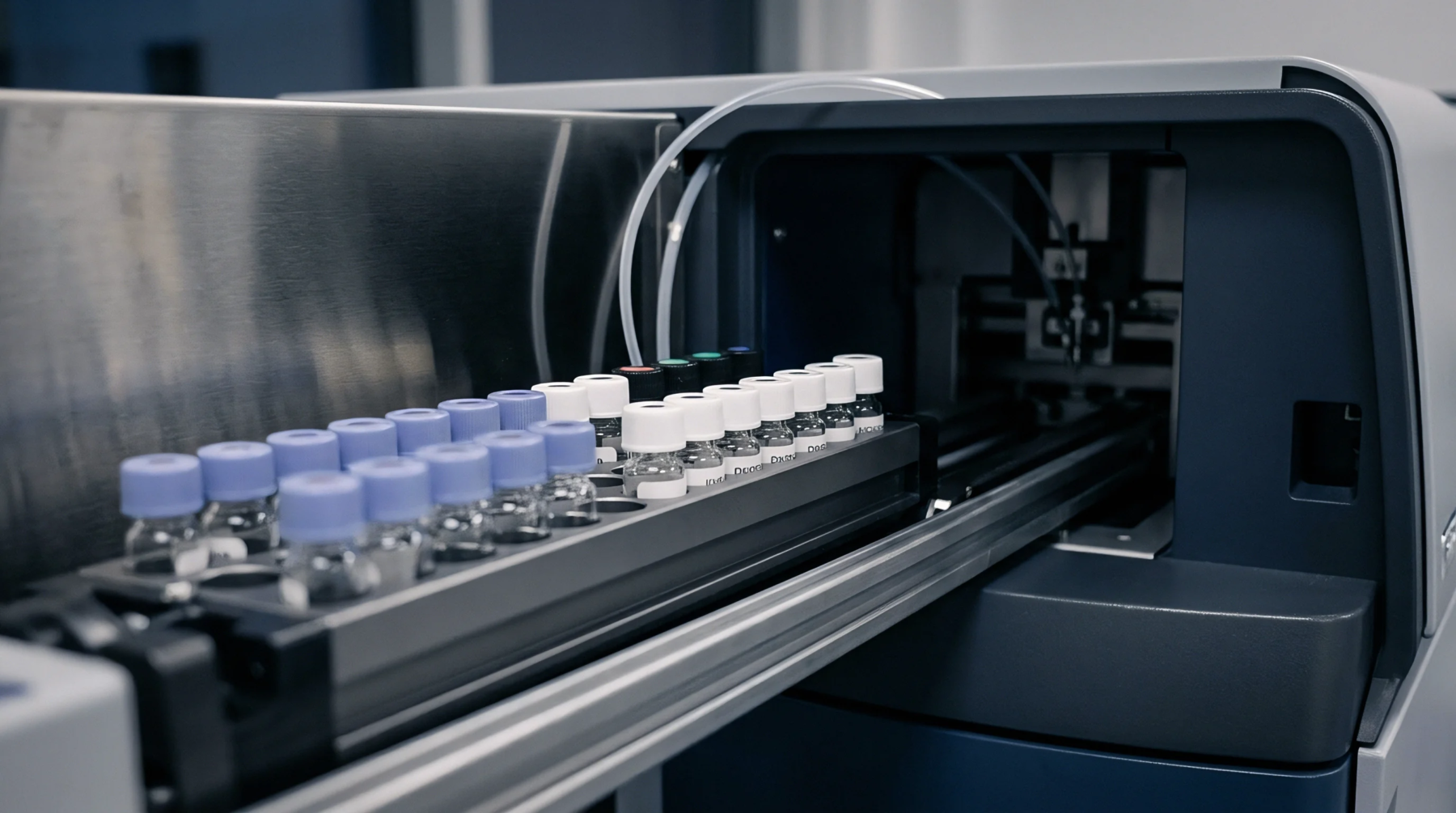
Rheological Phase Inversion Detection for Post Consumer Polyolefin Blends
Oscillatory frequency sweeps detect phase inversion in recycled polyolefins by identifying storage modulus shoulders and phase angle plateaus before processing failure.
Oscillatory frequency sweeps detect phase inversion in recycled polyolefins by identifying storage modulus shoulders and phase angle plateaus before processing failure.

Fine dispersion of polypropylene inclusions below one micron in recycled polyethylene compounds recovers impact strength without sacrificing tensile modulus.

Verify polyolefin phase boundaries using differential scanning calorimetry and infrared spectroscopy before compounding to prevent brittle field failures and price deductions.

Direct vacuum extrusion eliminates desiccant energy costs but demands precise stoichiometric control to prevent melt gelation during reactive extension.

Dew point drift diagnostics require systematic temperature differential mapping, sensor cross-verification, and valve seal isolation to prevent hydrolytic resin degradation.

Establishing rPET intrinsic viscosity limits requires matching solvent test standards to conversion thresholds, drying flake under 50 ppm, and capping lot spread.

Multi-frequency acoustic dispersion spectra separate shear scission from thermal degradation in polymer melts by isolating high-frequency attenuation drops.
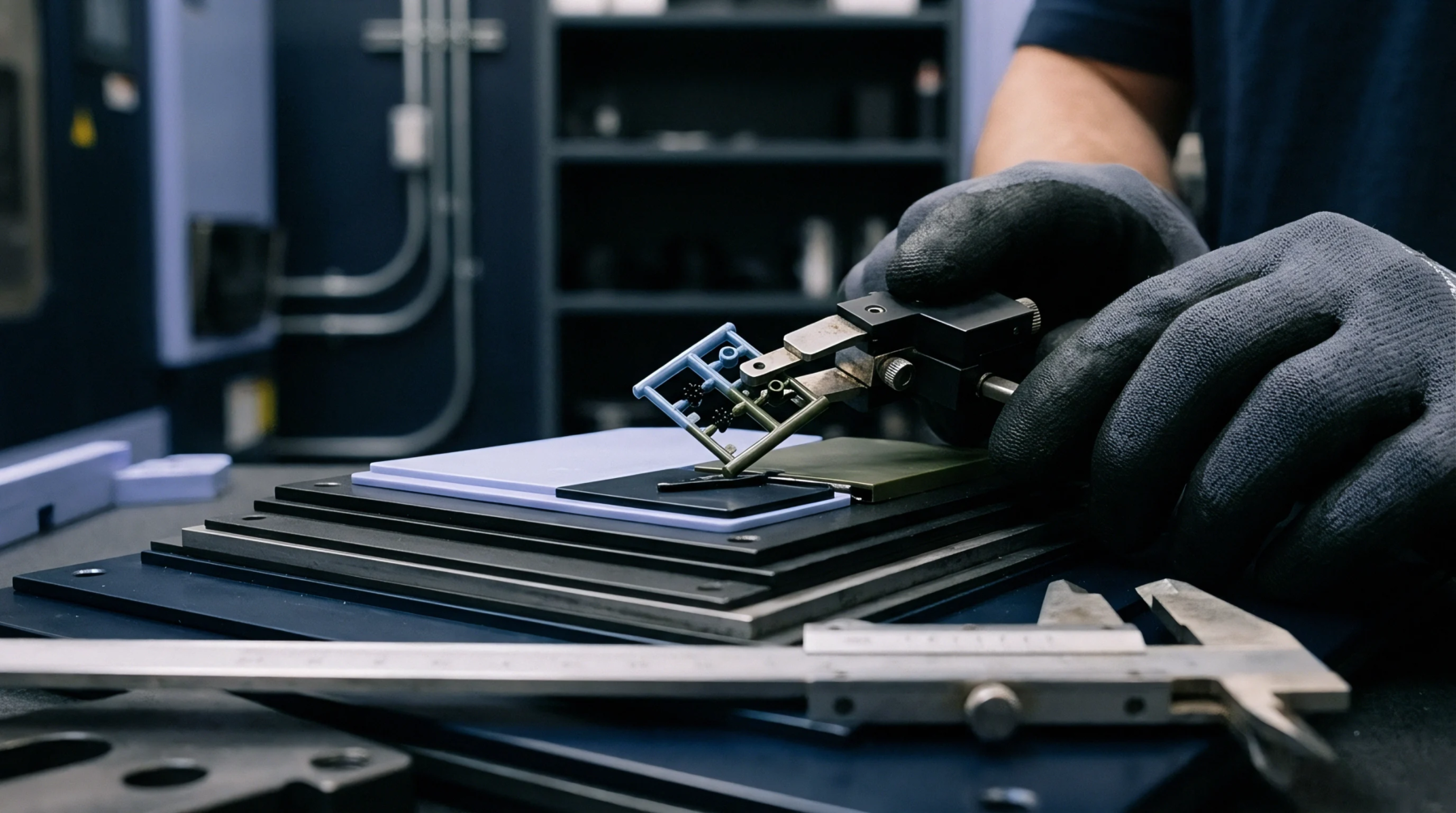
Non-Newtonian shear thinning and viscous heating concentrate flow at conduit walls, dictating pressure drop, cavity fill balance, and steel sizing.

Resolving non-equilibrium polymer relaxation in converging dies requires hyperbolic entry geometry, extended land lengths, and dual-bore capillary intake controls.
Managing PCR polyolefin shear instability requires capillary rheometry qualification, peroxide phase-tuning, and PPA die-lubrication to control scrap.
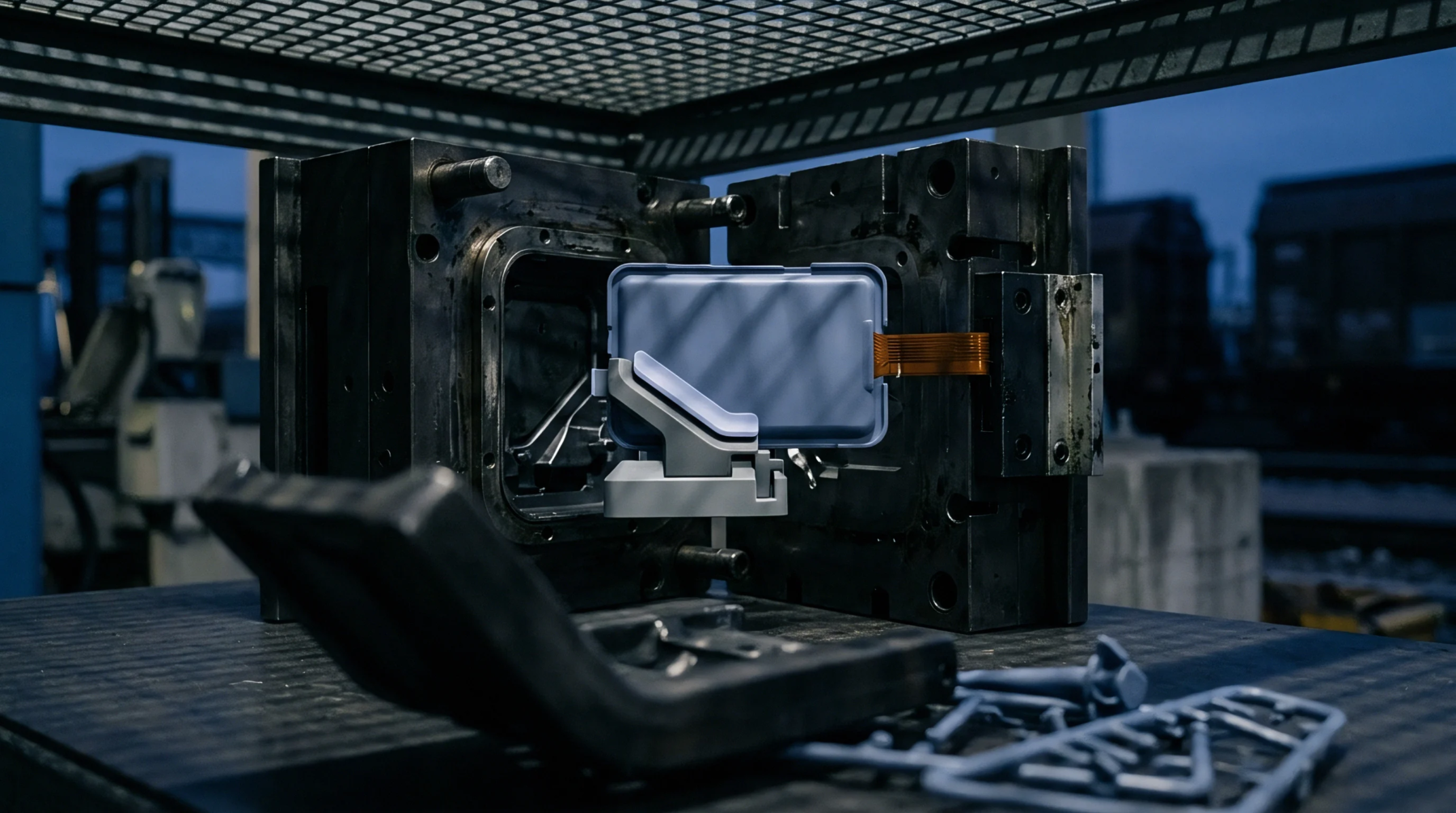
Establishing melt flow specification windows for recycled polyolefins requires matching shear-rate viscosity to mold filling limits while contracting tight lot tolerances.

Secondary extrusion degrades polypropylene primarily through thermal-shear beta-scission at tertiary carbons, inflating MFR and demanding active restabilization.

High screw speeds generate localized viscous thermal spikes that shear high molecular weight chains, narrowing distribution width and raising melt flow rate

Correlating non-linear viscoelasticity with injection molding shear failures requires capillary entry pressure drop verification to catch gate melt fracture.

Evaluating PCR-PP shear thinning via multi-point capillary rheology prevents mold flash, runner pressure losses, and costly injection scrap.

Standardized 230°C conditions, melt density corrections, and dual-load shear ratio tracking isolate degradation and contamination in recycled polypropylene resin.

Recycled polyolefin stream gel formation requires residual OIT tracking and secondary phosphite restabilization to control crosslinking during extrusion.

Evaluating thermal and oxidative polyolefin flake degradation requires tracking melt flow shifts, oxidative induction time, and carbonyl accumulation.

Polyolefin flake degradation alters melt viscosity and stability, requiring multi-weight flow indexing and oxidative induction testing to set lot pricing.

Resolve masterbatch tariff disputes by proving continuous carrier phase rheology and keeping calcination under 600 °C to defend Chapter 39 classification.
Expertise is a utility, not a secret. sentiention™ publishes its working knowledge as open reference: intelligence layer covering the materials it sources, the markets it enters, and the reference that serves both.