Meaning
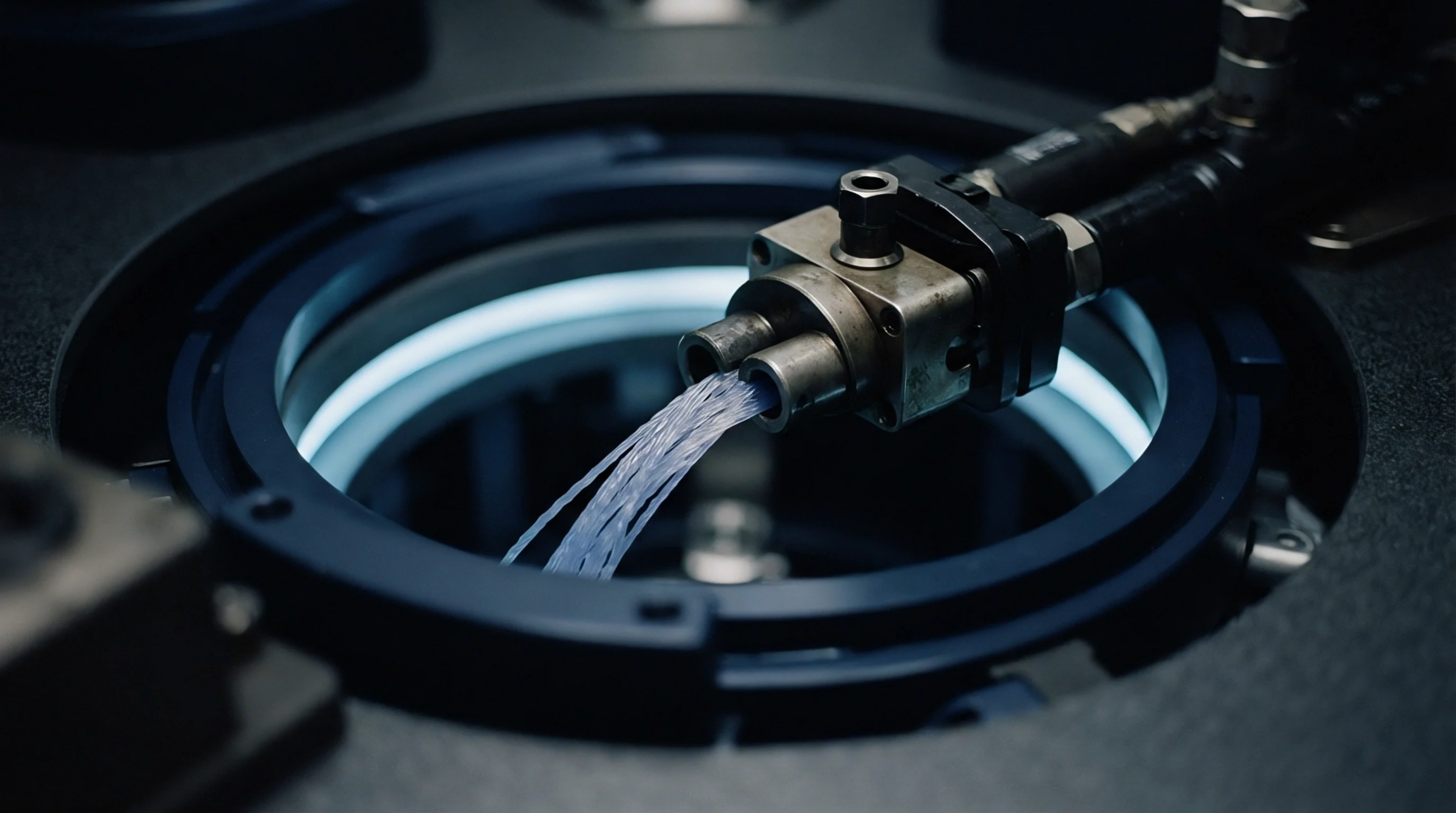
Thermally unstable chemical compounds containing a divalent oxygen-oxygen structure are widely used as initiators to trigger polymerization, crosslinking, and controlled rheology in polymer processing. Processing polypropylene with organic peroxides allows molders to reduce molecular weight and adjust the melt flow index during extrusion. These additives decompose at processing temperatures to generate reactive free radicals that abstract hydrogen atoms from the polymer backbone.
Controlling the concentration of these additives is necessary to achieve the desired physical properties without causing excessive polymer degradation.
Initiation Mechanism
The homolytic cleavage of the oxygen-oxygen bond in organic peroxides requires specific temperature levels characterized by the half-life of the chemical. Once formed, the radical fragments attack the polymer chains, initiating a cascade of crosslinking or chain scission reactions. In polyethylene, this action leads to a branched or crosslinked structure that increases melt strength and heat resistance.
In contrast, polypropylene undergoes chain scission, which yields a narrower molecular weight distribution and improves the flowability of the resin.
Processing Variable
Maintaining the correct screw temperature and residence time ensures complete reaction of the initiators within the extruder. Unreacted residues of organic peroxides can continue to decompose after processing, leading to post-molding odor or changes in mechanical properties. In addition, the generated volatile byproducts must be vacuum-vented during extrusion to avoid surface defects on the finished parts.
Safety Protocol
Due to their thermal sensitivity, these chemicals must be stored in temperature-controlled environments to prevent self-accelerating decomposition. Molders follow strict handling procedures to avoid accidental contamination.