Meaning
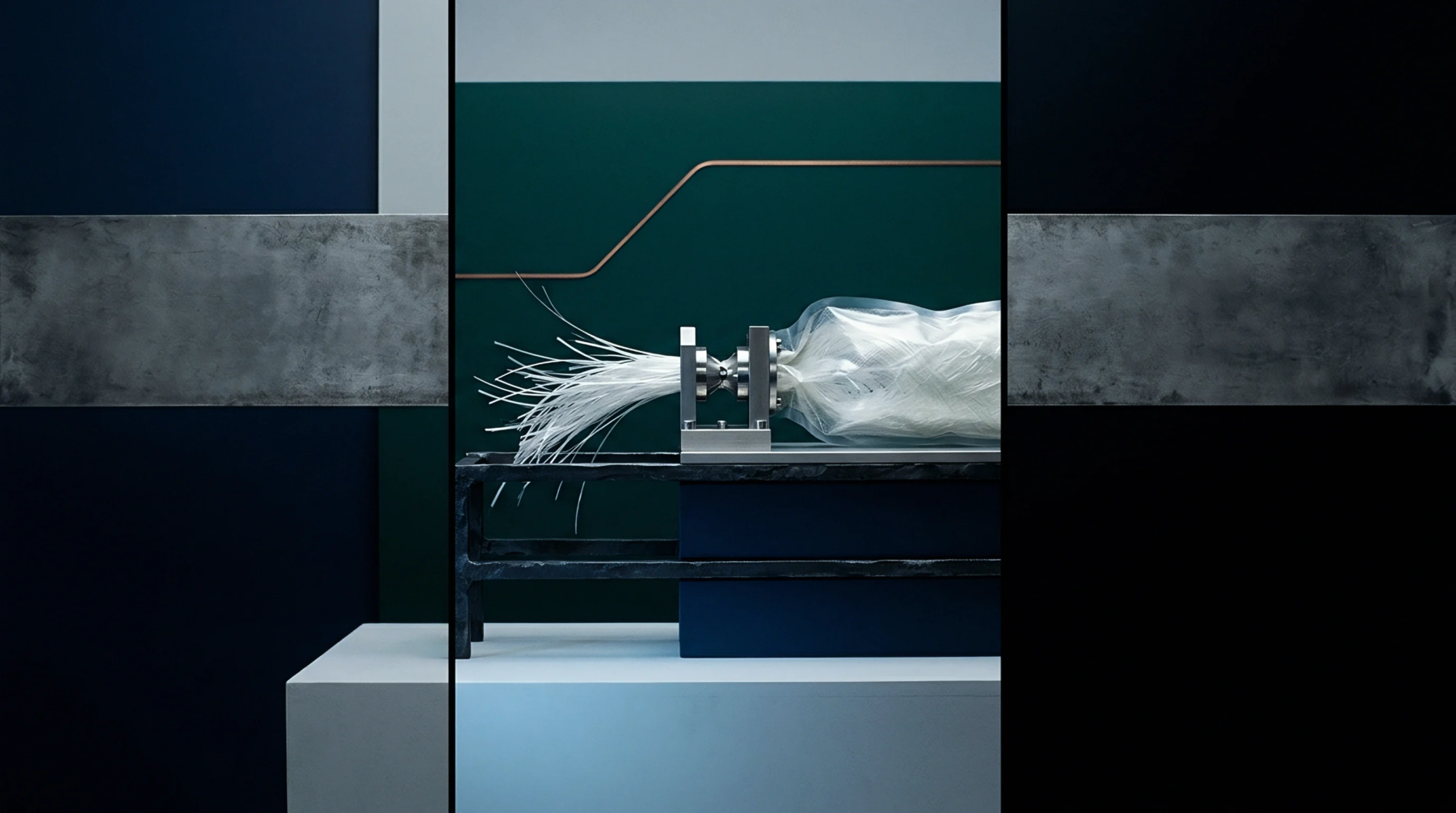
Fluid dynamic instabilities occur when a less viscous fluid penetrates a more viscous fluid inside a narrow channel gap. Saffman-Taylor instability produces finger-like displacement patterns at the moving fluid interface during fluid-assisted injection molding. The phenomenon governs core gas and water injection profiles in hollow plastic component manufacturing, stopping at single-phase flow regimes where viscous mismatch is absent.
Standard flow modeling assumes flat advancing fronts, whereas interface instability creates irregular wall thickness and structural voids.
Interfacial Tension
Viscosity ratios between penetrating gas and molten polymer drive finger growth along paths of least resistance. Occurring during gas-assisted injection, Saffman-Taylor instability causes non-uniform gas penetration into thick structural sections. Thin channel walls rupture under internal pressure when fingers approach part surfaces.
Viscous Fingering
High injection speeds exacerbate interface perturbations, converting flat fluid fronts into branching channels. Controlling Saffman-Taylor instability requires precise regulation of gas injection timing and melt viscosity during holding phases. Uncontrolled fingering leaves unreinforced void pockets, reducing flexural rigidity in automotive handles.
Defect Prevention
Melt temperature optimization and controlled delay times stabilize advancing gas bubbles within thick-walled sections. Preventing Saffman-Taylor instability ensures uniform wall thickness and predictable mechanical strength. Consistent gas channels avoid surface sink marks and lower component reject rates.