
PET Drying Windows and the Hydrolysis a Moulder Absorbs
Excess residual moisture causes instant ester chain hydrolysis in molten PET, dropping intrinsic viscosity and destroying mechanical part strength.
Excess residual moisture causes instant ester chain hydrolysis in molten PET, dropping intrinsic viscosity and destroying mechanical part strength.

Verifying non-intentionally added substances in recycled plastics demands high-resolution mass spectrometry screening, toxicological threshold mapping, and batch-specific compliance dossiers.

Managing recycled plastic compliance under EU waste rules requires challenge-tested decontamination, accredited migration testing, and audited traceability dossiers.

Calculating mass spectrometry relative response factors for uncharacterized cyclic ester oligomers requires ionization efficiency modeling to prevent migration underestimation.
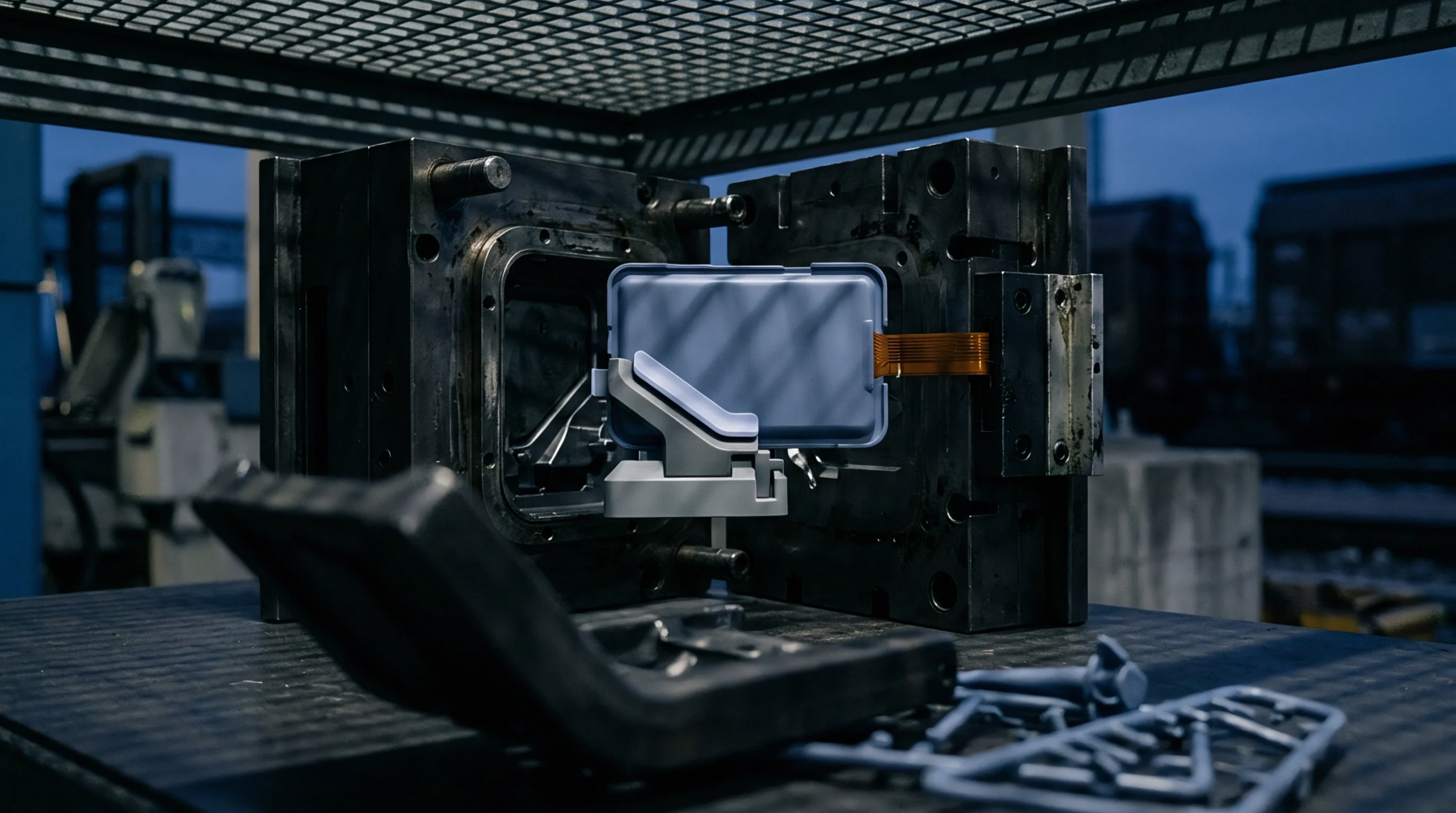
Mathematical integration models decouple physical moisture from thermal ester cleavage off-gas water to ensure accurate resin quality control.

Solid-state transesterification generates parasitic water during thermal extraction; dynamic baseline deconvolution prevents false moisture rejections.
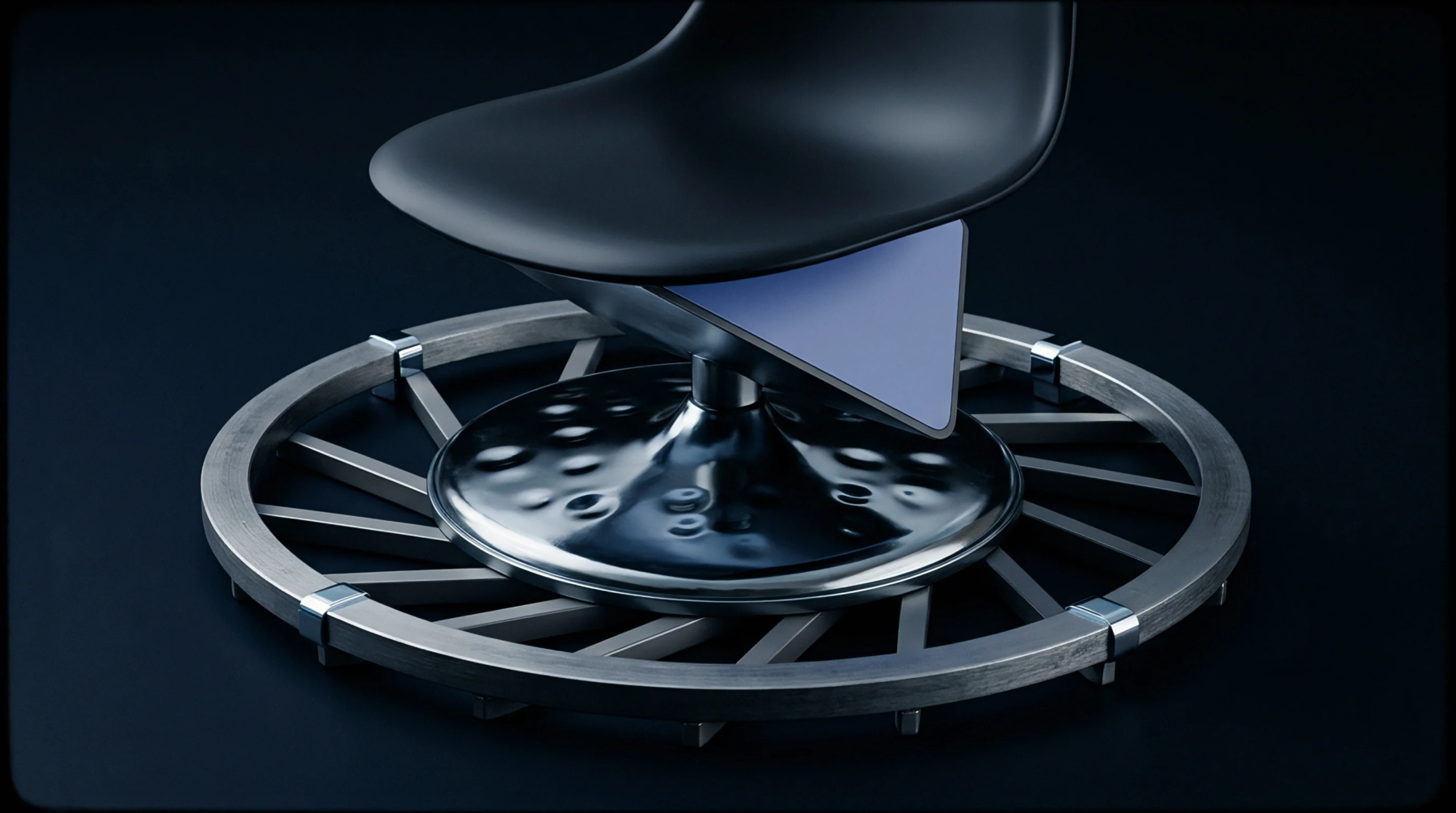
Polyethylene terephthalate ester bonds hydrolyze rapidly in melt above 270 °C, requiring drying below 30 ppm moisture to prevent intrinsic viscosity collapse.

ISO 1183 density testing determines customs tariff lines under Chapter 39; accurate classification demands exact fluid temperature control and plaque molding.
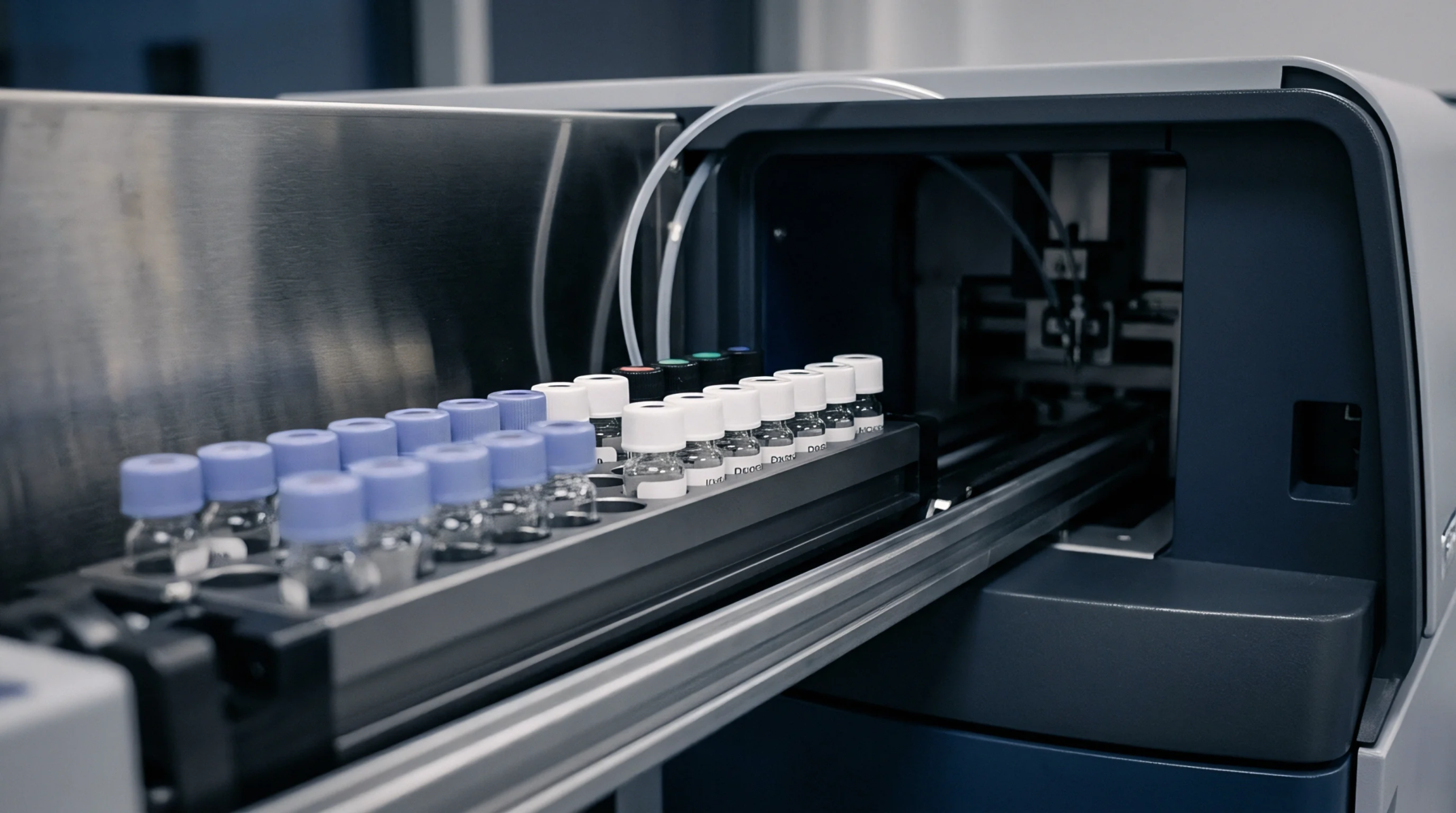
Solid-phase transesterification releases stoichiometric reaction water during vaporization coulometry, creating analytical bias that requires linear baseline deconvolution.

Cramer structural classification sets exposure thresholds for unlisted packaging migrants, turning molecular features into defensible specific migration limits.

Predicting adiabatic shear banding during high-velocity preform inflation requires coupled thermomechanical models evaluating strain hardening against rate-dependent thermal dissipation.
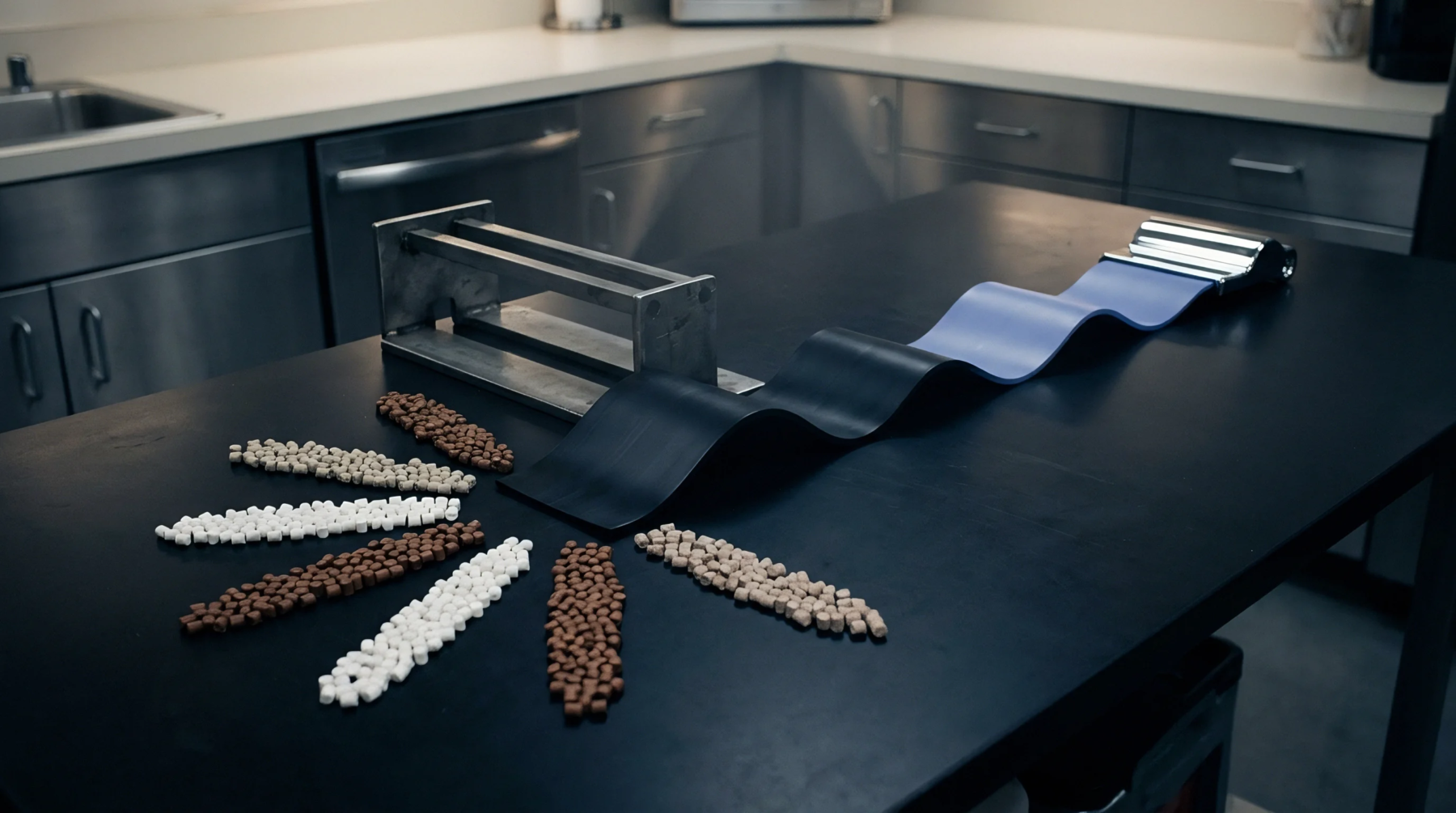
Unidentified migrants in food-contact PET above 10 ppb require structural elucidation, Cramer classification, or mutagenicity testing to establish safety.
Characterizing polymer chain scission in rPET lots requires pairing solution viscometry with end-group titration to quantify backbone loss and dryer failure.

Deriving valid PET non-target screening thresholds requires adjusting the 10 ppb toxicological limit by an empirical mass spectrometry response uncertainty factor.
A migration number without its simulant and temperature is invalid; exposure medium and thermal regime dictate diffusion and verify regulatory compliance.
Standardized NIAS calibration in PET relies on surrogate matrix-matched standards, response factor thresholds, and verified limits of detection below ten parts per billion.

Multi-party moisture disputes depend on ISO 15512 Method C baseline sampling at loading and container dew point tracking before silo transfer.
Recycled plastic food contact compliance requires rigorous surrogate challenge testing, non-target NIAS screening, and lot-traced migration verification.

Resin moisture correlates to air dew point only at thermodynamic equilibrium; diffusion kinetics and hopper dwell dynamics govern actual Karl Fischer values.
Contractual risk allocation for reprocessed resin requires rigid specification bounds, quarantine controls, and clear price deduction mechanics.

Polyester moisture extraction follows temperature-dependent Fickian diffusion, requiring dew points below minus forty degrees to prevent melt hydrolysis.
Dynamic carrier gas velocity sweeps separate trace moisture from catalyst-driven transesterification side-products during coulometric vaporization.

LC-MS/MS screening of cyclic ester oligomers in PET packaging ensures NIAS compliance and protects food contact declarations from border enforcement rejections.

Intrinsic viscosity loss in PET processing is determined by measuring dilute solution flow time or capillary melt viscosity to quantify polymer chain cleavage.
Extruding polyesters above 280°C demands moisture below 30 ppm to prevent ester hydrolysis, intrinsic viscosity loss, and catastrophic part brittleness.

Controlling micro-zone hydrolytic degradation in PET extrusion requires suppressing boundary-layer moisture below 30 ppm and limiting local shear heating spikes.

Coulometric vaporization titration under ISO 15512 Method B2 quantifies trace moisture in industrial polyesters to prevent hydrolytic degradation during melt extrusion.

Desorption testing above 160 C triggers solid phase transesterification, generating chemical water that falsifies polyester moisture readings and causes under-drying.

Temperature-stepped vaporization coulometry isolates physical water desorption from catalytic transesterification to ensure accurate low-ppm moisture determination.

Polyethylene terephthalate trace moisture determination relies on Karl Fischer coulometric oven extraction at 170 to 180 degrees Celsius to prevent chain scission.
Expertise is a utility, not a secret. sentiention™ publishes its working knowledge as open reference: intelligence layer covering the materials it sources, the markets it enters, and the reference that serves both.