
Recycled Polyolefin Oligomer Identification for Food Contact Clearance
Clearing recycled polyolefins for food contact demands HPLC-GC-FID and GCxGC-MS identification of oligomeric fractions evaluated against TTC thresholds.
Clearing recycled polyolefins for food contact demands HPLC-GC-FID and GCxGC-MS identification of oligomeric fractions evaluated against TTC thresholds.
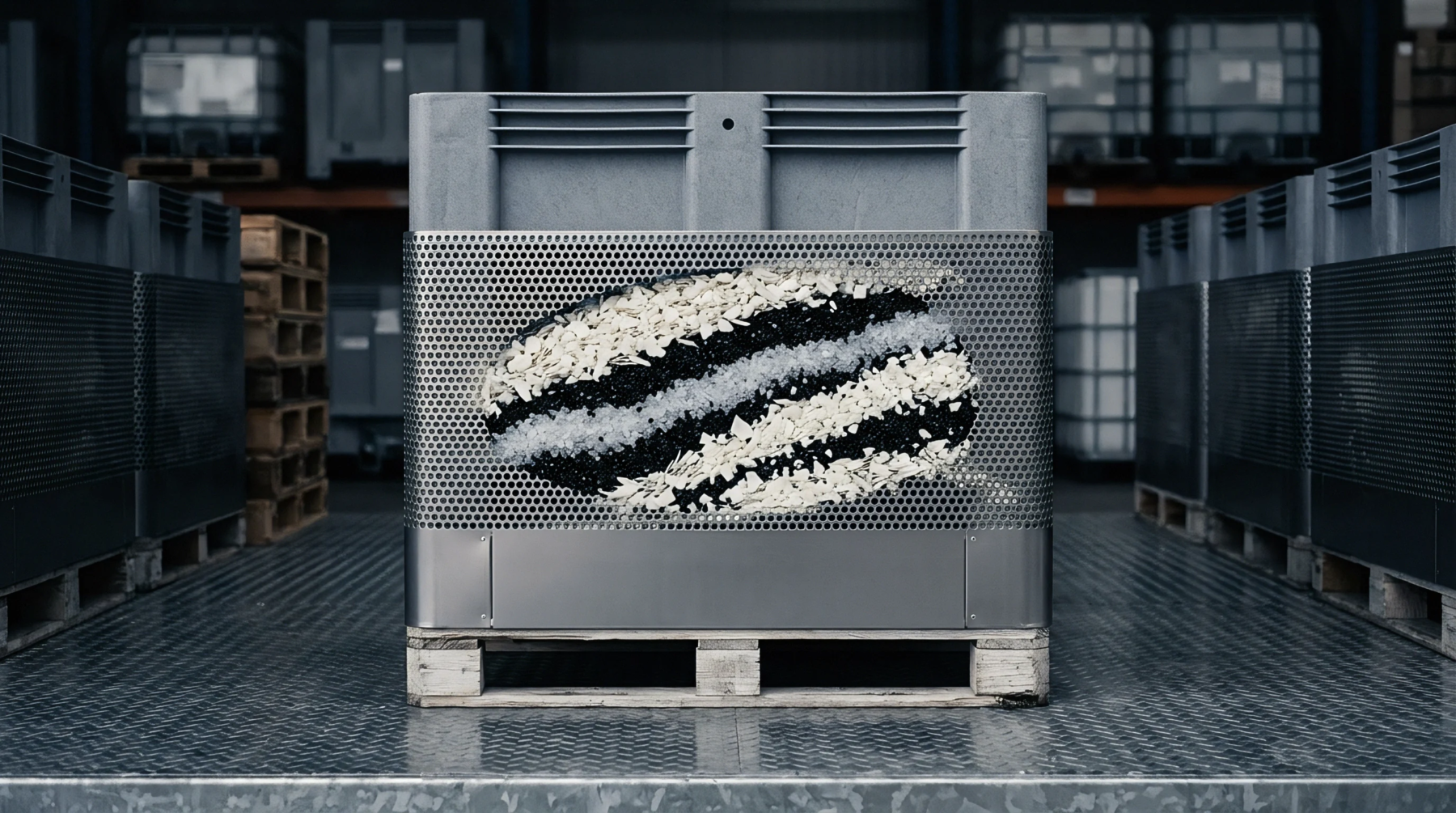
Dock acceptance of production packaging lots relies on non-target analytical screening and strict lot-specific verification behind declarations.
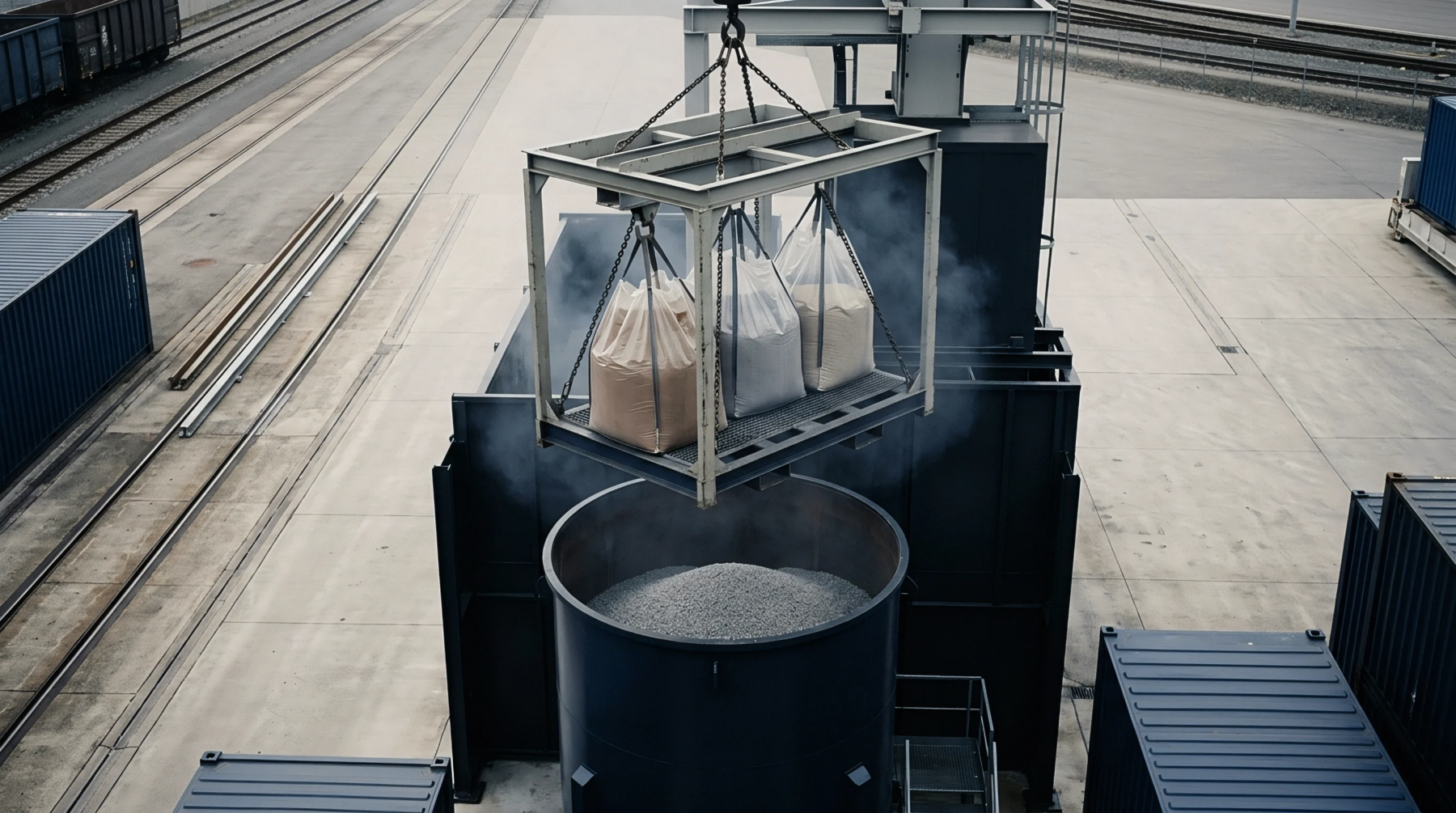
Validating food contact safety in bulk packaging relies on matching simulant test parameters to geometry and auditing chemical declarations for every additive.

Polyolefin scrap contaminant baseline screening relies on rapid spectroscopic triage, solvent extraction, and GC-MS profiling to verify food contact safety.

Polymer degradation in recycled polyolefin food contact laminates accelerates solvent extraction kinetics, requiring calibrated diffusion modeling for compliance verification.

Verifying food contact reports against resin specifications requires matching batch numbers, validating simulants, and recalculating surface contact ratios.

Co-processing plastic pyrolysis oil in steam crackers requires yield-based mass balance attribution under ISCC PLUS rules to substantiate circular claims.

Recycled plastic food contact compliance requires rigorous surrogate challenge testing, non-target NIAS screening, and lot-traced migration verification.

Surrogate calibration of cyclic polyolefin oligomers requires response factor correction to prevent massive quantification errors in food simulant compliance testing.

Non-target screening of polyolefin food contact oligomers requires dual GC-APCI and LC-HRMS analysis to resolve saturated aliphatic species below 1000 Da.

Standardized food simulant selection for polyolefins depends on food solubility, polymer swelling factors, and mandatory thermal contact windows.

High temperature polymer NIAS screening requires combined GC MS and LC HRMS untargeted profiling to detect melt degradation products above ten ppb.

Standardized NIAS calibration in PET relies on surrogate matrix-matched standards, response factor thresholds, and verified limits of detection below ten parts per billion.

Untargeted screening by GC-MS and LC-HRMS combined with Threshold of Toxicological Concern metrics establishes legal food-contact safety for recycled polyolefins.

Mass balance recycled declarations require isotopic and NIAS analytical screening to defend credit claims against border rejections and customs tax audits.

Quantitation of UV ink breakdown fragments in recycled films demands target GC-MS/LC-MS extraction paired with non-target screening for degradation products.

Chromatographic isolation of dual-use migrants from fat matrices requires GPC or SPE lipid cleanup to prevent mass spectrometry ion suppression and false negatives.

Post consumer resin compliance requires analytical screening of migrants paired with toxicological evaluation using threshold of toxicological concern models.

Quantifying unresolved polyolefin oligomer humps requires baseline-subtracted GC-FID integration and epoxidation cleanup to isolate non-intentionally added substances.
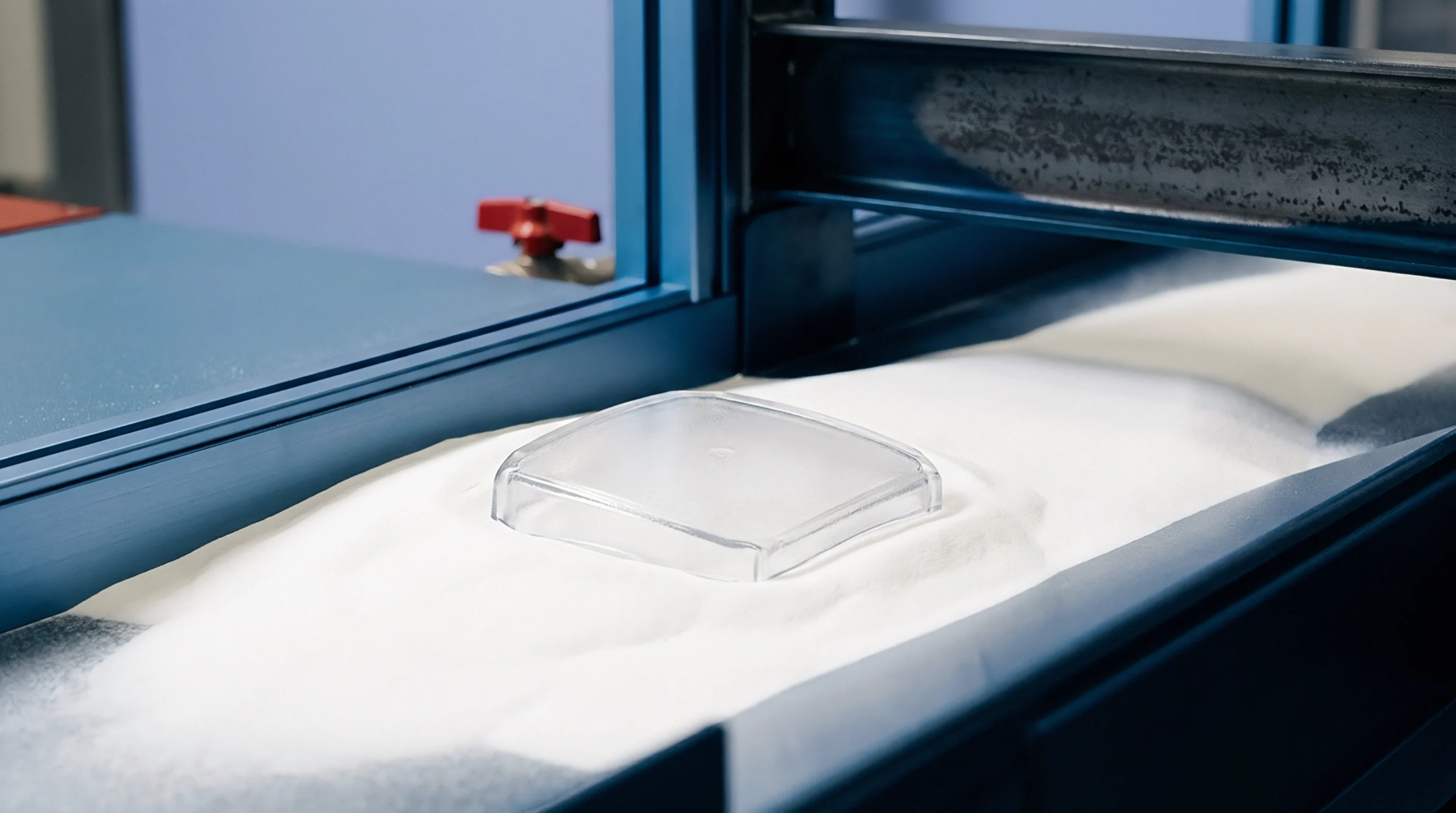
Physical testing identifies upstream pyrolysis markers, while finished mass balance resin claims depend on strict fuel-exempt bookkeeping audits.

Chinese food contact plastic declaration files require accredited GB standard migration reports, complete additive SML tracking, and strict lot traceability.
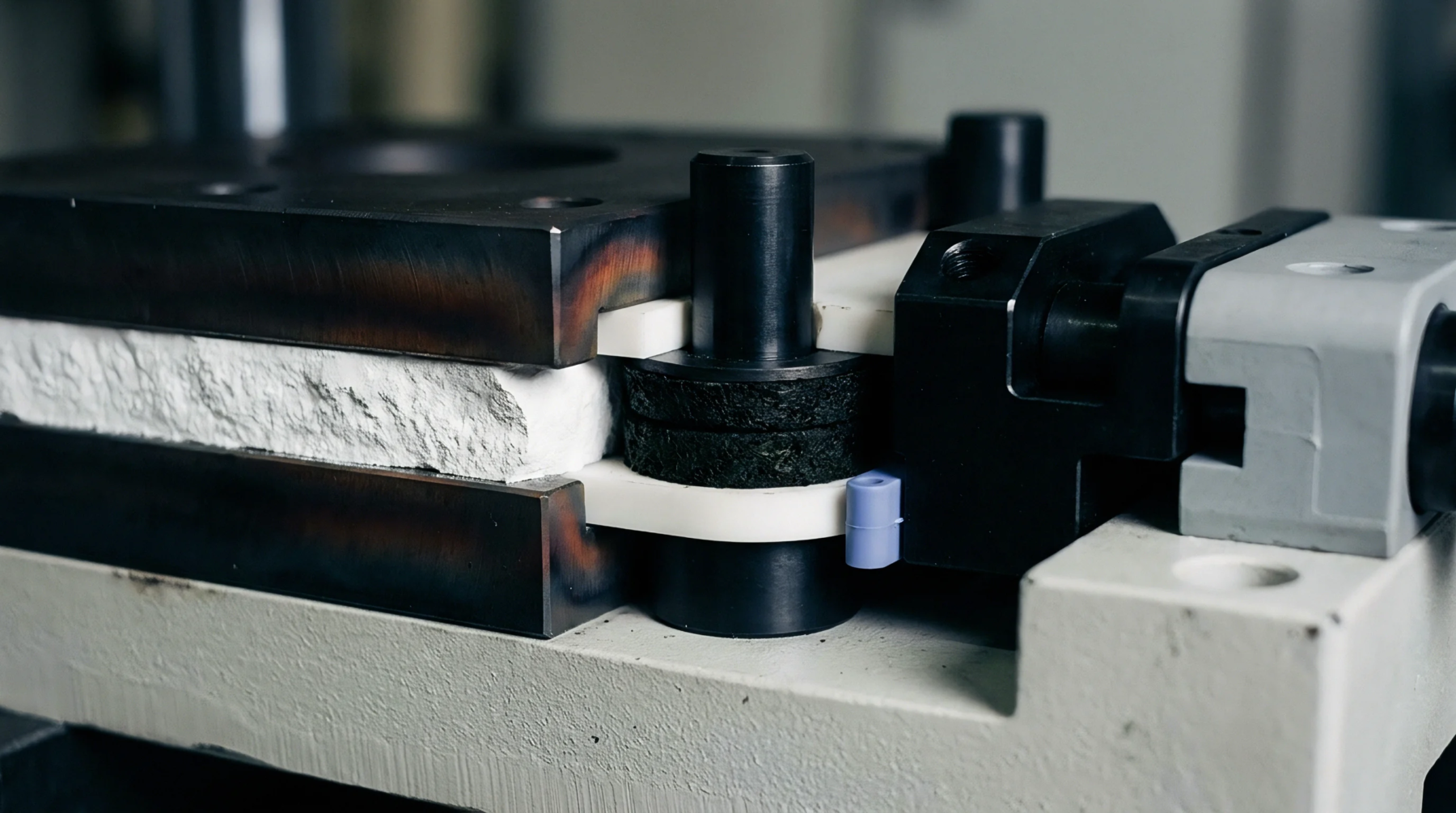
Relative response factor adjustments eliminate false-pass compliance screening for non-intentionally added substances in polyolefin recyclate packaging dossiers.

Screening polymeric minor assembly additives requires precise cryo-milling, solvent extraction, and mass spectrometry to confirm regulatory compliance limits.

Analytical traceability in co-processed olefins fails at low blend ratios, requiring administrative mass balance audit trails backed by rigorous NIAS screening.

Non-targeted GC-QTOF and LC-Orbitrap screening workflows isolate and structurally identify unknown migrants in recycled plastics to ensure food contact regulatory compliance.
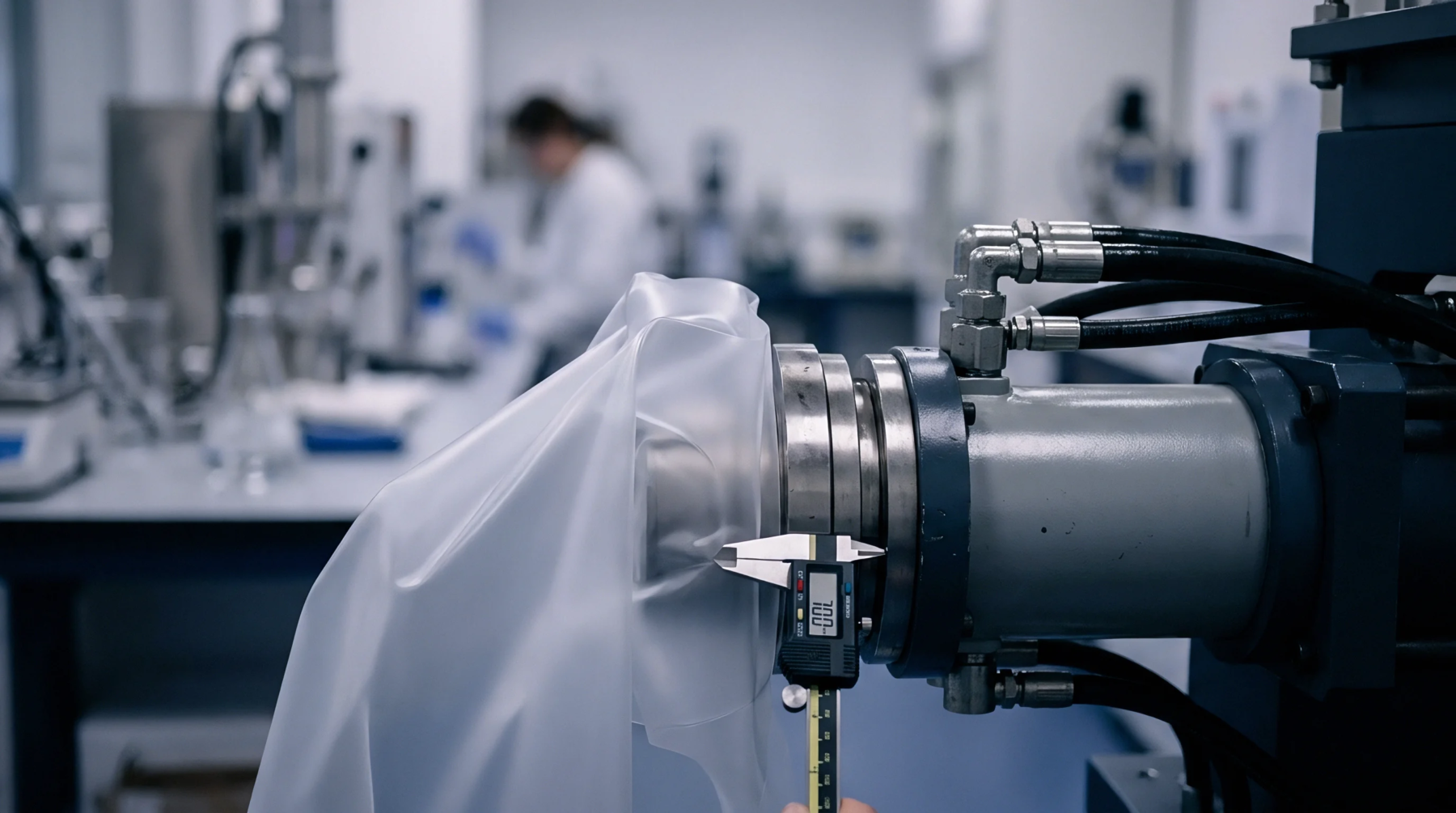
Calibrating specific diffusion activation energies reduces high-temperature migration overestimations, securing defensible food-contact compliance dossiers.
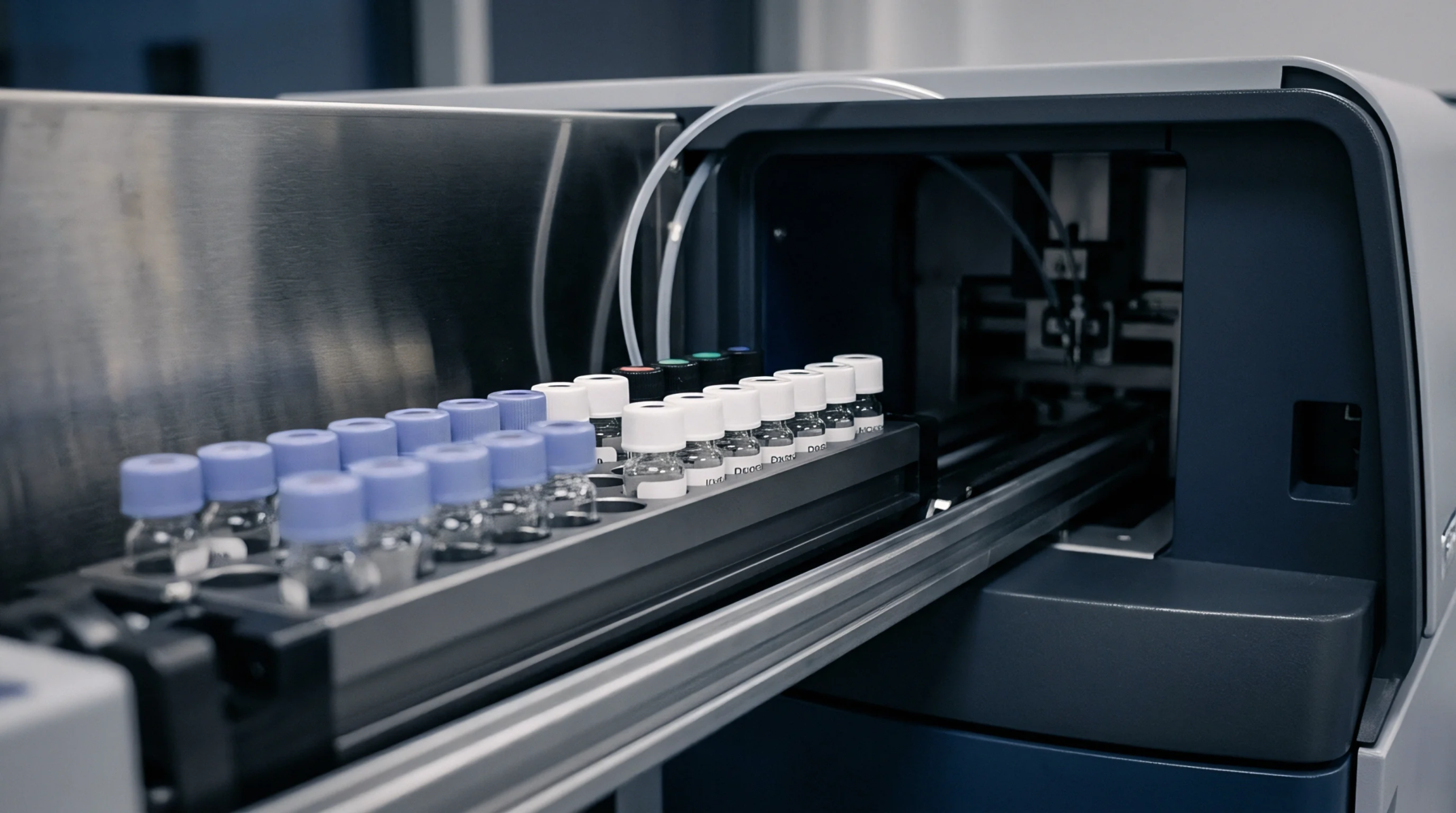
Validation of HPLC CAD enables accurate quantification of cyclic PET oligomers in food simulants through uniform aerosol response calibration.

Dynamic transport thermal stress drives volatile non-intentionally added substance migration to polyolefin pellet surfaces, invalidating static 40°C compliance declarations at import borders.

Verify migration compliance using finished container single-sided cell tests, worst-case simulant conditions, and batch-matched documentation.
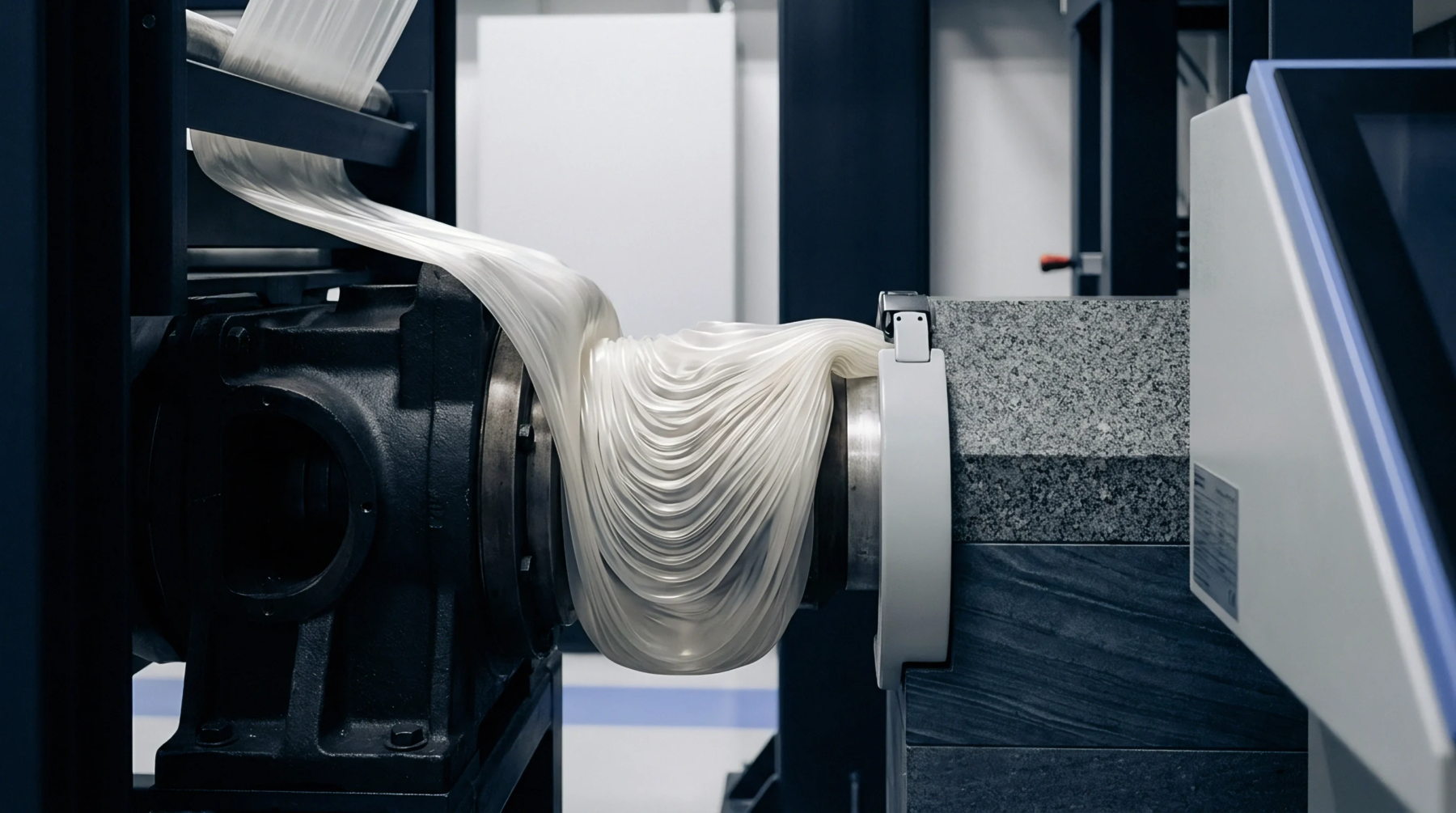
A migration number without its simulant and temperature is invalid; exposure medium and thermal regime dictate diffusion and verify regulatory compliance.
Expertise is a utility, not a secret. sentiention™ publishes its working knowledge as open reference: intelligence layer covering the materials it sources, the markets it enters, and the reference that serves both.