
Quantifying Photoinitiator Migration Kinetics in Polyolefin Packaging Stacks
Quantifying photoinitiator migration in polyolefin stacks requires coupled Fickian diffusion modeling and LC-MS/MS verification to control set-off and trans-barrier flux.
Quantifying photoinitiator migration in polyolefin stacks requires coupled Fickian diffusion modeling and LC-MS/MS verification to control set-off and trans-barrier flux.

Statistical uncertainty factors for polymer screening convert standard response factor variance into lower tolerance bounds that prevent non-target false negatives.

Deriving ionization efficiency models corrects electrospray response variations in non-targeted NIAS screening, preventing false negatives in recycled resin audits.

EU food simulant and condition selection requires matching food chemistry and thermal exposure to Regulation 10/2011 matrices to secure legal market access.

Polyolefin oligomer screening requires coupled LC-GC-FID quantification of POSH and POAH fractions below ten parts per billion using matched food simulants.
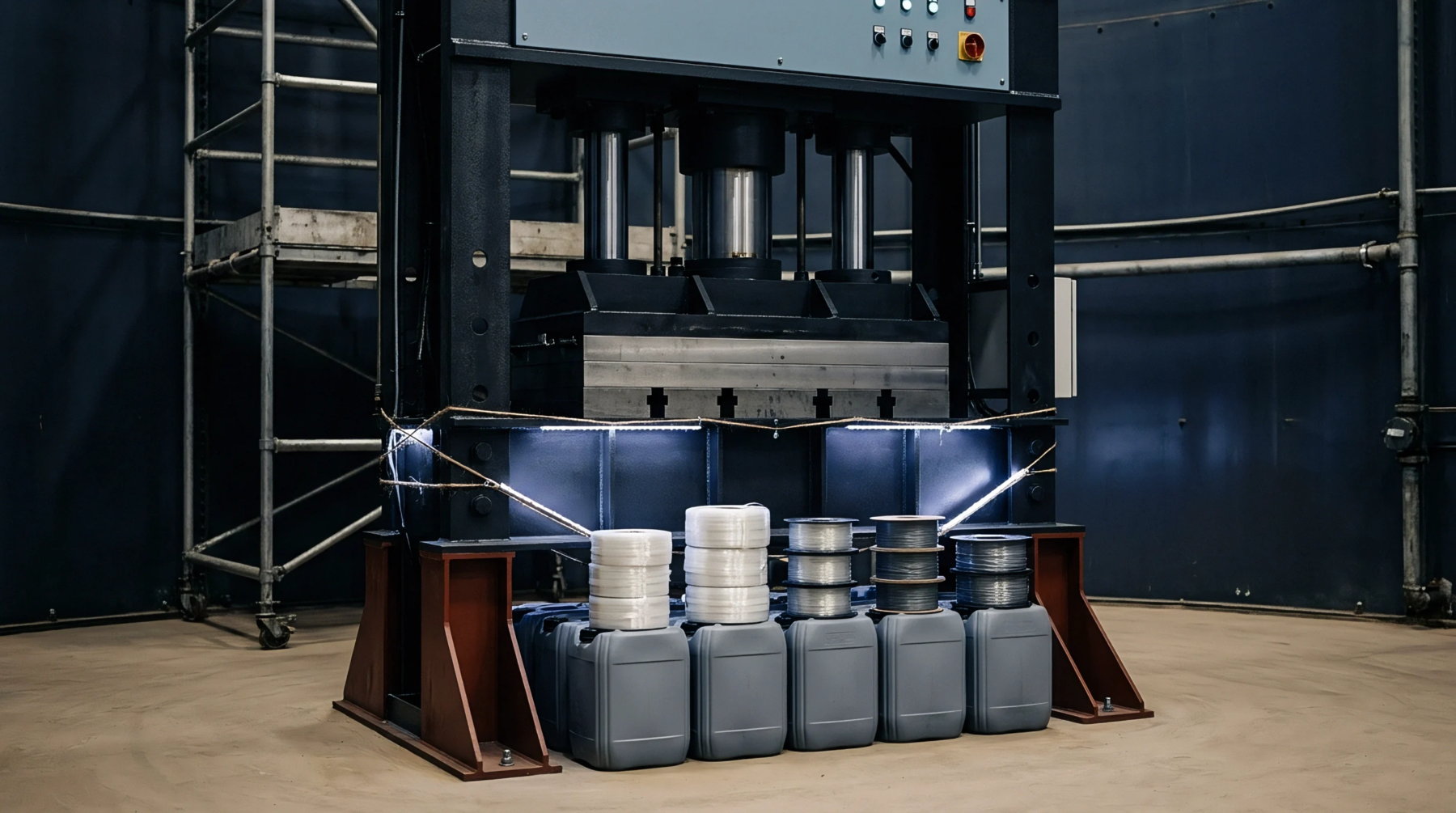
Verify photoinitiator compliance in recycled HDPE via GC-MS/MS extraction and ten-day migration testing under 10 ppb thresholds before signing declarations.

ISO 22095 mass balance compliance demands empirical stoichiometric yield factors, strict physical transport boundaries, and zero unbacked multi-site credit transfers.

Non-targeted HRMS screening of masterbatches under realistic thermal profiles closes analytical gaps that supplier raw-material declarations leave open.

Screening unknown volatile migrants demands thermal liberation, high-resolution spectral deconvolution, worst-case mass balance, and toxicological hazard assignment against threshold limits.

Analytical screening of HDPE consignments requires solvent extractions, GC-MS profiling, and diffusion modeling to verify food contact compliance before release.

Mitigate HRMS response factor uncertainty in rPET compliance by replacing single surrogates with class-matched standards and predictive ionization algorithms.

Deriving valid PET non-target screening thresholds requires adjusting the 10 ppb toxicological limit by an empirical mass spectrometry response uncertainty factor.

Apply 0.01 mg/kg food screening thresholds to non-target polyolefin extracts using high-resolution mass spectrometry and response factor uncertainty multipliers.

Verifying post-consumer recycled plastic content for European tax exemptions requires paired analytical testing and EN 15343 mass balance auditing.

Standardized relative response factor uncertainty distributions correct non-target screening thresholds, preventing under-quantification of polymer migrants.

Semi-quantitative response factors for unknown polymer migrants require response factor distribution analysis and empirical safety multipliers to prevent toxicological underestimation.

Closed loop polyolefin recycling relies on calculated purge rates and non-target screening to hold non-intentionally added substance migration under limits.

Analytical screening of additive degradation products in rigid packaging demands hyphenated mass spectrometry matched against finished container migration testing.

Compliance relies on matching food simulants to actual contact conditions, verifying specific migration limits, and auditing complete batch supply chains.

Clearance of imported food packaging requires matching exact batch lot numbers across invoices, declarations of conformity, and ISO 17025 accredited migration test reports.

Resolving unknown photoinitiator residues in recycled polyolefins demands coupled GC-MS and LC-HRMS screening anchored to a ten microgram per kilogram migration threshold.

Quantifying trace migrant compliance in post-consumer resins requires modeling sampling heterogeneity and analytical variance to establish guardbanded decision rules.

Chromatographic deconvolution requires silver nitrate epoxidation or GCxGC-TOF-MS fragment ratios to isolate polyolefin oligomers from mineral oil limits.

Recycled polyolefin food contact compliance demands targeted screening for photoinitiators to prevent set-off contaminants from exceeding specific migration limits.

Non-targeted screening workflows require orthogonal GC-MS and LC-HRMS platforms to detect volatile, non-volatile, and adhesive oligomer migrants down to an analytical evaluation threshold derived from toxicological thresholds of concern.

Converters resolve masterbatch secrecy through third party compliance trusts and standardized specific migration testing protocols.

Sourcing thin-wall PP homopolymer demands qualifying melt flow rates above 60 g/10 min while auditing peroxide residues to protect mechanical impact.

Migration values in ethanol or isooctane simulants overestimate low-density polyolefin release by up to three hundred percent while underreporting polar NIAS transfer into emulsified foods.
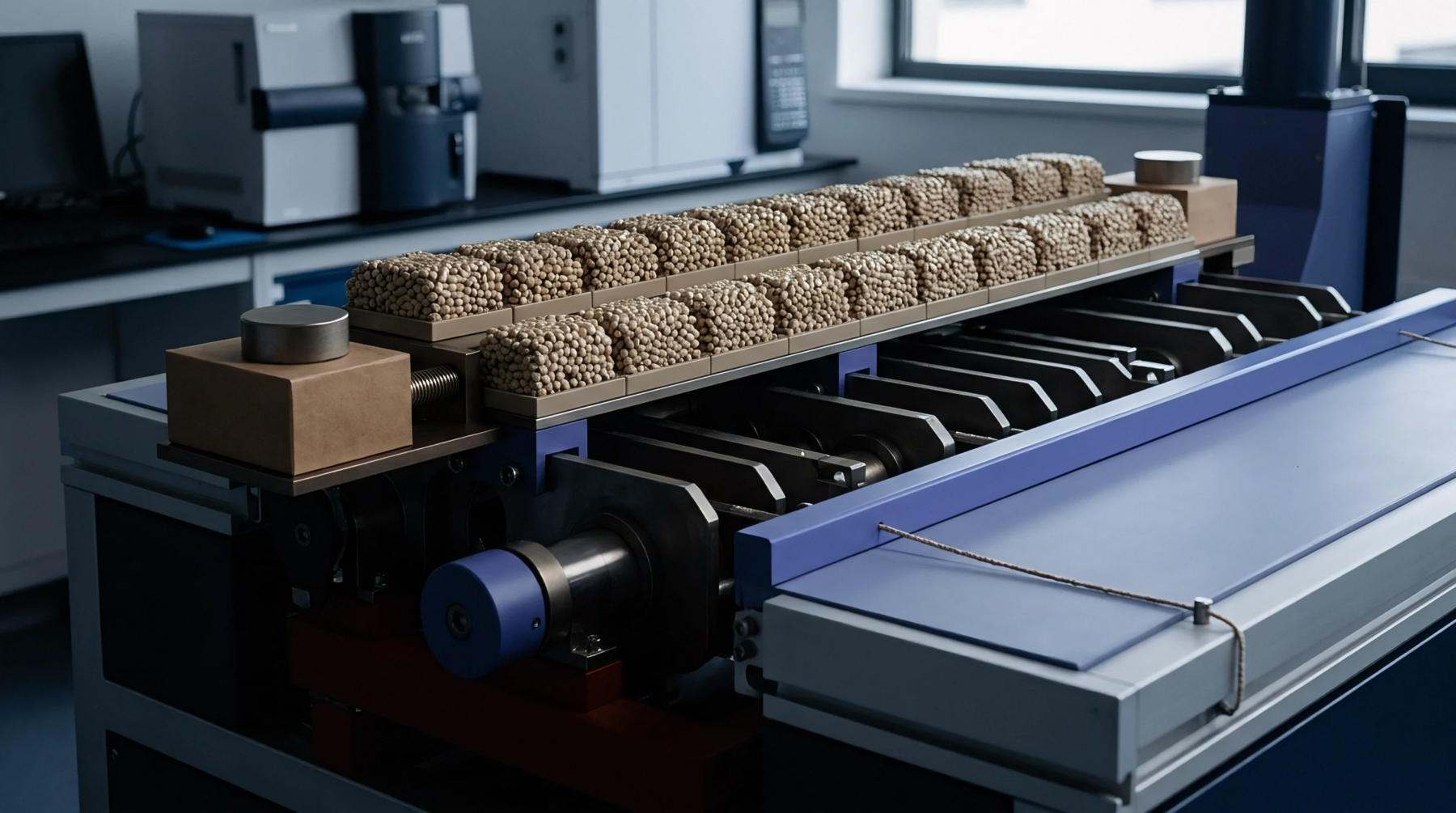
Quantifying dual-use additive migration in multicavity components requires cavity-isolated testing under worst-case shear and thermal conditions.

Verifying food contact compliance for polymer granulates connects batch migration test data to resin chemistry, valid declarations, and specific end-use limits.
Expertise is a utility, not a secret. sentiention™ publishes its working knowledge as open reference: intelligence layer covering the materials it sources, the markets it enters, and the reference that serves both.