
Recycled Content Claims Priced into a Packaging Tax Line
Recycled content tax claims require lot-specific EN 15343 audit trails and migration reports to withstand customs audits and avoid retroactive landed tax liabilities.
Recycled content tax claims require lot-specific EN 15343 audit trails and migration reports to withstand customs audits and avoid retroactive landed tax liabilities.

Border rejection notifications provide empirical chemical failure data to screen foreign packaging suppliers, update lot sampling rates, and enforce contract indemnities.

Testing plastic food contact articles under China GB 4806 and EU Regulation 10/2011 requires harmonizing simulant choices, thresholds, and batch trace files.
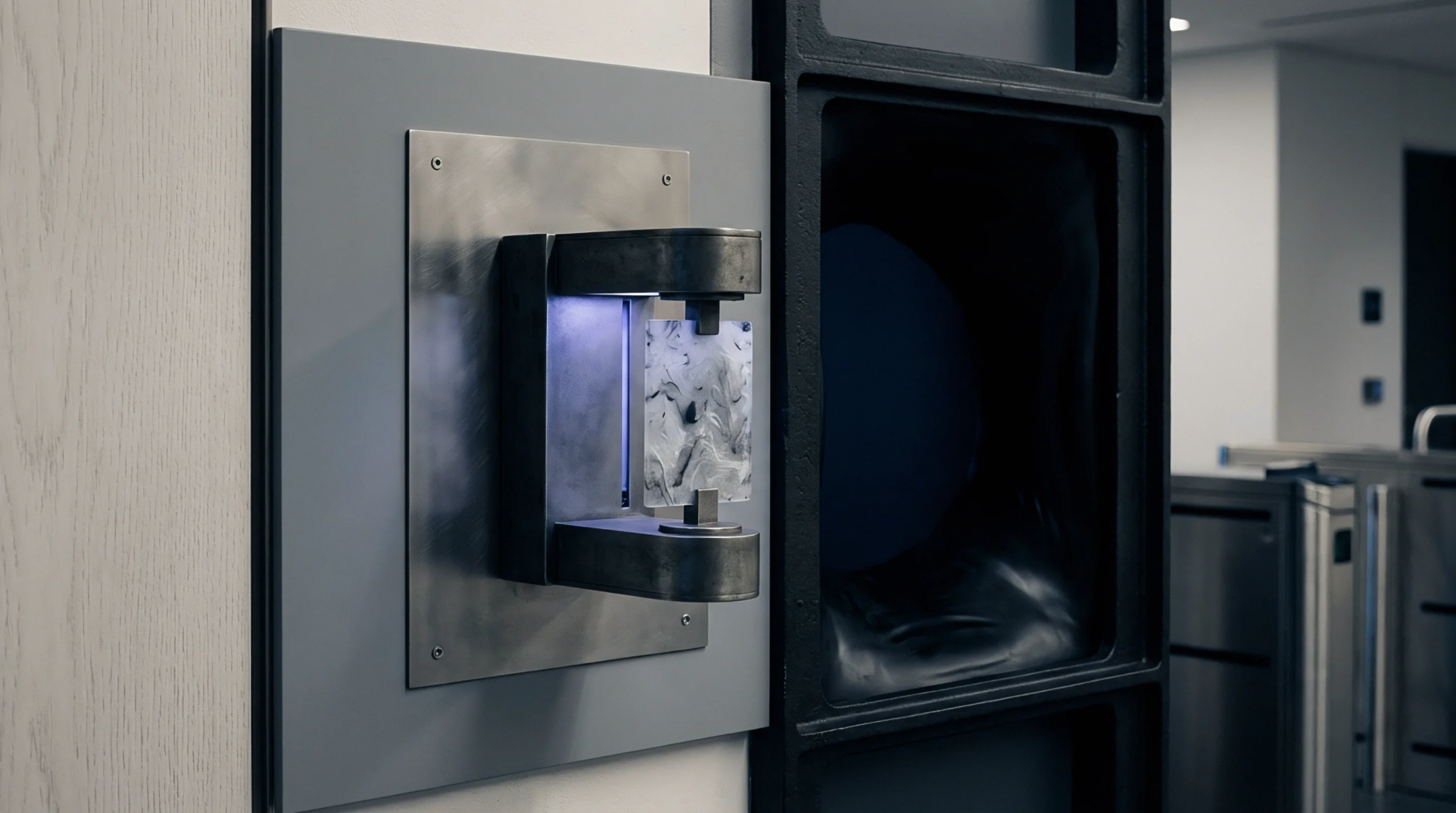
Analytical screening for recycled polyolefin food contact articles requires mass spectrometry thresholds below 10 ppb to prove compliance under EU rules.

Verify primary aromatic amine compliance by demanding LC-MS/MS test reports for finished converted articles tested in 3% acetic acid under batch-matched DoCs.

Thermal breakdown of aromatic polyurethane packaging adhesives during heat sealing and retort generates primary aromatic amines requiring LC-MS/MS verification under EU food contact rules.

Verify bulk container lots against test certificates using statistical ISO 2859-1 sampling and simulant migration screening before releasing payment.

Uncured printing ink components transfer mechanically onto unprinted food contact surfaces under reel pressure, requiring strict migration testing against specific regulatory limits.
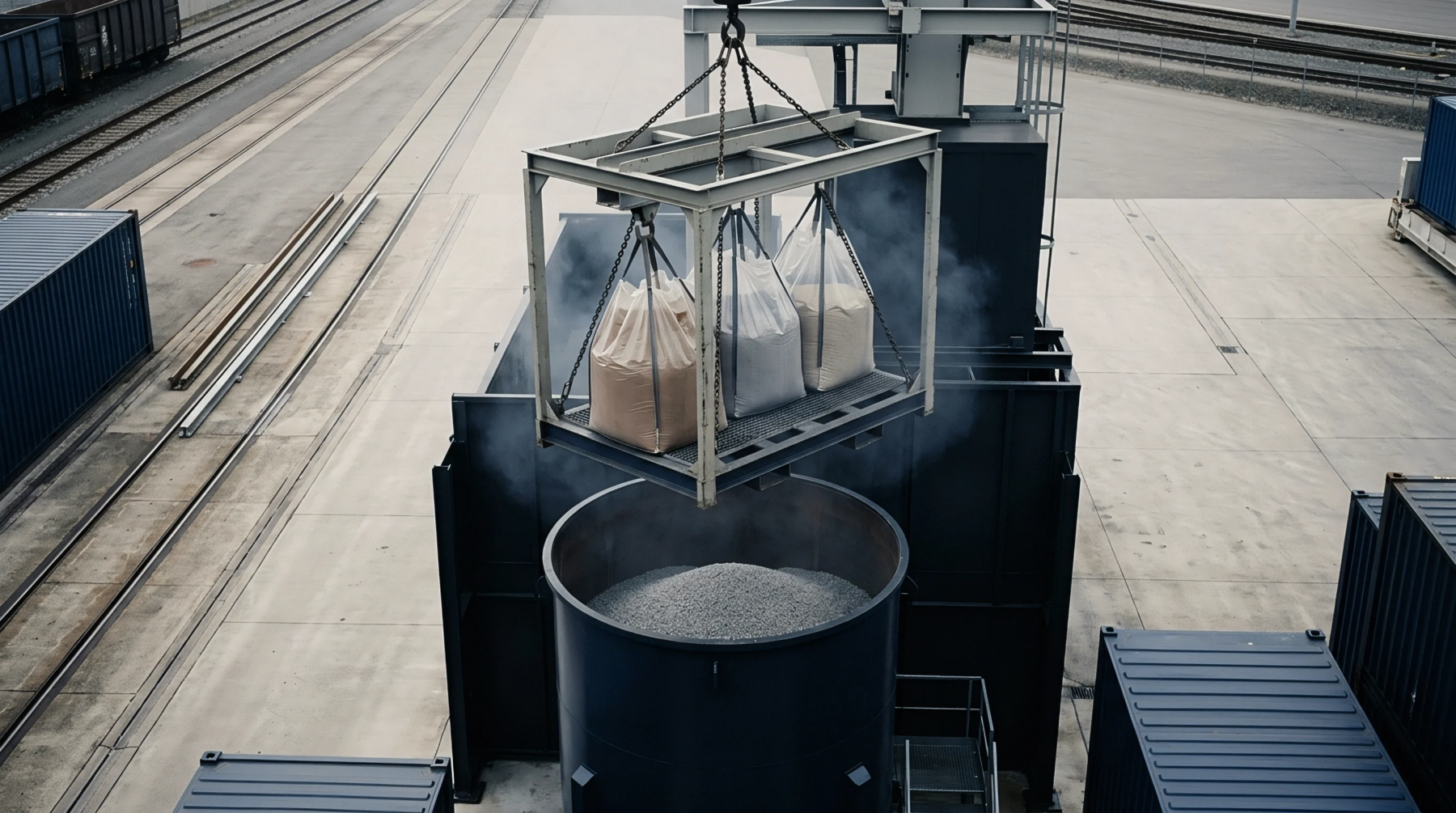
Recycled packaging tax exemptions demand verifiable post-consumer batch evidence, leaving mass balance certificates vulnerable to customs duty clawbacks.

Non-target mass spectrometry combined with toxicological threshold evaluation verifies that recycled plastic packaging meets mandatory food-contact safety limits.

Chemical compliance for plastic parts requires verified migration testing, full declaration chains, and REACH substance limits to avoid customs rejections.

Quantification of non-intentionally added substances in recycled polyolefins requires structural class calibration to overcome mass spectrometry response variances.

Recycled polyolefin NIAS compliance requires high-resolution mass spectrometry screening paired with Cramer structural toxicological limits down to 0.15 ppb.

Verify post-consumer polyolefin food-contact safety by combining high-resolution untargeted GC/LC-MS screening with TTC toxicological evaluation down to 10 ppb.
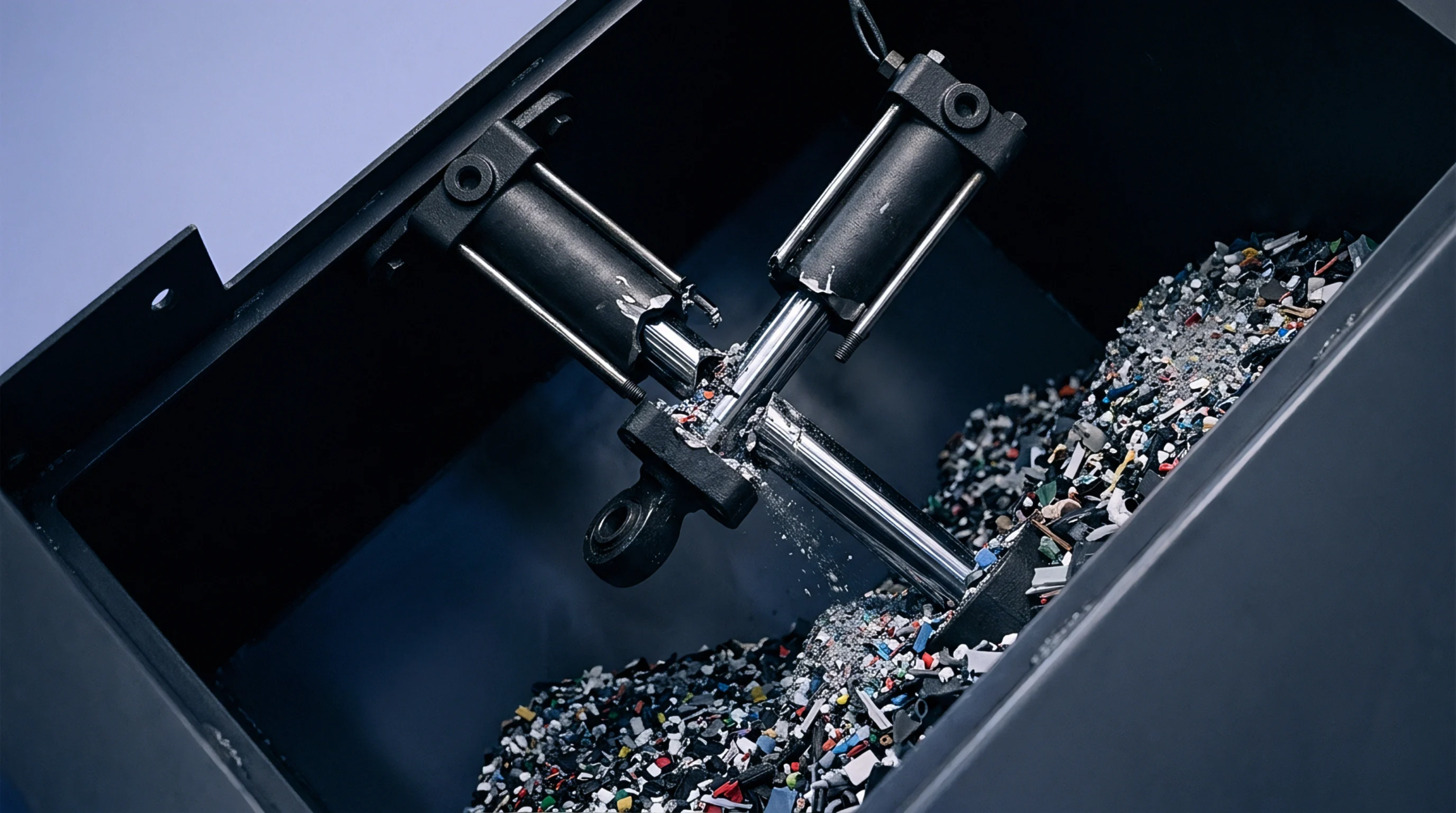
Deriving standardized toxicological concern thresholds for unidentified recycled polyolefin oligomers requires splitting migrated mass at 1000 Daltons and applying Cramer Class III limits to the bioavailable fraction.

Dual-use packaging additives demand verification against direct food additive purity and migration limits to prevent compliance failures downstream.

Recycled film compliance requires high-resolution screening and toxicological risk assessment of photoinitiator fragments formed during extrusion re-granulation.

Secondary plastic compliance requires analytical batch testing, Article 6 End-of-Waste validation, and REACH SCIP candidate list disclosures for all lots.

Verifying non-intentionally added substances in recycled plastics demands high-resolution mass spectrometry screening, toxicological threshold mapping, and batch-specific compliance dossiers.

Food contact declarations for custom molded plastics require finished part migration testing to cover processing degradation and additive changes beyond raw resin certificates.

Analytical migration parameters depend on simulant polarity, exposure duration, thermal control, and chromatographic screening against specific migration limits.

High-resolution mass spectrometry screening quantifies unknown polyolefin oligomers using class-matched surrogate standards and conservative response factor multipliers.

Non-target HRMS screening combined with toxicological threshold evaluation provides the empirical basis for verifying recycled plastic safety before market entry.

Base polymer declarations certify monomer purity at the reactor gate but omit all converter additives, breakdown products, and finished article migration limits.

Auditing food contact declarations requires matching batch numbers to accredited migration reports, verifying worst-case simulant choices, and testing NIAS.

Verify bulk plastic packaging against pre-production certificates using lot-specific AQL dock sampling, ATR-FTIR screening, and full DoC dossier traceability.
Verify recycled polyolefin food contact clearance by combining LC-GC-FID quantification of C10-C50 oligomers with toxicological screening under Cramer Class thresholds.

Deriving polyolefin hydrocarbon hump compliance requires LC-GC-FID fraction isolation and Cramer Class derivation to set verifiable limits against migration test data.

Sub-1000 Da polyolefin bioaccessibility requires preparative SEC isolation, micellar digestion extraction, GCxGC-HRMS identification, and compliance validation.

Groundwork for identifying non-intentionally added photoinitiators in polyolefins requires high-resolution mass spectrometry and toxicological screening.
Expertise is a utility, not a secret. sentiention™ publishes its working knowledge as open reference: intelligence layer covering the materials it sources, the markets it enters, and the reference that serves both.