Meaning
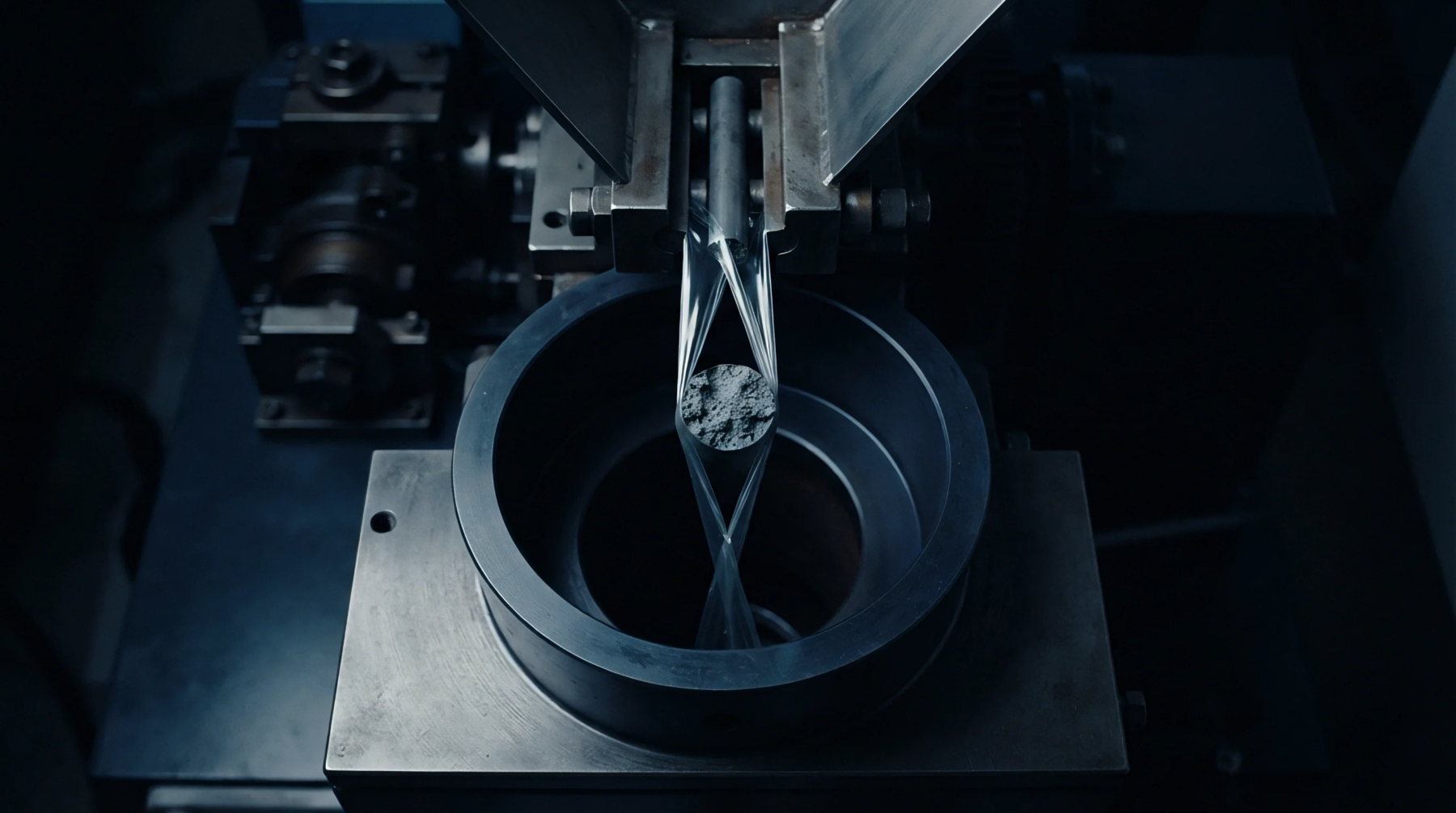
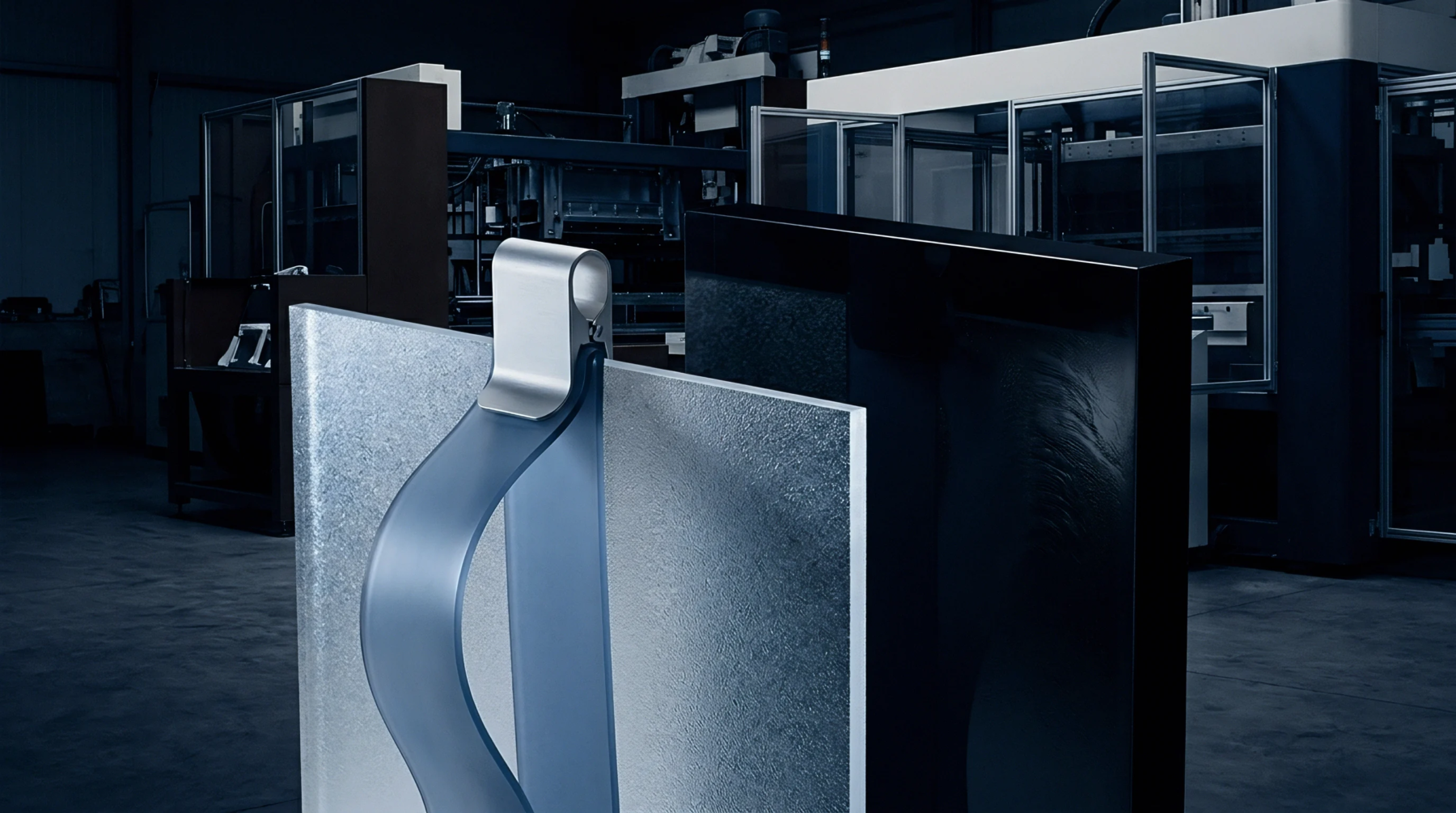
Carbon fibre reinforcement serves as a rigid structural high modulus material category defined by thermal stability and tensile strength within advanced composite manufacturing frameworks. The tenax brand designation identifies specific polyacrylonitrile based fibres calibrated for aerospace and automotive load bearing applications. These synthetic filaments withstand extreme heat degradation while maintaining directional stiffness across reinforced thermoplastic and thermoset matrices.
Chemical resistance remains stable under prolonged exposure to corrosive environments. Industrial classification relies upon the gauge of the filament and the sizing chemistry applied to the surface for adhesion control. Production logic dictates that the fibre orientation governs the load path efficacy of the final moulded part.
This boundary separates pure carbon reinforcement from glass or aramid alternatives.
Thermal Stability
High temperature performance defines the operational window for components shaped with these fibres. Internal structure maintains atomic bonds during rapid heating cycles within an injection mould or an autoclave. When the processing heat exceeds the glass transition temperature of the surrounding resin, the fibre prevents structural creep.
Such dimensional consistency ensures that the part geometry remains fixed despite environmental fluctuations. Precision in temperature control during the initial curing phase prevents internal stress concentration at the interface between the resin and the fibre. Small errors in heating profiles lead to microvoids that weaken the composite cross section.
Consistent heating prevents premature polymer degradation which otherwise causes part brittleness and structural failure under load.
Resin Integration
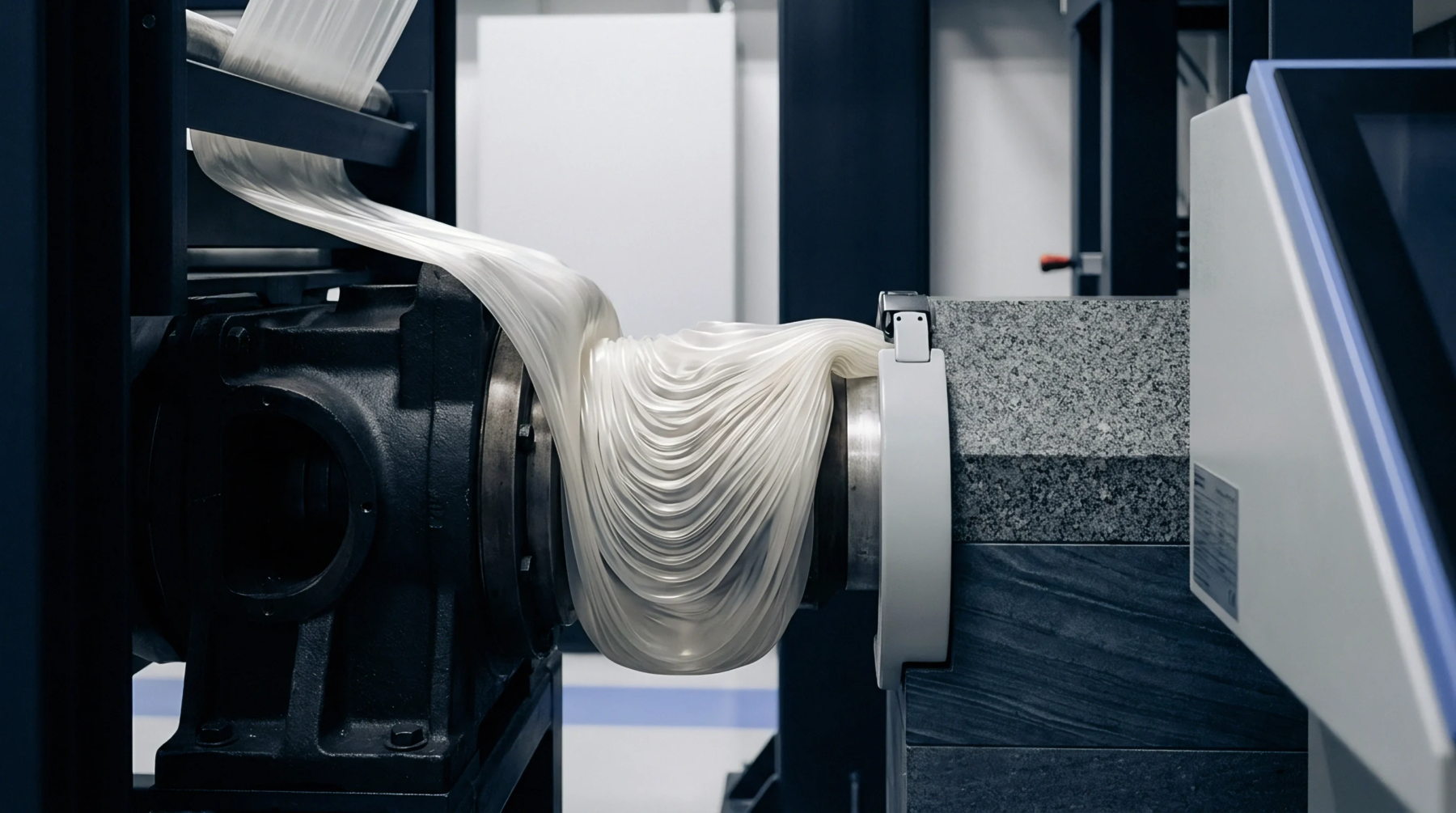
Proper wetting of the surface governs the bond strength between the filament and the matrix material. Manufacturers apply specific sizing agents to improve the chemical interaction between the non polar carbon surface and the polar thermoplastic resin. Poor wetting creates an insulating layer that prevents efficient stress transfer from the resin to the reinforcement.
Mechanical testing confirms that inadequate adhesion reduces the fatigue life of the completed component. Moulders track the melt flow rate to ensure the resin fully encapsulates the fibre bundles without moving the orientation out of the intended load path. Excessive shear forces in the screw or the nozzle break the long filaments into shorter segments.
These shorter segments significantly reduce the mechanical properties of the finished product compared to the virgin raw material specifications.
Material Economics
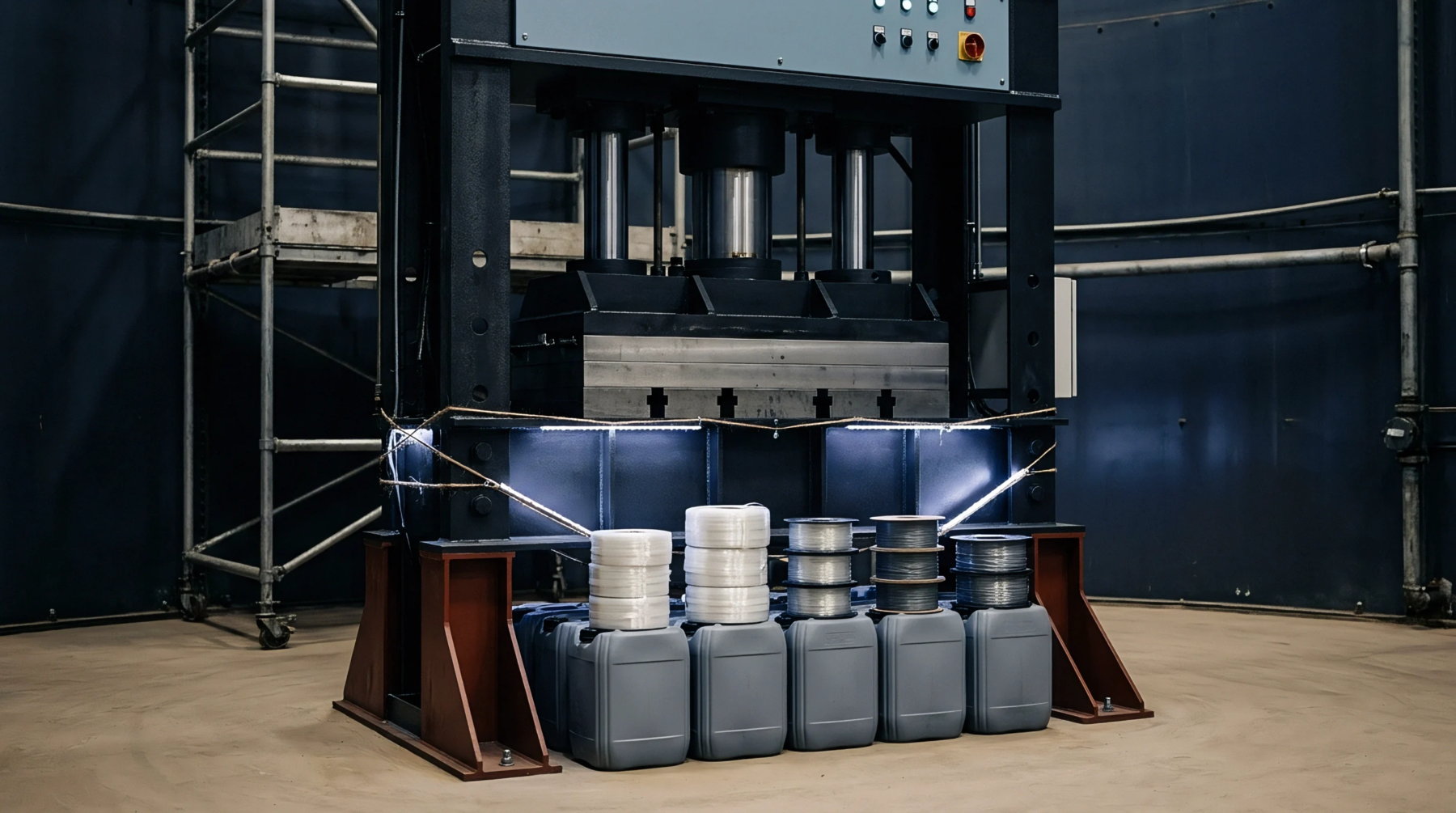
Regrind integration into production streams requires careful calibration to manage the loss of physical properties in recycled thermoplastic parts. Each cycle through the plastication unit shortens the average fibre length, leading to a measurable decline in tensile modulus and impact resistance. Procurement managers distinguish between virgin material used for primary structural components and regrind batches relegated to secondary housings.
Accurate tracking of the pass count through the injection process provides the only reliable metric for predicting the remaining structural performance of the part. Moulders establish a strict ratio of virgin to regrind to keep the mechanical variability within the tolerances set by the design engineer. Tenax identifies the material quality limit and controls the structural integrity of the final composite output.