
Border Rejection Notifications Read as Supplier Screening Data
Border rejection notifications provide empirical chemical failure data to screen foreign packaging suppliers, update lot sampling rates, and enforce contract indemnities.
Border rejection notifications provide empirical chemical failure data to screen foreign packaging suppliers, update lot sampling rates, and enforce contract indemnities.

Analytical screening for recycled polyolefin food contact articles requires mass spectrometry thresholds below 10 ppb to prove compliance under EU rules.

Thermal breakdown of aromatic polyurethane packaging adhesives during heat sealing and retort generates primary aromatic amines requiring LC-MS/MS verification under EU food contact rules.
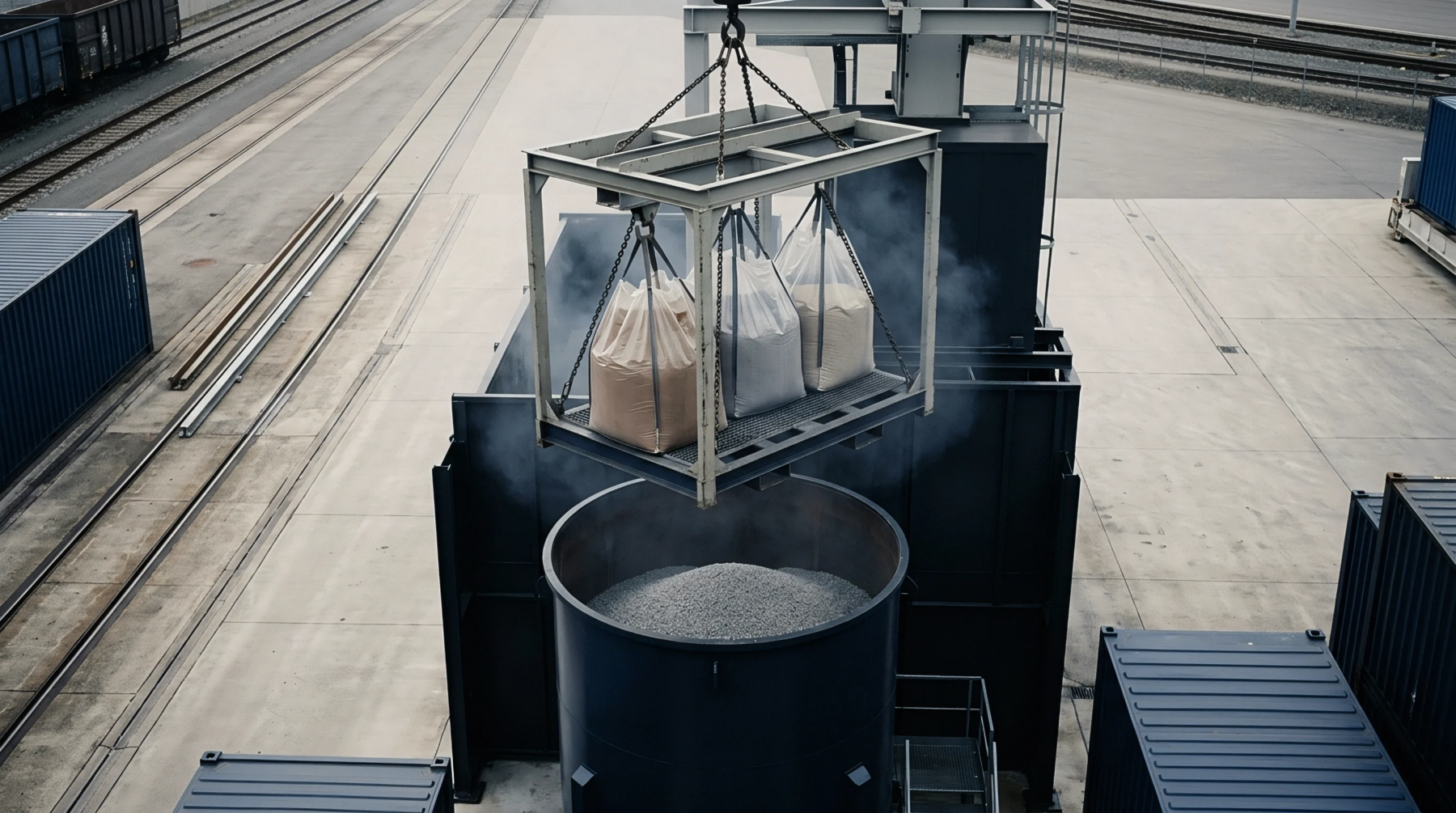
Recycled packaging tax exemptions demand verifiable post-consumer batch evidence, leaving mass balance certificates vulnerable to customs duty clawbacks.

Non-target HRMS screening combined with toxicological threshold evaluation provides the empirical basis for verifying recycled plastic safety before market entry.

Verify bulk plastic packaging against pre-production certificates using lot-specific AQL dock sampling, ATR-FTIR screening, and full DoC dossier traceability.

Groundwork for identifying non-intentionally added photoinitiators in polyolefins requires high-resolution mass spectrometry and toxicological screening.

Ionization efficiency matrix corrections convert high-resolution mass spectrometry peak areas into accurate migrant concentrations, preventing false compliant packaging declarations.
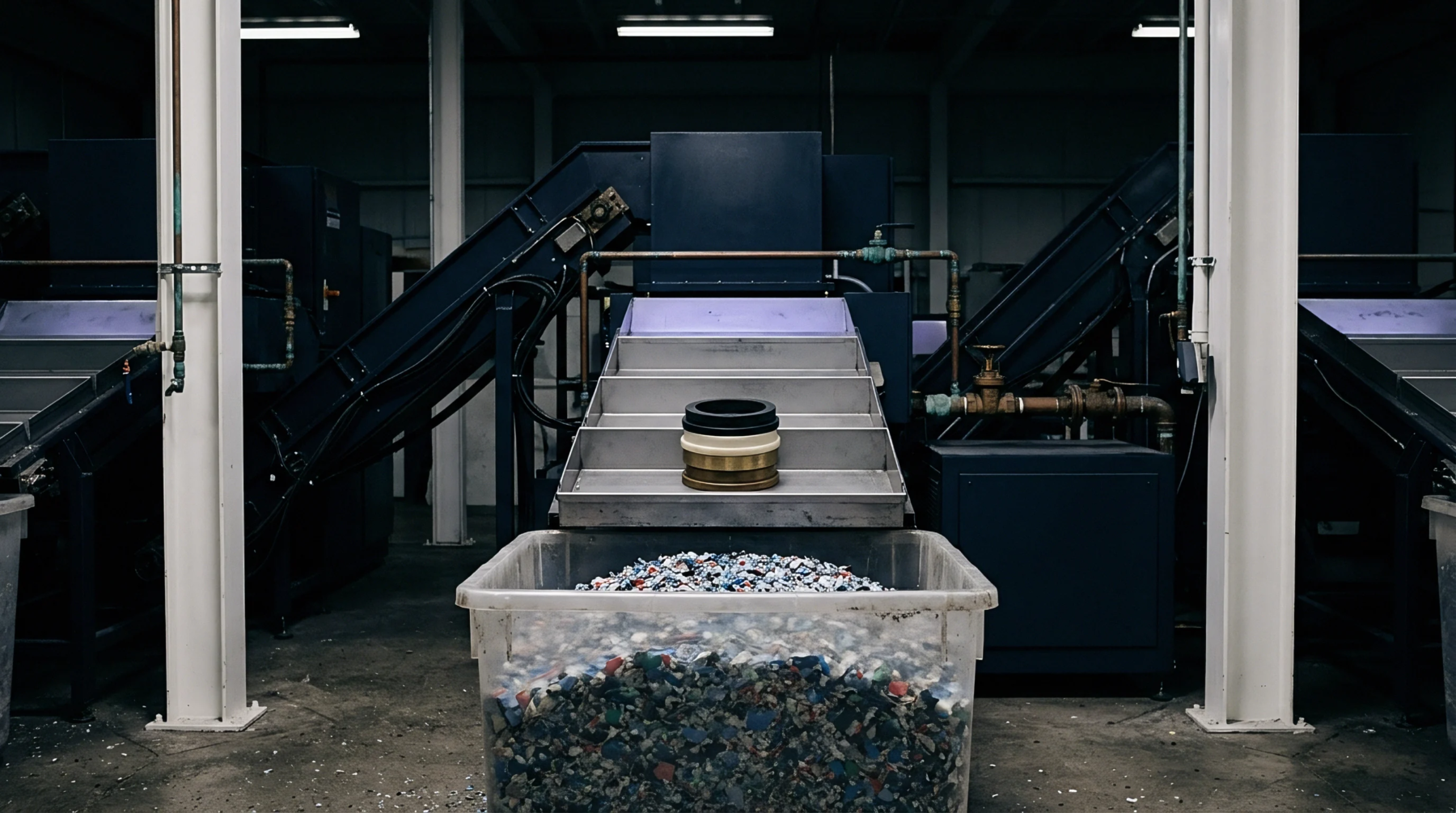
Polyolefin food contact validation requires surrogate challenge testing demonstrating matrix devolatilization down to safe migration thresholds under worst-case parameters.

Reconciling supplier additive disclosures with NIAS risk assessments requires non-targeted screening, TTC calculations, and confidential third-party audits.

Unidentified extraction peaks in recycled polyolefins require GC-MS/LC-HRMS screening and TTC toxicological evaluation to secure cross-border compliance.

Verifying food contact compliance for polymer granulates connects batch migration test data to resin chemistry, valid declarations, and specific end-use limits.

Migration values in ethanol or isooctane simulants overestimate low-density polyolefin release by up to three hundred percent while underreporting polar NIAS transfer into emulsified foods.

Sourcing thin-wall PP homopolymer demands qualifying melt flow rates above 60 g/10 min while auditing peroxide residues to protect mechanical impact.

Machine learning models correct electrospray response factors for polymeric migrants, preventing gross underestimation of NIAS concentrations in food contact compliance filings.

Verifying post-consumer recycled plastic content for European tax exemptions requires paired analytical testing and EN 15343 mass balance auditing.

Mitigate HRMS response factor uncertainty in rPET compliance by replacing single surrogates with class-matched standards and predictive ionization algorithms.

Analytical traceability in co-processed olefins fails at low blend ratios, requiring administrative mass balance audit trails backed by rigorous NIAS screening.

Chromatographic isolation of dual-use migrants from fat matrices requires GPC or SPE lipid cleanup to prevent mass spectrometry ion suppression and false negatives.

Quantitation of UV ink breakdown fragments in recycled films demands target GC-MS/LC-MS extraction paired with non-target screening for degradation products.

Mass balance recycled declarations require isotopic and NIAS analytical screening to defend credit claims against border rejections and customs tax audits.

High temperature polymer NIAS screening requires combined GC MS and LC HRMS untargeted profiling to detect melt degradation products above ten ppb.

Polymer degradation in recycled polyolefin food contact laminates accelerates solvent extraction kinetics, requiring calibrated diffusion modeling for compliance verification.

Clearing recycled polyolefins for food contact demands HPLC-GC-FID and GCxGC-MS identification of oligomeric fractions evaluated against TTC thresholds.

High molecular weight unsaturated polyolefin oligomers between C20 and C50 require dual-dimensional gas chromatography to ensure migration remains below 0.6 mg/kg.

Resolve proprietary food packaging data barriers through third-party escrow clearance, functional barrier diffusion modeling, and non-targeted screening.

Visbroken polypropylene risks organoleptic contamination and thermal degradation; verify residual peroxide, NIAS limits, and OIT before food contact use.

Preparative TREF combined with high-temperature SEC isolates and quantifies migrating sub-1000 Da polyolefin oligomers to verify food contact safety compliance.

Uncertainty propagation in non-target screening requires combining recovery bias, mass drift, and response factor variance into expanded concentration bounds.

Evaluating oligomer migration in polyethylene packaging requires measuring C12-C45 POSH fractions via HPLC-GC-FID against specific migration limits.
Expertise is a utility, not a secret. sentiention™ publishes its working knowledge as open reference: intelligence layer covering the materials it sources, the markets it enters, and the reference that serves both.