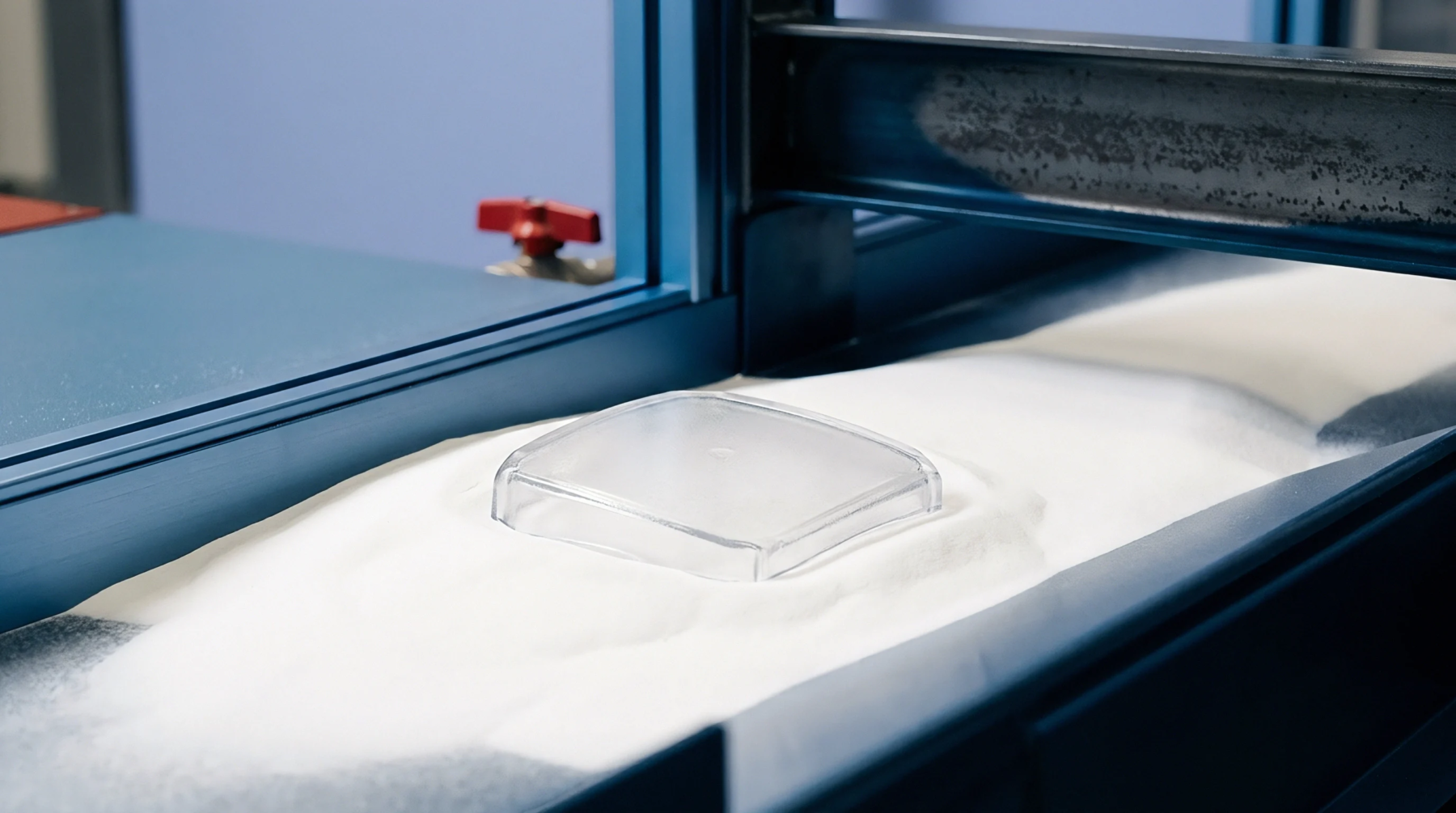
Calculating Water Diffusion Rates in Hygroscopic Polymers during Desiccant Drying
Calculate water diffusion in hygroscopic polymers using Crank's spherical solution with Arrhenius-derived diffusivity to establish minimum hopper drying times.
Calculate water diffusion in hygroscopic polymers using Crank's spherical solution with Arrhenius-derived diffusivity to establish minimum hopper drying times.

Representative core sampling and thermal screening prevent off-spec polyethylene import seizures before containers leave the border terminal.
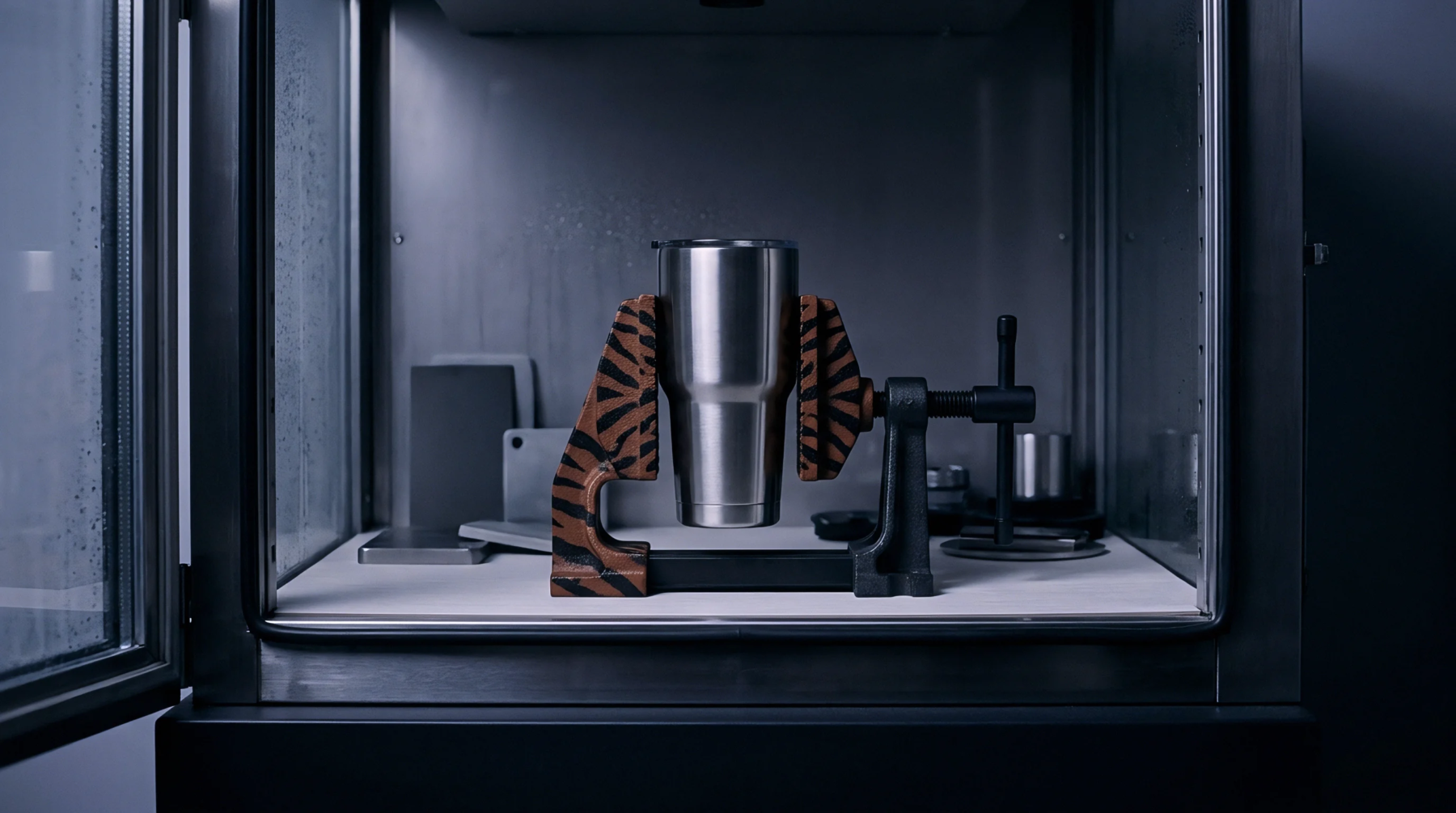
Expanding polydispersity in reprocessed polyolefins depletes tie molecules between crystallites, accelerating environmental stress cracking under chemical stress.

Virgin resin receiving requires physical composite dock sampling, verified melt flow testing, and rigid statistical limits before unloading into primary storage.

Carboxyl titration measures terminal acidity to separate moisture-induced chain scission from thermal degradation, exposing compounding history and regrind.
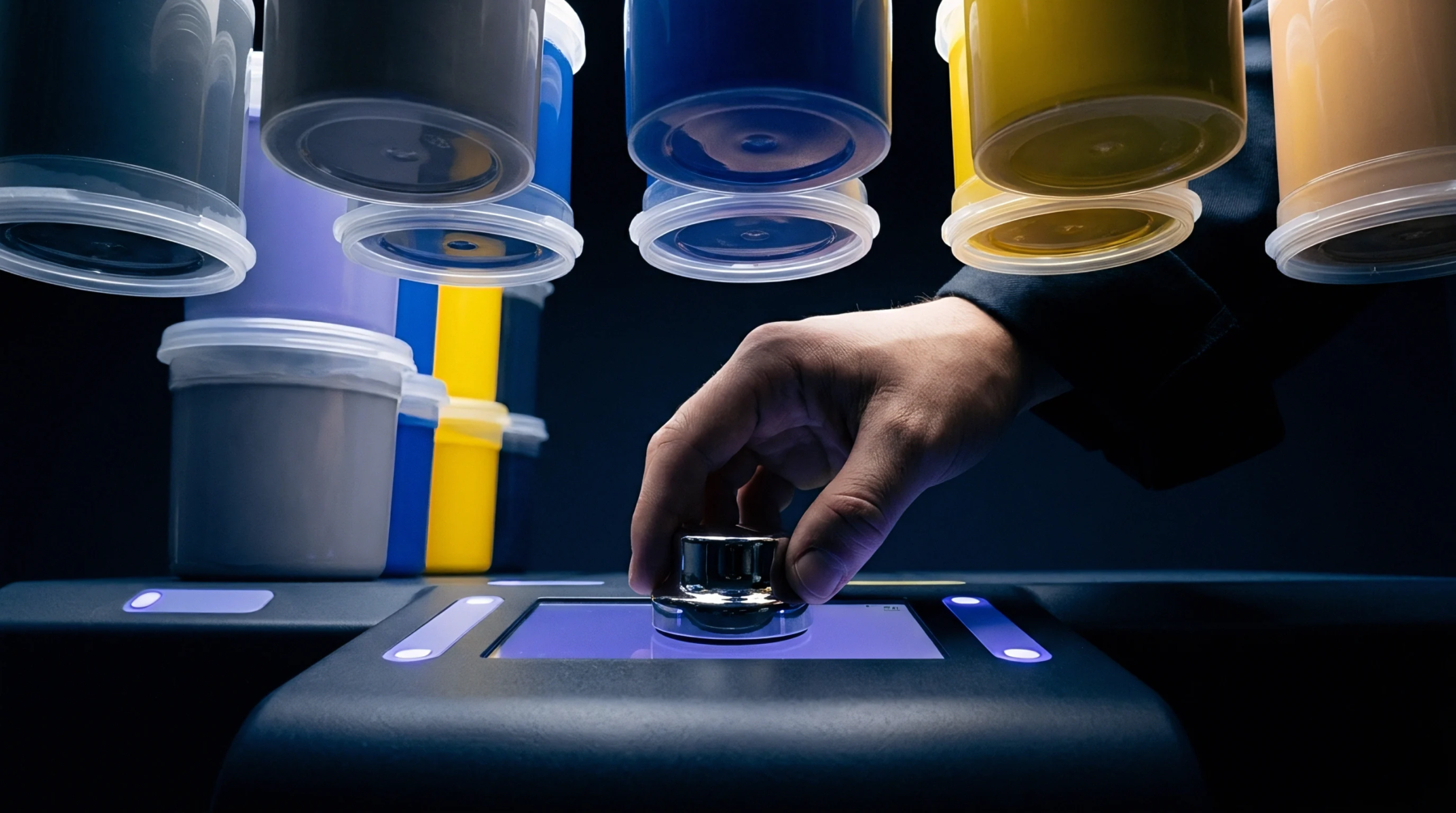
Match high-shear viscosity profiles and elasticity ratios rather than plastometer values to prevent phase separation and ensure complete additive dispersion.

Polyolefin masterbatch imports classify under Chapter 32 for colorants or Chapter 38 for additives rather than Chapter 39 resin based on functional payload.

Ethane-based polyolefins maintain structural cash cost primacy over naphtha, but alpha-olefin comonomers and logistics dictate actual converted film margins.

Landed price disparities between ethane and naphtha polyolefins reflect raw cracking margins minus logistics, import tariffs, and down-gauge processing scrap.

Polyolefin price indexation isolates monomer volatility through mass-balance multipliers while fixing manufacturing adders against objective benchmarks.
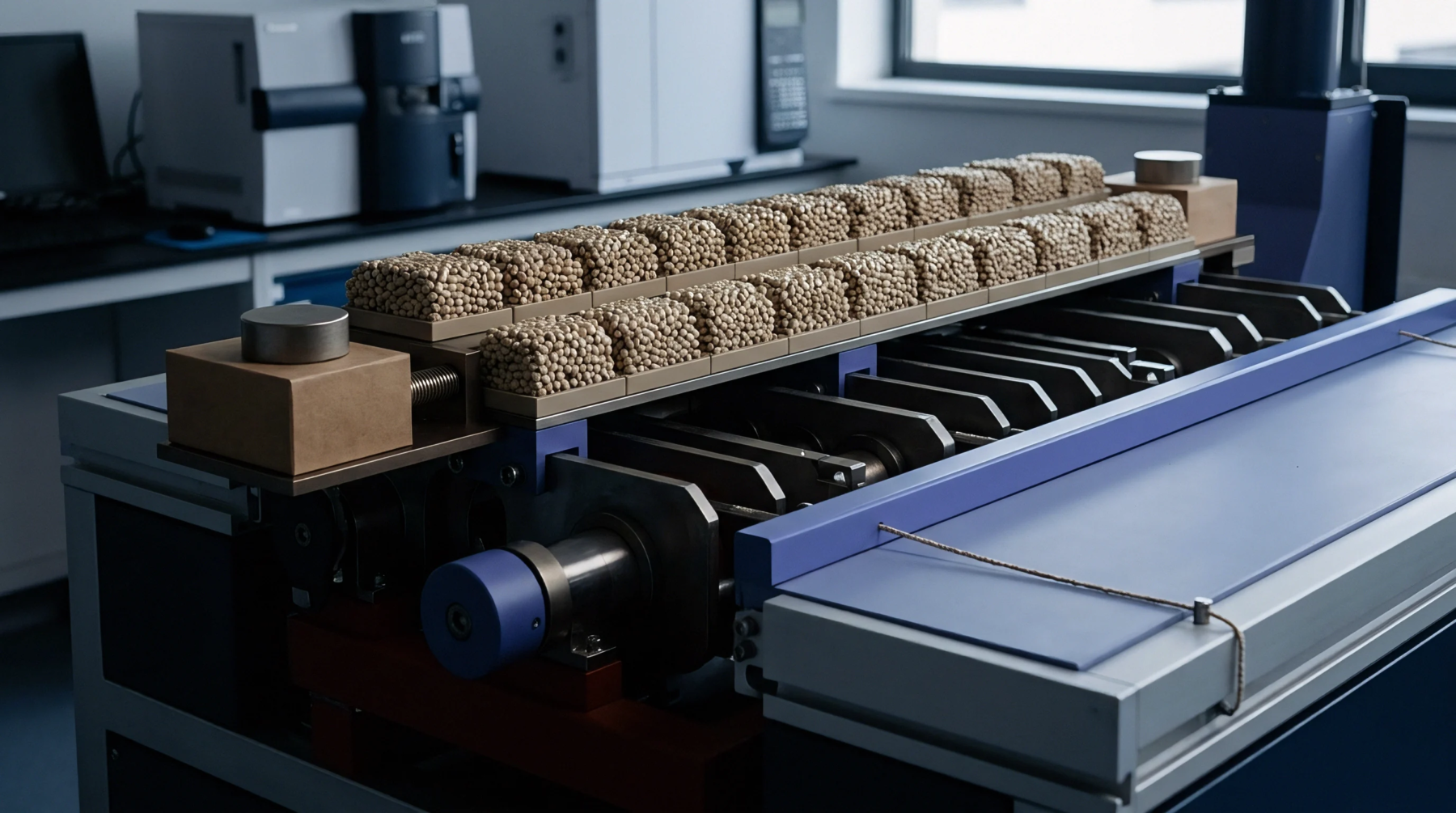
Capillary rheometry and DSC thermal analysis establish high-shear viscosity and stabilizer limits to qualify recycled polypropylene lots before processing.
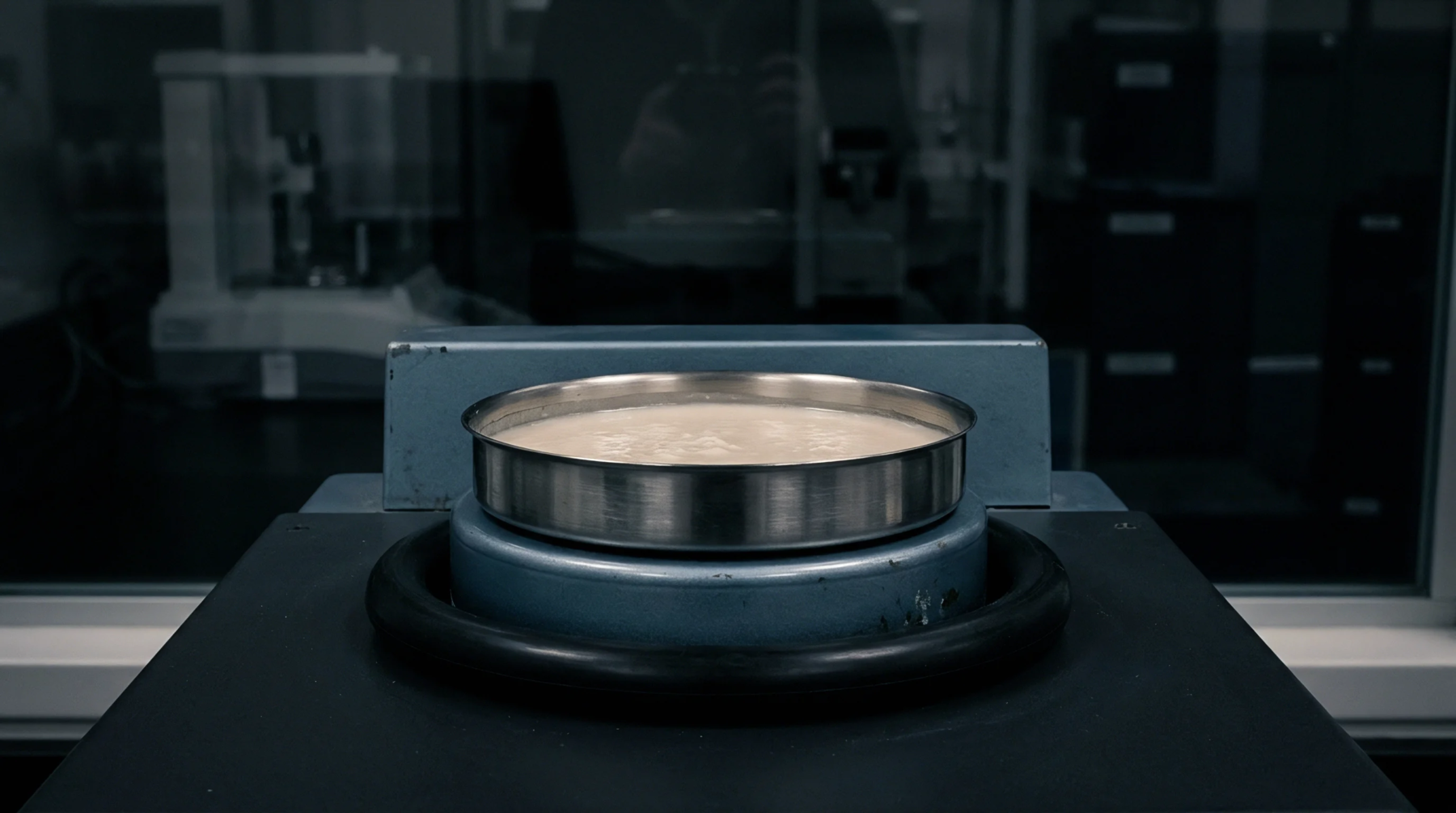
Audit certificates of analysis with differential scanning calorimetry to catch regrind, spent stabilizers, and polymer contamination before offloading silos.
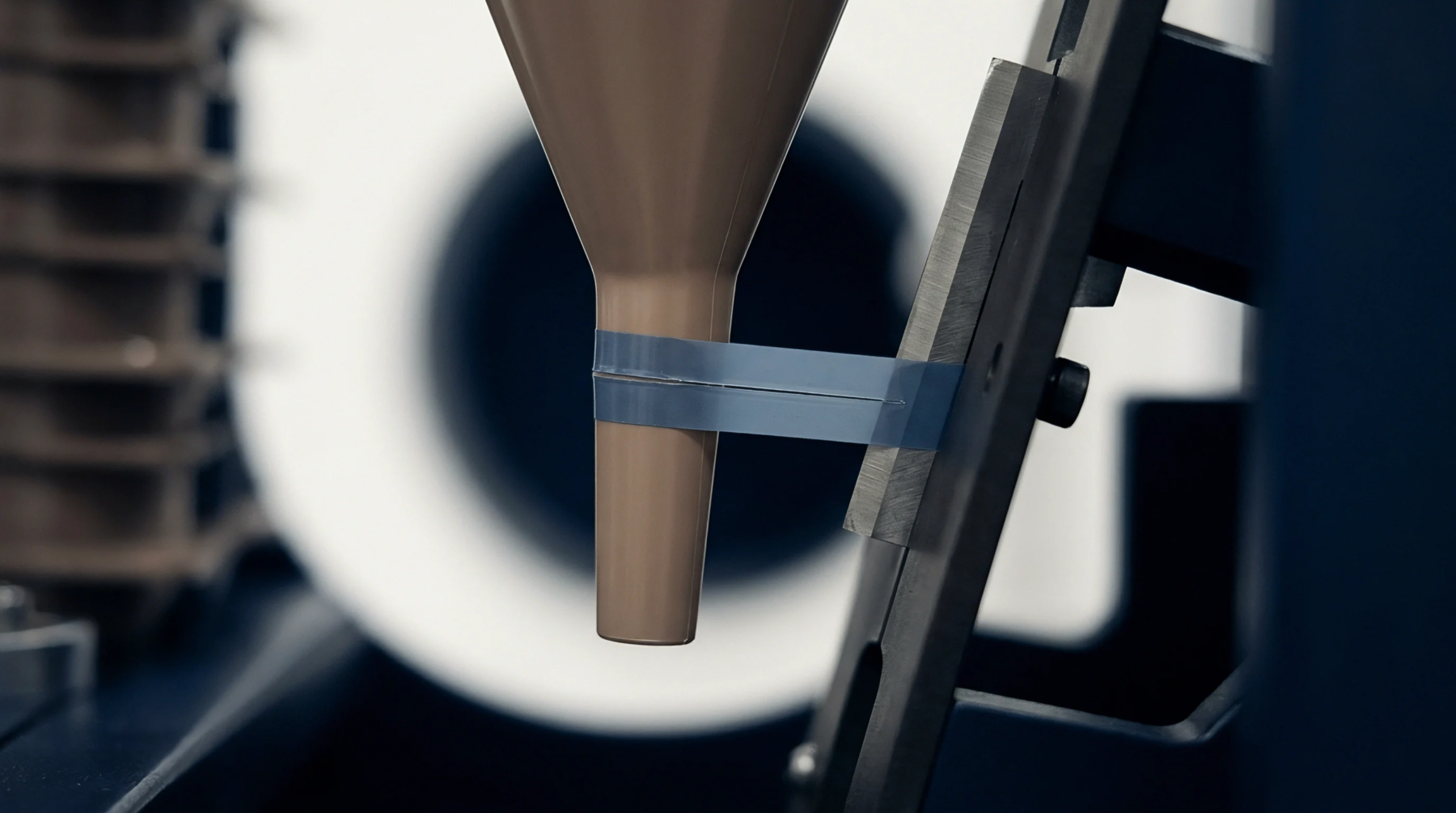
Melt flow testing at the receiving bay verifies molecular weight and prevents brittle part failure before resin contaminates production silos.

Dynamic oscillatory rheology coupled with Palierne model inversion quantifies interfacial tension in mixed polyolefins to control compatibilization economics.
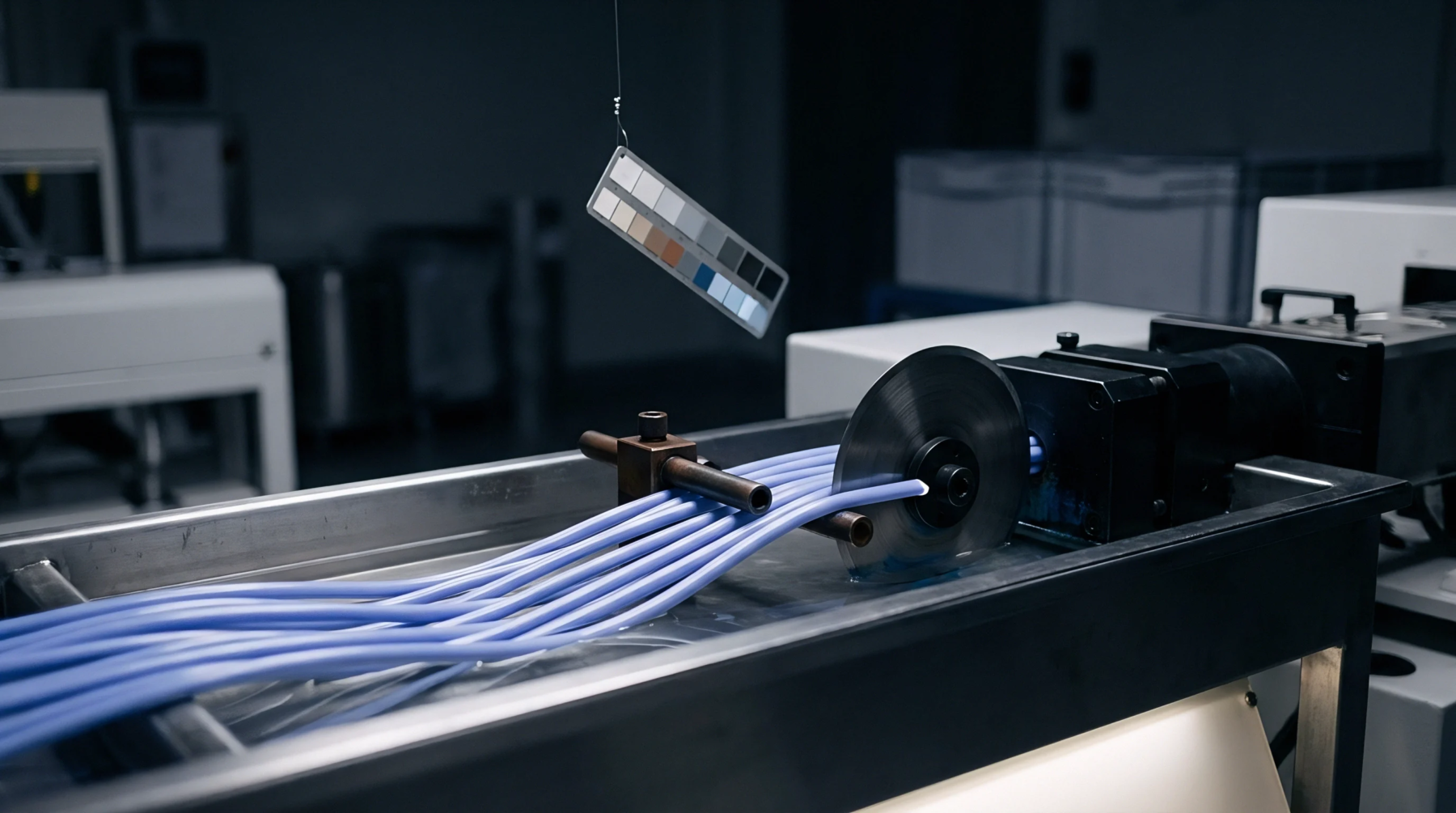
Reconciling monthly polyolefin provisional invoices demands matching certified net delivery weights and settled index prices against baseline billings.

Dynamic interfacial shear relaxation testing isolates phase stability and compatibilizer integrity in mixed recyclate matrixes under variable processing strains.

Optimal diblock copolymer loading caps at interfacial saturation between 2.0 and 3.0 wt%, maximizing impact strength while avoiding stiffness loss and cost penalties.

Arbitrating unabsorbed machine overhead losses from hydrolytic chain scission requires inline viscosity tracking, moisture logs, and clear quality contract addendums.
Unplanned moisture downtime costs combine press burden, purge compound, cavity cleaning, and scrapped resin into losses exceeding base machine rates fivefold.

High resolution mass spectrometry resolves trace pyrolysis oil poisons in mass balance polyethylene before contaminated resin ruins extrusion tooling.

Mass balance audits for imported recycled polypropylene require end-to-end verification of transaction documents, yield factors, and uninterrupted certificates.

Reconciling mass-balanced chemical recyclate requires auditing physical pellet delivery against certified credit registry transfers and monomer index contracts.

Correlate MFR with high-shear capillary curves using dual-load Flow Rate Ratios and constitutive models to qualify variable resin feeds accurately.

Single-point melt index testing misses high-shear flow variance; enforce multi-point ISO 11443 capillary viscosity limits at 5,000 s⁻¹ in resin contracts.

Polypropylene above 3% embrittles post-consumer polyethylene, requiring olefin block copolymers to reduce domain sizes below 1 micron and recover impact strength.

Analytical rheology characterizes high density polyethylene recyclate degradation via flow rate ratios, zero-shear viscosity, and strain hardening bounds.
Coupled mechanical shear and thermal autoxidation accelerate polyolefin radical generation across reprocessing, demanding multi-point rheology and restabilization.
Dynamic shear viscosity thresholds across operational shear rates prevent extruder surging and wall fracture where single melt flow figures fail.

Standard melt indexers measure low shear viscosity, while capillary viscometers capture processable shear rates, requiring multi-weight or high-shear testing.
Expertise is a utility, not a secret. sentiention™ publishes its working knowledge as open reference: intelligence layer covering the materials it sources, the markets it enters, and the reference that serves both.