
Short-Chain Branching Distribution Measurement in Recycled Polyethylene
Crystallization elution fractionation and high-temperature GPC-IR resolve co-monomer placement in recycled polyethylene, exposing stress-crack vulnerabilities.
Crystallization elution fractionation and high-temperature GPC-IR resolve co-monomer placement in recycled polyethylene, exposing stress-crack vulnerabilities.

Representative core sampling and thermal screening prevent off-spec polyethylene import seizures before containers leave the border terminal.

Differential thermal analysis detects recycled polymer adulteration by identifying secondary melting endotherms and quantifying oxidation induction time shifts.

Virgin resin receiving requires physical composite dock sampling, verified melt flow testing, and rigid statistical limits before unloading into primary storage.

Melt hydrolysis cuts polyamide chains uniformly with stoichiometric end-group parity; environmental attack causes sharp surface oxidation gradients.

Standard protocols detect polyolefin recyclate down to five percent, while dilution below three percent demands paired chromatographic and elemental screening.

Virgin resin purity standards require defined cross-polymer limits, certified ISO testing methods, and explicit zero-regrind contract clauses.
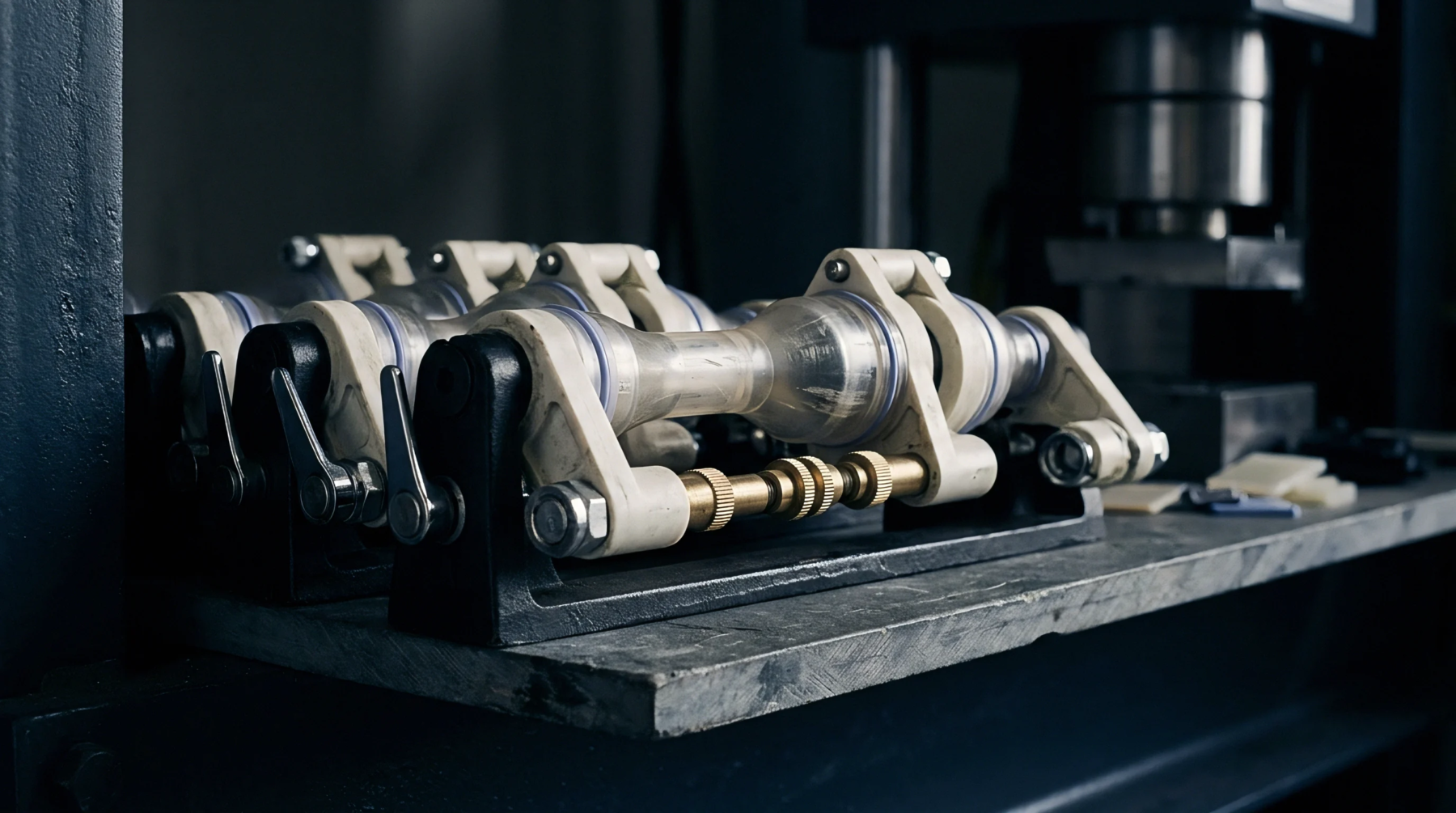
Quantifying interfacial tension via oscillatory rheology identifies micro-phase separation risk in cross-border recyclate masterbatches before transit degradation.

Polyolefin masterbatch imports classify under Chapter 32 for colorants or Chapter 38 for additives rather than Chapter 39 resin based on functional payload.

Quantify bulk resin drift by spatial container sampling, measuring high-load melt flow ratio shifts, stabilizer loss via HPLC, and Carbonyl Index oxidation.
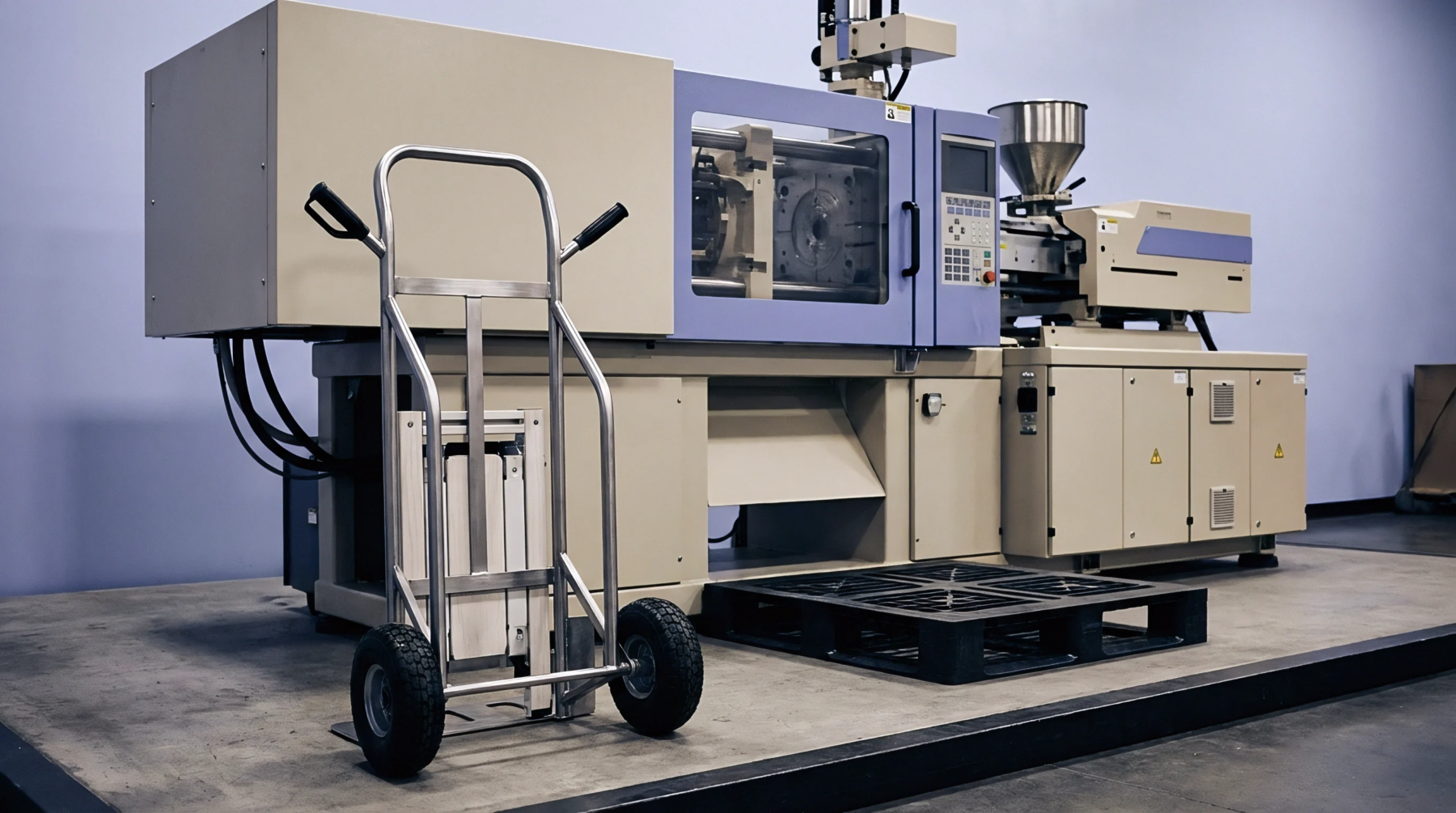
Exemption from European plastic packaging taxes requires third-party accredited EN 15343 chain-of-custody records linking batch resins to post-consumer waste.
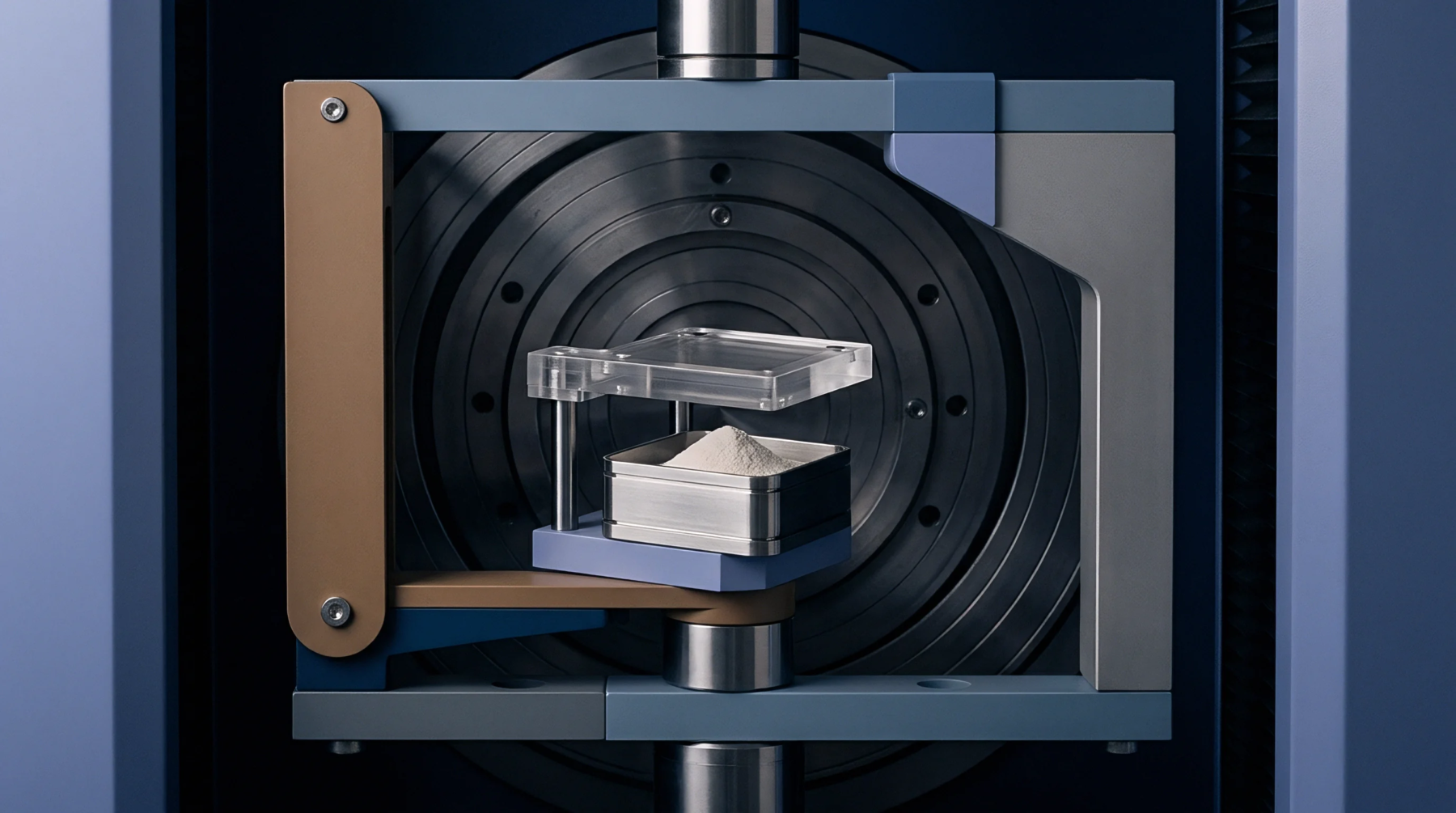
Capillary rheometry and DSC thermal analysis establish high-shear viscosity and stabilizer limits to qualify recycled polypropylene lots before processing.

Audit certificates of analysis with differential scanning calorimetry to catch regrind, spent stabilizers, and polymer contamination before offloading silos.

Reconciling monomer discrepancies requires replacing plant ATR infrared spectra with high-temperature solution carbon-13 nuclear magnetic resonance testing.

Interfacial delamination in post-consumer blends is predicted by critical energy release rates, interfacial slip thresholds, and Paris law fatigue exponents.

Dynamic oscillatory rheology coupled with Palierne model inversion quantifies interfacial tension in mixed polyolefins to control compatibilization economics.

Reconciling monthly polyolefin provisional invoices demands matching certified net delivery weights and settled index prices against baseline billings.

Polymer indexation contracts balance monomer price pass-through, fixed conversion deltas, and publication timing to control European resin procurement costs.

Polypropylene above 3% embrittles post-consumer polyethylene, requiring olefin block copolymers to reduce domain sizes below 1 micron and recover impact strength.
Residual oxidative induction time limits define processing stability by measuring consumed antioxidant additives in recycled polyolefin pellets under isothermal oxygen flow.

Verifying virgin polyolefin certificates demands matching melt index, density, and additive spectra to batch physical lots before regulatory release.

Scope exclusions for ethylene copolymer resins require verified comonomer content above statutory thresholds established through quantitative FTIR and DSC testing.
Reactor copolymer cold chain impact resistance relies on sub-micron ethylene-propylene rubber interfacial cavitation triggering matrix shear bands at low temperatures.

Controlling ethylene-propylene rubber dispersion below one micron preserves crate drop impact at minus thirty while retaining stack rigidity.

Uncontrolled transesterification and end-group drift in PHA extrusion alloys lower melt viscosity and alter phase morphology, requiring carboxyl capping.
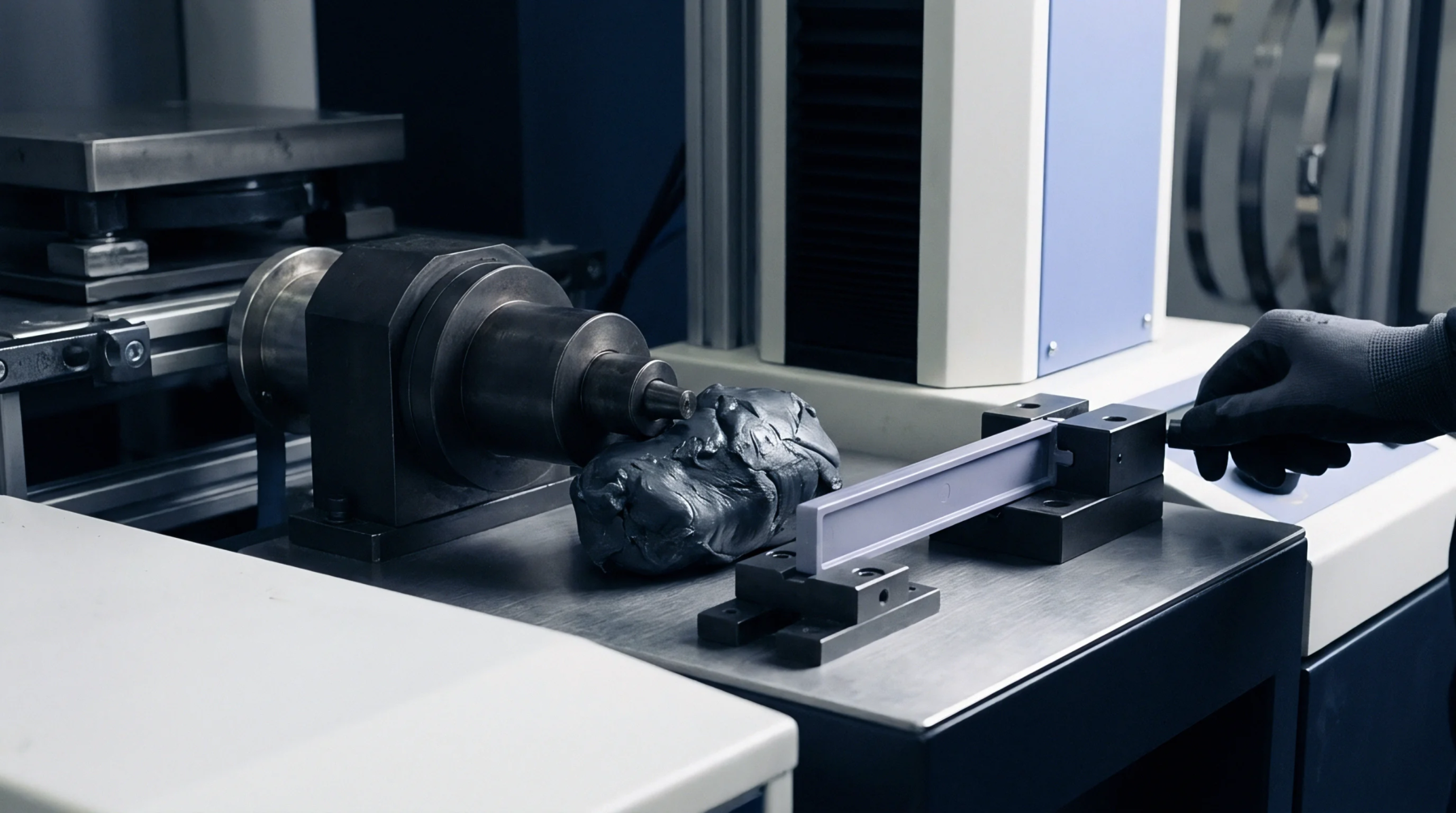
Phase inversion boundaries in recycled olefin fractions shift with shear rate, necessitating combined dynamic rheology and thermal analysis for domain sizing.

Deconvolution of DSC melt crystallization peaks isolates PE and PP fractions in recyclates to verify composition before compounding.

ATR-FTIR verifies polyolefin grades by measuring specific infrared absorbance ratios to quantify comonomer content, branching density, and copolymer structure.

Melt flow rate thresholds for recycled polyolefin blends must be set using multi-load shear testing to bound contamination and prevent processing scrap.
Oxidation induction time testing at 200 °C establishes true additive depletion in recycled polypropylene before melt processing causes chain scission.
Expertise is a utility, not a secret. sentiention™ publishes its working knowledge as open reference: intelligence layer covering the materials it sources, the markets it enters, and the reference that serves both.