Meaning
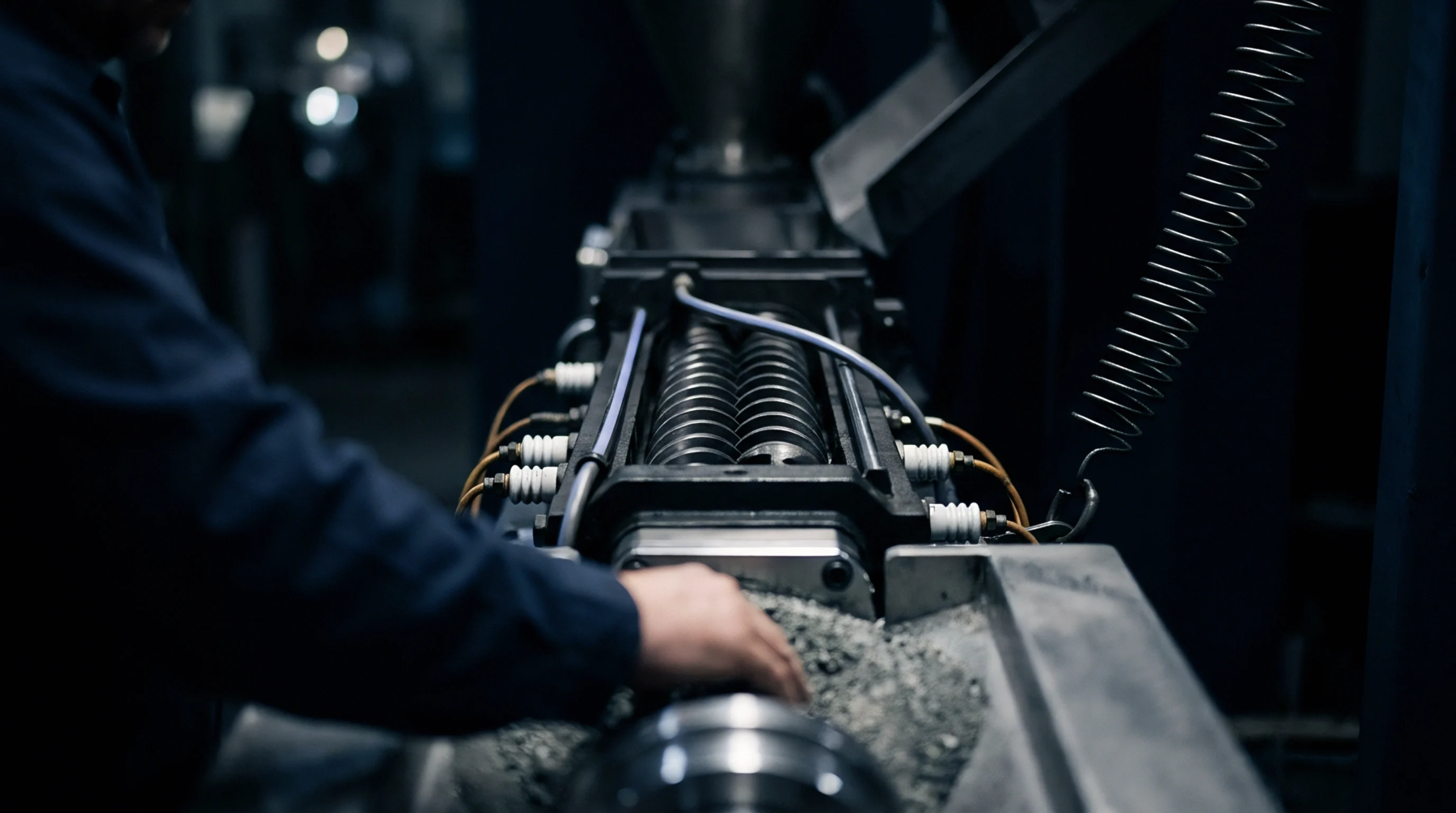
An aromatic ketone functions as a photo-stabilizer by absorbing ultraviolet radiation to protect sensitive polymer structures from photochemical degradation. This chemical compound dissipates harmful light energy as heat through a process known as excited state internal conversion. Manufacturers add benzophenone derivatives during the compounding phase to extend the operational life of components exposed to intense sunlight.
The substance prevents chain scission in resins like polypropylene and polyethylene that lose integrity under prolonged photon bombardment. Photochemical stability represents the threshold where this additive maintains its molecular efficiency against cumulative dosage.
Light Resistance
High energy radiation triggers radical formation within the polymer matrix unless the stabilizer density remains sufficient. Benzophenone molecules occupy specific intermolecular spaces to intercept photons before these particles strike the vulnerable carbon chains. Excessive concentration leads to blooming on the surface of the finished part while low levels result in premature embrittlement.
Processing heat during injection moulding can cause partial evaporation if the thermal stability of the additive falls below the set point of the barrel temperature. The dispersion of these molecules determines the uniformity of the protection across the entire geometry.
Material Economics
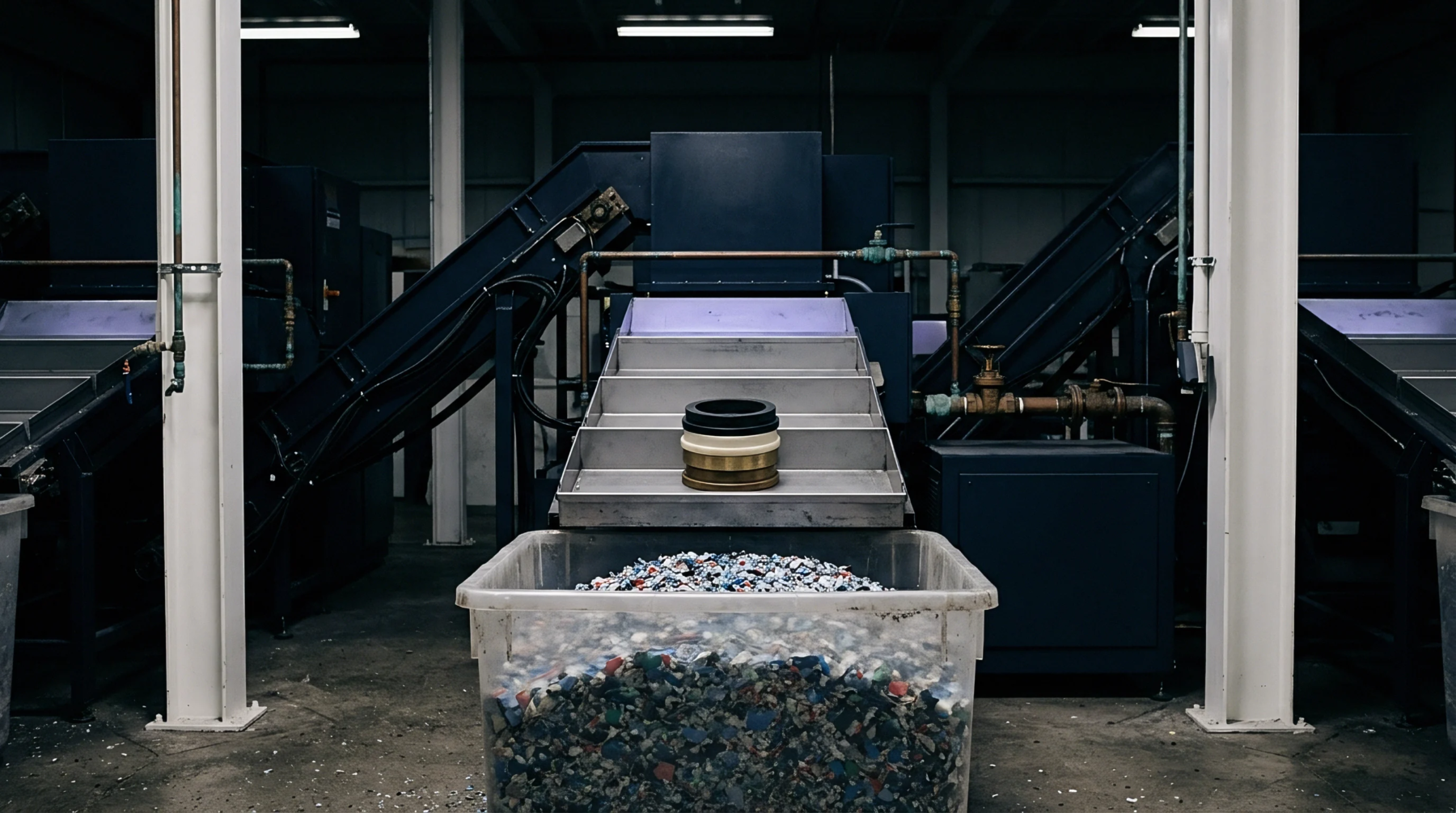
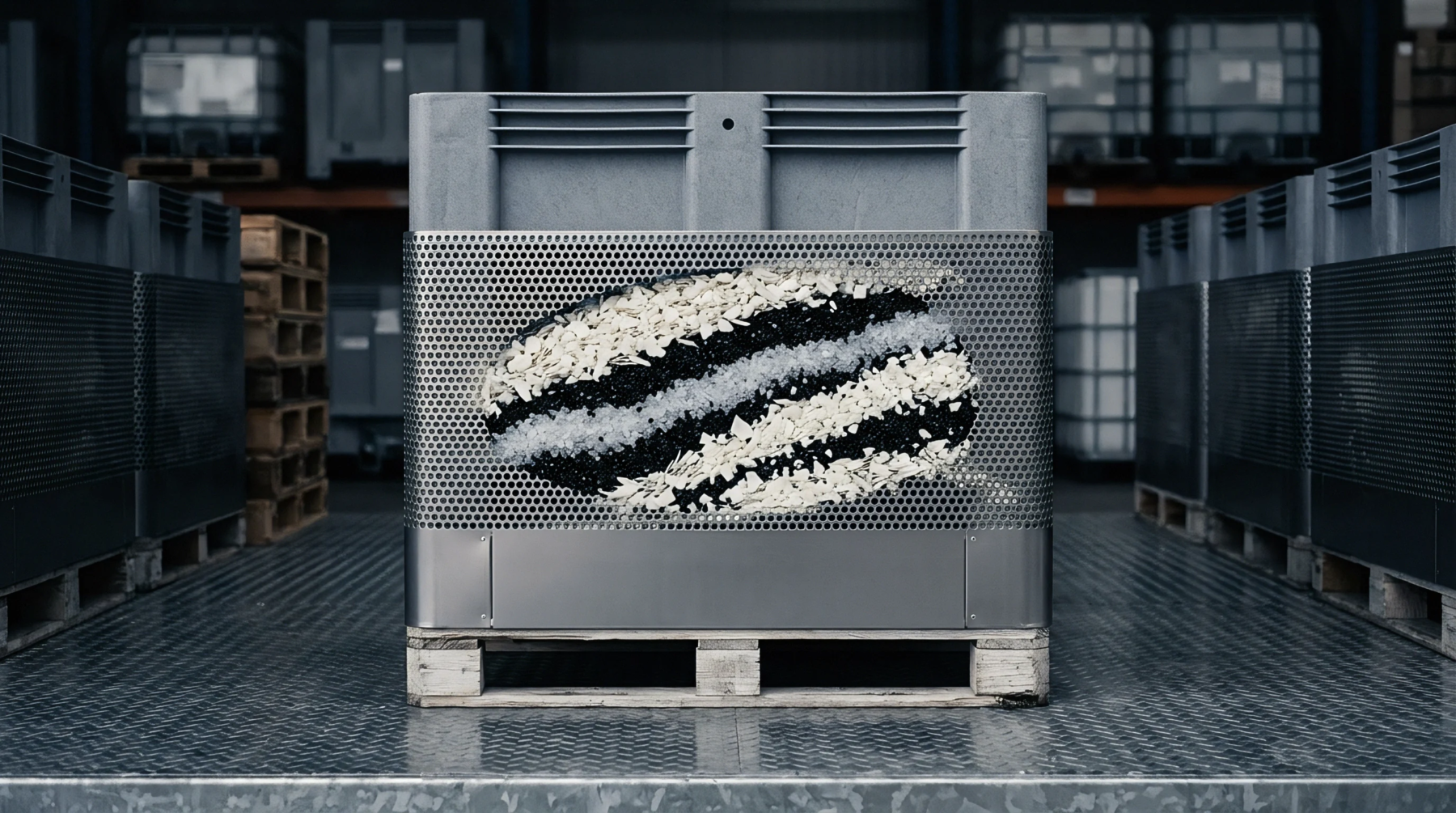
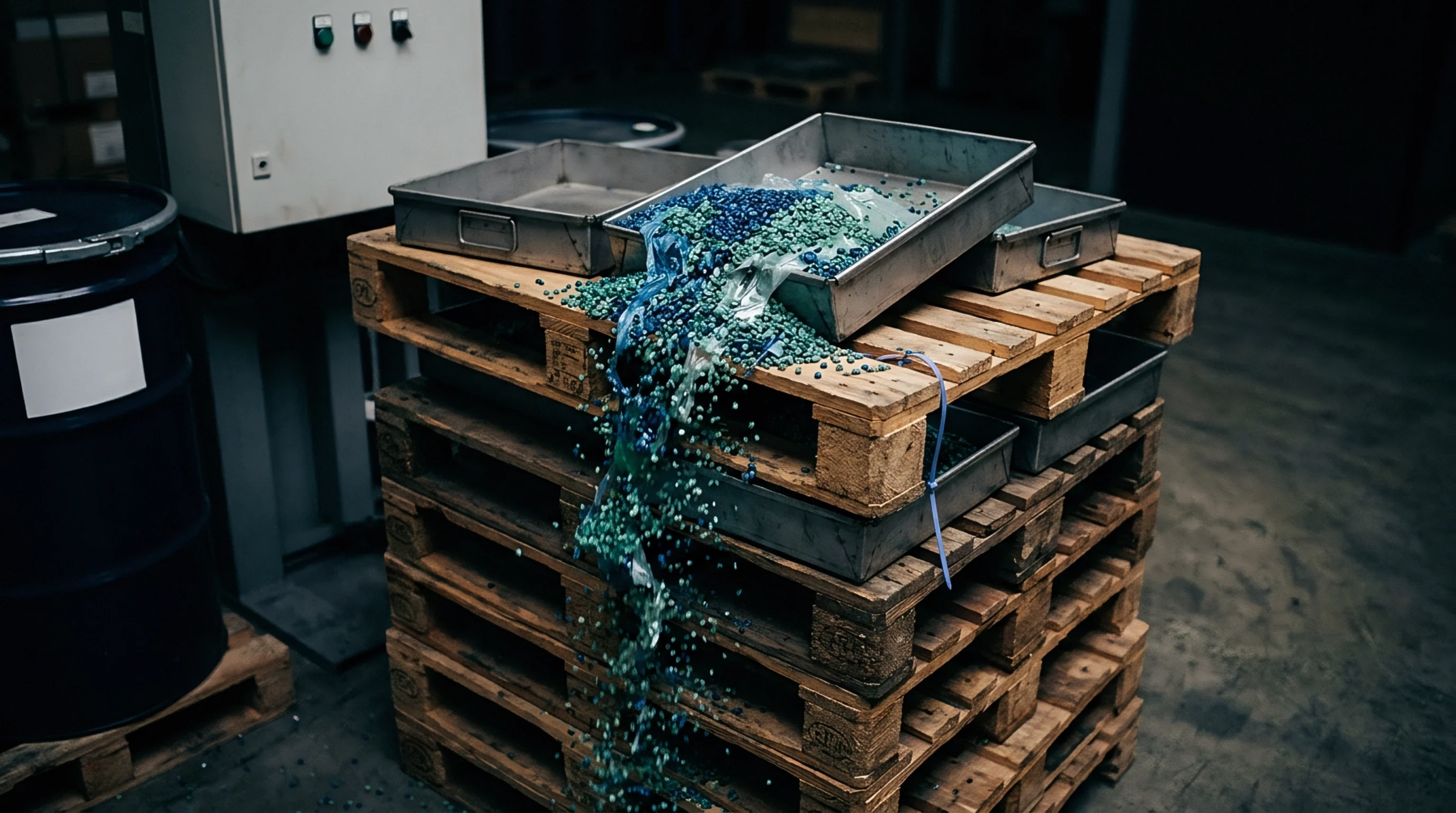
Regrind incorporation introduces a risk because the effective concentration of the light stabilizer drops after the first melt cycle. Virgin resin pellets arrive with a balanced stabilizer package that provides baseline longevity for most standard applications. Moulders often supplement the feed stream with masterbatch versions of benzophenone to recover lost photostability without sacrificing the mechanical performance of the product.
Cost structures shift when the scrap rate increases because the expense of additive replenishment offsets the savings gained from material recycling. A datasheet value indicates the initial content measured in the laboratory environment but the actual performance in the field relies on the retention of this additive through multiple heating sequences. Moulding shops monitor the concentration levels periodically to ensure the component meets its required lifespan.
Part Specification
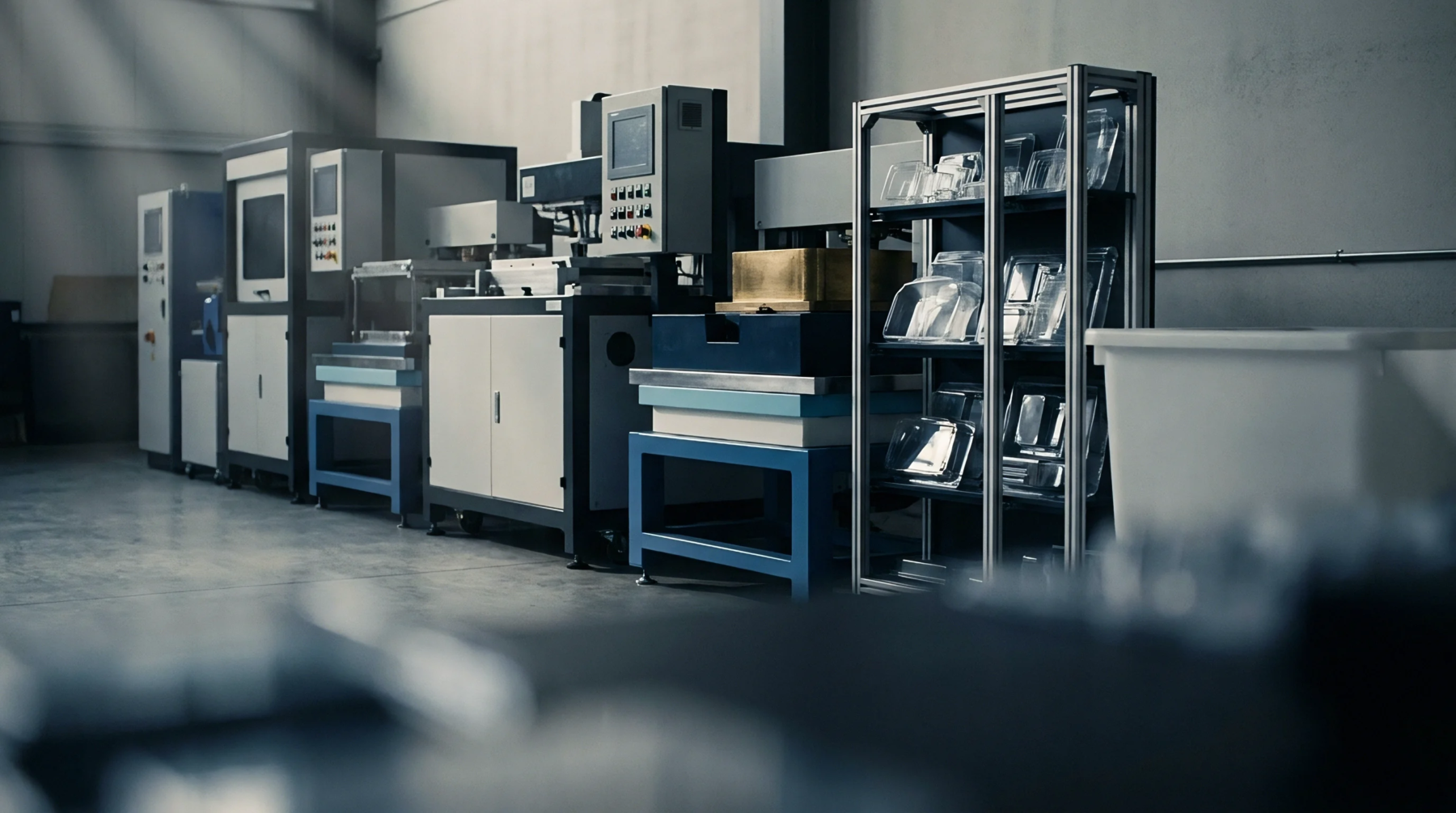
Tooling design influences the distribution of stabilized resins because thin wall sections exhibit faster cooling rates that lock molecules into fixed configurations. A specific part specification defines the acceptable range of degradation over time whereas a generic material specification sets only the baseline for raw pellets. Dimensional tolerances depend on the integrity of the resin matrix because degradation induces shrinkage and surface cracking that alters the geometry.
Variations in the cooling cycle disturb the spatial arrangement of the additive and create regions with uneven exposure to ultraviolet rays. Proper management of these additive levels prevents costly part failure in outdoor hardware. The presence of this compound determines the long term durability of high performance plastic components under harsh environmental conditions.