
Mass Spectrometry Extraction Protocols for Post Consumer Resin Polyolefin Identification
Solvent dissolution and high-resolution mass spectrometry identify diagnostic post-consumer polyolefin markers to verify recyclate content and compliance.
Solvent dissolution and high-resolution mass spectrometry identify diagnostic post-consumer polyolefin markers to verify recyclate content and compliance.

Fickian modeling of recycled polyolefins demands matrix-specific diffusion coefficients and layer kinetics to prevent unlisted contaminant migration over 10 ppb.

Branched polyolefin oligomers exhibit non-Fickian partition in fatty simulants due to plasticization, rendering linear Piringer migration estimates invalid.
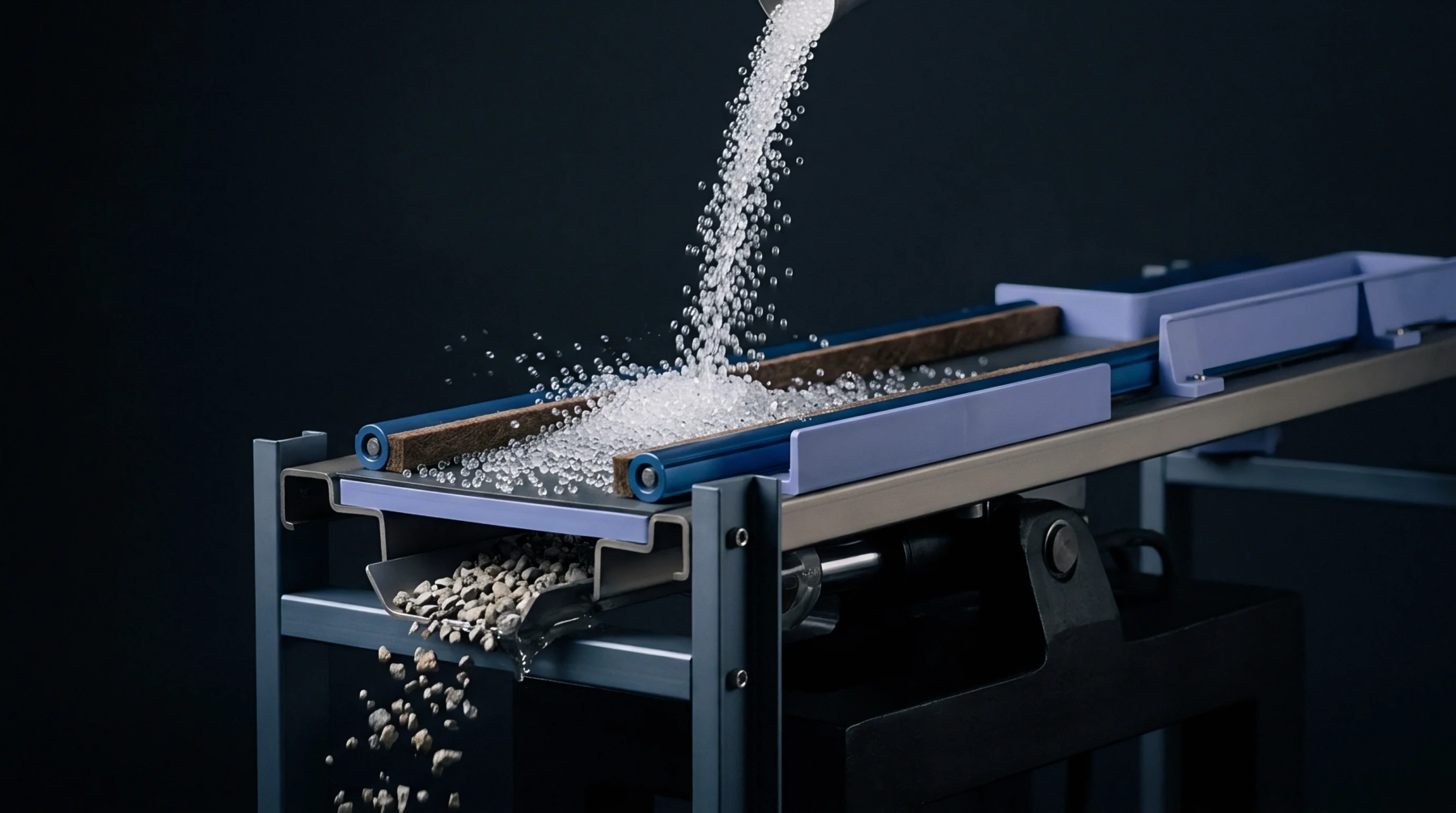
High-temperature capillary gas chromatography separates polyolefin hydrocarbon oligomers up to C50 using deactivated thin-film silphenylene columns and PTV.

Polyolefin saturated hydrocarbons migrate via temperature-dependent diffusion, requiring LC-GC-FID separation and strict C16-C35 bioaccessibility compliance checks.
In vitro micellar solubilization testing quantifies bioaccessible polyolefin oligomers to establish defensible food-contact safety compliance.

In vitro gastrointestinal bioaccessibility bioassays correct overstated saturated hydrocarbon oligomer migration figures by measuring only the micelle-solubilized fraction.

Quantifying unresolved oligomer fractions requires LC-GC-FID hump integration from C10 to C40 against specific migration limits using calibrated simulants.

Deriving analytical evaluation thresholds in high resolution screening demands adjusting baseline toxicological limits by response factor uncertainty to prevent false negatives.

Cramer decision tree classification logic evaluates structural alerts to assign unknown packaging migrants into toxicological classes setting analytical screening thresholds.

Comprehensive GCxGC-FID standardization for C20-C50+ hydrocarbons requires cool-on-column injection, cryogenic modulation, and verified FID response factors.

Offline silver-ion fractionation combined with two-dimensional gas chromatography provides the resolution necessary to isolate unsaturated recyclate oligomers.

Chromatographic discrimination requires chemical epoxidation or multi-dimensional separation to isolate branched polyolefin oligomers from mineral oils.

Characterizing polyolefin hydrocarbons requires LC-GC-FID and epoxidation cleanup to distinguish mineral oil contamination from polymer oligomers.

Polyolefin oligomer migration verification relies on LC-GC-FID with epoxidation and spectral deconvolution to separate synthetic POSH from restricted MOSH.

Identifying polyolefin oligomers in food packaging requires LC-GC-FID pre-fractionation and risk assessment under EU 10/2011 Article 19 NIAS rules.

Polyolefin oligomers accumulating across closed-loop recycling cycles require structural separation and toxicological screening against Threshold of Toxicological Concern limits.

Online LC-GC-FID coupled with epoxidation isolates polyolefin oligomers from mineral oil hydrocarbons to prevent false positives in food-contact compliance.
POSH migration verification requires tandem LC-GC-FID quantification following epoxidation clean-up, validated against 90 ug per person daily exposure limits.

Quantifying NIAS across multi-layer film batches demands high-resolution mass spectrometry screening and structural toxicity threshold limits.

Polyolefin packaging dock acceptance demands lot-specific sampling, simulant migration verification, and full declaration tracing to prevent food contact exposure failures.

Exhaustive solvent extraction and diffusion modeling verify lot-level specific migration compliance faster and cheaper than standard 10-day simulant tests.

Non-target screening of recycled polyolefin bulk containers demands single-sided cell testing, realistic filling ratios, and strict Cramer class evaluations.

Evaluating declarations of conformity for high density polyethylene liners demands verification of resin grade, migration conditions, and batch traceability.
Polymer migration compliance requires verifying finished articles against food-specific simulants, surface ratios, and full non-targeted chemical dossiers.
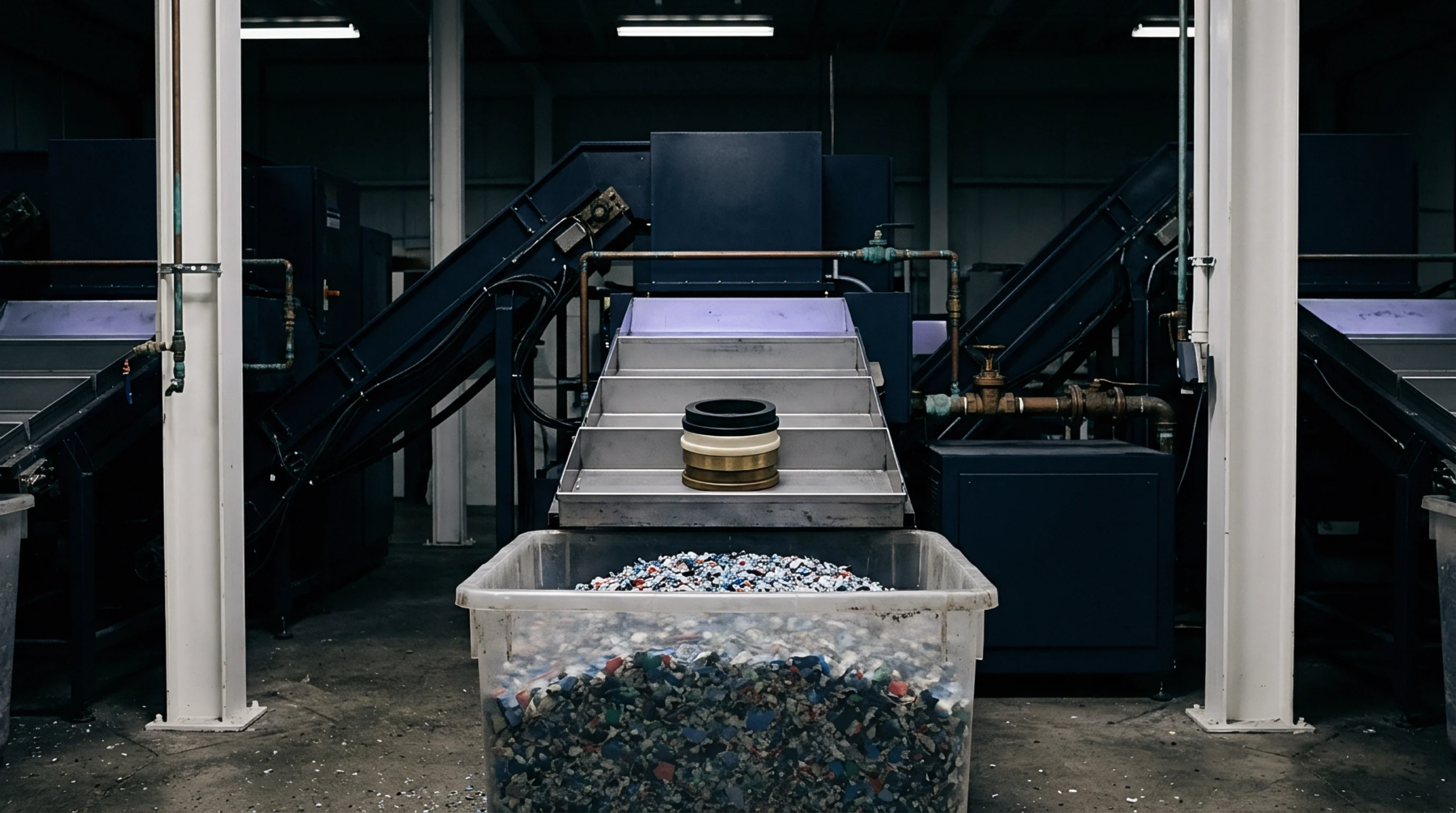
Selective epoxidation suppresses olefin interferences to enable exact LC-GC-FID quantification of aromatic hydrocarbons in food grade recycled polyolefins.

MOSH and MOAH speciation in recycled polyolefins requires online LC-GC-FID with epoxidation to remove POSH and POMH interferences before declaring food contact compliance.

Pre-chromatographic silver-silica fractionation and chemical ionization tandem MS eliminate polyolefin oligomer interferences for accurate migrant quantification.

High-resolution mass spectrometry isolates legacy flame retardants from polyolefin interferences, establishing batch compliance for recycled polypropylene.

Recycled polyolefin packaging requires non-targeted GC-MS and LC-MS screening to ensure non-intentionally added substance migration remains below 0.01 mg/kg.
Expertise is a utility, not a secret. sentiention™ publishes its working knowledge as open reference: intelligence layer covering the materials it sources, the markets it enters, and the reference that serves both.