
Analytical Additive Isolation in Small Polymer Assembly Components
Micro-scale polymer additive isolation requires microtomed extraction and high-resolution chromatography to verify declarations and prevent border seizures.
Micro-scale polymer additive isolation requires microtomed extraction and high-resolution chromatography to verify declarations and prevent border seizures.

High resolution mass spectrometry screening for non-intentionally added substances suffers from response factor errors and variable ionization suppression.

Matrix ion suppression masks unknown oligomeric migrants in fatty simulants, inflating true quantification limits and invalidating conformity declarations.

PET cyclic oligomer compliance requires finished article LC-MS testing in Simulant D1 and a verified toxicological defense below 0.05 mg/kg food migration.

Mathematical diffusion modeling provides legally accepted migration screening for polyolefins when conservative Piringer parameters exceed real-world release.
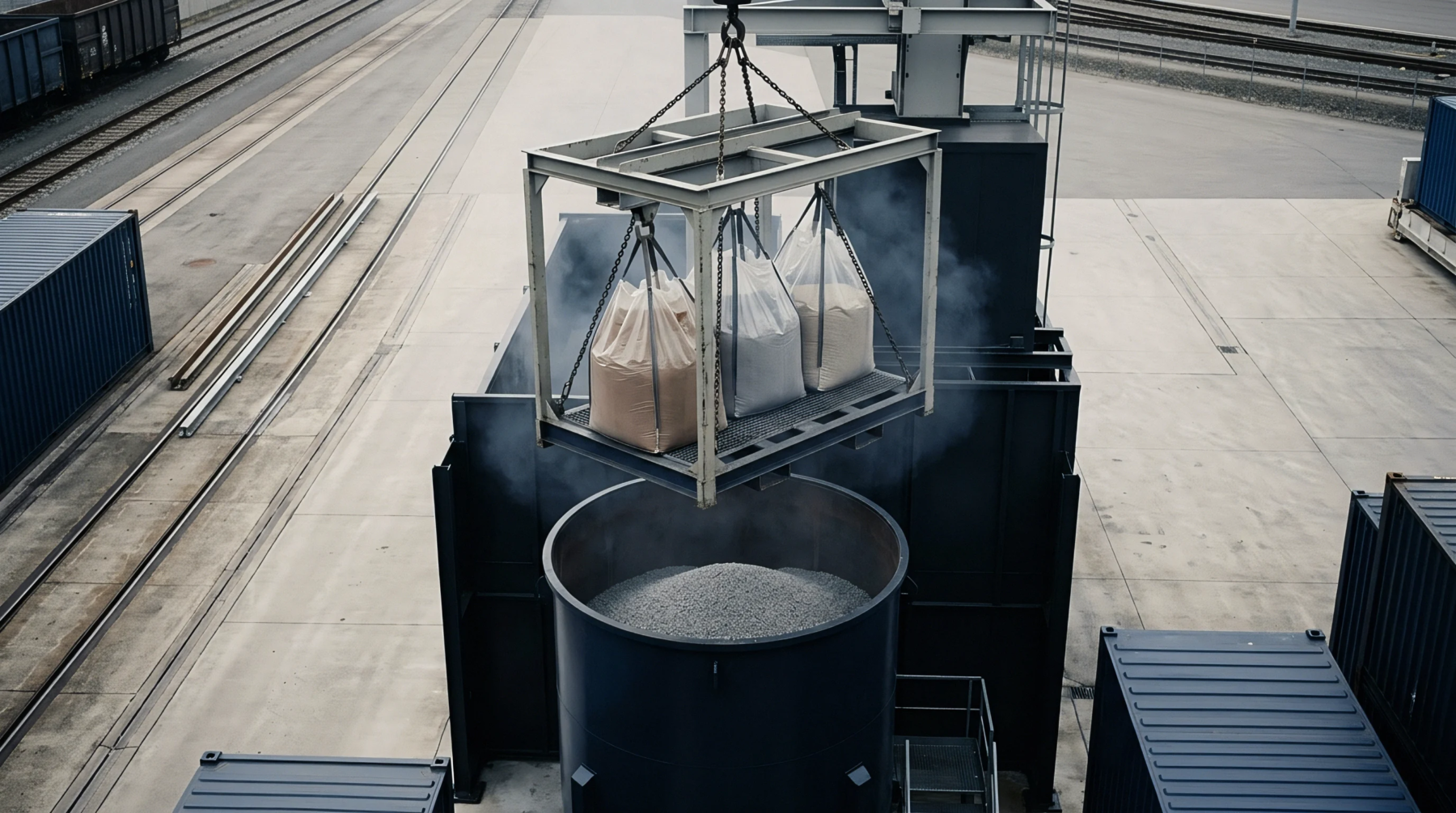
Quantifying cyclic PET oligomers in food simulants demands LC-MS/MS or HRMS to measure specific migration against toxicological threshold limits.

Dynamic freight heat spikes reaching 60 °C accelerate high weight oligomer diffusion, requiring LC-QTOF-MS testing beyond standard OM2 compliance conditions.

Analytical verification demands testing finished containers against true fill ratios with validated simulants to prove overall and specific limits under law.
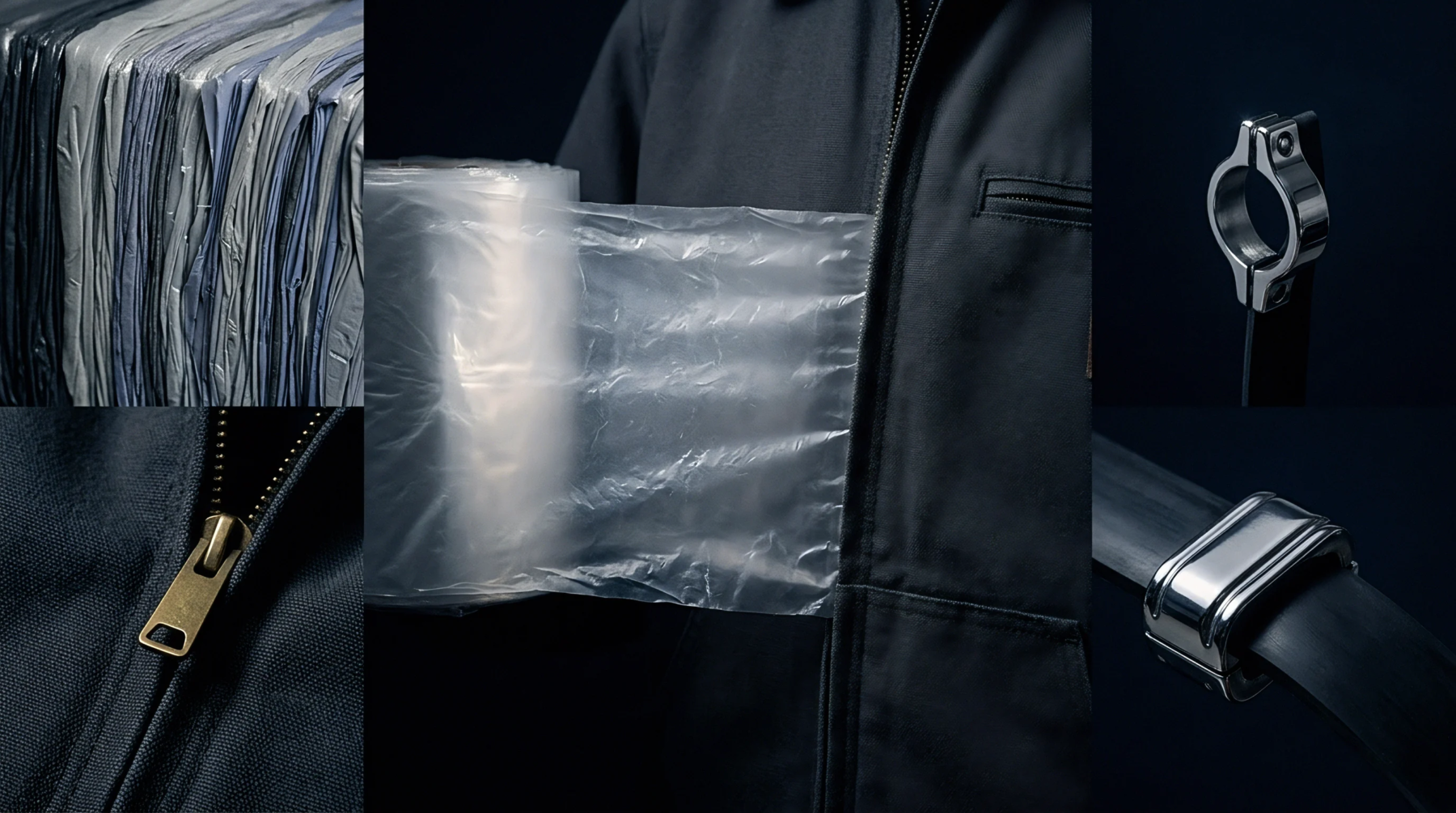
Polyolefin liner compliance requires establishing specific migration limits, screening for non-intentionally added substances, and maintaining full dossier traceability.

Accelerated contact testing induces polymer swelling and phase shifts that distort migration rates, demanding multi-temperature kinetic validation.

Auditing food contact declarations lacking simulant exposure parameters requires demanding EN 1186 test conditions, food type assignments, and surface-to-volume proof.
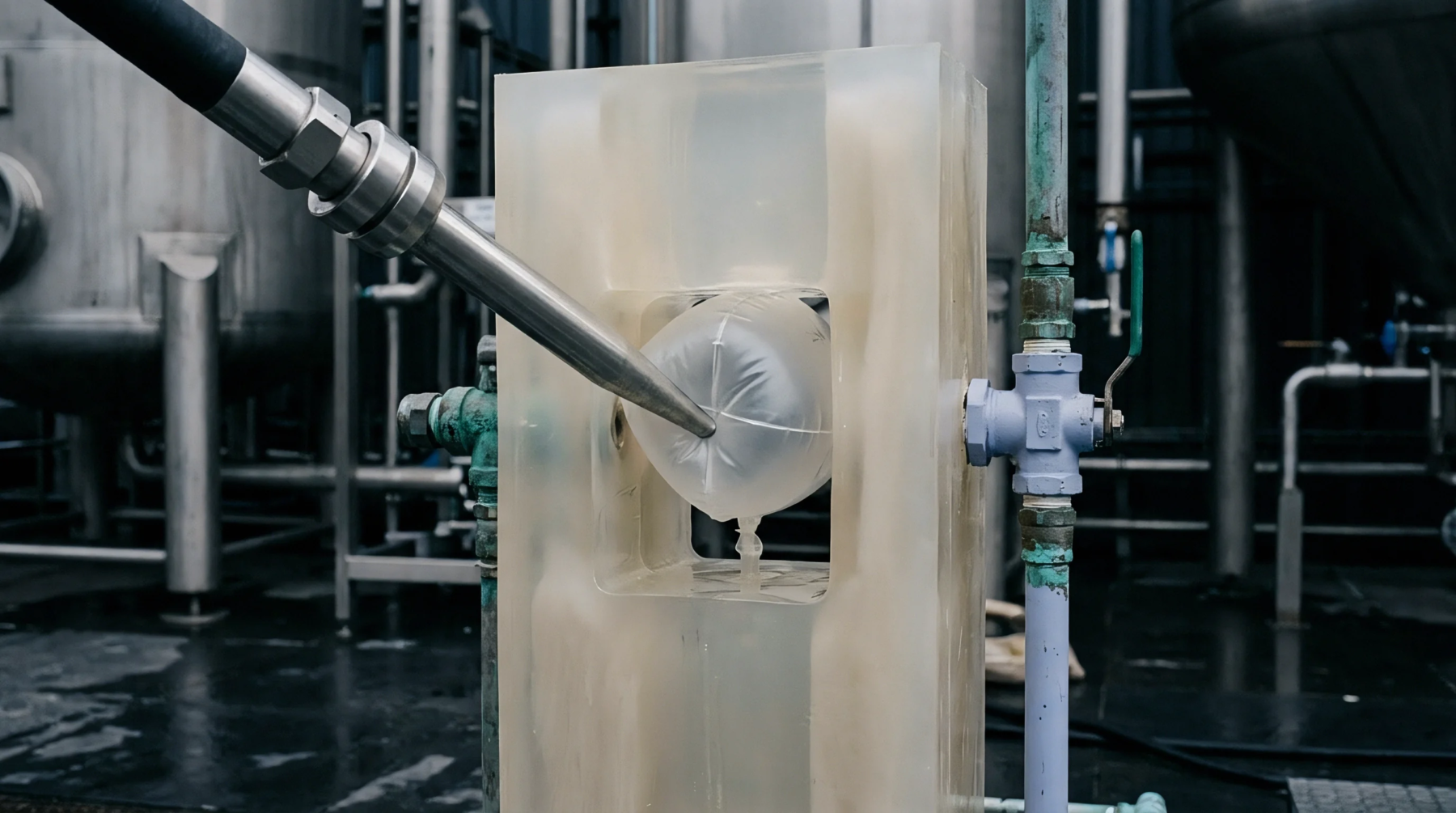
Replacing accredited food contact test reports with internal bench screening invalidates declarations of conformity and exposes importers to customs seizures.

Cross-site chemical mass balance credits fail European packaging tax audits that demand batch-level physical traceability and national standard accreditation.

Non-parametric tolerance bounds eliminate parametric distribution errors in LC-MS multi-layer film screening, setting defensible thresholds for unknown migrants.

Response factors in non-targeted screening vary across four orders of magnitude, creating substantial quantification errors without class-matched calibrants.

Machine learning electrospray ionization models convert non-targeted mass spectrometry peaks into defensible migration limits for recycled plastic compliance.

Derive the analytical evaluation threshold by dividing toxicological exposure limits by dietary consumption and packaging area, adjusting for detector response.

Applying substitute fatty simulants and reduction factors demands proof of technical infeasibility, validated lipophilicity, and uncompromised matrix integrity.
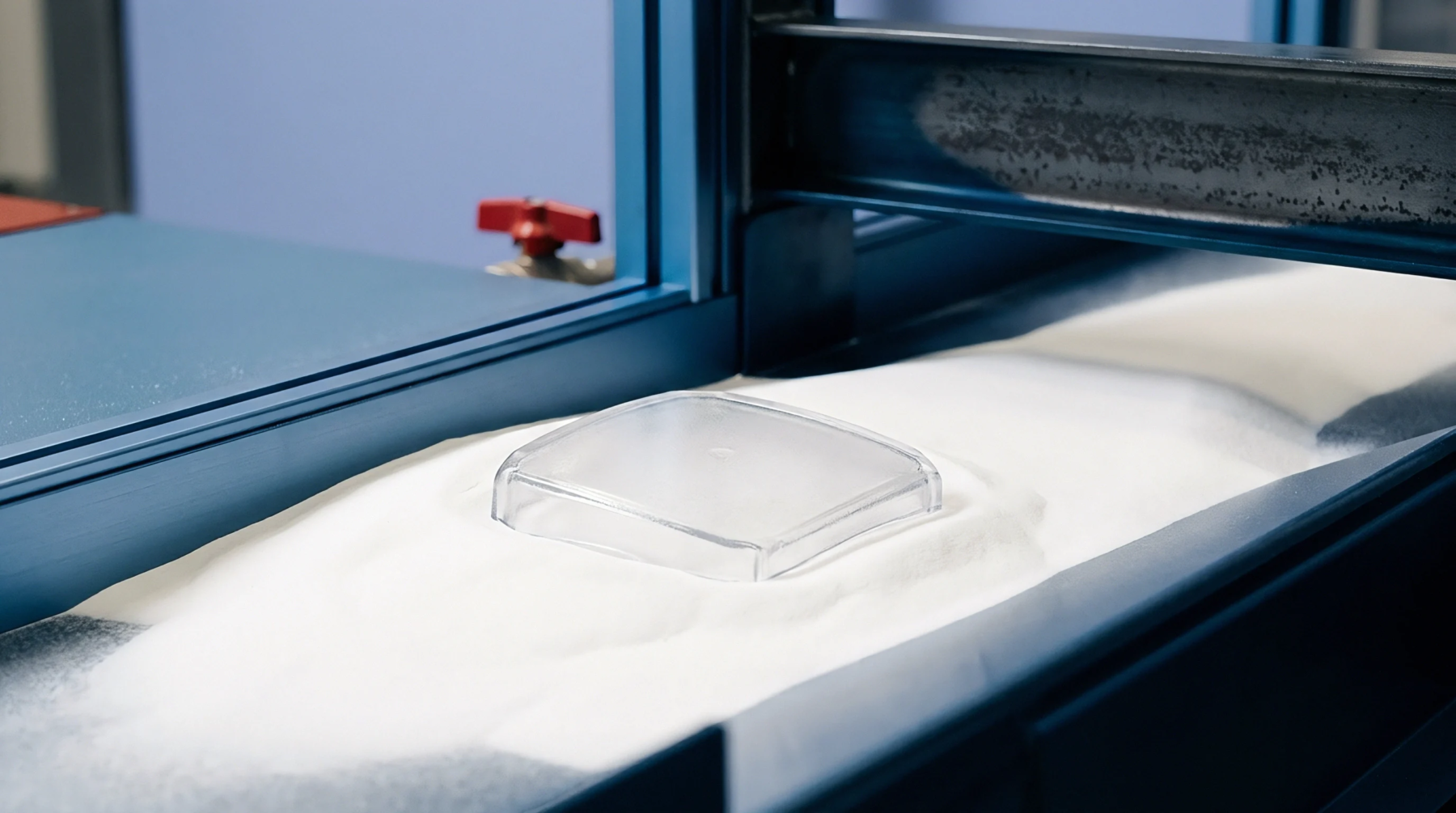
Quantifying printing ink residues in post-consumer polymers demands gas chromatography mass spectrometry to verify specific migration limits below ten parts per billion.

Masterbatch additions introduce unlisted degradation products and carrier oligomers that migrate above European regulatory limits if thermal stress is unmanaged.

Volatile migrant screening demands matrix-matched headspace gas chromatography to catch monomers, degradation products, and unlisted NIAS before customs entry.

Non-target migrant screening requires spectral deconvolution and class-specific response factors to prevent false-negative toxicological safety evaluations.

Polyolefin saturated hydrocarbons in HDPE film mimic mineral oils, requiring two-dimensional GC to separate native oligomers and confirm migration limits.

Non-target screening of recycled polyester requires GC-MS and LC-HRAMS to detect and toxicologically clear volatile and oligomeric NIAS below 10 ug/kg food.

Deriving mass spectrometry screening thresholds for polyester migrants requires lowering toxicological limits by real surface-to-volume and response uncertainty factors.

Deriving the analytical evaluation threshold pairs toxicological limits with contact geometry and detector response factors to quantify unidentified migrants.

Semi-quantitative LC-HRMS screening of recycled polymers carries a 30-fold uncertainty margin from ionization variance, requiring response factor bands.
Recycled polyolefin screening couples non-targeted GC and LC mass spectrometry with TTC toxicological limits to clear unknown migrants for food packaging.
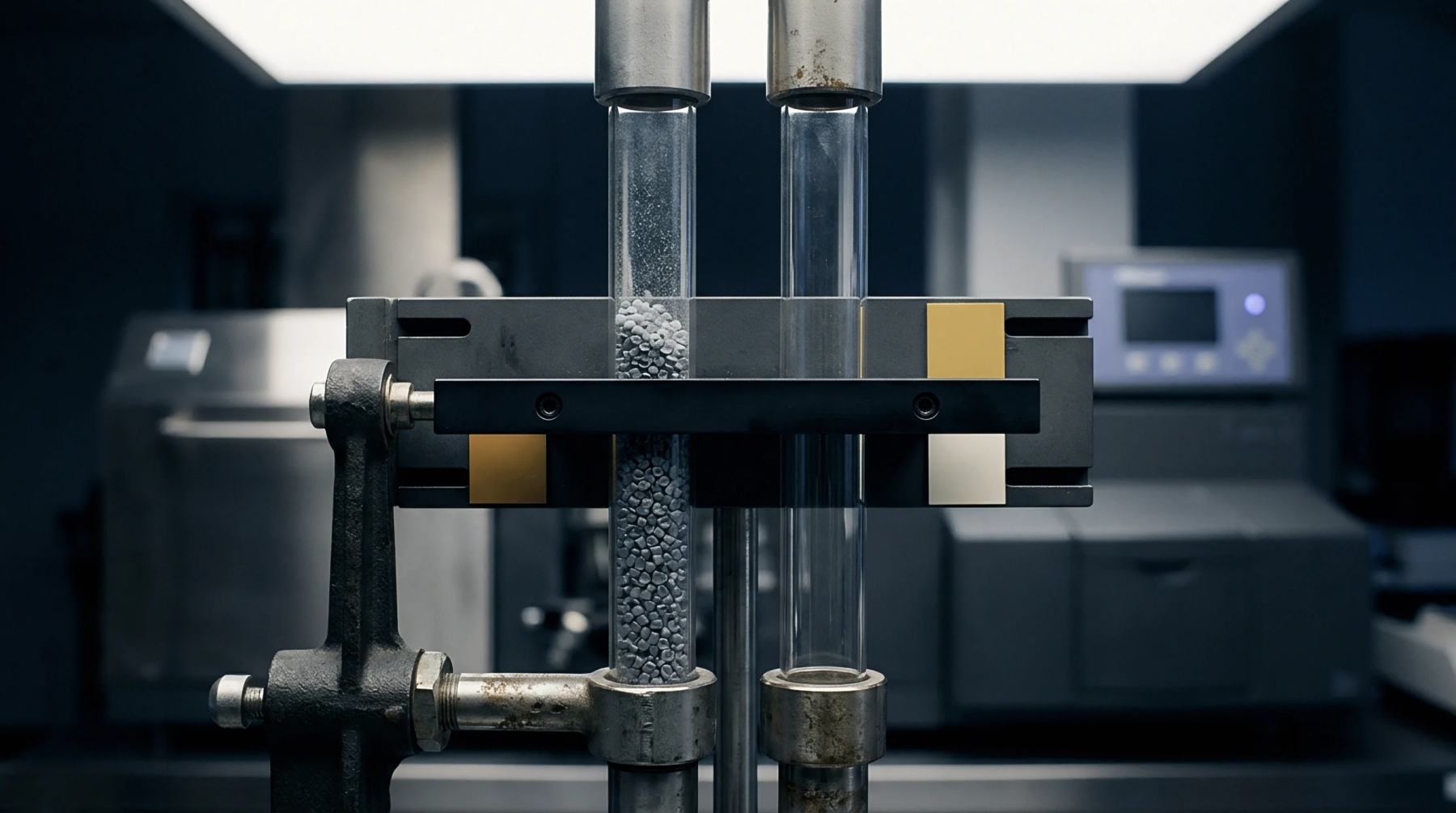
Transferable machine learning quantification across mass spectrometers requires domain-adapted anchor calibrants to prevent border clearance failures.

Electrospray ionization efficiency modeling converts untargeted peak areas into verified migrant concentrations, preventing false food-contact compliance filings.
Expertise is a utility, not a secret. sentiention™ publishes its working knowledge as open reference: intelligence layer covering the materials it sources, the markets it enters, and the reference that serves both.